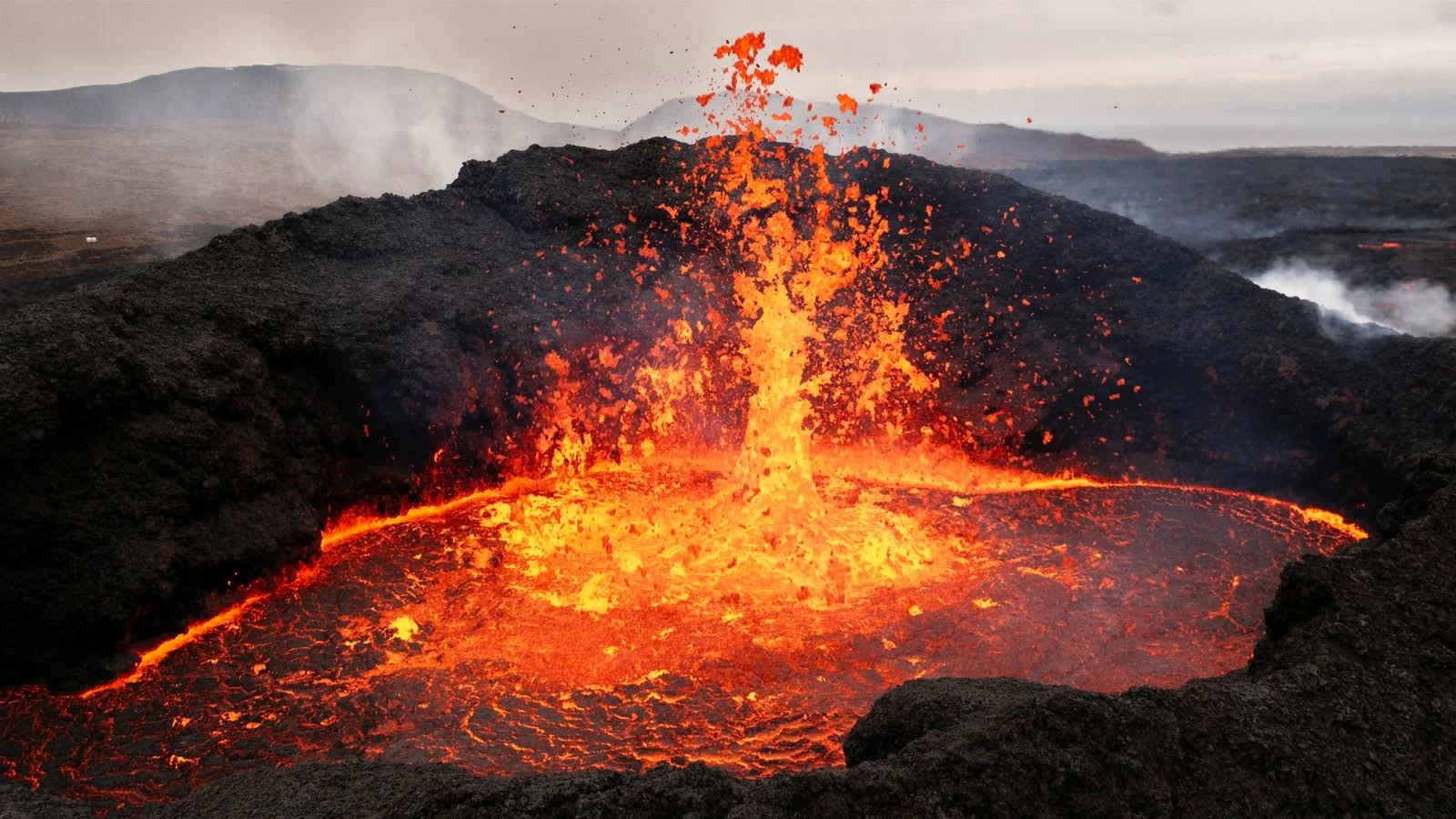
كشفت دراسة علمية حديثة عن اكتشاف جيولوجي مثير يهز المفاهيم التقليدية حول البراكين «الخامدة» يتعلق ببركان ميثانا الواقع على بعد نحو 50-60 كيلومتراً جنوب غرب العاصمة اليونانية أثينا، والذي ظل في حالة هدوء سطحي كامل لأكثر من 100 ألف عام، رغم استمرار تراكم كميات هائلة من الصهارة في أعماقه بشكل غير مرئي.
وفقاً للدراسة التي نشرت في مجلة Science Advances وقادها باحث المعهد الفيدرالي السويسري للتكنولوجيا في زيورخ، أنه لم يكن بركان ميثانا خامداً كما كان يُعتقد سابقاً، بل كان يشهد نشاطاً داخلياً مستمراً يتمثل في إنتاج وتجدد الصهارة داخل القشرة الأرضية دون أن تصل إلى السطح.
واعتمد الفريق العلمي على تحليل أكثر من 1250 بلورة زركون دقيقة، تعمل كـ«سجلات زمنية جيولوجية» أو «مسجلات طيران» تسجل تاريخ تبلور الصهارة، وقد مكّن هذا التحليل من إعادة بناء تاريخ البركان بدقة غير مسبوقة على مدى 700 ألف عام.
وأظهرت النتائج أن أطول فترة هدوء في تاريخ ميثانا استمرت أكثر من 110 ألف عام، من حوالى 280 ألفاً إلى 168 ألف عام مضت، لم تكن فترة سكون حقيقي، بل كانت ذروة نشاط صهاري خفي. خلال هذه الفترة الطويلة، بلغ تكوين بلورات الزركون أعلى مستوياته، مما يشير إلى تراكم ضخم للصهارة في الخزانات الجوفية.
ووأوضح الباحثون أن الصهارة الغنية بالمياه في منطقة التقاء الصفائح التكتونية تؤدي إلى زيادة لزوجتها، مما يجعلها «عالقة» في الأعماق ويمنعها من الصعود إلى السطح، رغم استمرار تغذيتها من الطبقات السفلى.
ويُعد هذا الاكتشاف تحولاً مهماً في علم البراكين، إذ يحذر الباحثون من أن التصنيفات الحالية للبراكين (خامد أو منقرض) قد تعطي شعوراً زائفاً بالأمان، خاصة مع قرب «ميثانا» من منطقة مأهولة بالسكان مثل أثينا، حيث ينطبق الأمر نفسه على براكين أخرى حول العالم، مما يستدعي إعادة تقييم أنظمة المراقبة البركانية.
A recent scientific study has revealed an exciting geological discovery that shakes traditional concepts about "dormant" volcanoes, specifically concerning the Methana volcano located about 50-60 kilometers southwest of the Greek capital, Athens. This volcano has remained in a state of complete surface calm for over 100,000 years, despite the ongoing accumulation of massive amounts of magma deep within it, which remains invisible.
According to the study published in the journal Science Advances and led by a researcher from the Swiss Federal Institute of Technology in Zurich, the Methana volcano was not dormant as previously thought, but was experiencing continuous internal activity characterized by the production and renewal of magma within the Earth's crust without reaching the surface.
The scientific team relied on the analysis of more than 1,250 tiny zircon crystals, which act as "geological time records" or "flight recorders" that document the history of magma crystallization. This analysis enabled the reconstruction of the volcano's history with unprecedented accuracy over the past 700,000 years.
The results showed that the longest period of calm in Methana's history lasted more than 110,000 years, from about 280,000 to 168,000 years ago, and this was not a true period of dormancy but rather a peak of hidden magma activity. During this long period, the formation of zircon crystals reached its highest levels, indicating a massive accumulation of magma in underground reservoirs.
The researchers explained that water-rich magma in the area of tectonic plate convergence leads to increased viscosity, causing it to become "trapped" deep underground and preventing it from rising to the surface, despite being continuously fed from lower layers.
This discovery represents a significant shift in volcanology, as researchers warn that current classifications of volcanoes (dormant or extinct) may create a false sense of security, especially with Methana's proximity to a populated area like Athens. The same applies to other volcanoes around the world, necessitating a reevaluation of volcanic monitoring systems.