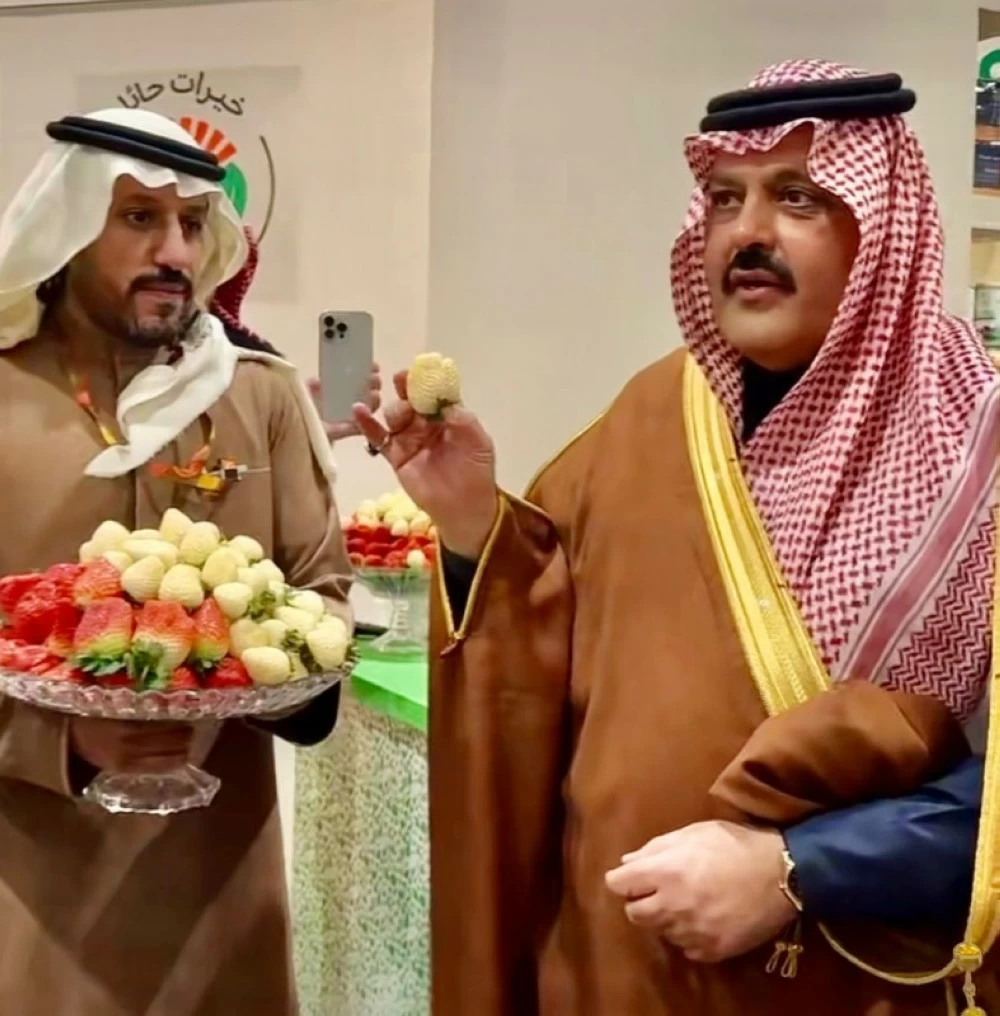
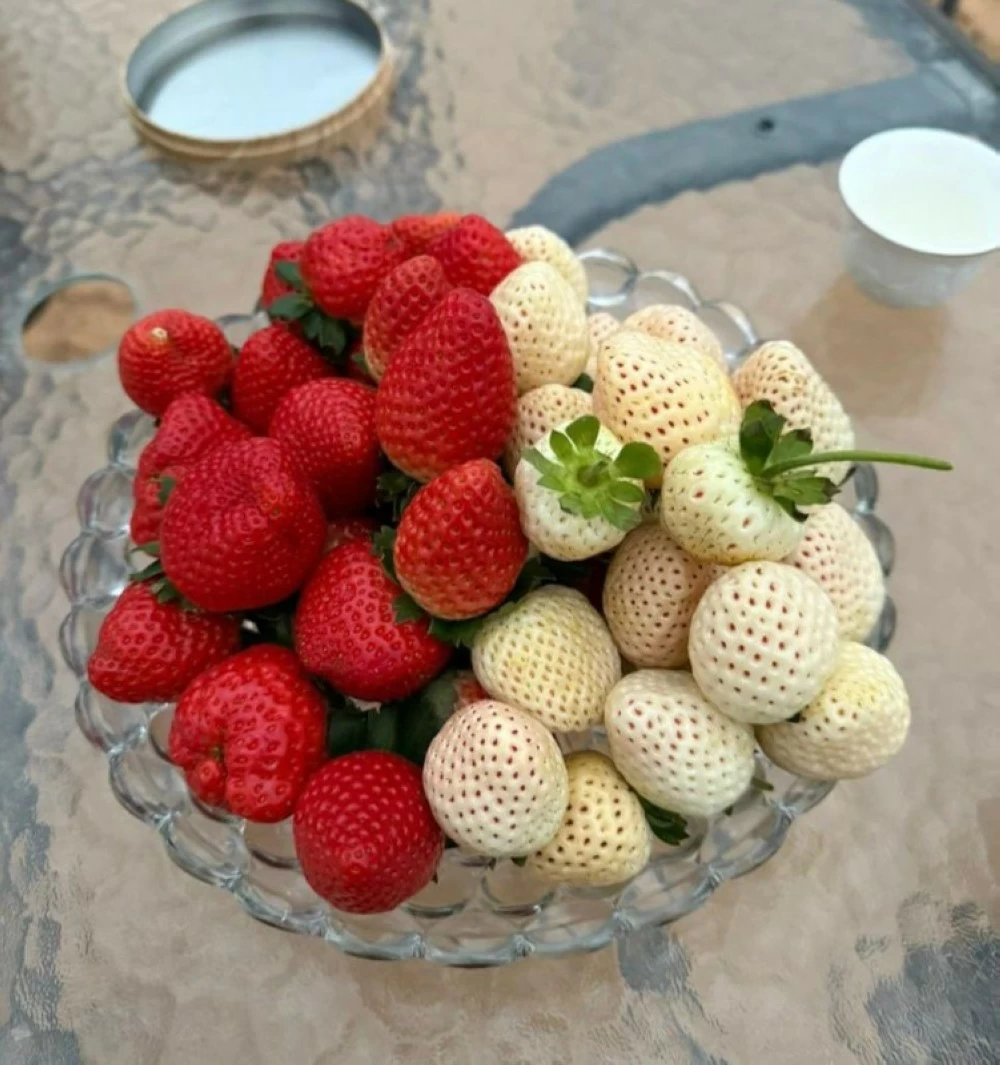
تسجّل المملكة العربية السعودية حضورها ضمن الدول المنتجة للفراولة البيضاء، بعد اليابان وتشيلي، من خلال مزارع منطقة حائل، في تجربة زراعية نوعية تعكس تطوّر القطاع الزراعي وانتقاله نحو المنتجات عالية القيمة.
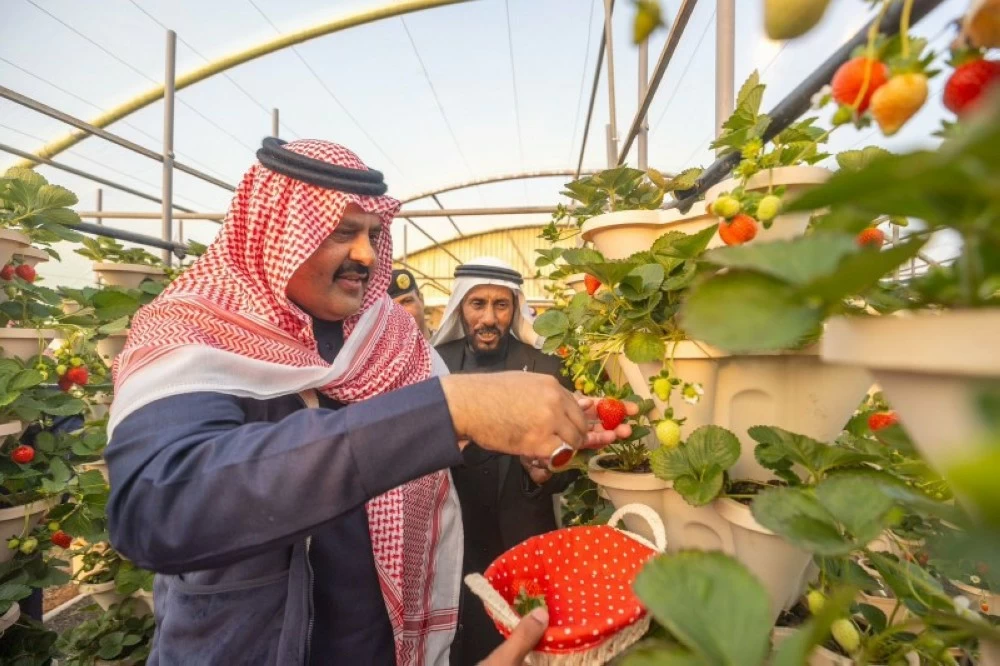
واطّلع أمير حائل الأمير عبدالعزيز بن سعد بن عبدالعزيز خلال زيارة ميدانية أمس (السبت) على تفاصيل هذه التجربة، التي تُعد من أكبر المبادرات الزراعية المتخصصة في المنطقة، من حيث أساليب الزراعة وجودة الأصناف وإدارة سلسلة الإنتاج، بما يعزّز تنافسية المنتج المحلي ويؤكد قدرة المزارع الوطنية على دخول أسواق المنتجات النادرة.
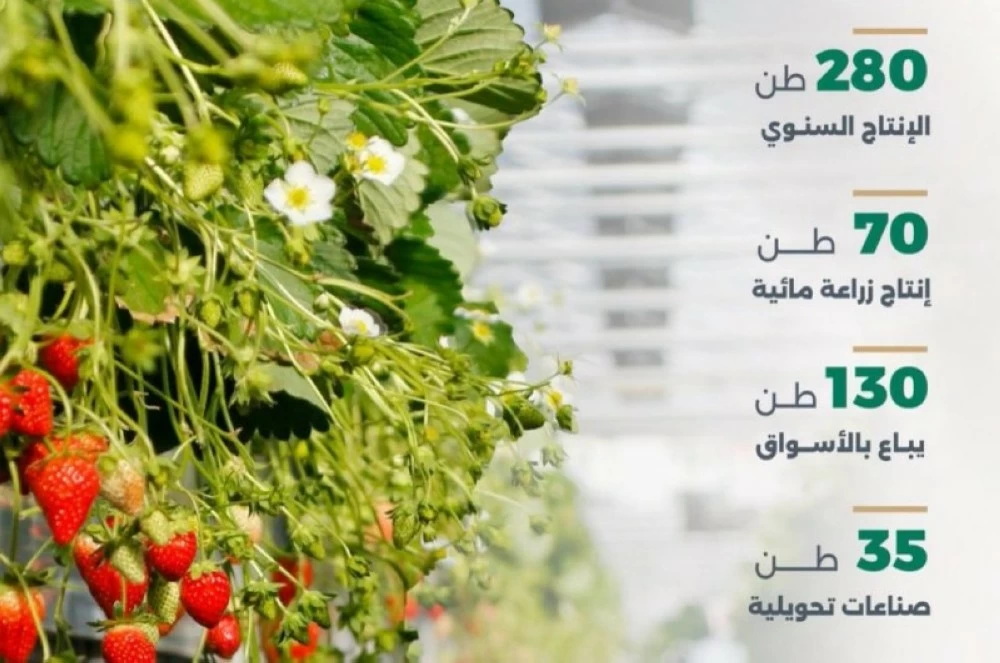
وتكشف البيانات التشغيلية للمشروع عن حجم التحوّل في هذا القطاع، إذ يبلغ إجمالي الإنتاج السنوي للفراولة في حائل نحو 280 طناً، منها 70 طناً ناتجة عن الزراعة المائية، في حين يتم تسويق 130 طناً في الأسواق المحلية بعدد من المناطق تشمل حائل والرياض والقصيم وجدة والدمام، مقابل 35 طناً تُخصّص للصناعات التحويلية وفق بيانات هيئة تطوير حائل.
وتتميّز الفراولة البيضاء بكونها محصولاً عالي القيمة، يتطلب تقنيات دقيقة في الزراعة والري والتحكّم بالبيئة، وهو ما نجحت مزارع حائل في تطبيقه، مستفيدة من الظروف المناخية الملائمة، وتكامل الدعم الفني، وتبنّي الممارسات الزراعية الحديثة. وأسهم هذا النجاح في إدراج السعودية ضمن خريطة الدول المنتجة لهذا الصنف عالمياً عبر بوابة حائل.
ويمتد أثر التجربة إلى ما بعد الإنتاج الزراعي، مع توسّع الصناعات التحويلية المرتبطة بالمزارع، وفي مقدمتها تطوير أول شاي فراولة سعودي مشتق من إنتاج المنطقة، بما يعزّز القيمة المضافة للمحصول ويفتح قنوات تسويقية جديدة.
كما تستقبل مزارع الفراولة في حائل نحو 100 ألف زائر سنوياً، ضمن نشاط سياحي زراعي يدعم الاقتصاد المحلي، ويعزّز مفهوم السياحة الزراعية. وتقدّم حائل بهذا النموذج مثالاً عملياً لتحوّل الزراعة من نشاط موسمي إلى قطاع اقتصادي متكامل عالي القيمة.
The Kingdom of Saudi Arabia is marking its presence among the countries producing white strawberries, following Japan and Chile, through the farms in the Hail region, in a qualitative agricultural experiment that reflects the development of the agricultural sector and its transition towards high-value products.
During a field visit yesterday (Saturday), Prince Abdulaziz bin Saad bin Abdulaziz of Hail was briefed on the details of this experiment, which is considered one of the largest specialized agricultural initiatives in the region, in terms of farming methods, quality of varieties, and management of the production chain, enhancing the competitiveness of local products and confirming the ability of national farms to enter the markets for rare products.
The operational data of the project reveals the extent of transformation in this sector, as the total annual production of strawberries in Hail is about 280 tons, of which 70 tons result from hydroponics, while 130 tons are marketed in local markets across several regions including Hail, Riyadh, Qassim, Jeddah, and Dammam, compared to 35 tons allocated for processing industries according to the Hail Development Authority.
White strawberries are distinguished as a high-value crop that requires precise techniques in farming, irrigation, and environmental control, which the Hail farms have successfully implemented, benefiting from favorable climatic conditions, integrated technical support, and the adoption of modern agricultural practices. This success has contributed to placing Saudi Arabia on the global map of countries producing this variety through the gateway of Hail.
The impact of the experiment extends beyond agricultural production, with the expansion of processing industries linked to the farms, foremost among them the development of the first Saudi strawberry tea derived from the region's production, enhancing the added value of the crop and opening new marketing channels.
Additionally, the strawberry farms in Hail receive about 100,000 visitors annually, as part of an agricultural tourism activity that supports the local economy and enhances the concept of agricultural tourism. Hail thus provides a practical example of the transformation of agriculture from a seasonal activity to a comprehensive high-value economic sector.