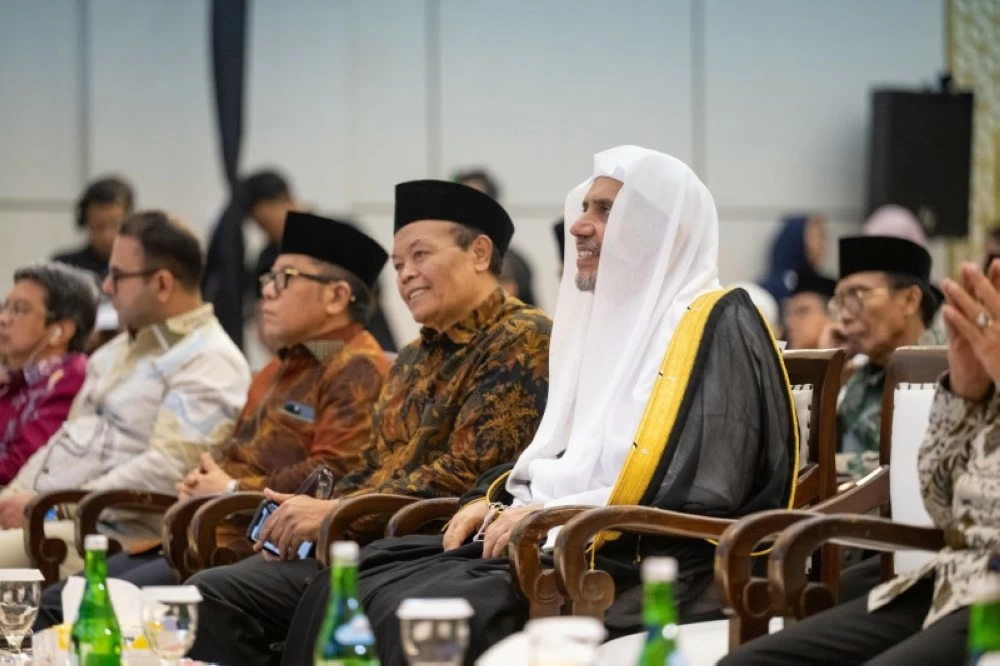
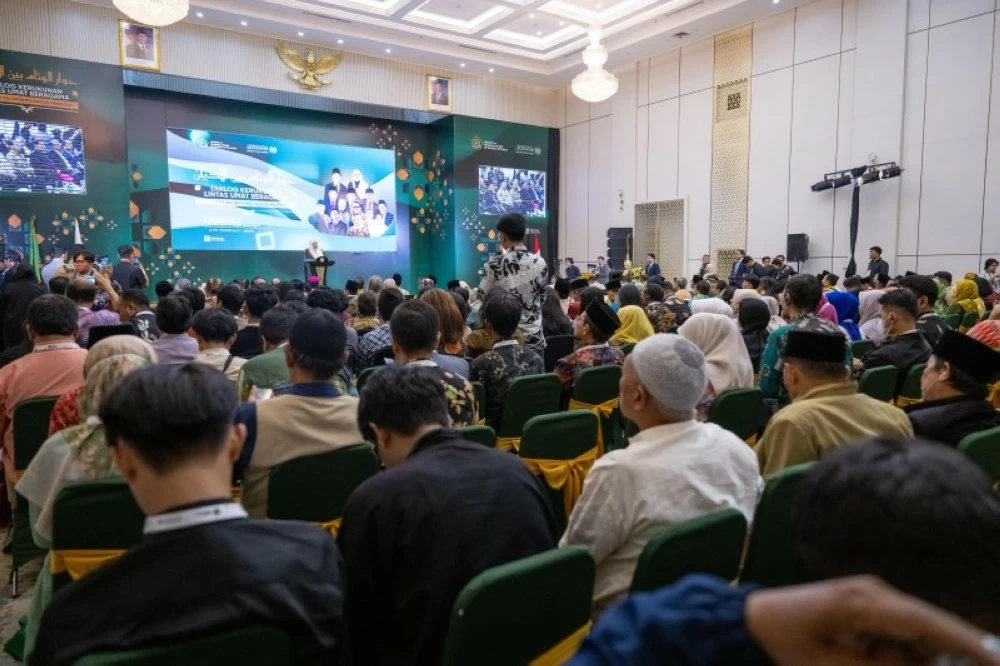
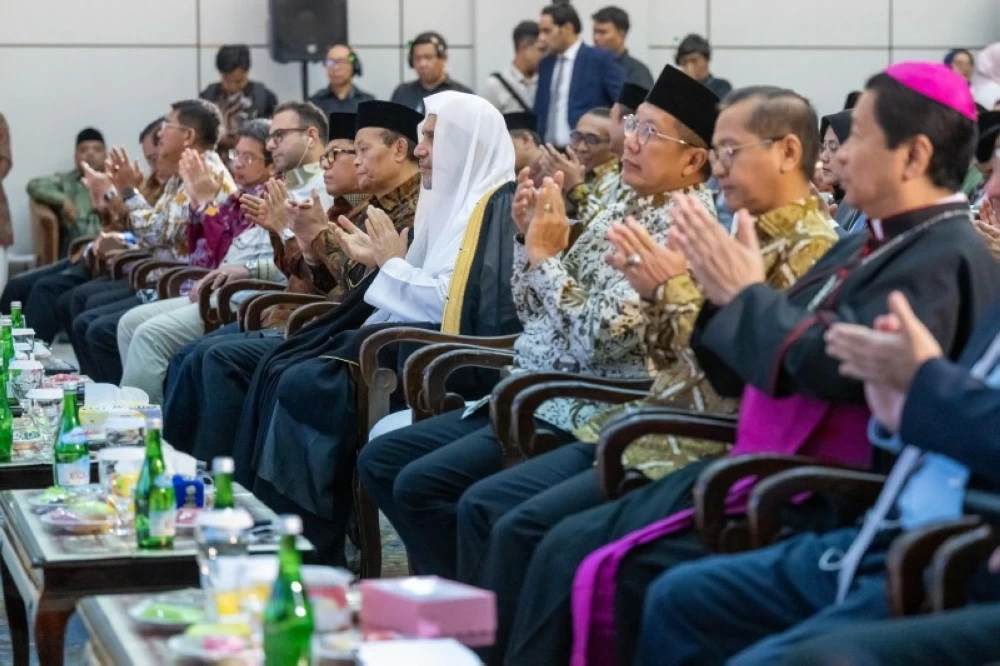
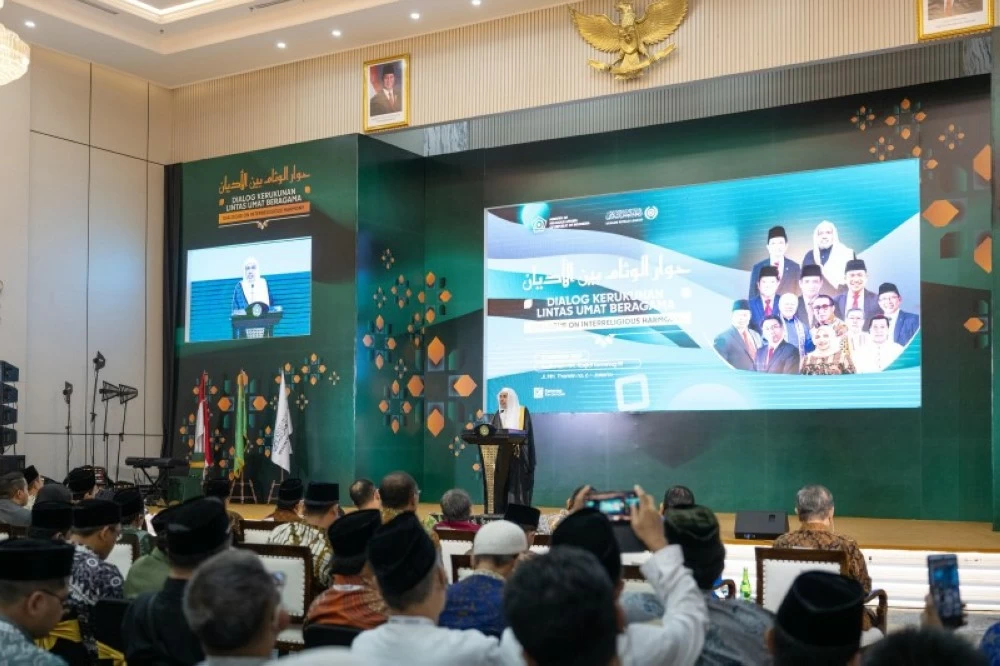
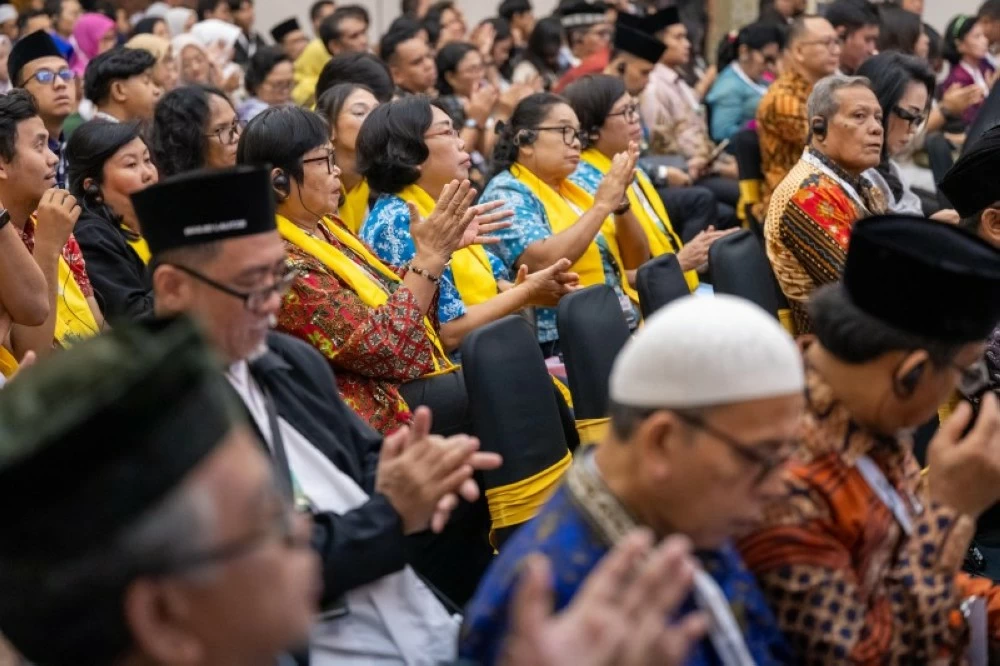
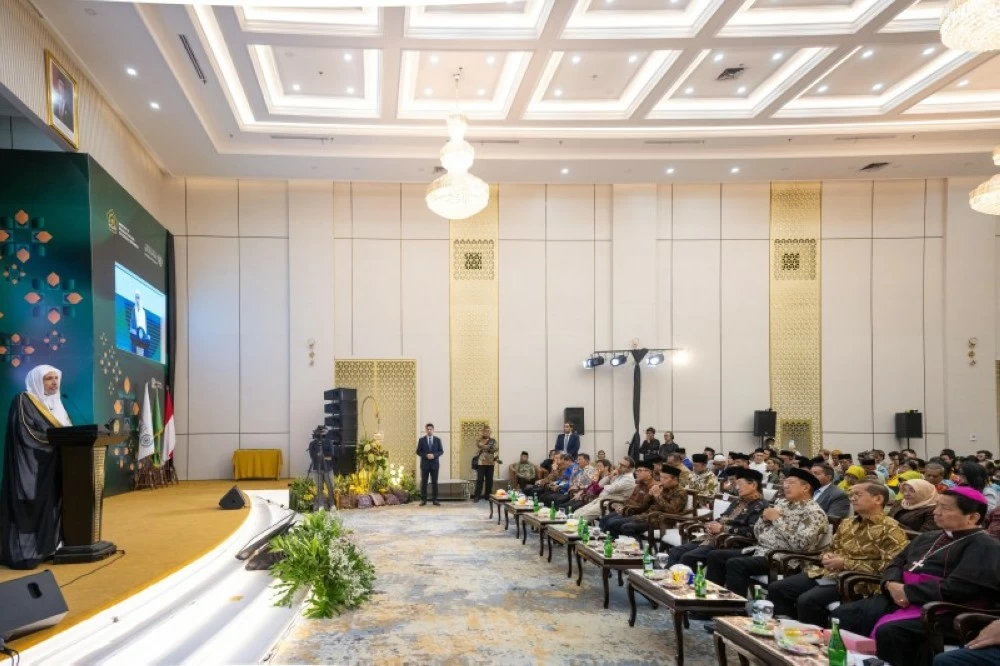
ألقى الأمين العام لرابطة العالم الإسلامي رئيس هيئة علماء المسلمين الشيخ الدكتور محمد بن عبدالكريم العيسى، الكلمة الافتتاحية لمؤتمر إندونيسيا للوئام بين أتباع الأديان، الذي استضافته وزارة الشؤون الدينية الإندونيسية في مقرها بالعاصمة «جاكرتا»، وذلك بحضور ومشاركة وزير الشؤون الدينية الإندونيسي الدكتور نصر الدين عمر، ونائبه وزير الشؤون الدينية الأسبق، ورئيس مركز التعايش الديني، إلى جانب عددٍ من القيادات الدينية والبرلمانية من مختلف الديانات، وأكثر من 350 مشاركًا من قيادات الوزارة والأكاديميين ورجال الدين وممثلي المجتمعات الدينية من مختلف ولايات إندونيسيا.
وأكد د. العيسى في كلمته أهمية انعقاد مثل هذه المؤتمرات بمحاورها المتجددة على ضوء مشتركاتها لصالح تعايشها وتعاونها في مواجهة نظريات الصدام الديني وأثره على مجتمعات التنوع بخاصة والسلم العالمي بعامة، ولاسيما إذا علمنا أن كثيراً من الحروب الظالمة عبر التاريخ الإنساني ذات جذور محسوبة في ظاهرها على الأديان وإن لم تُمثل حقيقة تعاليمها الإنسانية.
وشهد المؤتمر مداخلاتٍ من ممثلي الديانات في إندونيسيا، استعرض كلٌّ منهم خلالها تعاليم دينه المتعلقة بالوئام المجتمعي.
The Secretary-General of the Muslim World League and President of the Association of Muslim Scholars, Sheikh Dr. Muhammad bin Abdulkarim Al-Issa, delivered the opening speech at the Indonesia Conference for Harmony Among Followers of Religions, hosted by the Indonesian Ministry of Religious Affairs at its headquarters in the capital "Jakarta", in the presence and participation of the Indonesian Minister of Religious Affairs, Dr. Nasruddin Umar, his deputy, the former Minister of Religious Affairs, and the head of the Center for Religious Coexistence, along with a number of religious and parliamentary leaders from various religions, and more than 350 participants from ministry leaders, academics, religious figures, and representatives of religious communities from various provinces of Indonesia.
Dr. Al-Issa emphasized in his speech the importance of holding such conferences with their renewed themes in light of their commonalities for the sake of coexistence and cooperation in facing theories of religious conflict and their impact on diverse communities in particular and global peace in general, especially considering that many unjust wars throughout human history have roots that appear to be attributed to religions, even if they do not truly represent their humanitarian teachings.
The conference witnessed interventions from representatives of religions in Indonesia, each of whom presented the teachings of their faith related to societal harmony.