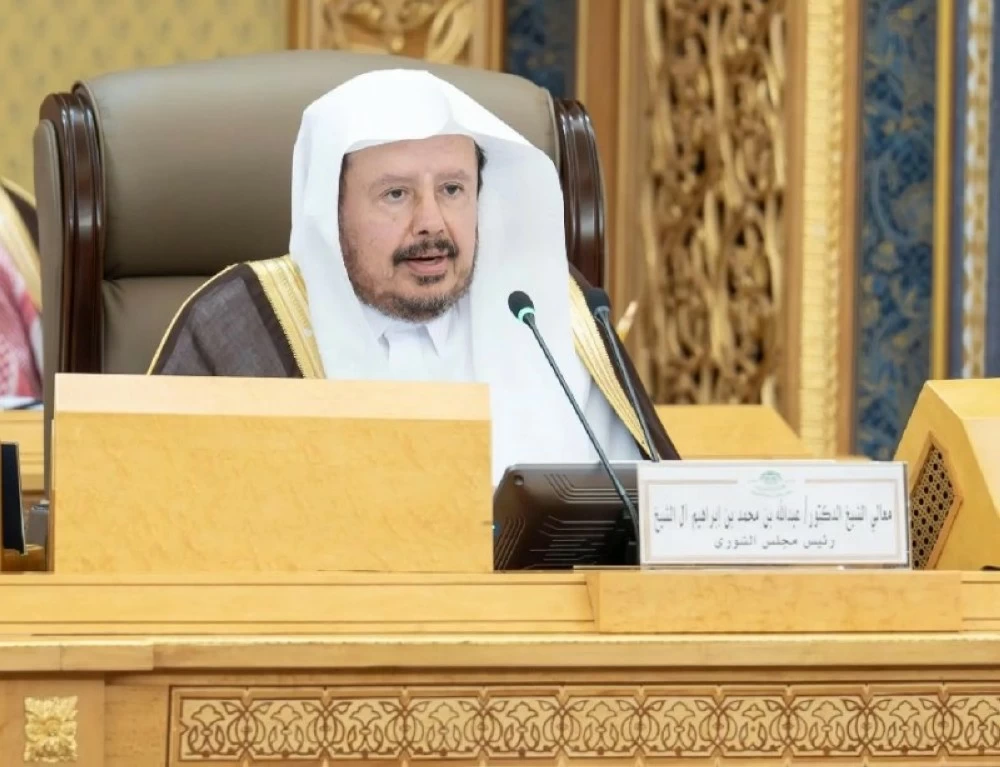
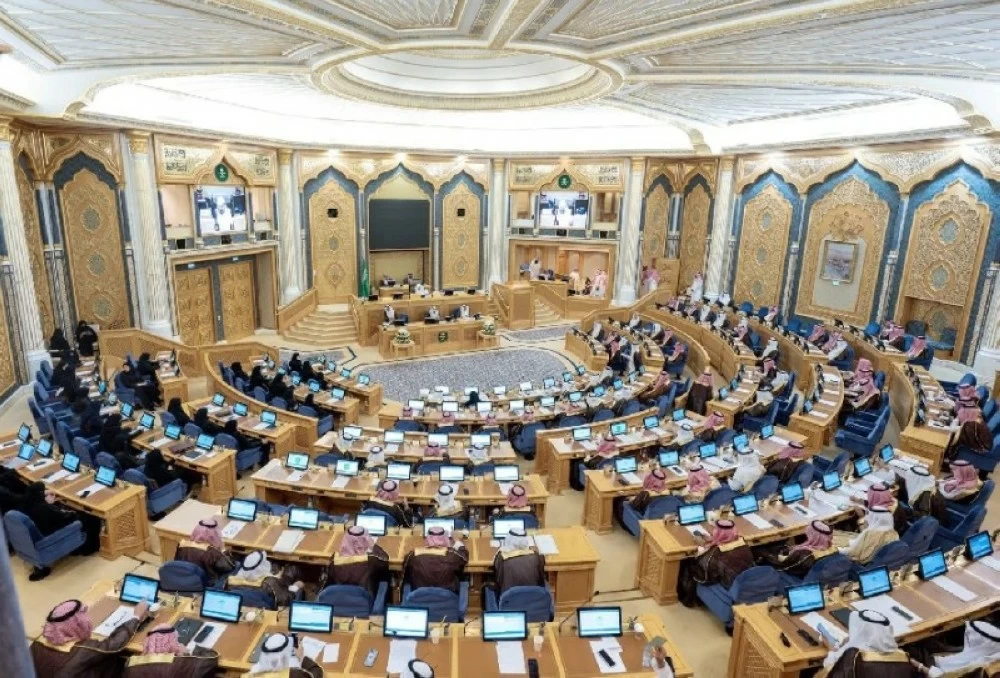
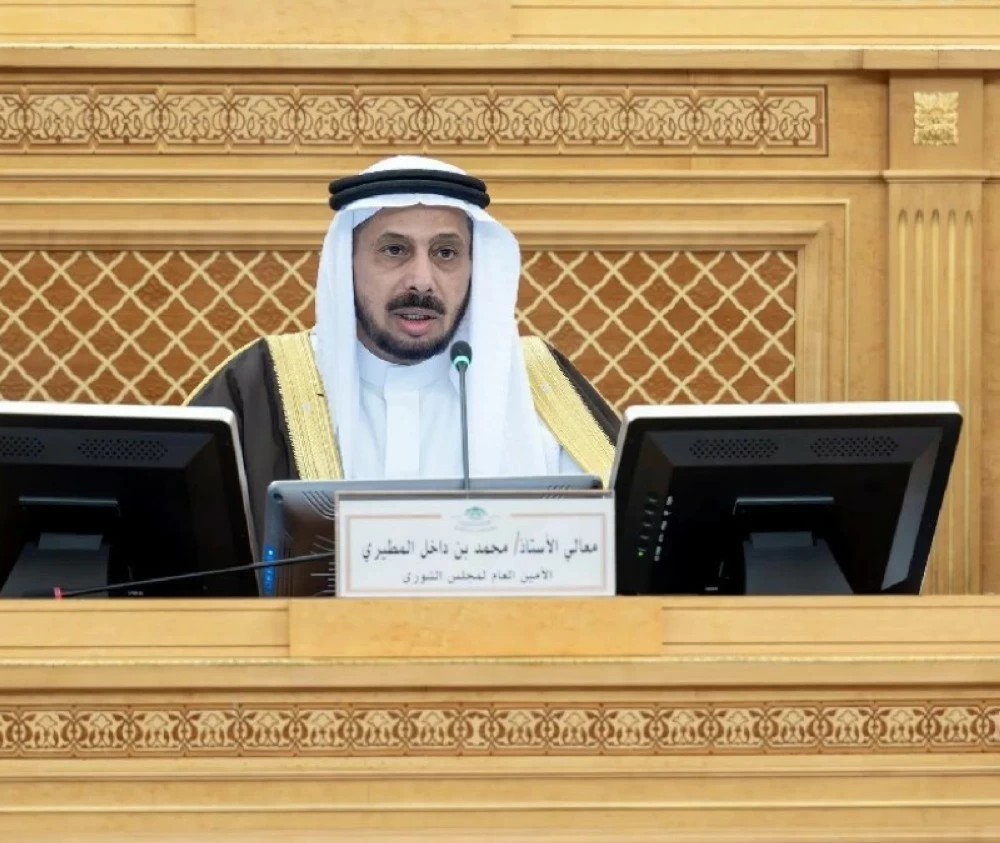
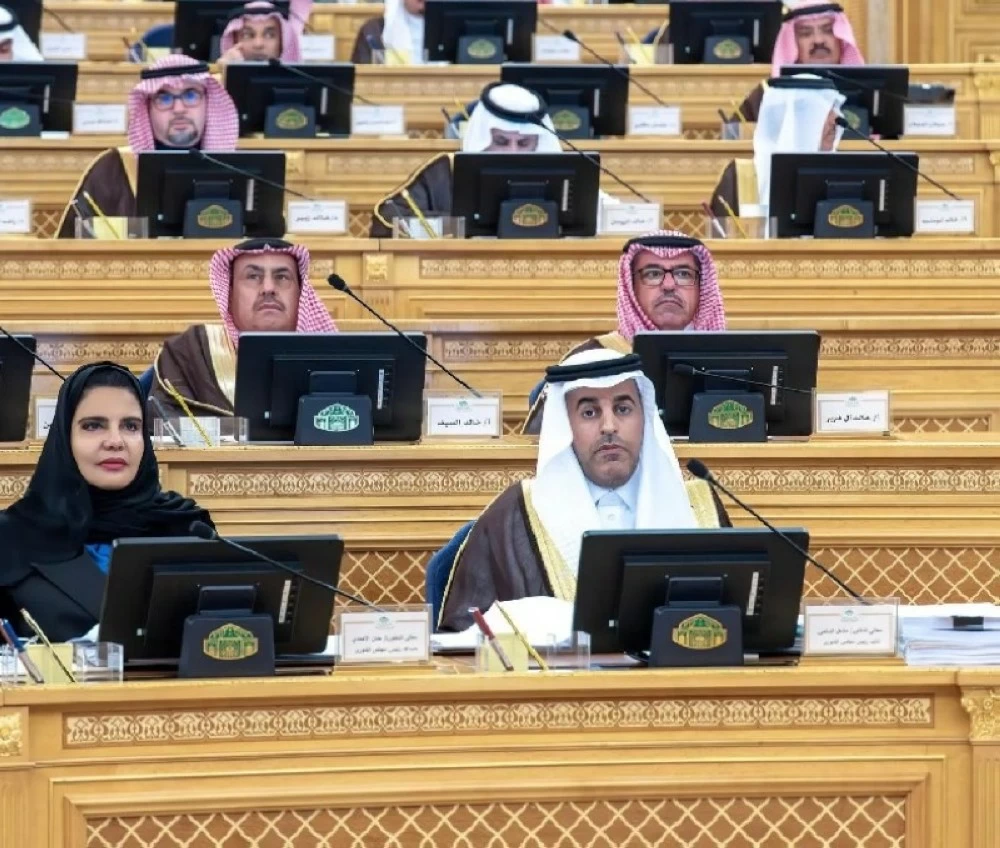
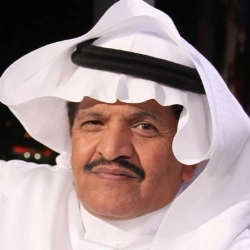
عقد مجلس الشورى، اليوم (الإثنين)، جلسته العادية الـ11 من أعمال السنة الثانية للدورة التاسعة برئاسة رئيس المجلس الشيخ الدكتور عبدالله بن محمد بن إبراهيم آل الشيخ. واستعرض المجلس في مستهل الجلسة جدول أعمال جلسته العادية الـ11، وما جاء فيه من بنود، متخذاً قراراته اللازمة بشأنها.
وأصدر المجلس قراراً خلال الجلسة طالب فيه جامعة شقراء بتعزيز جهودها لاستكمال مبادراتها في التحول إلى نظام الجامعات، واتخذ المجلس قراره بعد أن استمع إلى وجهة نظر لجنة التعليم والبحث العلمي، التي تلاها عضو المجلس رئيس اللجنة الدكتور ناصر طيران، بشأن ملحوظات الأعضاء وآرائهم التي أبدوها في جلسة سابقة تجاه ما تضمنه التقرير السنوي لجامعة شقراء للعام الجامعي 2024.
وطالب المجلس في قراره الجامعة بتطوير فروعها وتقييم مخرجاتها، بما يضمن الكفاءة والجودة والاستدامة، داعياً إلى العمل على تطوير منظومتها في مجال الابتكار وريادة الأعمال. وفي قرار آخر اتخذه خلال هذه الجلسة، صوّت المجلس بالموافقة على تعديل عدد من مواد مشروع نظام حقوق المؤلف، المتخَذ بشأنه قرار مجلس الشورى ذو الرقم 305/30 والتاريخ 21 / 11 / 1446، والمعاد إلى المجلس لدراسته وفق المادة (17)، جاء ذلك بعد أن استمع المجلس إلى تقرير لجنة الثقافة والرياضة والسياحة بشأنه، تلاه عضو المجلس رئيس اللجنة الدكتور حسن الحازمي. وضمن قرارات المجلس خلال جلسته العادية الـ11 وافق المجلس على مشروع مذكرة تفاهم بين الهيئة العامة للطيران المدني في المملكة العربية السعودية واللجنة الأفريقية للطيران المدني (التكتل الأفريقي) للتعاون الفني في مجال الطيران المدني.
كما وافق المجلس على مشروع مذكرة تفاهم بين حكومة المملكة العربية السعودية وحكومة جمهورية إستونيا للتعاون في مجال تشجيع الاستثمار المباشر. وفي السياق ذاته وافق المجلس على مشروع اتفاقية بين المملكة العربية السعودية والمملكة المغربية حول التشجيع والحماية المتبادلة للاستثمارات. وضمن مشاريع الاتفاقيات المدرجة على جدول أعمال هذه الجلسة وافق المجلس على مشروع اتفاقية بين حكومة المملكة العربية السعودية وحكومة جمهورية فنلندا في مجال خدمات النقل الجوي. وناقش المجلس التقرير السنوي لجامعة الملك خالد للعام الجامعي 2024م، وذلك بعد أن استمع إلى تقرير تقدمت به لجنة التعليم والبحث العلمي، تلاه عضو المجلس رئيس اللجنة الدكتور ناصر طيران، بشأن ما تضمنه التقرير السنوي لجامعة الملك خالد.
وبعد طرح تقرير اللجنة للنقاش أبدى أعضاء المجلس عدداً من الملحوظات والآراء بشأن ما تضمنه التقرير السنوي لجامعة الملك خالد، إذ أشار عضو مجلس الشورى عبدالله آل طاوي إلى أهمية المستشفى الجامعي الذي يعد محوراً أساسياً لتعليم الطب، وتطوير البحث، وتقديم رعاية صحية عالية الجودة، وتحسين اقتصاد وخدمات المنطقة، في حين طالب عضو المجلس الدكتور هشام الفارس جامعة الملك خالد - بالتنسيق مع الجهات المختصة - لإيجاد آلية مناسبة للاستفادة من وظائف أعضاء هيئة التدريس في التخصصات النظرية المغلقة وتوجيهها إلى التخصصات التطبيقية المطلوبة.
وفي الإطار نفسه أشار عضو مجلس الشورى المهندس سالم الشهراني إلى أهمية إنشاء إطار مؤسسي دائم يربط جامعة الملك خالد بالمشاريع التنموية في عسير وتوسيع الاتفاقيات التشغيلية مع الجهات المنفذة للمشاريع والعمل على تعزيز مواءمة البرامج الأكاديمية مع حاجات المنطقة المستقبلية.
وفي مداخلة له على التقرير طالب عضو مجلس الشورى المهندس عبدالعزيز المالكي جامعة الملك خالد بدراسة وتطوير مؤشر مركب لتأثير البحث العلمي والابتكار يقيس عدد ونسبة براءات الاختراع ومخرجات البحوث التي تم تحويلها إلى منتجات ذات قيمة اجتماعية واقتصادية.
بدوره طالب عضو مجلس الشورى الدكتور مفلح القحطاني جامعة الملك خالد بالتنسيق مع الجهات ذات العلاقة لاتخاذ خطوات لتوفير التعليم الجامعي في مختلف المحافظات؛ مما سيعزز التنمية المستدامة في المنطقة.
وفي نهاية المناقشة طلبت اللجنة منحها مزيداً من الوقت لدراسة ما طرحه الأعضاء من آراء ومقترحات والعودة بوجهة نظرها إلى المجلس في جلسة لاحقة.
وضمن السياق ناقش المجلس خلال هذه الجلسة التقرير السنوي لجامعة الأمير سطام بن عبدالعزيز للعام الجامعي 2024، وذلك بعد أن استمع إلى تقرير تقدمت به لجنة التعليم والبحث العلمي، تلاه عضو المجلس رئيس اللجنة الدكتور ناصر طيران، بشأن ما تضمنه التقرير السنوي لجامعة الأمير سطام بن عبدالعزيز.
وبعد طرح تقرير اللجنة للنقاش أبدى أعضاء المجلس عدداً من الملحوظات والآراء بشأن ما تضمنه التقرير السنوي لجامعة الأمير سطام بن عبدالعزيز، إذ طالب عضو مجلس الشورى الدكتور عبدالله النجار جامعة الأمير سطام بن عبدالعزيز، وبالتنسيق مع الجهات ذات العلاقة، بالعمل على تطوير آلية تمويل طويلة المدى تدعم منظومة البحث والابتكار، وبما يسهم في رفع العائد الاقتصادي والمعرفي وتحقيق الاستدامة التمويلية للبحث والابتكار.
بينما أشار عضو مجلس الشورى الدكتور متعب المطيري في مداخلته إلى أهمية استثمار جامعة الأمير سطام بن عبدالعزيز للميز النسبية وحجم الفرص المرتبطة بموقعها من خلال التوسع في الشراكات النوعية في محيطها الجغرافي.
وفي سياق المداخلات على التقرير طالب عضو مجلس الشورى الدكتور فيصل البواردي الجامعة بتطوير إستراتيجية استثمار البنية التحتية للجامعة وموقعها الجغرافي، لخلق مصادر دخل مستدامة، والاستفادة منها في دعم العملية التعليمية والبحث والابتكار.
بينما أشارت عضو مجلس الشورى الدكتورة أمل الهزاني إلى أهمية دراسة إيجاد حلول للإمداد البحثي كاستثمار الأراضي التابعة للجامعة ودراسة فرص الأوقاف. من جهته أشار عضو مجلس الشورى الدكتور عبدالرحمن الجبر إلى أهمية توضيح المنهجية المتبعة في تحديد مستهدفات مؤشرات الأداء ومراعاة الاختلافات بين هذه المؤشرات في قياس مستوى التقدم في تحقيق أهداف الجامعة الإستراتيجية. كما أشار عضو مجلس الشورى عبدالله بن عيفان إلى أهمية أن تعمل جامعة الأمير سطام بن عبدالعزيز على تطوير أهدافها الإستراتيجية لتكون أكثر انسجاماً مع هويتها المُؤسسية وربطها بمؤشرات خاصة بهذه الهوية لقياس مدى تحقق هذه الأهداف في بيئتها الأكاديمية والمجتمعية.
وفي نهاية المناقشة طلبت اللجنة منحها مزيداً من الوقت لدراسة ما طرحه الأعضاء من آراء ومقترحات والعودة بوجهة نظرها إلى المجلس في جلسة لاحقة.
The Shura Council held its 11th regular session today (Monday) of the second year of the ninth term, chaired by the Council's President, Sheikh Dr. Abdullah bin Mohammed bin Ibrahim Al Sheikh. At the beginning of the session, the Council reviewed the agenda for its 11th regular session and the items included in it, making the necessary decisions regarding them.
During the session, the Council issued a decision calling on Shaqra University to enhance its efforts to complete its initiatives for transitioning to a university system. The Council made this decision after listening to the views of the Education and Scientific Research Committee, presented by the committee's chairman, Dr. Nasser Tayran, regarding the observations and opinions expressed by members in a previous session concerning the annual report of Shaqra University for the academic year 2024.
The Council, in its decision, urged the university to develop its branches and evaluate its outputs to ensure efficiency, quality, and sustainability, calling for efforts to enhance its system in the field of innovation and entrepreneurship. In another decision made during this session, the Council voted in favor of amending several articles of the draft Copyright Law, concerning which the Shura Council had made a decision numbered 305/30 dated 21/11/1446, and which was returned to the Council for study in accordance with Article (17). This came after the Council listened to a report from the Culture, Sports, and Tourism Committee, presented by the committee's chairman, Dr. Hassan Al-Hazmi. Among the decisions made by the Council during its 11th regular session, the Council approved a draft memorandum of understanding between the General Authority of Civil Aviation in the Kingdom of Saudi Arabia and the African Civil Aviation Commission (the African bloc) for technical cooperation in the field of civil aviation.
The Council also approved a draft memorandum of understanding between the Government of the Kingdom of Saudi Arabia and the Government of the Republic of Estonia for cooperation in promoting direct investment. In the same context, the Council approved a draft agreement between the Kingdom of Saudi Arabia and the Kingdom of Morocco regarding the encouragement and mutual protection of investments. Among the agreements listed on the agenda of this session, the Council approved a draft agreement between the Government of the Kingdom of Saudi Arabia and the Government of the Republic of Finland in the field of air transport services. The Council discussed the annual report of King Khalid University for the academic year 2024, after listening to a report presented by the Education and Scientific Research Committee, followed by the committee's chairman, Dr. Nasser Tayran, regarding the contents of the annual report of King Khalid University.
After the committee's report was presented for discussion, members of the Council expressed several observations and opinions regarding the contents of the annual report of King Khalid University. Council member Abdullah Al-Tawi pointed out the importance of the university hospital, which is a key element for medical education, research development, and providing high-quality healthcare, as well as improving the economy and services in the region. Meanwhile, Council member Dr. Hisham Al-Faris urged King Khalid University, in coordination with the relevant authorities, to find a suitable mechanism to utilize the positions of faculty members in closed theoretical disciplines and direct them towards the required applied disciplines.
In the same context, Council member Engineer Salem Al-Shahrani emphasized the importance of establishing a permanent institutional framework that links King Khalid University with development projects in Asir and expanding operational agreements with the entities implementing the projects, working to enhance the alignment of academic programs with the future needs of the region.
In his intervention on the report, Council member Engineer Abdulaziz Al-Maliki called on King Khalid University to study and develop a composite index for the impact of scientific research and innovation that measures the number and percentage of patents and research outputs that have been transformed into products with social and economic value.
For his part, Council member Dr. Muflih Al-Qahtani urged King Khalid University to coordinate with relevant authorities to take steps to provide university education in various governorates, which will enhance sustainable development in the region.
At the end of the discussion, the committee requested more time to study the opinions and proposals raised by the members and to return with its perspective to the Council in a later session.
In this context, the Council discussed the annual report of Prince Sattam bin Abdulaziz University for the academic year 2024, after listening to a report presented by the Education and Scientific Research Committee, followed by the committee's chairman, Dr. Nasser Tayran, regarding the contents of the annual report of Prince Sattam bin Abdulaziz University.
After the committee's report was presented for discussion, members of the Council expressed several observations and opinions regarding the contents of the annual report of Prince Sattam bin Abdulaziz University. Council member Dr. Abdullah Al-Najjar called on Prince Sattam bin Abdulaziz University, in coordination with relevant authorities, to work on developing a long-term funding mechanism that supports the research and innovation system, contributing to increasing economic and knowledge returns and achieving financial sustainability for research and innovation.
Meanwhile, Council member Dr. Muteb Al-Mutairi, in his intervention, pointed out the importance of Prince Sattam bin Abdulaziz University leveraging its relative advantages and the size of opportunities associated with its location by expanding qualitative partnerships in its geographical surroundings.
In the context of interventions on the report, Council member Dr. Faisal Al-Bawardi urged the university to develop a strategy for investing in the university's infrastructure and its geographical location to create sustainable income sources and utilize them to support the educational process, research, and innovation.
Meanwhile, Council member Dr. Amal Al-Hazani highlighted the importance of studying solutions for research supply, such as investing in university-owned lands and exploring endowment opportunities. For his part, Council member Dr. Abdulrahman Al-Jabr emphasized the importance of clarifying the methodology used in determining the targets of performance indicators and considering the differences between these indicators in measuring the level of progress in achieving the university's strategic goals. Council member Abdullah bin Aifan also pointed out the importance of Prince Sattam bin Abdulaziz University developing its strategic goals to be more aligned with its institutional identity and linking them to specific indicators related to this identity to measure the extent to which these goals are achieved in its academic and community environment.
At the end of the discussion, the committee requested more time to study the opinions and proposals raised by the members and to return with its perspective to the Council in a later session.