أظهر وزير الصحة فهد الجلاجل في مراجعة ميدانية للأرقام الصحية المتعلقة بمنطقة حائل حجم التحول الذي شهدته المنطقة خلال السنوات الأخيرة، مؤكداً أن المؤشرات الحالية «لم تكن تُرى في 2016 بأي حال». التحسن شمل منظومة الرعاية الوقائية والعلاجية، وارتبط بتطبيق سياسات صحية تقوم على الاستثمار في الإنسان كركيزة لرؤية 2030.
وتشير البيانات التي استعرضها الوزير إلى انخفاض حاد في وفيات حوادث الطرق، وتراجع كبير في الوفيات الناتجة عن الأمراض المزمنة التي هبط مؤشرها من مستوى يقارب 500 حالة إلى نحو 300 حالة فقط، وهو تحول يعكس فعالية برامج الصحة العامة وتحسن نمط الحياة في المجتمع.
وتكشف أرقام رضا المستفيدين عن الخدمات الصحية نقلة نوعية؛ إذ ارتفع مستوى الرضا في حائل من 60% في عام 2016 إلى 86% اليوم، وفق أحدث بيانات الوزارة. ويصف الجلاجل هذا التغير بأنه «ثمرة استثمار في صحة الإنسان قبل أي توسع إنشائي».
وأكد وزير الصحة أن زيادة عدد الأسرة أو رفع حجم زيارات الإسعاف «ليست الهدف الحقيقي»، مضيفاً أن جوهر العمل الصحي يكمن في أن يعيش الإنسان في حائل بصحة مستقرة داخل أسرته ومجتمعه وفي جميع أنماط الحياة.
وسجّلت حائل في مؤشر يُعد من الأكثر دلالة على جودة الحياة متوسط عمر متوقع يصل إلى 83.5 سنة، متجاوزة المعدل الوطني، ومتجهة لتكون أعلى منطقة سعودية في متوسط عمر الإنسان.
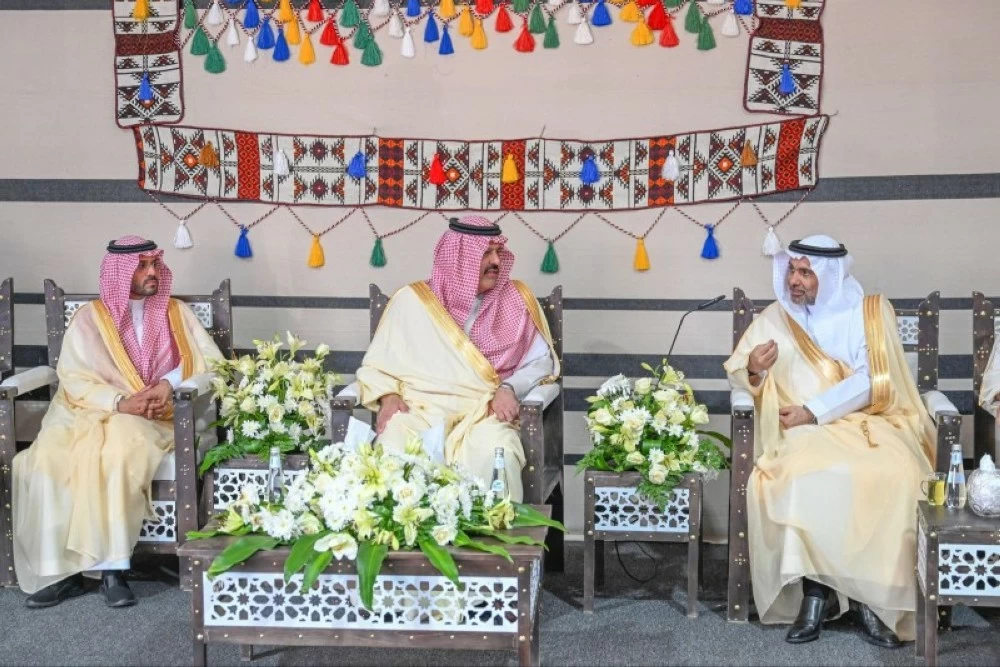
وجاء حديث الوزير خلال حفل تدشين مجموعة من المشاريع الصحية التطويرية اليوم (الأحد)، التي تعمل على دعم منظومة الرعاية الطبية في المنطقة، وتعزيز الخدمات المقدمة للمستفيدين، بما ينسجم مع جهود الوزارة وإمارة المنطقة في الارتقاء بالبنية التحتية الصحية، وتحسين جودة الحياة.
هذا التحول الصحي يأتي متناغماً مع مضامين رؤية 2030، التي وضعها ولي العهد رئيس مجلس الوزراء الأمير محمد بن سلمان، وبدعم مباشر من خادم الحرمين الشريفين الملك سلمان بن عبدالعزيز، الذي أكد أن صحة الإنسان أولى الأولويات.
Health Minister Fahd Al-Jalajel showcased in a field review of health statistics related to the Hail region the extent of the transformation the area has witnessed in recent years, confirming that the current indicators "were not seen in 2016 at all." The improvement included the preventive and therapeutic care system and was linked to the implementation of health policies based on investing in people as a cornerstone of Vision 2030.
The data presented by the minister indicates a sharp decline in road traffic fatalities and a significant reduction in deaths resulting from chronic diseases, with their index dropping from nearly 500 cases to about 300 cases only, a transformation that reflects the effectiveness of public health programs and the improvement of lifestyle in the community.
Figures on beneficiary satisfaction with health services reveal a qualitative leap; the satisfaction level in Hail has risen from 60% in 2016 to 86% today, according to the latest data from the ministry. Al-Jalajel describes this change as "the fruit of investing in human health before any infrastructural expansion."
The Health Minister emphasized that increasing the number of beds or raising the volume of ambulance visits "is not the real goal," adding that the essence of health work lies in ensuring that individuals in Hail live in stable health within their families and communities across all aspects of life.
Hail recorded an indicator considered one of the most significant for quality of life, with an average life expectancy reaching 83.5 years, surpassing the national average and moving towards becoming the region in Saudi Arabia with the highest average life expectancy.
The minister's remarks came during the inauguration of a set of developmental health projects today (Sunday), which aim to support the medical care system in the region and enhance the services provided to beneficiaries, in line with the ministry's and the region's emirate's efforts to elevate health infrastructure and improve quality of life.
This health transformation aligns with the themes of Vision 2030, established by Crown Prince and Prime Minister Mohammed bin Salman, with direct support from the Custodian of the Two Holy Mosques King Salman bin Abdulaziz, who affirmed that human health is a top priority.