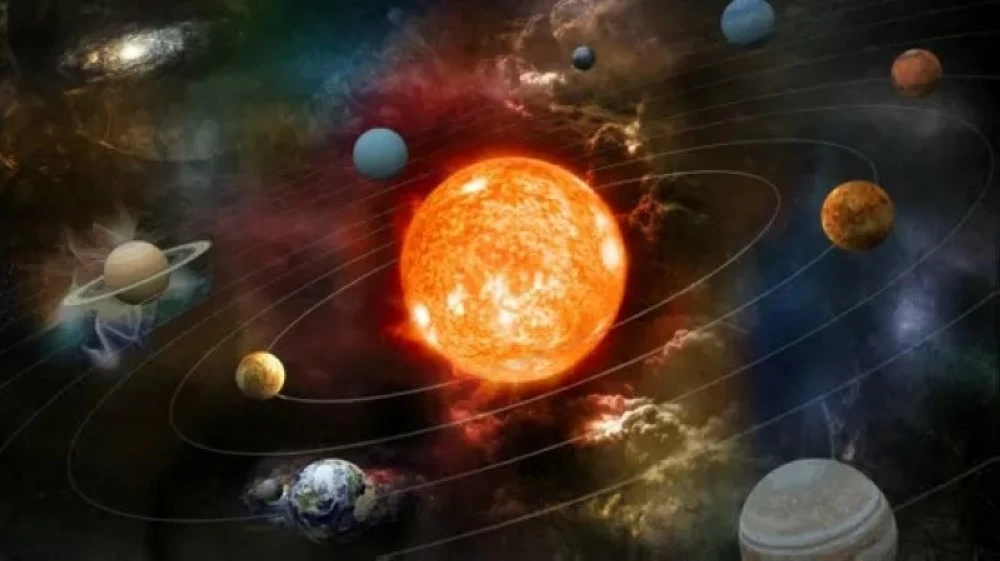
يشهد كوكب عطارد غدا ظاهرة الاقتران الداخلي مع الشمس، عند الساعة 12:23 مساء بتوقيت مكة المكرمة، إذ يعبر عطارد بين الأرض والشمس من منظور الراصد ليصل إلى أقرب نقطة ظاهرية له من الشمس في السماء.
وأوضح رئيس الجمعية الفلكية بجدة المهندس ماجد أبو زاهرة، أن الاقتران يحدث كل 116 يوماً تقريباً، وهو التكرار المعتاد لاقترانات عطارد، ويمثل نهاية ظهوره المسائي وبداية انتقاله تدريجياً للظهور في سماء الفجر خلال الأسابيع اللاحقة، وخلال لحظة الاقتران يبتعد عطارد زاويا عن الشمس بمقدار °0 و32 دقيقة قوسية فقط، كما يجعله غير مرئي تماماً بسبب غمره في شدة لمعان الشمس.
ويقترب في هذا الوقت عطارد من الأرض ليبلغ مسافة نحو 0.68 وحدة فلكية، أي ما يقارب 101.7 مليون كيلومتر، وهي ضمن مسافته الدنيا من الأرض خلال دورته، ويجعل هذا القرب قطره الظاهري يصل إلى نحو 9.9 ثوان قوسية، إلا أن قرصه يكون شبه مظلم لأنه في طور المحاق تقريباً من زاوية الرصد الأرضية فلا ينعكس الضوء على الجانب المواجه لنا.
Tomorrow, the planet Mercury will witness an internal conjunction with the Sun at 12:23 PM Mecca time, as Mercury passes between the Earth and the Sun from the observer's perspective, reaching its closest apparent point to the Sun in the sky.
The head of the Astronomical Society in Jeddah, Engineer Majid Abu Zahra, explained that conjunctions occur approximately every 116 days, which is the usual recurrence for Mercury's conjunctions. This marks the end of its evening appearance and the gradual transition to being visible in the dawn sky over the following weeks. At the moment of conjunction, Mercury is only 0° and 32 arc minutes away from the Sun, making it completely invisible due to being overwhelmed by the Sun's brightness.
At this time, Mercury is approaching Earth, reaching a distance of about 0.68 astronomical units, or approximately 101.7 million kilometers, which is within its minimum distance from Earth during its orbit. This proximity causes its apparent diameter to reach about 9.9 arc seconds; however, its disk appears almost dark because it is nearly in the new moon phase from the Earth's observation angle, so light does not reflect on the side facing us.