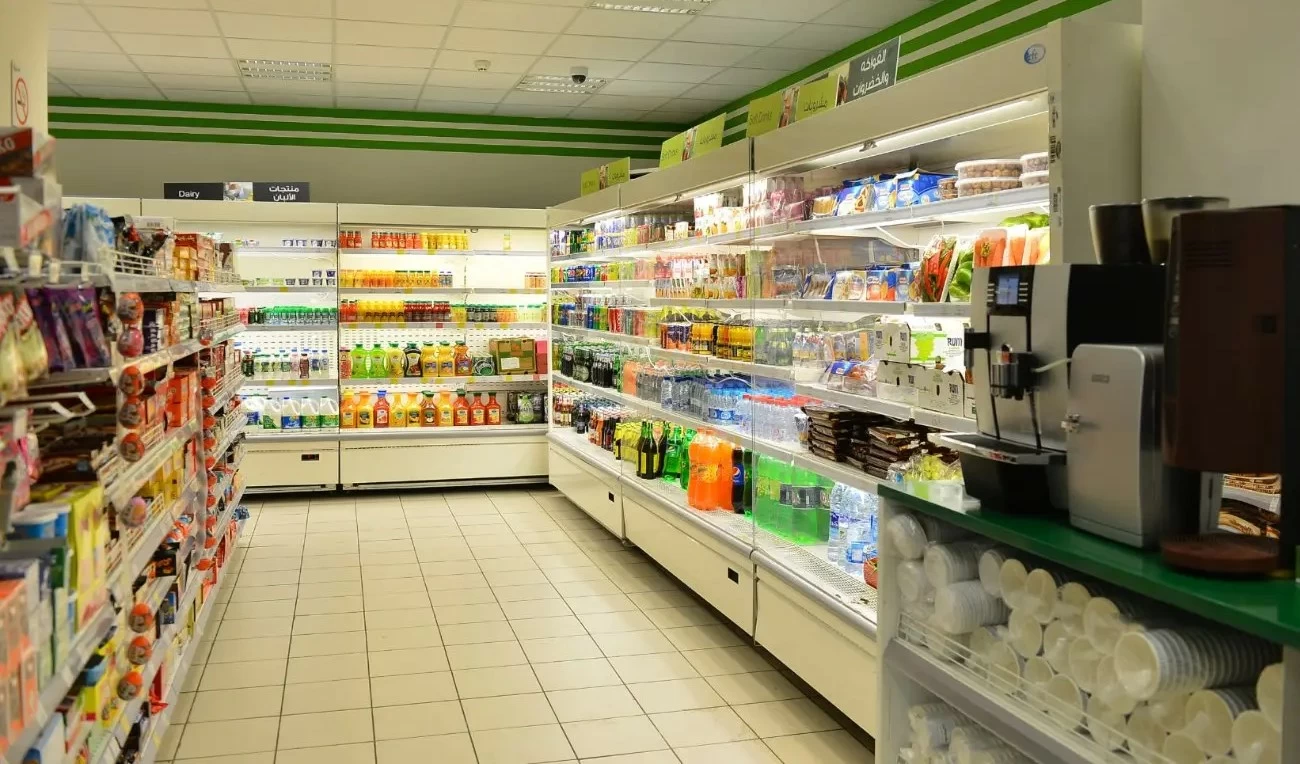
أطلقت وزارة البلديات والإسكان، لائحة اشتراطات محلات العصائر ومنحت المنشآت القائمة مهلة تصحيحية 180 يوماً للمعالجة. وسمحت بإقامتها في مواقف السيارات بالمجمعات التجارية. وشدّدت اللائحة ألا تبقى الأغذية المبردة خارج الثلاجة أكثر من (20) دقيقة أثناء نقلها إلى مكان التخزين على أن تكون منطقة التقديم واضحة لمتلقي الخدمة أو مفصولة بزجاج شفاف ولا تتم تغطيتها أو حجبها ويحظر على المحلات وضع لافتات تحذيرية لمنع الوقوف.
كما تلزم اللائحة المحلات بالتخلص من مكوّنات الأغذية إذا ظهرت عليها أي علامات فساد كتغيير اللون والطعم والرائحة والقوام، وعند انقطاع الكهرباء يجب التخلص من كل الأغذية المبردة التي تعرّضت لدرجة حرارة تتجاوز (4) درجات مئوية لأكثر من ساعتين، ويحظر على العاملين استخدام الألواح الخشبية أو سكاكين بمقابض خشبية في تقطيع الفواكه والخضراوات، وتستبدل بألواح وسكاكين بمقابض مصنوعة من مواد آمنة مثل اللدائن. ويمنع تخزين الأغذية ومكوّنات الأغذية والمعدات ومواد التعبئة في غرف تبديل ملابس العاملين، أو الخزانات الخاصة بهم أو دورات المياه أو الغرف الميكانيكية وفي أماكن تخزين الكيماويات أو المبيدات.
وفي حالات تذوق العاملين للأغذية شدّدت اللائحة على استخدام الأدوات النظيفة والمطهرة ويجب تنظيف الأدوات وتطهيرها فوراً قبل وبعد التذوق، ويُحظر تذوق المنتج نفسه مرتين باستخدام الأدوات نفسها. وفي حال تبيّن للمنشأة الغذائية أن أحد الأغذية أو المكوّنات يُحتمل أن يكون غير آمن أو غير صالح للاستهلاك، فيجب اتخاذ إجراء فوري للسيطرة على المكونات المعيبة والأطباق المحضرة منها وفصل أي منتج معيب متبقٍ.
وألزمت اللائحة المنشأة الغذائية إبلاغ الجهات المختصة في حال إصابة أكثر من موظفين اثنين بالإسهال أو القيء أثناء وجودهم في بيئة العمل.
وألزمت اللائحة العاملين بارتداء الملابس النظيفة التي تؤمّن مظهراً مهنياً لائقاً ويتناسب مع مهامهم وعدم استخدام المنشأة للسكن، ويجب على العاملين في إعداد وتحضير الأغذية ارتداء القفازات ولا يُلزم بها العاملون على الأفران أو مصادر الحرارة العالية.
ويمنع تذوق الأغذية باستخدام الأصابع ولمس الشعر أو أجزاء أخرى من الجسم مثل الأنف أو العين أو الأذن أو ارتداء ساعات اليد أو الحلي واستخدام أدوات التجميل مثل الأظافر أو الرموش الصناعية أو طلاء الأظافر.
The Ministry of Municipalities and Housing has launched a list of requirements for juice shops and granted existing establishments a corrective period of 180 days for compliance. It allowed them to be set up in parking lots of commercial complexes. The regulations emphasized that refrigerated foods should not remain outside the refrigerator for more than (20) minutes during transportation to the storage area, and the serving area should be clearly visible to the service recipient or separated by transparent glass, and it should not be covered or obstructed. Shops are prohibited from placing warning signs to prevent parking.
The regulations also require shops to dispose of food components if they show any signs of spoilage, such as changes in color, taste, smell, or texture. In the event of a power outage, all refrigerated foods that have been exposed to temperatures exceeding (4) degrees Celsius for more than two hours must be discarded. Workers are prohibited from using wooden boards or knives with wooden handles for cutting fruits and vegetables, and these should be replaced with boards and knives with handles made from safe materials such as plastics. It is forbidden to store foods, food components, equipment, and packaging materials in workers' changing rooms, their lockers, restrooms, mechanical rooms, or in chemical or pesticide storage areas.
In cases where workers taste foods, the regulations emphasized the use of clean and sanitized utensils, which must be cleaned and sanitized immediately before and after tasting. Tasting the same product twice using the same utensils is prohibited. If a food establishment determines that any food or components may be unsafe or unfit for consumption, immediate action must be taken to control defective ingredients and dishes prepared from them, and any remaining defective product must be separated.
The regulations require the food establishment to notify the relevant authorities if more than two employees experience diarrhea or vomiting while at work.
The regulations require workers to wear clean clothing that ensures a proper professional appearance suitable for their tasks and prohibits the establishment from being used as accommodation. Workers involved in food preparation and handling must wear gloves, although this is not required for those working at ovens or high heat sources.
Tasting foods using fingers is prohibited, as is touching hair or other body parts such as the nose, eyes, or ears, wearing wristwatches or jewelry, and using cosmetic items such as nails, false eyelashes, or nail polish.