


سجّلت كلية العلوم بجامعة الملك سعود إنجازًا علميًا متميزًا، بإدراج 151 من أعضاء هيئة التدريس والباحثين في مختلف أقسامها العلمية ضمن قائمة أفضل 2% من العلماء الأكثر استشهادًا بأبحاثهم على مستوى العالم لعام 2026، محققةً نموًا ملحوظًا بنسبة تقارب 36% مقارنة بالعام السابق 2025.
ويعكس هذا الإنجاز المكانة العلمية والبحثية التي تتمتع بها كلية العلوم، والجهود المتواصلة التي يبذلها منسوبوها في إنتاج أبحاث علمية رصينة ذات تأثير عالمي، بما يسهم في تعزيز حضور جامعة الملك سعود في التصنيفات والمؤشرات البحثية الدولية.
ويأتي هذا الإعلان ضمن الإصدار التاسع من القائمة السنوية التي تُعدّ استنادًا إلى المنهجية البحثية التي طوّرها البروفيسور جون إيوانيديس من جامعة ستانفورد، بالاعتماد على البيانات العلمية المدرجة في قاعدة بيانات "سكوبوس" (Scopus) حتى الأول من أغسطس 2026.
ويستند التصنيف إلى مجموعة من المؤشرات العلمية المعتمدة لقياس التأثير البحثي، من أبرزها مؤشر h-index، ومؤشر hm-index المعدّل وفقًا للتأليف المشترك، وعدد الاستشهادات العلمية بعد استبعاد الاستشهادات الذاتية، إضافةً إلى المؤشر المركب (c-score) الذي يركز على جودة التأثير العلمي للأبحاث ومدى الاستشهاد بها، بدلًا من الاعتماد على عدد المنشورات العلمية وحده.
ويراعي التصنيف أدوار الباحثين في تأليف الأوراق العلمية، ويشمل 20 مجالًا علميًا رئيسيًا و174 تخصصًا فرعيًا وفق تصنيف (Science-Metrix).
وتشمل القائمة تقييم الأداء البحثي للعلماء على امتداد مسيرتهم العلمية حتى نهاية عام 2025، إلى جانب تقييم الاستشهادات العلمية المسجلة خلال العام ذاته.
ويؤكد هذا الإنجاز استمرار كلية العلوم في تعزيز التميز البحثي ورفع جودة مخرجاتها العلمية، ودورها الفاعل في دعم مستهدفات جامعة الملك سعود نحو الريادة العالمية في البحث العلمي والابتكار، بما ينسجم مع مستهدفات رؤية السعودية 2030.
151 باحثاً من جامعة الملك سعود ضمن أفضل 2% من علماء العالم لعام 2026
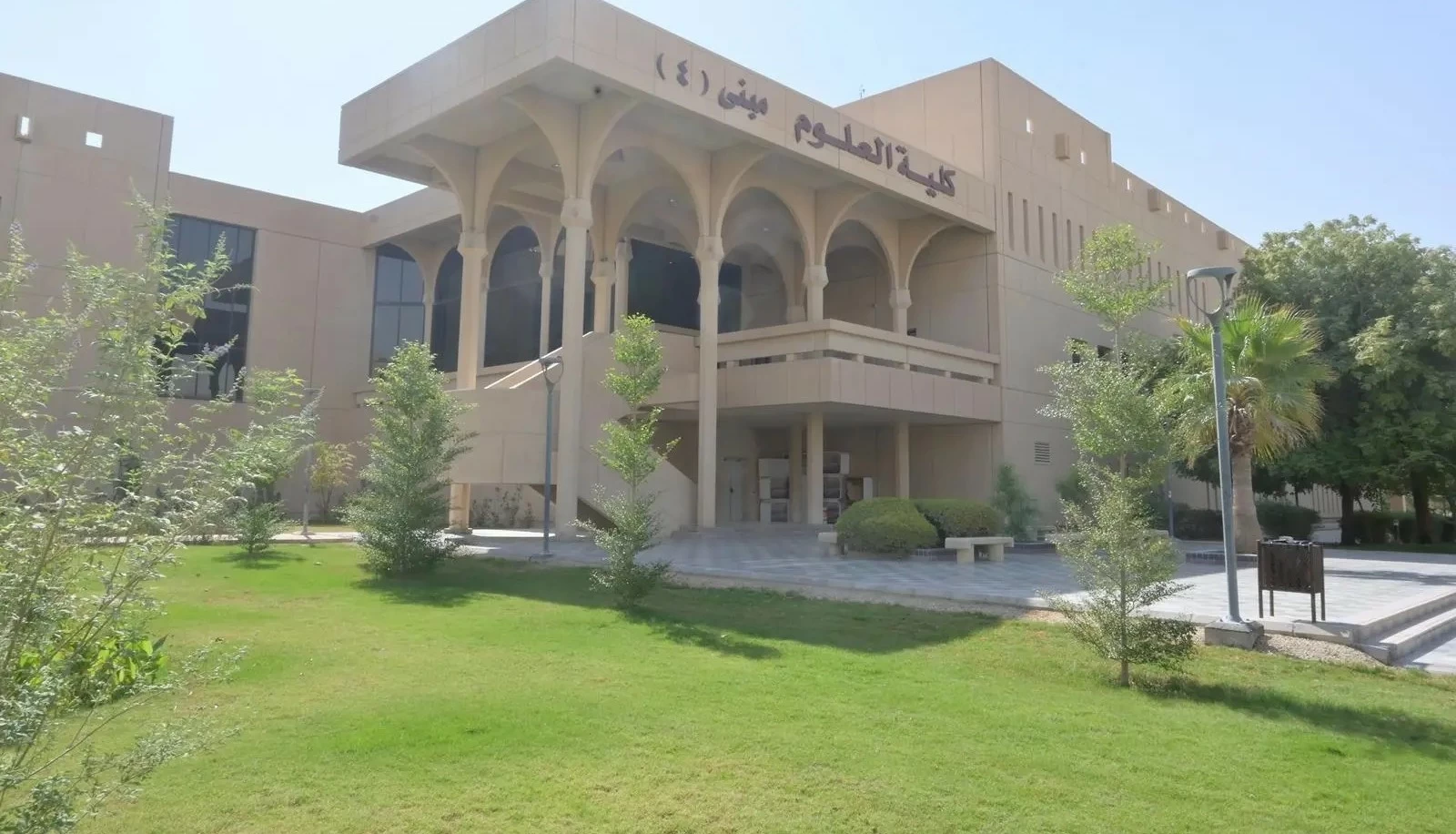


The College of Science at King Saud University has achieved a distinguished scientific accomplishment by including 151 of its faculty members and researchers from various scientific departments in the list of the top 2% of the most cited scientists worldwide for the year 2026, achieving a remarkable growth rate of nearly 36% compared to the previous year, 2025.
This achievement reflects the scientific and research status of the College of Science and the continuous efforts of its members in producing robust scientific research with a global impact, contributing to enhancing the presence of King Saud University in international research rankings and indicators.
This announcement comes as part of the ninth edition of the annual list, which is prepared based on the research methodology developed by Professor John Ioannidis from Stanford University, relying on scientific data included in the "Scopus" database as of August 1, 2026.
The ranking is based on a set of established scientific indicators to measure research impact, among which are the h-index, the hm-index adjusted for co-authorship, and the number of scientific citations after excluding self-citations, in addition to the composite index (c-score) that focuses on the quality of the scientific impact of research and the extent of citations, rather than relying solely on the number of scientific publications.
The ranking takes into account the roles of researchers in authoring scientific papers and includes 20 main scientific fields and 174 sub-disciplines according to the (Science-Metrix) classification.
The list includes an evaluation of the research performance of scientists throughout their scientific careers up to the end of 2025, along with an assessment of the scientific citations recorded during the same year.
This achievement confirms the College of Science's ongoing commitment to enhancing research excellence and improving the quality of its scientific outputs, and its active role in supporting King Saud University's objectives towards global leadership in scientific research and innovation, in alignment with the goals of Saudi Vision 2030.


