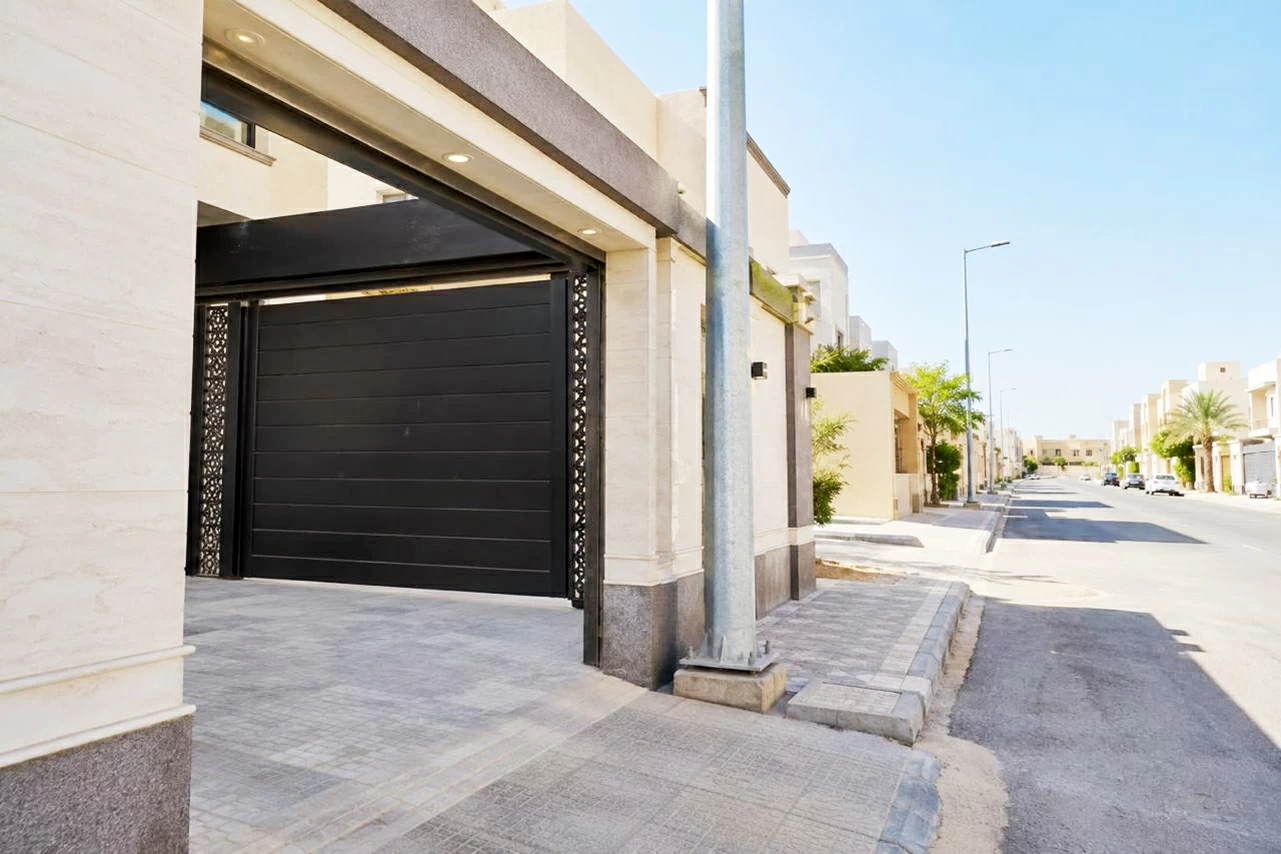
استبعد مشروع «آلية إزاحة أعمدة الإنارة من أمام مداخل منازل السكان» مطالبات بمعالجة أعمدة ملاصقة لجدران المنازل ومداخلها، باعتبارها «تخرج عن أهداف الاستطلاع»، فيما أسهمت مرئيات أخرى في تعديل المشروع، من خلال تحديد مدد زمنية لمعالجة طلبات الإزاحة وتحديث عدد من مسارات الآلية. جاء ذلك، في تقرير ملخص المرئيات والملاحظات ونتائج الاستطلاع على المشروع، الذي طرحته وزارة البلديات والإسكان عبر منصة «استطلاع»، بهدف إزالة العوائق أمام مداخل المنازل، وتعزيز السلامة وسهولة الوصول، مع المحافظة على كفاءة شبكة الإنارة العامة وفق الضوابط الفنية والأنظمة المعتمدة. وسجل التقرير 13 مرئية بمشاركة 11 مشاركاً، منها 3 مرئيات لجهات حكومية و10 مرئيات للعموم. ونُشرت المرئيات الحكومية الثلاث، مقابل نشر 8 مرئيات للعموم، فيما لم تُنشر مرئيتان. وأظهرت النتائج الأخذ بمرئيتين حكوميتين وعدم الأخذ بواحدة، فيما أُخذ بـ4 مرئيات للعموم، ولم يؤخذ بـ4 أخرى، دون تسجيل أي مرئية أُخذ بها جزئياً. ومن أبرز المطالبات المستبعدة، مرئية مواطن دعا فيها إلى معالجة عمود إنارة ملاصق لجدار منزله وأبواب المداخل، موضحاً أن موقعه يشكل عائقاً أمام الدخول والخروج، ويؤثر على الحركة والسلامة اليومية. غير أن الجهة أوضحت، أن الملاحظة «تخرج عن أهداف الاستطلاع». كما استبعدت مرئية أخرى تناولت إسهام المشروع التنظيمي في رفع جودة الحياة وإزالة العوائق أمام حركة السكان، وتعزيز سلامة المداخل الخارجية والداخلية للمنازل، للسبب ذاته. مدد زمنية للمعالجة في المقابل، أخذ المشروع بمرئية طالبت بتحديد مدة زمنية لدراسة طلبات الإزاحة تتراوح بين 30 و60 يوماً، مراعاة لارتباط أعمال البناء والتصميم بتصاريح وموافقات مسبقة.
الاعتراض والتظلم عند رفض الطلب
وأوضح التقرير، أنه جرى تحديد مدد زمنية في جميع مسارات الآلية، للحد من تأخر معالجة الطلبات. وشملت التعديلات تحديث «المسار الثاني» وفق الشروط والمواصفات الواردة في كود الطرق السعودي، إلى جانب تعديل «المسار الثالث»، بما يتوافق مع الأحكام ذات العلاقة، ومنها اشتراط عدم إعاقة أعمدة الإنارة حركة المشاة وتدفقهم. وتضمنت المرئيات أيضاً، المطالبة بوضع آلية واضحة للاعتراض أو التظلم عند رفض طلب الإزاحة، مع توضيح الأسباب الفنية أو التخطيطية للرفض، وإتاحة إعادة النظر في القرار. وأظهر التقرير، الأخذ بهذه الملاحظة ضمن النسخة المحدثة من الآلية. وأكدت المخرجات النهائية للاستطلاع، الاستفادة من المرئيات الواردة وتحديث المشروع وفقاً لها، على أن يُرفع إلى جهة الاختصاص خلال 10 أيام، فيما أشارت إلى وجود ملاحظات جوهرية تستكمل بشأنها الإجراءات النظامية.
The project "Mechanism for Relocating Streetlight Poles from the Entrances of Residents' Homes" excluded requests to address poles adjacent to the walls and entrances of homes, considering them "outside the objectives of the survey." Meanwhile, other observations contributed to modifying the project by specifying timeframes for addressing relocation requests and updating several pathways of the mechanism. This was stated in the summary report of observations and comments and the results of the survey on the project, which was launched by the Ministry of Municipalities and Housing through the "Survey" platform, aiming to remove obstacles in front of home entrances, enhance safety and accessibility, while maintaining the efficiency of the public lighting network according to the approved technical standards and regulations. The report recorded 13 observations with the participation of 11 participants, including 3 observations from government entities and 10 observations from the public. The three government observations were published, compared to 8 observations from the public, while two observations were not published. The results showed that two government observations were accepted while one was not, and four public observations were accepted while four others were not, with no observations being partially accepted. Among the most notable excluded requests was an observation from a citizen who called for addressing a streetlight pole adjacent to the wall of his house and entrance doors, explaining that its location poses an obstacle to entering and exiting, affecting daily movement and safety. However, the entity clarified that the observation "falls outside the objectives of the survey." Another observation discussing the project's contribution to improving quality of life and removing obstacles to residents' movement, as well as enhancing the safety of external and internal entrances to homes, was excluded for the same reason. Timeframes for processing In contrast, the project accepted an observation requesting a specified timeframe for studying relocation requests ranging from 30 to 60 days, considering the connection of construction and design works to prior permits and approvals.
Objection and Appeal Upon Request Rejection
The report clarified that timeframes were set in all pathways of the mechanism to limit delays in processing requests. The modifications included updating "Pathway Two" according to the conditions and specifications outlined in the Saudi Road Code, in addition to amending "Pathway Three" to align with the relevant provisions, including the requirement that streetlight poles do not obstruct pedestrian movement and flow. The observations also included a call for establishing a clear mechanism for objection or appeal in case of request rejection, with clarification of the technical or planning reasons for the rejection, and allowing for reconsideration of the decision. The report showed that this observation was incorporated into the updated version of the mechanism. The final outcomes of the survey confirmed the benefit from the submitted observations and the updating of the project accordingly, to be submitted to the relevant authority within 10 days, while indicating that there are substantial observations for which regulatory procedures will be completed.