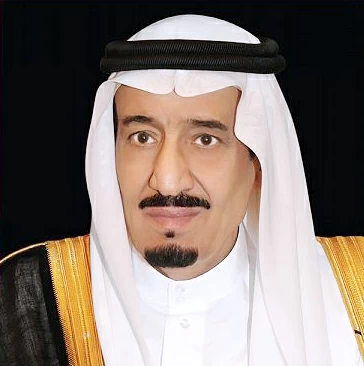
تحت رعاية خادم الحرمين الشريفين الملك سلمان بن عبدالعزيز، ونيابةً عنه، يفتتح أمير منطقة الرياض الرئيس الفخري لمنتدى الرياض الاقتصادي الأمير فيصل بن بندر بن عبدالعزيز، اليوم، أعمال الدورة الثانية عشرة للمنتدى، بحضور عدد من المسؤولين والخبراء والمختصين وممثلي القطاعين العام والخاص.
ويناقش المنتدى خمس دراسات اقتصادية وتنموية، تتناول توظيف الذكاء الاصطناعي وتقنيات الزراعة الذكية لتعزيز الأمن الغذائي والمائي، ونقل المعرفة وتوطين الخبرات لدى الكوادر الوطنية، وأسباب الازدحام المروري في المدن الكبرى والحلول المقترحة لمعالجته.
كما تتناول الدراسات قياس أثر التشريعات والسياسات العامة في دعم التنمية المستدامة وتحقيق مستهدفات رؤية السعودية 2030، وتعظيم العوائد الاقتصادية والاجتماعية من استضافة المملكة معرض إكسبو 2030 وكأس العالم 2034، بما يدعم الاستثمار والمحتوى المحلي وتنويع الاقتصاد ويوسع فرص القطاع الخاص.
ويواصل المنتدى، منذ انطلاقه عام 2003، بحث القضايا الاقتصادية والتنموية ذات الأولوية، من خلال الدراسات المتخصصة ومشاركة الخبراء والأكاديميين وصناع القرار وممثلي القطاع الخاص، وتقديم التوصيات والمبادرات الداعمة للاقتصاد الوطني وصناعة القرار.
Under the patronage of the Custodian of the Two Holy Mosques, King Salman bin Abdulaziz, and on his behalf, the Governor of Riyadh Region and Honorary President of the Riyadh Economic Forum, Prince Faisal bin Bandar bin Abdulaziz, will inaugurate today the twelfth session of the forum, in the presence of a number of officials, experts, specialists, and representatives from the public and private sectors.
The forum will discuss five economic and developmental studies, addressing the employment of artificial intelligence and smart agriculture technologies to enhance food and water security, knowledge transfer, and the localization of expertise among national cadres, as well as the causes of traffic congestion in major cities and proposed solutions to address it.
The studies will also examine the impact of legislation and public policies in supporting sustainable development and achieving the targets of Saudi Vision 2030, maximizing the economic and social returns from hosting Expo 2030 and the 2034 World Cup, which supports investment, local content, economic diversification, and expands opportunities for the private sector.
Since its inception in 2003, the forum has continued to address priority economic and developmental issues through specialized studies and the participation of experts, academics, decision-makers, and representatives of the private sector, providing recommendations and initiatives that support the national economy and decision-making.