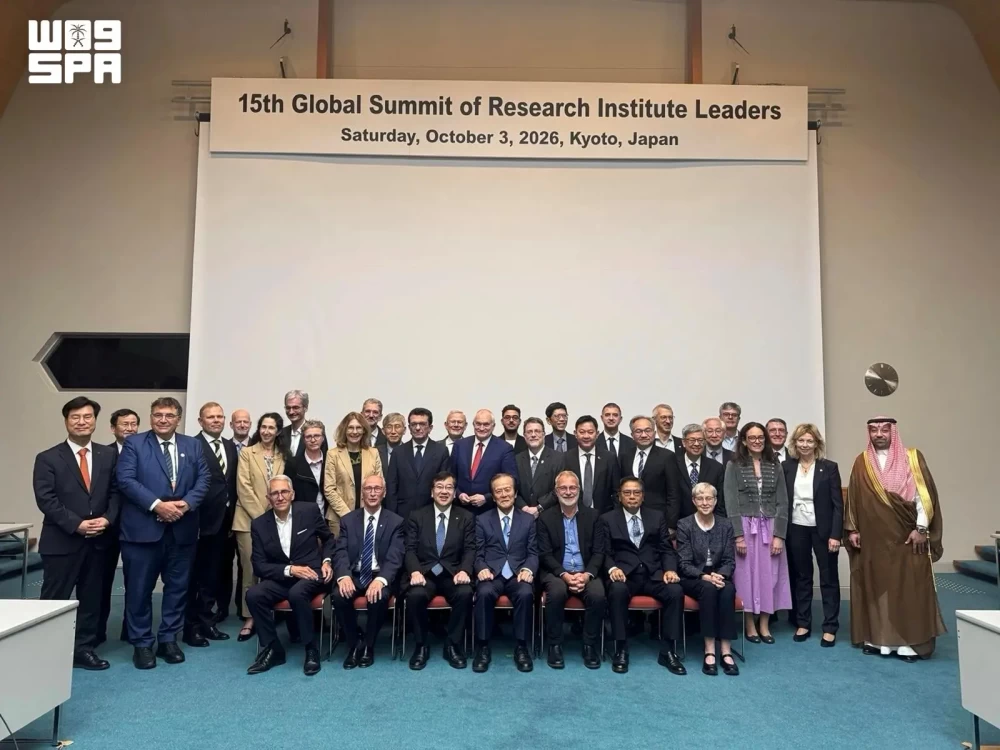
شاركت السعودية في اجتماع قادة المؤسسات البحثية، المنعقد في مدينة كيوتو اليابانية على هامش منتدى العلوم والتقنية في المجتمع (STS)، الذي جمع قادة 33 مؤسسة بحثية عالمية، لمناقشة التحولات التي يُحدثها الذكاء الاصطناعي في منظومة البحث العلمي ومستقبل إنتاج المعرفة.
ومثّل المملكة في الاجتماع رئيس مدينة الملك عبدالعزيز للعلوم والتقنية «كاكست»، محافظ هيئة تنمية البحث والتطوير والابتكار المكلّف الدكتور منير محمود الدسوقي، الذي انضم إلى عضوية مجلس منتدى STS، في خطوة تعكس الحضور المتنامي للمملكة في المنصات العلمية والتقنية الدولية، وتعزز مشاركتها في الحوارات المرتبطة بمستقبل البحث والابتكار والتقنيات الناشئة.
وناقش الاجتماع، الذي عُقد تحت عنوان «نزاهة وانفتاح الذكاء الاصطناعي»، الفرص التي يتيحها الذكاء الاصطناعي لتسريع الاكتشاف والبحث العلمي، وما يصاحب ذلك من تحديات تتعلق بموثوقية المعرفة، والوصول إلى القدرات الحوسبية والبنى التحتية المتقدمة، وسيادة البيانات، وانفتاح النماذج، وحماية الإسهامات الفكرية للباحثين.
واختتم قادة المؤسسات البحثية اجتماعهم بإصدار بيان مشترك أكد أهمية تطوير منظومة علمية تستفيد من الإمكانات المتقدمة للذكاء الاصطناعي، مع المحافظة على نزاهة البحث وانفتاحه، وتعزيز التعاون الدولي بما يضمن استفادة أوسع وأكثر عدالة من الأدوات والقدرات العلمية الحديثة.
كما أكد البيان أهمية تحقيق التوازن بين سيادة البيانات وانفتاح نماذج الذكاء الاصطناعي، في ظل تنامي الاعتماد على البيانات والقدرات الحوسبية في البحث العلمي، مشددًا على أهمية توسيع فرص الوصول إلى البنى التحتية البحثية المتقدمة؛ بما يسهم في الحد من الفجوات بين المؤسسات والمجتمعات العلمية.
كما تناول البيان أثر الذكاء الاصطناعي في طبيعة الاكتشاف العلمي، وأهمية الحفاظ على الاعتراف العادل بالإسهامات الفكرية للباحثين، وضمان بقاء الإنسان في صميم عملية البحث والإبداع، بما يجعل الذكاء الاصطناعي أداة تعزز قدرات العلماء، ولا تحل محل الفضول والتفكير والإبداع البشري.
وشدد القادة على أن التطور المتسارع للذكاء الاصطناعي يتطلب تعاونًا دوليًا أعمق بين المؤسسات البحثية، ووضع مبادئ تعزز النزاهة والانفتاح والثقة في استخدامه، بما يدعم البحث المسؤول ويسهم في توجيه التقنية نحو خدمة الإنسان والمجتمع.
وتأتي مشاركة المملكة في الاجتماع امتدادًا لحضورها المتقدم في منظومة البحث والتطوير والابتكار عالميًا، وإسهامها في الحوارات الدولية المرتبطة بمستقبل العلوم والتقنيات الناشئة، وتعزيز الشراكات مع المؤسسات البحثية الرائدة، بما يدعم بناء منظومة علمية أكثر انفتاحًا وموثوقية واستعدادًا للتحولات المستقبلية.
Saudi Arabia participated in a meeting of leaders of research institutions, held in Kyoto, Japan, on the sidelines of the Science and Technology in Society (STS) Forum, which brought together leaders from 33 global research institutions to discuss the transformations brought about by artificial intelligence in the scientific research ecosystem and the future of knowledge production.
The Kingdom was represented at the meeting by the President of King Abdulaziz City for Science and Technology (KACST), the Acting Governor of the Research, Development, and Innovation Authority, Dr. Munir Mahmoud Al-Dosouqi, who joined the STS Forum's council, reflecting the Kingdom's growing presence in international scientific and technological platforms and enhancing its participation in discussions related to the future of research, innovation, and emerging technologies.
The meeting, held under the title "Integrity and Openness in Artificial Intelligence," discussed the opportunities that artificial intelligence offers to accelerate discovery and scientific research, along with the challenges related to the reliability of knowledge, access to computational capabilities and advanced infrastructure, data sovereignty, model openness, and the protection of researchers' intellectual contributions.
The leaders of the research institutions concluded their meeting by issuing a joint statement emphasizing the importance of developing a scientific system that leverages the advanced capabilities of artificial intelligence while maintaining the integrity and openness of research, and enhancing international cooperation to ensure broader and fairer access to modern scientific tools and capabilities.
The statement also highlighted the importance of achieving a balance between data sovereignty and the openness of artificial intelligence models, in light of the increasing reliance on data and computational capabilities in scientific research, stressing the need to expand access to advanced research infrastructures to help reduce gaps between institutions and scientific communities.
Additionally, the statement addressed the impact of artificial intelligence on the nature of scientific discovery, the importance of ensuring fair recognition of researchers' intellectual contributions, and the necessity of keeping humans at the core of the research and innovation process, making artificial intelligence a tool that enhances scientists' capabilities rather than replacing human curiosity, thinking, and creativity.
The leaders emphasized that the rapid development of artificial intelligence requires deeper international cooperation among research institutions and the establishment of principles that promote integrity, openness, and trust in its use, supporting responsible research and guiding technology to serve humanity and society.
The Kingdom's participation in the meeting is an extension of its advanced presence in the global research, development, and innovation ecosystem, contributing to international dialogues related to the future of science and emerging technologies, and enhancing partnerships with leading research institutions, thereby supporting the construction of a more open, reliable, and future-ready scientific system.