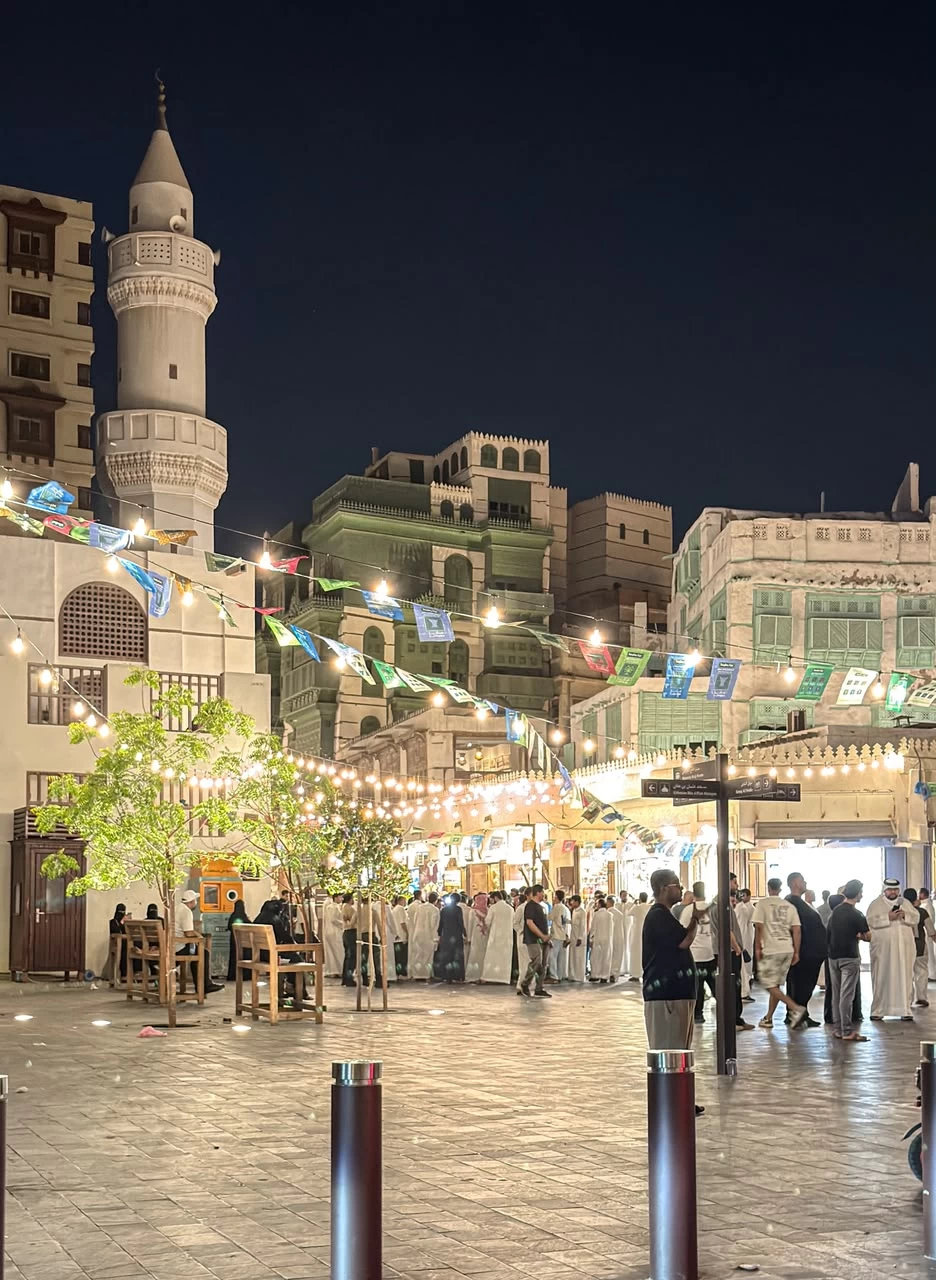
إبراهيم العلوي (جدة) i_waleeed22@ تصوير مديني عسيري.
شكّلت مدينة جدة التاريخية محطة بارزة لزوار المدينة من مختلف دول الخليج، وأتاحت لهم فرصة التعرف على إرثها التاريخي والثقافي، والاطلاع على موروثها العمراني الذي تتميز به، وما تضمه من مبانٍ تاريخية وممرات تراثية تعكس عمق المكانة الحضارية لجدة، بوصفها بوابة للحرمين الشريفين، وموقعًا مدرجًا على قائمة التراث العالمي لليونسكو.
وظلت جدة، التي توصف بـ«عروس البحر الأحمر»، حاضنةً لأهلها وزوارها والمقيمين فيها عبر تاريخها الممتد، منذ عهد الخليفة الراشد عثمان بن عفان، وقبل إعلانها ميناءً بحريًا لمكة المكرمة عام 647 ميلادية.
الحركة السياحية والثقافية التي صاحبت بطولة «خليجي 27» أسهمت في إبراز ما تتمتع به جدة التاريخية.
جذور في أعماق التاريخ
وتضرب جدة التاريخية بجذورها في أعماق التاريخ، إذ تحمل بيوتها وأسواقها وطرقها وأزقتها شواهد متعددة على المراحل التي مرت بها المدينة، فيما شهدت المنطقة خلال الأيام الماضية إقبالًا كبيرًا من جماهير دول الخليج المتواجدة في المحافظة لمتابعة منافسات «خليجي 27». وأسهمت البطولة في تعزيز الحركة السياحية والثقافية، وكانت جدة التاريخية في مقدمة الوجهات التي استقطبت الزوار، إذ اكتظت أسواقها القديمة ومتاحفها المتنوعة بالجماهير.
وازدانت الممرات التاريخية بحركة الزوار الذين استمتعوا بالفعاليات الثقافية والفنية التي تحتضنها جدة، لتبرز أمامهم المقومات السياحية والثقافية المتنوعة التي تزخر بها المنطقة، والتي تجمع بين أصالة المكان وثراء التراث والأنشطة الترفيهية، بما يثري تجربة الزائر ويمنحه فرصة للتعرف على تاريخ المدينة وهويتها الثقافية.
أبرز المحطات الجاذبة للزوار
البيوت الأثرية كانت من أبرز المحطات التي جذبت الزوار، بما تتميز به من رواشين خشبية وتفاصيل معمارية حجازية تعكس نمط البناء الذي عرفت به جدة عبر تاريخها. وأتاحت هذه البيوت للزائرين التعرف على جوانب من الحياة الاجتماعية والتجارية التي عاشتها المدينة، وما شهدته من حركة اقتصادية وثقافية بحكم موقعها ومكانتها.
وتمثل البيوت الأثرية في جدة التاريخية نموذجًا مميزًا للفن المعماري والهندسي، إذ يعود تاريخ بعضها إلى 500 عام أو أكثر. ومن أشهرها دار آل نصيف ودار آل جمجوم في حارة اليمن، ودار آل باعشن وآل قابل ومسجد الشافعي في حارة المظلوم، ودار آل باناجة وآل الزاهد في حارة الشام، فيما بقي عدد من هذه المباني قائمًا بحالة جيدة، مستفيدًا من متانة البناء والأساليب المعمارية التي شُيدت بها.
وحضرت المساجد التاريخية ضمن اهتمامات الزوار، فتوافدوا إلى جامع الشافعي «الجامع العتيق»، ومسجد عثمان بن عفان «الأبنوس»، ومسجد المعمار، ومسجد عكاش، ومسجد الباشا، وهي مساجد تعكس جانبًا من العمارة التقليدية في جدة التاريخية.
وشُيدت هذه المباني باستخدام مواد البناء المحلية، ومنها الحجر المنقبي والحجر الجيري المرجاني المستخرج من البحر الأحمر والممزوج بالطين البحري، إلى جانب استخدام الأخشاب المزخرفة في الأسقف والنوافذ، ومنها خشب الجوز والأبنوس، فيما تميزت مآذنها وقبابها بطابع معماري عتيق يعكس هوية المنطقة التاريخية.
ازدانت الممرات التاريخية بحركة الزوار الذين استمتعوا بالفعاليات الثقافية والفنية.
معارض ومقتنيات وبرامج
وشكل بيت نصيف، الذي يتوسط جدة التاريخية، علامة بارزة في جولات الزوار، إذ احتضن عددًا من الجماهير التي حرصت على اكتشاف تفاصيل المكان وما يمثله من قيمة تاريخية ومعمارية. كما شهدت المراكز والوجهات الثقافية حضورًا من جماهير البطولة، وأتاحت لهم التعرف على المعارض والمقتنيات والبرامج المعرفية التي تستعرض تاريخ جدة ومكانتها بوصفها بوابة للحرمين الشريفين وملتقى للثقافات القادمة إليها من مناطق مختلفة.
وامتدت جولات جماهير «خليجي 27» إلى المقاهي الثقافية التي تجمع بين الطابع المعاصر والهوية التراثية، لتوفر مساحة يلتقي فيها المشجعون بعيدًا عن أجواء المباريات، ويتبادلون الأحاديث والانطباعات حول منافسات البطولة وتجربتهم في جدة، في مشهد عكس تنوع الخيارات التي توفرها المدينة لزوارها.
فعاليات ثقافية وأنشطة ترفيهية
وأسهمت الحركة السياحية والثقافية التي صاحبت بطولة «خليجي 27» في إبراز ما تتمتع به جدة التاريخية من مقومات تجعلها وجهة جاذبة للزوار، من خلال الجمع بين التاريخ والتراث والفعاليات الثقافية والأنشطة الترفيهية.
وتأتي هذه الحفاوة بالزوار امتدادًا للجهود المتواصلة لترسيخ حضور جدة التاريخية وجهةً ثقافية وسياحية عالمية، عبر المحافظة على هويتها التاريخية وموروثها العمراني، مع مواكبة متطلبات التنمية الحديثة، بما يدعم استدامة المنطقة ويعزز حضورها في المشهد الثقافي والسياحي الوطني.
Jeddah's historic city has become a prominent stop for visitors from various Gulf countries, allowing them the opportunity to learn about its historical and cultural heritage, and to explore its architectural legacy characterized by historical buildings and heritage corridors that reflect the deep civilizational status of Jeddah, as it serves as the gateway to the two holy mosques and is a UNESCO World Heritage site.
Jeddah, often referred to as the "Bride of the Red Sea," has been a welcoming home for its residents, visitors, and expatriates throughout its long history, dating back to the era of the Rightly Guided Caliph Uthman ibn Affan, and even before it was declared a seaport for Mecca in 647 AD.
الحركة السياحية والثقافية التي صاحبت بطولة «خليجي 27» أسهمت في إبراز ما تتمتع به جدة التاريخية.
Roots Deep in History
Jeddah's historical area has roots that stretch deep into history, as its houses, markets, streets, and alleys bear multiple witnesses to the stages the city has gone through. Recently, the region witnessed a significant influx of crowds from Gulf countries present in the province to follow the competitions of "Gulf 27." The tournament contributed to enhancing tourism and cultural movement, with historic Jeddah being one of the main destinations attracting visitors, as its old markets and diverse museums were crowded with people.
The historical corridors were adorned with the movement of visitors who enjoyed the cultural and artistic events hosted in Jeddah, showcasing the diverse tourism and cultural components that the region boasts, which combine the authenticity of the place with the richness of heritage and recreational activities, enriching the visitor's experience and providing them the opportunity to learn about the city's history and cultural identity.
Key Attractions for Visitors
The historical houses were among the most prominent stops that attracted visitors, characterized by their wooden "rawashin" and Hijazi architectural details that reflect the building style known in Jeddah throughout its history. These houses allowed visitors to learn about aspects of the social and commercial life that the city experienced, as well as the economic and cultural movement due to its location and status.
The historical houses in Jeddah represent a distinctive model of architectural and engineering art, with some dating back 500 years or more. Among the most famous are the Al-Naseef House and Al-Jamjoom House in the Yemen neighborhood, Al-Ba'ashan House and Al-Qabil House and Al-Shafi'i Mosque in the Al-Mazloom neighborhood, and Al-Banajah House and Al-Zahid House in the Al-Sham neighborhood, with several of these buildings remaining in good condition, benefiting from the durability of the construction and the architectural methods used.
Historical mosques were also of interest to visitors, who flocked to Al-Shafi'i Mosque "the ancient mosque," Uthman ibn Affan Mosque "the ebony mosque," Al-Mi'mar Mosque, Al-Okaash Mosque, and Al-Basha Mosque, which reflect a side of traditional architecture in historic Jeddah.
These buildings were constructed using local building materials, including the "Maqbuli" stone and coral limestone extracted from the Red Sea and mixed with marine clay, along with the use of decorative woods in ceilings and windows, such as walnut and ebony, while their minarets and domes featured an ancient architectural style reflecting the historical identity of the region.
ازدانت الممرات التاريخية بحركة الزوار الذين استمتعوا بالفعاليات الثقافية والفنية.
Exhibitions, Artifacts, and Programs
Bayt Naseef, located in the heart of historic Jeddah, has become a notable landmark in visitor tours, hosting a number of crowds eager to discover the details of the place and its historical and architectural value. Cultural centers and destinations also saw attendance from tournament audiences, allowing them to learn about exhibitions, artifacts, and knowledge programs that showcase Jeddah's history and its significance as a gateway to the two holy mosques and a meeting point for cultures coming from various regions.
The tours of "Gulf 27" audiences extended to cultural cafes that blend contemporary style with heritage identity, providing a space for fans to meet away from the match atmosphere, exchanging conversations and impressions about the tournament and their experiences in Jeddah, reflecting the diversity of options the city offers its visitors.
Cultural Events and Recreational Activities
The tourism and cultural movement accompanying the "Gulf 27" tournament highlighted what historic Jeddah has to offer, making it an attractive destination for visitors by combining history, heritage, cultural events, and recreational activities.
This warm welcome for visitors is a continuation of ongoing efforts to establish historic Jeddah as a global cultural and tourist destination, while preserving its historical identity and architectural heritage, in line with modern development requirements, supporting the sustainability of the region and enhancing its presence in the national cultural and tourism scene.