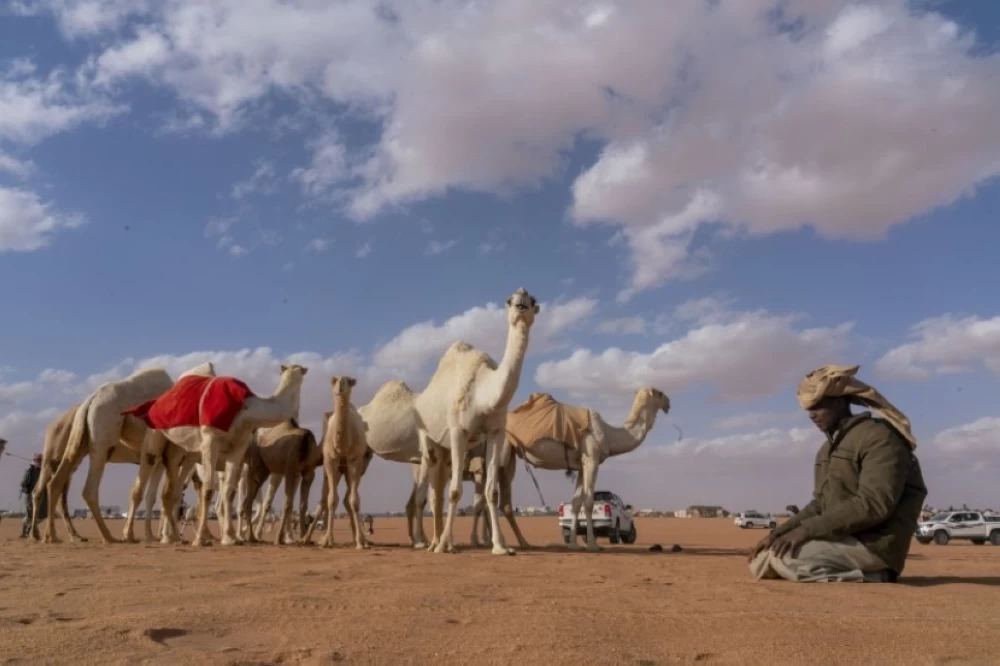
كشفت وزارة البيئة عن الضوابط التنظيمية للمتاجرة بالإبل، تضمنت منع إغاظة الإبل في الأسواق والمعارض واحترام خصوصيتها، وعدم رفع الأصوات وتعمد إزعاج الإبل، إضافة إلى استخدام الدفع الإلكتروني.
وتضمنت الضوابط التنظيمية للمتاجرة بالإبل، إطارًا متكاملًا لعمليات بيع وشراء وتأجير ومقايضة الإبل في السعودية بما يعزز توثيق الملكيات وحماية حقوق الأطراف، ويرسخ متطلبات الصحة الحيوانية والرفق بالإبل.
وحددت الضوابط المفاهيم المرتبطة بتجارة الإبل، أبرزها مالك الإبل، وشهادة الملكية، وترقيم الإبل، والشهادة الصحية البيطرية، وعقد البيع، والأسواق الموسمية، والمزادات، والتأجير والمقايضة، إلى جانب تحديد دور المنصة الإلكترونية المعتمدة في تسجيل وإدارة بيانات الإبل وعمليات نقل الملكية.
النوع والسلالة والاسم
تسري الأحكام على الأفراد والكيانات المرتبطة ببيع وشراء وتداول الإبل، مع مراعاة أحكام نظام المعاملات المدنية والأنظمة الأخرى ذات الصلة. فيما يتعلق بعقود البيع، اشترطت الضوابط صحة التراضي بين الطرفين وتحديد الإبل محل البيع والثمن بصورة واضحة، مع اشتراط أن تكون الإبل موجودة ومعلومة لدى المتعاقدين، وأن تحدد بياناتها الأساسية، ومنها النوع والسلالة والجنس والاسم والوزن والعمر والحالة الصحية واللون والمواصفات ذات العلاقة.
وشملت الضوابط نموذجًا لبيانات الإبل ومواصفاتها، يشمل الرقم التسلسلي للشريحة الإلكترونية، ورقم جواز السفر، وشهادة الملكية، والبطاقة الصحية البيطرية، إلى جانب البيانات المتعلقة بالعمر والوزن والحالة الصحية والقدرات الإنتاجية والتكيفية.
خلوها من الحقوق غير المعلنة
ألزمت الضوابط البائع باتخاذ الإجراءات اللازمة لنقل الملكية، وتسليم الإبل بالحالة المتفق عليها، وضمان خلوها من الحقوق غير المعلنة للغير، إضافة إلى ضمان العيوب التي تنقص من قيمتها أو منفعتها وفق الحالات المنصوص عليها، مع التأكيد على الإفصاح عن الأمراض والتحصينات والالتزامات المرتبطة بالإبل.
وبينت الوزارة ضوابط إقامة مزادات الإبل المؤقتة خارج أسواق النفع العام، مع إلزام الجهات المنظمة بالتقيد بالاشتراطات التي تصدرها الوزارة، ونقل ملكية الإبل المباعة وفق الإجراءات النظامية، ومنع بيع الإبل غير المستوفية لبرامج التحصين المعتمدة. وحظرت عرض أو بيع الإبل التي تظهر عليها علامات الإجهاد أو الأعراض المرضية، مع ضرورة عزلها، وتشترط استخدام وسائل الدفع الإلكتروني وتسجيل الجهات المشاركة في المزادات، بما في ذلك ملاك الإبل والجمعيات التعاونية ومقدمو الخدمات ووسائل النقل.
منع الضجيج
الوزارة حددت شروط المبيع في أن يكون موجودًا وقت إبرام العقد، والمقصود بالوجود أي أن تكون الإبل موجودة وقت انعقاد البيع وإلى ما بعد ذلك، ضابط الوجود هو عدم هلاك الإبل بعد إبرام العقد، والمقصود بهلاكها موتها بمرض أو فقد أعضائها أو غير ذلك، إذا لحق المبيع (الإبل المُباعة) هالك بعد إبرام العقد فُسخ العقد، ذلك ما لم يقع الهالك بعد تسليم الإبل للمشتري، وللمشتري حق الرجوع بالتعويض على المتسبب بالهالك، أو طلب الفسخ في الجزء الذي هلك فقط.
كما اشترطت أن يُقر البائع أن الإبل المُباعة خالية من الأمراض ومستوفية جميع التحصينات ومن أي التزامات أو أي حق للغير.
ولا يضمن البائع العيب في حالات منها إذا كان المشتري يعلم بالعيب وقت البيع من الشهادة الصحية للإبل مثلًا، أو كان يستطيع أن يتبينه بنفسه لو فحص الإبل بعناية الشخص المعتاد، وإذا كان العيب مما جرى العُرف لتجار الإبل على التسامح فيه.
وحددت القواعد الآداب العامة في المعارض والأسواق ويُمنع إغاظة الإبل، واحترام خصوصيته، ترك مسافة حول الإبل، عدم رفع الأصوات وتعمد إزعاج الإبل، عدم إلقاء القاذورات ونظافة المكان.
The Ministry of Environment has revealed the regulatory controls for trading camels, which include prohibiting the harassment of camels in markets and exhibitions, respecting their privacy, avoiding loud noises and intentionally disturbing the camels, in addition to using electronic payment.
The regulatory controls for trading camels include a comprehensive framework for the buying, selling, leasing, and exchanging of camels in Saudi Arabia, which enhances the documentation of ownership and protects the rights of the parties involved, while reinforcing animal health requirements and the welfare of camels.
The regulations define concepts related to camel trade, most notably the camel owner, ownership certificate, camel numbering, veterinary health certificate, sales contract, seasonal markets, auctions, leasing, and exchange, in addition to defining the role of the approved electronic platform in registering and managing camel data and ownership transfer processes.
Type, Breed, and Name
The provisions apply to individuals and entities involved in the buying, selling, and trading of camels, taking into account the provisions of the Civil Transactions System and other relevant regulations. Regarding sales contracts, the regulations require the validity of mutual consent between the parties and the clear specification of the camels being sold and the price, with the condition that the camels are present and known to the contracting parties, and that their basic data is specified, including type, breed, gender, name, weight, age, health status, color, and relevant specifications.
The regulations included a model for camel data and specifications, which includes the serial number of the electronic chip, passport number, ownership certificate, veterinary health card, along with data related to age, weight, health status, and production and adaptability capabilities.
Free from Undisclosed Rights
The regulations require the seller to take the necessary actions to transfer ownership, deliver the camels in the agreed condition, and ensure they are free from undisclosed rights of others, in addition to guaranteeing defects that diminish their value or utility according to the stipulated cases, while emphasizing the disclosure of diseases, vaccinations, and obligations related to the camels.
The ministry clarified the regulations for holding temporary camel auctions outside public benefit markets, obligating the organizing entities to adhere to the conditions issued by the ministry, and to transfer the ownership of the sold camels according to legal procedures, while prohibiting the sale of camels that do not meet the approved vaccination programs. It is forbidden to display or sell camels that show signs of stress or disease symptoms, with a requirement to isolate them, and the use of electronic payment methods and registration of participating entities in the auctions, including camel owners, cooperative societies, service providers, and transport means.
Prohibition of Noise
The ministry specified the conditions for the sale to be that the camels must be present at the time of the contract, meaning that the camels should be present at the time of the sale and thereafter. The condition of presence is that the camels must not perish after the contract is concluded, where perishing refers to their death due to disease or loss of limbs or otherwise. If the sold item (the sold camels) perishes after the contract is concluded, the contract is rescinded, unless the perishing occurs after the camels have been delivered to the buyer, in which case the buyer has the right to seek compensation from the party responsible for the perishing, or request rescission for only the part that perished.
It is also required that the seller declares that the sold camels are free from diseases and have received all vaccinations and are free from any obligations or rights of others.
The seller does not guarantee defects in cases where the buyer is aware of the defect at the time of sale from the camel's health certificate, for example, or could have identified it themselves if they had examined the camels with the care of a usual person, and if the defect is one that is commonly tolerated by camel traders.
The regulations set forth general etiquette in exhibitions and markets, prohibiting the harassment of camels, respecting their privacy, maintaining distance around the camels, avoiding loud noises and intentionally disturbing the camels, and prohibiting littering and ensuring cleanliness of the area.