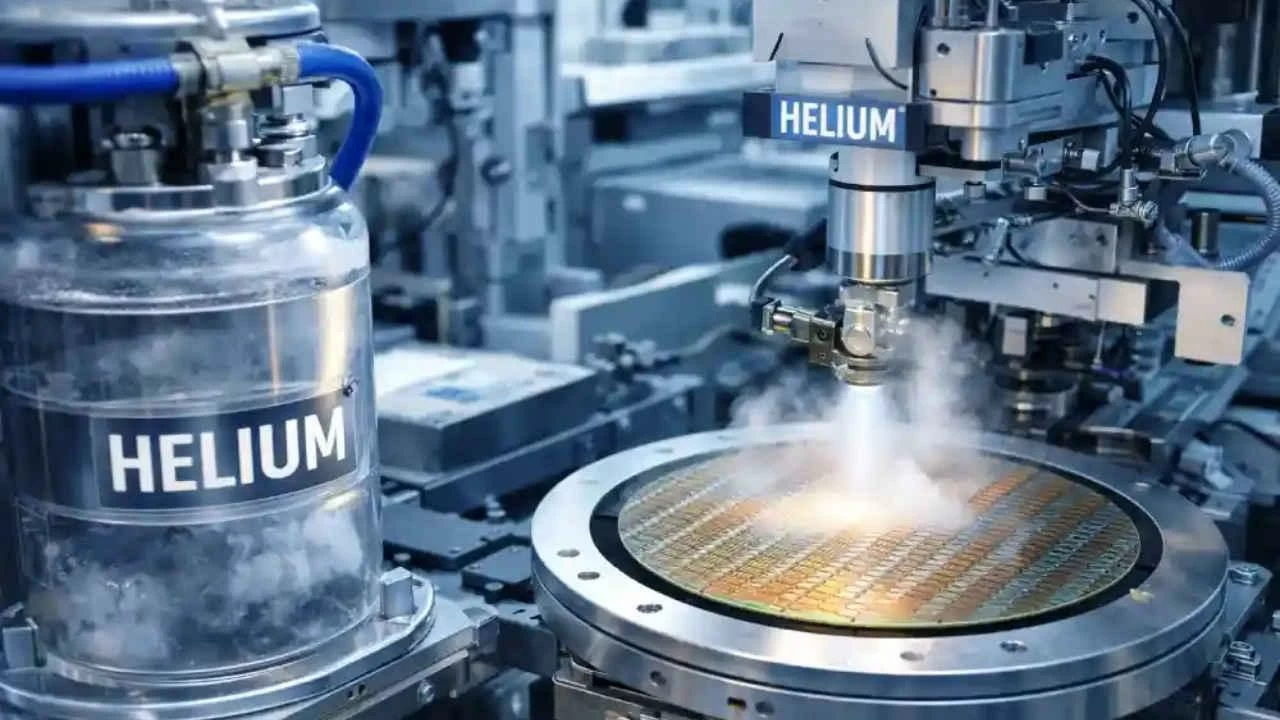
كشفت دراسة حديثة لمركز الملك عبدالله للدراسات والبحوث البترولية «كابسارك» (اطلعت «عكاظ» على مضمونها) عن تصاعد المخاطر التي تواجه سلاسل إمداد الهيليوم عالمياً، بالتزامن مع نمو الطلب المرتبط بصناعة أشباه الموصلات المتقدّمة والذكاء الاصطناعي، في وقت يتركّز فيه إنتاج الغاز لدى عدد محدود من الدول ويرتبط جزء رئيسي منه بمعالجة الغاز الطبيعي.
وأوضحت الدراسة أن تعطل البنية التحتية للغاز الطبيعي في قطر وإغلاق مضيق هرمز تسبّبا في توقف جزء كبير من إمدادات الهيليوم العالمية خلال فترة قصيرة، ما كشف حساسية السوق أمام الاضطرابات التي تطال قطاع الغاز وممرات الطاقة.
منتج ثانوي «بيور بلايز»
وبحثت الدراسة إمكانية تغيير نموذج الإمداد التقليدي من خلال توسع الشركات المتخصصة في إنتاج الهيليوم بصورة مستقلة، والمعروفة في الصناعة باسم «بيور بلايز»، بما يسهم في تنويع مصادر الإنتاج وتقليل الارتباط المباشر بمعالجة الغاز الطبيعي.
ويقوم هذا النموذج على تطوير موارد الهيليوم باعتباره المنتج المستهدف للمشروع، بدلاً من الاعتماد على الكميات المستخرجة بوصفها منتجاً ثانوياً من عمليات معالجة الغاز.
وترى الدراسة أن الاضطرابات الأخيرة أعادت إبراز المخاطر الناتجة عن تركّز الإمدادات العالمية، بالتزامن مع تنامي أهمية الهيليوم في سلاسل القيمة التقنية.
وتضع هذه التطورات سوق الهيليوم أمام تحديين متزامنين؛ أولهما تنامي الطلب من الصناعات المتقدّمة، وفي مقدّمتها أشباه الموصلات، والثاني هشاشة جانب من الإمدادات لاعتماده على بنية تحتية ومصادر جغرافية محدودة.
وتشير نتائج الدراسة إلى أهمية إعادة تقييم أمن إمدادات الهيليوم عالمياً وتنويع مصادر إنتاجه، مع تسارع الاستثمارات في الذكاء الاصطناعي والرقائق الإلكترونية وارتفاع الأهمية الإستراتيجية للمواد والغازات المستخدمة في تصنيع التقنيات المتقدّمة.
وأشارت دراسة «كابسارك» التي أعدها رامي شبانة أن معظم الهيليوم العالمي يُستخلص كمنتج ثانوي من معالجة الغاز الطبيعي، ما يجعل توافره مرتبطاً باستثمارات وإنتاج قطاع الغاز، وليس باستجابة إنتاج مستقلة لحجم الطلب العالمي عليه.
وتزداد أهمية هذه العلاقة مع التوسع السريع في تقنيات الذكاء الاصطناعي، الذي يدفع الطلب على الرقائق وأشباه الموصلات المتقدمة، فيما صنفت الدراسة صناعة أشباه الموصلات ضمن أسرع الاستخدامات النهائية للهيليوم نمواً.
ويؤدي الهيليوم دوراً في تطبيقات صناعية وتقنية تتطلب التبريد والبيئات التصنيعية الدقيقة، ما يجعل استقرار إمداداته أكثر ارتباطاً بقطاعات التكنولوجيا المتقدمة.
A recent study by the King Abdullah Petroleum Studies and Research Center (KAPSARC), which "Okaz" reviewed, revealed the rising risks facing global helium supply chains, coinciding with the growing demand linked to advanced semiconductor manufacturing and artificial intelligence, at a time when gas production is concentrated in a limited number of countries and a significant portion of it is tied to natural gas processing.
The study indicated that disruptions in natural gas infrastructure in Qatar and the closure of the Strait of Hormuz caused a significant halt in global helium supplies over a short period, exposing the market's sensitivity to disturbances affecting the gas sector and energy corridors.
Byproduct "Pure Plays"
The study explored the possibility of changing the traditional supply model through the expansion of companies specialized in independent helium production, known in the industry as "Pure Plays," which would contribute to diversifying production sources and reducing the direct reliance on natural gas processing.
This model is based on developing helium resources as the targeted product of the project, rather than relying on the quantities extracted as a byproduct from gas processing operations.
The study believes that recent disruptions have highlighted the risks arising from the concentration of global supplies, alongside the growing importance of helium in technology value chains.
These developments present the helium market with two simultaneous challenges: the first is the increasing demand from advanced industries, primarily semiconductors, and the second is the fragility of part of the supply due to its dependence on limited infrastructure and geographical sources.
The study's findings indicate the importance of reassessing global helium supply security and diversifying its production sources, as investments in artificial intelligence and electronic chips accelerate and the strategic importance of materials and gases used in advanced technology manufacturing rises.
The KAPSARC study, prepared by Rami Shabana, noted that most of the world's helium is extracted as a byproduct from natural gas processing, making its availability linked to investments and production in the gas sector, rather than an independent response to the global demand for it.
This relationship becomes increasingly important with the rapid expansion of artificial intelligence technologies, which drive demand for advanced chips and semiconductors, while the study classified the semiconductor industry as one of the fastest-growing end uses of helium.
Helium plays a role in industrial and technical applications that require cooling and precise manufacturing environments, making the stability of its supplies more closely tied to advanced technology sectors.