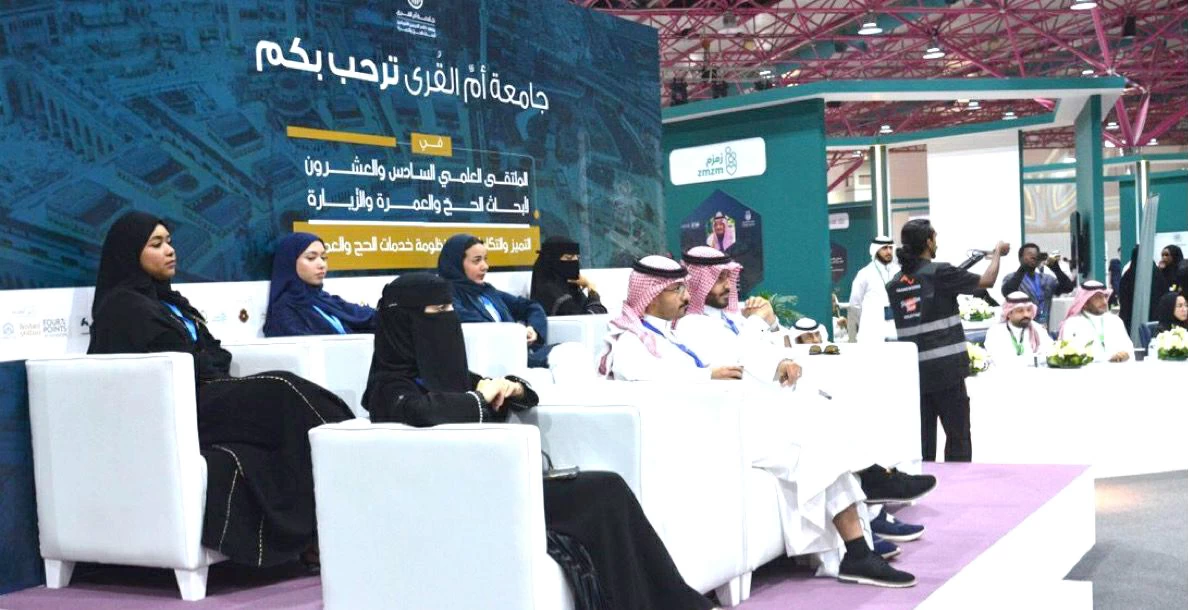
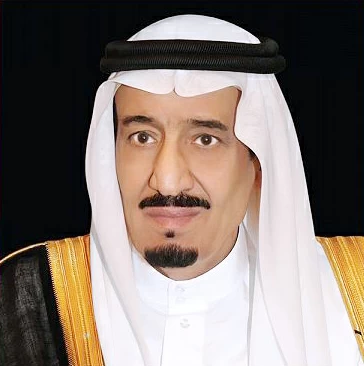
تحت رعاية خادم الحرمين الشريفين الملك سلمان بن عبدالعزيز، انطلقت، أمس (الأربعاء)، فعاليات الملتقى العلمي السادس والعشرين لأبحاث الحج والعمرة والزيارة، الذي تنظمه جامعة أم القرى ممثلة في معهد خادم الحرمين الشريفين، تحت شعار «التميز والتكامل في منظومة خدمات الحج والعمرة».
وشهد اليوم الأول ورشة علمية، بعنوان «قياس جودة مساكن الحجاج والمعتمرين في المنطقة المركزية بمكة المكرمة»، قدمها عضو هيئة التدريس بالمعهد الدكتور عبدالرحمن أشرف بشاوري، وتناولت مؤشرات قياس جودة السكن وسبل تحسين تجربة إقامة ضيوف الرحمن.
فيما تناولت ورشة «حوكمة وجودة خدمات الجمعيات الأهلية العاملة في خدمة ضيوف الرحمن»، التي قدمها عضو هيئة التدريس بالمعهد الدكتور بسام حسين مشاط، تطوير جودة الخدمات وتعزيز الحوكمة في القطاع غير الربحي.
وانطلقت الجلسة العلمية الأولى بعنوان «الكفاءة التشغيلية في المشاعر المقدسة: من قياس الأداء إلى التميز»، برئاسة رئيس قسم المعلومات والخدمات العلمية بالمعهد الدكتور عبدالله نور الهوساوي.
وشهد الملتقى بدء أعمال تحكيم الأفكار والمشاريع المقدمة في النسخة الرابعة من «حجاثون»، وفق معايير التحكيم المعتمدة، لاختيار الحلول الواعدة القابلة للتطوير لخدمة منظومة الحج والعمرة والارتقاء بتجربة ضيوف الرحمن.
وصاحب انطلاق الملتقى المعرض العلمي والمعرفي المصاحب، بمشاركة قطاعات عاملة في منظومة الحج والعمرة، لاستعراض المبادرات والخدمات والابتكارات والأعمال البحثية.
1,000 دراسة تعزز المنظومة
عميد معهد خادم الحرمين الشريفين لأبحاث الحج والعمرة بجامعة أم القرى الدكتور عبدالله باقاسي، شدد على أن الملتقى العلمي السادس والعشرين يعزز التكامل بين البحث العلمي والقطاعات العاملة في خدمة ضيوف الرحمن، ويحوّل نتائج الدراسات إلى حلول وتطبيقات عملية.
وأوضح أن الملتقى، الذي تستمر أعماله يومين، يستعرض أحدث الممارسات والتجارب البحثية في إدارة الحشود والتحول الرقمي والاستدامة البيئية والذكاء الاصطناعي والرعاية الصحية والخدمات اللوجستية، إلى جانب الابتكار في خدمة الحجاج والمعتمرين والزوار، فيما يناقش حوكمة البيانات والقرارات الاستباقية وتطوير الخدمات وتعزيز العمل التطوعي.
وأشار باقاسي إلى أن الرصيد العلمي للمعهد تجاوز ألف دراسة وبحث في مجالات متعددة، مبينًا أن عددًا من المشاريع المطبقة في منظومة الحج بدأت كأبحاث، من بينها دراسات النقل الترددي ومشروع الهدي والأضاحي. وبيّن باقاسي أن الدراسات الميدانية تشمل مكة المكرمة والمدينة المنورة والمشاعر المقدسة والمنافذ والمواقع المرتبطة برحلة ضيوف الرحمن، فيما يرصد الباحثون خلال الموسم التحديات ويحللونها ويرفعون التوصيات للجهات المعنية.
«حجاثون 4» يستقطب الطلبة والمفكرين
لفت عميد معهد خادم الحرمين الشريفين لأبحاث الحج والعمرة بجامعة أم القرى الدكتور عبدالله باقاسي، إلى أن قصر موسم الحج وضيق الفترة المتاحة لجمع البيانات يمثلان تحديًا لبعض الدراسات، خصوصًا قياس رضا الحجاج، مؤكدًا توظيف التقنيات الحديثة والذكاء الاصطناعي لتحسين جمع البيانات ورفع جودة النتائج وقياس أثر الأبحاث في تطوير الخدمات. ويستهدف «حجاثون 4»، استقطاب الطلبة والباحثين والمفكرين ورواد الأعمال، وتحفيزهم على تقديم أفكار وحلول ابتكارية، تعزز التكامل بين الجهات الأكاديمية والبحثية والتنفيذية، وتسهم في الارتقاء بالخدمات المقدمة لضيوف الرحمن.
Under the patronage of the Custodian of the Two Holy Mosques, King Salman bin Abdulaziz, the 26th Scientific Forum for Research on Hajj, Umrah, and Visits commenced yesterday (Wednesday), organized by Umm Al-Qura University, represented by the King Abdulaziz Institute, under the slogan "Excellence and Integration in the Hajj and Umrah Services System."
The first day featured a scientific workshop titled "Measuring the Quality of Housing for Pilgrims and Umrah Performers in the Central Area of Mecca," presented by Dr. Abdulrahman Ashraf Bashawri, a faculty member at the institute. The workshop addressed indicators for measuring housing quality and ways to enhance the experience of the guests of Allah.
Meanwhile, the workshop "Governance and Quality of Services of Non-Profit Organizations Serving the Guests of Allah," presented by Dr. Bassam Hussein Mashat, a faculty member at the institute, focused on developing service quality and enhancing governance in the non-profit sector.
The first scientific session titled "Operational Efficiency in the Holy Sites: From Performance Measurement to Excellence" was chaired by Dr. Abdullah Noor Al-Hosawi, Head of the Information and Scientific Services Department at the institute.
The forum also witnessed the commencement of the evaluation of ideas and projects submitted in the fourth edition of "Hajathon," according to the approved evaluation criteria, to select promising solutions that can be developed to serve the Hajj and Umrah system and enhance the experience of the guests of Allah.
Accompanying the launch of the forum was a scientific and knowledge exhibition, with the participation of sectors involved in the Hajj and Umrah system, showcasing initiatives, services, innovations, and research works.
1,000 Studies Strengthening the System
Dr. Abdullah Baqasi, Dean of the King Abdulaziz Institute for Research on Hajj and Umrah at Umm Al-Qura University, emphasized that the 26th Scientific Forum enhances integration between scientific research and the sectors working to serve the guests of Allah, transforming research results into practical solutions and applications.
He explained that the forum, which will last for two days, showcases the latest practices and research experiences in crowd management, digital transformation, environmental sustainability, artificial intelligence, healthcare, and logistics services, in addition to innovation in serving pilgrims, Umrah performers, and visitors. It also discusses data governance, proactive decision-making, service development, and enhancing volunteer work.
Baqasi noted that the scientific output of the institute has exceeded 1,000 studies and research in various fields, indicating that several projects implemented in the Hajj system began as research, including studies on shuttle transportation and the project for sacrificial animals. He pointed out that field studies cover Mecca, Medina, the holy sites, and the ports and locations associated with the journey of the guests of Allah, while researchers monitor challenges during the season, analyze them, and submit recommendations to the relevant authorities.
“Hajathon 4” Attracts Students and Thinkers
Dean of the King Abdulaziz Institute for Research on Hajj and Umrah at Umm Al-Qura University, Dr. Abdullah Baqasi, highlighted that the short duration of the Hajj season and the limited time available for data collection pose a challenge for some studies, particularly measuring pilgrims' satisfaction. He affirmed the use of modern technologies and artificial intelligence to improve data collection, enhance the quality of results, and measure the impact of research on service development. "Hajathon 4" aims to attract students, researchers, thinkers, and entrepreneurs, motivating them to present innovative ideas and solutions that enhance integration between academic, research, and executive entities, contributing to the improvement of services provided to the guests of Allah.