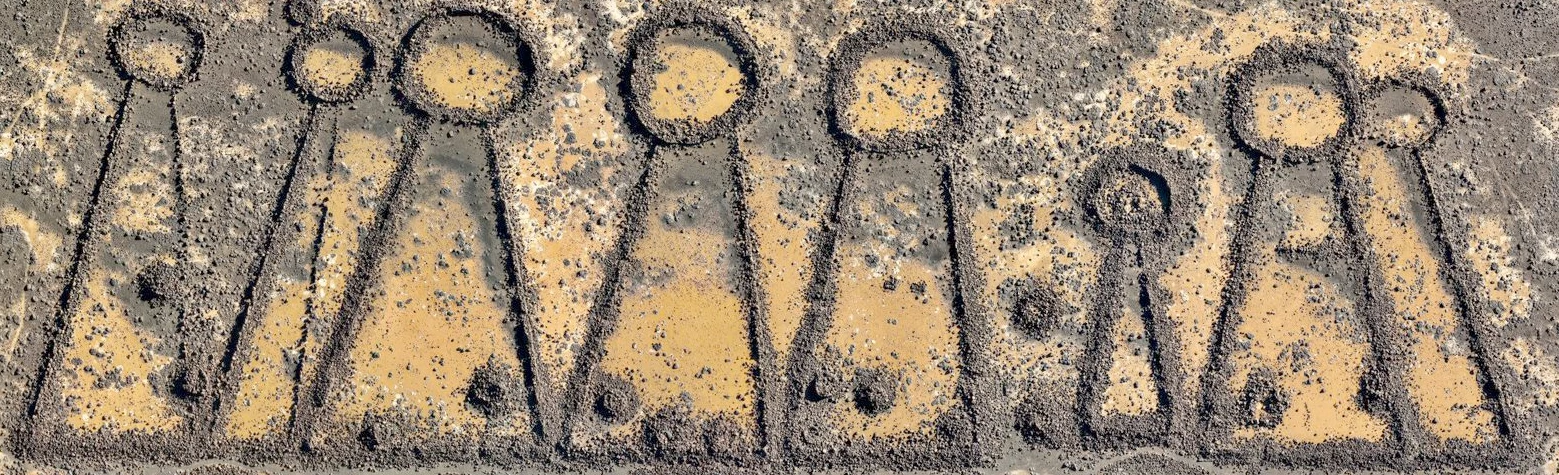
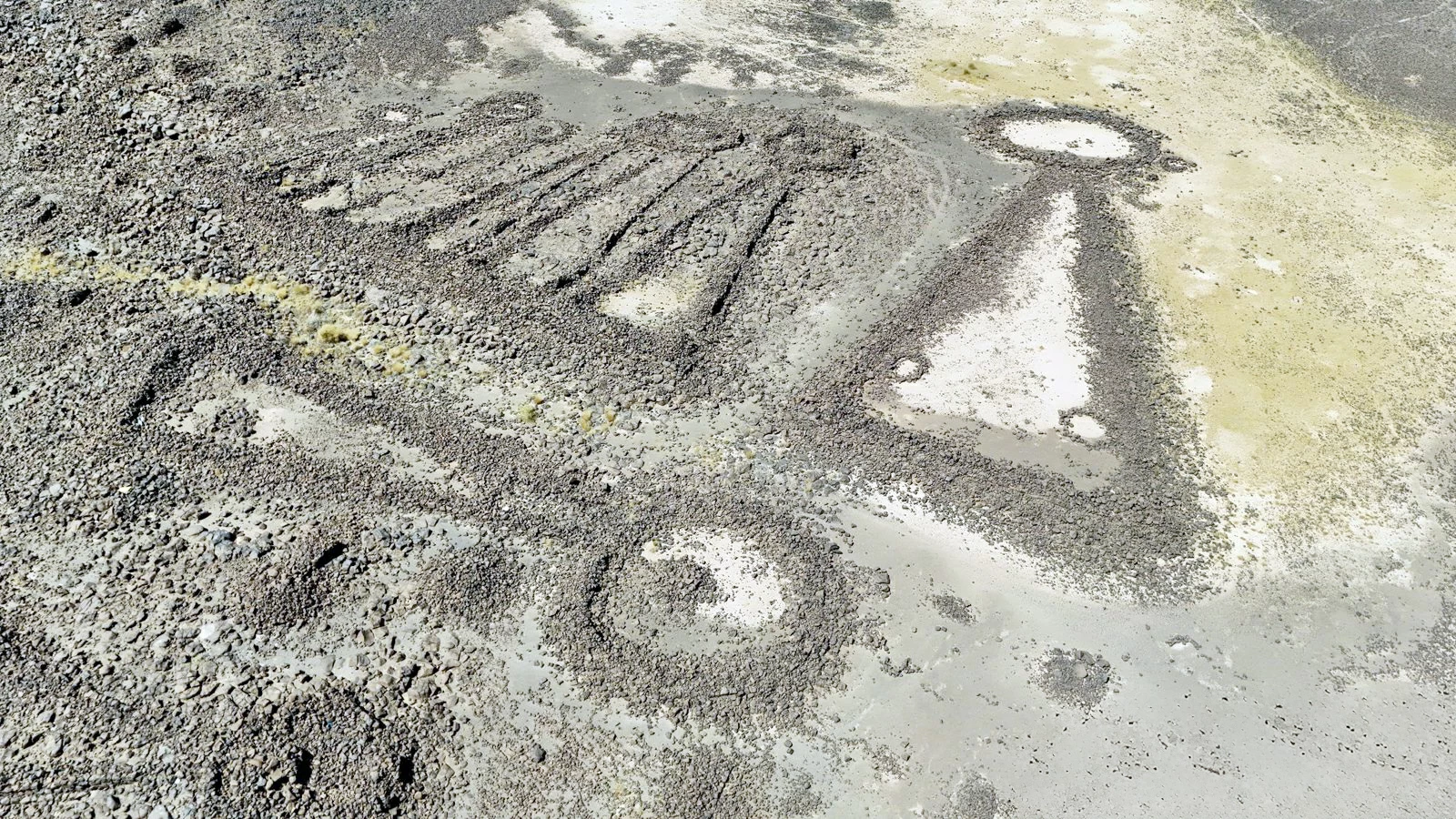
تُعد المنشآت الحجرية المنتشرة في أنحاء المملكة العربية السعودية، من أبرز الشواهد الأثرية التي تعود إلى العصر الحجري الحديث، أي ما بين 7 إلى 10 آلاف سنة. وتمتاز هذه المنشآت بأشكال هندسية مدهشة، وبطابع جمالي يثير التساؤلات حول طرق بنائها وتعدد أغراضها، مما يجعلها من أهم دلائل العمق الحضاري في الجزيرة العربية.
وعرّف نظام الآثار والمتاحف والتراث العمراني الصادر عام 1436هـ/2014م، المنشآت الحجرية بأنها كل أثر متصل بالأرض، مثل: الكهوف الطبيعية أو المحفورة، والصخور المنقوشة أو المرسوم عليها، والرجوم والدوائر الحجرية، وأطلال المدن والقرى، والمنشآت المائية، وطرق التجارة والحج القديمة، والأحياء التقليدية والمباني التاريخية وما يتصل بها من عناصر معمارية.
شغف الاستكشاف
التقت «عكاظ» المهتم بالتراث إبراهيم حسن الكيادي، الذي قاده شغفه بالمباني الطينية والآثار إلى رحلات استكشافية منتظمة في القرى والمواقع الطبيعية، والذي أشار إلى أنه قبل قيامه بأي رحلة يعتمد على البحث عبر خرائط Google Maps لتحديد المواقع، وعند وقوفه على المواقع يوثق المنشآت الحجرية بعدسته لإبراز معالمها لأنها جوانب مهمة من تاريخ المملكة، مؤكدًا أن هذه الشواهد تكشف عن عمق حضاري يمتد إلى عصور ما قبل التاريخ.
ويشير الكيادي إلى أنه ومن خلال وقوفه على العديد من المواقع، وجد أنها تتنوع أشكال المنشآت الحجرية، ومنها: الدوائر الحجرية، والمذيلات، والمسنّنات، والمثلثات، والمربعات والمستطيلات، والمنشآت المفتاحية (Keyhole)، والمصائد الصحراوية، والجدران الطويلة، مشيرا إلى أن وظائفها تتعدد بين الطقوس الدينية، والمدافن، والصيد، والمساكن، إضافة إلى كونها علامات طرق ومسارات.
رؤية علمية
ومن جانبها، توضح أستاذ تاريخ وآثار الجزيرة العربية القديمة بجامعة طيبة الدكتورة رحمة عواد السناني، أن المنشآت الحجرية تنتشر في منطقة المدينة المنورة بين المدينة والعلا والعيص، مع تركز كبير في واحة خيبر حول مناطق الحرار البركانية.
وتؤكد أستاذ التاريخ السناني، أن هذه المنشآت تمثل شواهد مضيئة على دور الجزيرة العربية في تطور الحضارة البشرية، وتكشف عن عمق تاريخي يمتد إلى العصر الحجري الحديث (النيوليثيك)، حيث يعود تاريخها إلى ما بين 7,000 و10,000 سنة قبل الميلاد، موضحة أن أشكال المنشآت الحجرية في منطقة المدينة المنورة، تتنوع ومن أبرزها: المستطيلات أو البوابات وهي منشآت ضخمة قد يصل طول بعضها إلى نصف كيلومتر، ويُرجح أنها استخدمت لممارسة طقوس اجتماعية أو دينية، ودوائر حجرية وهي منشآت دائرية الشكل، ربما استُخدمت للدلالة على الطرق أو لأغراض سكنية، ومذيلات وهي منشآت طويلة وضيقة، قد تكون استخدمت كمدافن أو علامات طرق، وربما ارتبطت بطقوس دينية منظمة.
وقالت: إن الباحثين رجحوا أن هذه المنشآت أدت عدة وظائف، منها: تحديد الطرق والمسارات، والاستخدامات السكنية، والطقوس الدينية والاجتماعية، والمدافن، والمصائد الصحراوية لصيد الوعول والأغنام، ومخازن أو حظائر لحفظ الحيوانات الحية للاستفادة منها لاحقًا.
وأضافت، أن هذه الاستخدامات كشفت قدرة الإنسان القديم على التكيف مع البيئة واستثمار مواردها بذكاء لافت، ومؤكدة أن هذه المنشآت الحجرية تحظى باهتمام كبير من الجهات المختصة، وتشمل الجهود: التوثيق والدراسة من خلال مشاريع بحثية لهيئة العلا وخيبر وجهات علمية أخرى، والصيانة والترميم لحمايتها من التدهور والعوامل الطبيعية، والحماية القانونية.
غرامات وسجن على المتعدين
وتوضح استاذ التاريخ السناني، أن النظام السعودي يمنع التعدي على المواقع الأثرية، ووضع عقوبات صارمة تشمل: السجن حتى 3 سنوات وغرامات تصل إلى 300 ألف ريال، والسجن من 6 أشهر إلى 7 سنوات وغرامات تصل إلى 500 ألف ريال لمن يستولي على أثر، والسجن من 3 أشهر إلى 3 سنوات وغرامات تصل إلى 300 ألف ريال لمن يتلف أو يطمس أثرًا.
وقد وثقت هذه المنشآت في كتب وموسوعات، مثل موسوعة معالم المدينة المنورة، ضمن جهود علمية لحفظ هذا الإرث.
أستاذة التاريخ، أشارت إلى أن هذه المنشآت تعد فرصة سياحية واعدة بتعزيز الاقتصاد المحلي عبر جذب الزوار والمهتمين بالتراث.
The stone structures scattered throughout the Kingdom of Saudi Arabia are among the most prominent archaeological evidence dating back to the Neolithic period, approximately 7,000 to 10,000 years ago. These structures are characterized by astonishing geometric shapes and an aesthetic quality that raises questions about their construction methods and diverse purposes, making them some of the most important indicators of the deep cultural heritage in the Arabian Peninsula.
The Antiquities, Museums, and Urban Heritage System issued in 1436 AH/2014 AD defines stone structures as any relic connected to the land, such as: natural or man-made caves, carved or inscribed rocks, cairns and stone circles, the ruins of cities and villages, water structures, ancient trade and pilgrimage routes, traditional neighborhoods, historical buildings, and the architectural elements associated with them.
Passion for Exploration
“Okaz” met with heritage enthusiast Ibrahim Hassan Al-Kiyadi, whose passion for mud buildings and antiquities has led him to regular exploratory trips to villages and natural sites. He indicated that before embarking on any trip, he relies on research via Google Maps to pinpoint locations. Upon arriving at the sites, he documents the stone structures with his camera to highlight their features, as they are important aspects of the Kingdom's history, emphasizing that these relics reveal a cultural depth extending back to prehistoric times.
Al-Kiyadi notes that through his visits to numerous sites, he found that the shapes of stone structures vary, including: stone circles, mounds, serrations, triangles, squares, rectangles, keyhole structures, desert traps, and long walls, pointing out that their functions range from religious rituals, tombs, hunting, and housing, in addition to serving as markers for routes and pathways.
Scientific Perspective
On her part, Dr. Rahma Awad Al-Sanani, a professor of the history and archaeology of ancient Arabia at Taibah University, explains that stone structures are widespread in the Madinah region between Madinah, Al-Ula, and Al-Ays, with a significant concentration in the Khaybar oasis around volcanic hot areas.
Professor Al-Sanani confirms that these structures represent illuminating evidence of the role of the Arabian Peninsula in the development of human civilization, revealing a historical depth extending back to the Neolithic period, with their origins dating between 7,000 and 10,000 years BC. She clarifies that the shapes of stone structures in the Madinah region vary, with the most notable being: rectangles or gates, which are massive structures that can reach lengths of up to half a kilometer, likely used for social or religious rituals; stone circles, which are circular structures that may have been used to indicate pathways or for residential purposes; and mounds, which are long and narrow structures that may have served as tombs or route markers, possibly linked to organized religious rituals.
She stated that researchers have suggested that these structures served multiple functions, including: defining paths and routes, residential uses, religious and social rituals, tombs, desert traps for hunting ibex and sheep, and storage or pens for keeping live animals for later use.
She added that these uses reveal the ancient human's ability to adapt to the environment and smartly exploit its resources, affirming that these stone structures receive significant attention from the relevant authorities, including efforts for documentation and study through research projects by the Al-Ula and Khaybar authorities and other scientific entities, as well as preservation and restoration to protect them from deterioration and natural factors, along with legal protection.
Fines and Imprisonment for Violators
Professor Al-Sanani explains that the Saudi system prohibits encroachment on archaeological sites and imposes strict penalties, including imprisonment for up to 3 years and fines reaching 300,000 riyals, imprisonment from 6 months to 7 years and fines up to 500,000 riyals for those who seize an artifact, and imprisonment from 3 months to 3 years and fines up to 300,000 riyals for those who damage or deface an artifact.
These structures have been documented in books and encyclopedias, such as the Encyclopedia of Madinah Landmarks, as part of scientific efforts to preserve this heritage.
The history professor pointed out that these structures represent a promising tourism opportunity to enhance the local economy by attracting visitors and those interested in heritage.