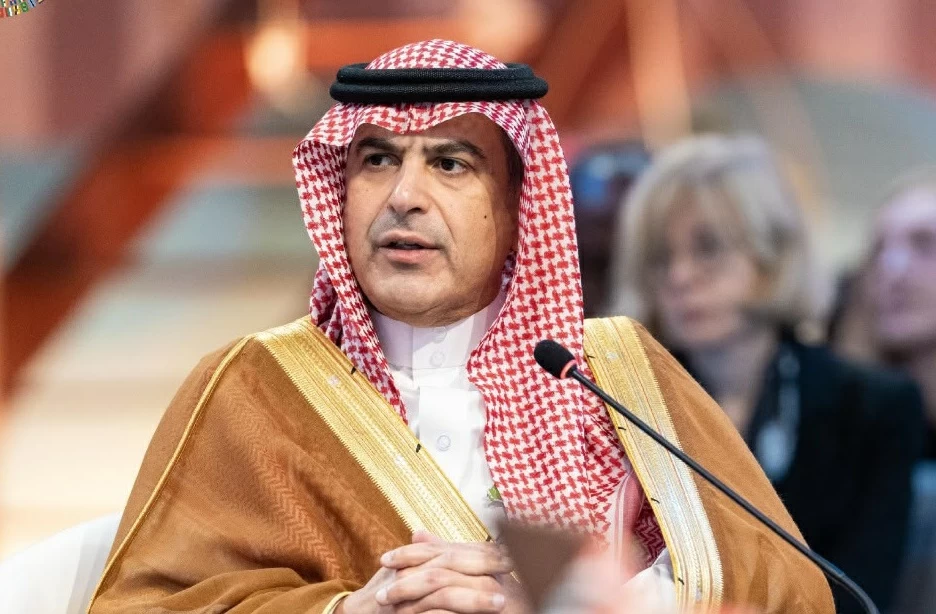
أكد محافظ البنك المركزي السعودي «ساما» أيمن السياري، صمود الاقتصاد السعودي في ظل استمرار الصراع في منطقة الشرق الأوسط، مدعوماً بأطر سياسات حصيفة، واحتياطيات مالية معتبرة، وقدرة مؤسسية على الاستجابة السريعة والمنسقة، مشيراً إلى أن النظام المصرفي السعودي يتمتع بمستويات قوية من رأس المال والسيولة، إلى جانب السياسات الاحترازية الاستباقية التي عززت متانة القطاع المالي.
وأوضح السياري، في بيان المملكة أمام اللجنة الدولية للشؤون النقدية والمالية، ضمن الاجتماعات السنوية لصندوق النقد والبنك الدوليين في تايلند، أن الاقتصاد العالمي أظهر صموداً أفضل من المتوقع، رغم استمرار التحديات المرتبطة بالصراعات الجيوسياسية وارتفاع مستويات عدم اليقين والدين، ومحدودية الحيز المتاح للسياسات الاقتصادية، لافتاً إلى استمرار ضعف آفاق النمو على المدى المتوسط وتفاوت الأداء بين الدول والقطاعات.
وشدد على أهمية الحفاظ على استقرار الأسعار والاستجابة لمصادر الضغوط السعرية ومدى استمرارها، بما يتسق مع الإطار النقدي ونظام سعر الصرف في كل دولة، مؤكداً ضرورة إعادة بناء هوامش الأمان المالي، والحفاظ على الاستثمار الفعال، وتوجيه الدعم إلى الأسر الأكثر احتياجاً.
وأشار إلى الدور المحوري لصندوق النقد الدولي في تعزيز فاعلية العمل متعدد الأطراف والتعاون الدولي، وأهمية استعداده لتقديم الدعم للدول الأعضاء، من خلال الرقابة القائمة على المساواة في المعاملة، والمشورة بشأن السياسات التي تراعي ظروف كل دولة، وتنمية القدرات بما يتناسب مع حاجات الأعضاء.
وأكد أهمية تعميق تحليلات الصندوق بشأن الاختلالات العالمية الكبيرة والمستمرة، بما يشمل مسبباتها وقنوات انتقالها وتداعياتها العابرة للحدود، ومخاطر التصحيح غير المنظم، مع مراعاة الخصائص الهيكلية والظروف الخاصة بكل دولة.
وفي شأن إصلاحات حوكمة صندوق النقد الدولي، رحب السياري بتمديد فترة رئاسة المملكة للجنة الدولية للشؤون النقدية والمالية لعام إضافي، بما يدعم استمرار الحوار وتقريب وجهات النظر وتعزيز التوافق بين الدول الأعضاء، مؤكداً أهمية الحفاظ على الزخم وترجمة المبادئ التوجيهية إلى تقدم عملي من خلال مواصلة الحوار وبناء التوافق.
ولفت إلى الدور الذي تؤديه رؤية السعودية 2030 في تعزيز الأسس الاقتصادية للمملكة، من خلال توسيع الاقتصاد غير النفطي، وزيادة مشاركة القطاع الخاص، وتعزيز المؤسسات والقدرات التنفيذية، واستثمار الفرص المتاحة لتنويع الاقتصاد وتعميقه، بما يسهم في تنمية رأس المال البشري ورفع الإنتاجية وتطوير القدرات المؤسسية والبنية التحتية، ودعم النمو المستدام والشامل.
The Governor of the Saudi Central Bank "SAMA," Ayman bin Mohammed Al-Sayari, affirmed the resilience of the Saudi economy amid the ongoing conflict in the Middle East, supported by prudent policy frameworks, substantial financial reserves, and institutional capacity for rapid and coordinated response. He pointed out that the Saudi banking system enjoys strong levels of capital and liquidity, alongside proactive precautionary policies that have strengthened the robustness of the financial sector.
Al-Sayari explained, in the Kingdom's statement before the International Monetary and Financial Committee during the annual meetings of the International Monetary Fund and the World Bank in Thailand, that the global economy has shown better resilience than expected, despite the ongoing challenges related to geopolitical conflicts, rising levels of uncertainty and debt, and the limited space available for economic policies. He noted the continued weakness in medium-term growth prospects and the disparity in performance among countries and sectors.
He emphasized the importance of maintaining price stability and responding to sources of price pressures and their duration, in line with the monetary framework and exchange rate system in each country, stressing the need to rebuild financial safety margins, maintain effective investment, and direct support to the most needy households.
He pointed to the pivotal role of the International Monetary Fund in enhancing the effectiveness of multilateral work and international cooperation, and the importance of its readiness to provide support to member countries through equitable treatment-based oversight, policy advice that considers the circumstances of each country, and capacity building that aligns with the needs of the members.
He confirmed the importance of deepening the Fund's analyses regarding significant and ongoing global imbalances, including their causes, transmission channels, and cross-border implications, as well as the risks of unorganized corrections, taking into account the structural characteristics and specific conditions of each country.
Regarding the governance reforms of the International Monetary Fund, Al-Sayari welcomed the extension of the Kingdom's presidency of the International Monetary and Financial Committee for an additional year, which supports the continuation of dialogue, bridging viewpoints, and enhancing consensus among member countries, emphasizing the importance of maintaining momentum and translating guiding principles into practical progress through continued dialogue and consensus building.
He highlighted the role played by Saudi Vision 2030 in strengthening the economic foundations of the Kingdom by expanding the non-oil economy, increasing private sector participation, enhancing institutions and executive capacities, and investing in available opportunities to diversify and deepen the economy, contributing to the development of human capital, increasing productivity, developing institutional capacities and infrastructure, and supporting sustainable and inclusive growth.