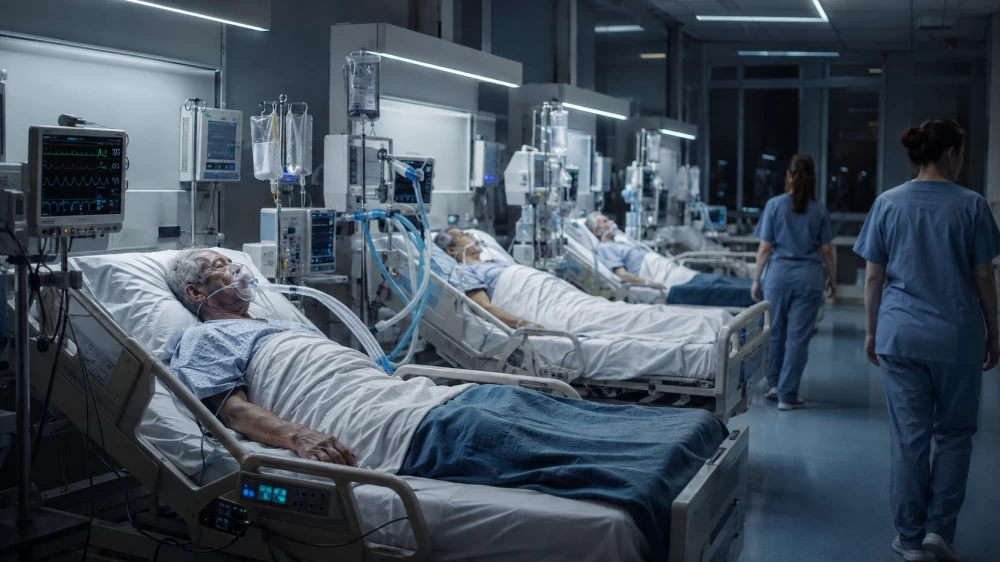
كشفت دراسة سعودية حديثة فجوة بين التعليم النظري والاستعداد النفسي للتعامل مع المرضى في نهاية الحياة، بعدما أظهرت نتائج 318 طالباً وطالبة من السنة النهائية بكلية التمريض في جامعة الملك سعود أن 49.5% وقعوا، وفق التصنيف الوصفي للدراسة، ضمن فئتي الاتجاه السلبي ومعتدل السلبية تجاه رعاية المحتضرين، مقابل 50.1% ضمن الفئتين الإيجابية ومعتدلة الإيجابية.
ونُشرت الدراسة في مجلة «بي إم سي للرعاية التلطيفية» التابعة لـ«سبرنغر نيتشر» في 5 أغسطس، وأجرتها الباحثات خلود المطيري، وريم الغامدي، ومنيرة البلوشي، وبلغت نسبة الاستجابة 99.7%؛ إذ شارك 318 طالباً من أصل 319 مؤهلاً، بمتوسط عمر 21.9 عام، وشكلت الطالبات 53.8% والطلاب 46.2%.
وسجل مقياس الاتجاه نحو رعاية المحتضرين متوسطاً عاماً بلغ 25.45 درجة من نطاق امتد بين 9 و43 درجة. وصنفت الدراسة، لأغراض وصفية، 15% ضمن الاتجاه السلبي، و34.5% ضمن معتدل السلبية، و35.7% ضمن معتدل الإيجابية، و14.4% ضمن الاتجاه الإيجابي. وأكد الباحثون، أن هذه الحدود وصفية خاصة بالعينة، وليست حدوداً تشخيصية معتمدة.
المفارقة الأبرز ظهرت في الجانب التعليمي؛ إذ أفاد 81.2% بحضور محاضرة واحدة على الأقل في الرعاية التلطيفية، فيما جاء متوسط اتجاهاتهم 25.44 درجة مقابل 25.52 درجة لدى من غابت عنهم هذه المحاضرات، بفارق يخلو من الدلالة الإحصائية. كما شهد 37.3% وفاة شخص أمامهم، وسبق لـ28.2% رعاية قريب في أيامه الأخيرة، وشارك 18.8% في تجهيز جثمان متوفى، ومع ذلك جاءت الفروق المرتبطة بهذه الخبرات محدودة إحصائياً. وسجل الطلاب الذكور متوسطاً بلغ 26.65 درجة مقابل 24.42 درجة للطالبات، بفارق 2.23 درجة ودلالة إحصائية قوية، فيما فسّر الجنس 3.4% من التباين في الاتجاهات.
وعلى مستوى المواقف التفصيلية، ظهر أكبر الانزعاج عند فقدان المريض للأمل بمتوسط 2.11 من 5، ثم الحديث عن الموت 2.46، والتعامل مع بكاء المريض 2.59، ومواجهة سؤال مباشر من المريض حول اقتراب وفاته 2.69.
وخلصت الدراسة إلى أهمية تعزيز التدريب العملي والمحاكاة، ومهارات الحوار مع المريض وأسرته، والاستعداد العاطفي والتأملي قبل انتقال الطالب إلى الممارسة المهنية.
A recent Saudi study revealed a gap between theoretical education and psychological readiness to deal with patients at the end of life. The results showed that 49.5% of 318 final-year nursing students at King Saud University fell, according to the descriptive classification of the study, into the categories of negative and moderately negative attitudes towards end-of-life care, compared to 50.1% in the positive and moderately positive categories.
The study was published in the journal "BMC Palliative Care," affiliated with "Springer Nature," on August 5, and was conducted by researchers Khulood Al-Mutairi, Reem Al-Ghamdi, and Munira Al-Balushi. The response rate was 99.7%, with 318 students participating out of 319 eligible, with an average age of 21.9 years. Female students constituted 53.8% and male students 46.2%.
The scale measuring attitudes towards end-of-life care recorded an overall average of 25.45 points on a range extending from 9 to 43 points. For descriptive purposes, the study classified 15% within the negative attitude category, 34.5% within moderately negative, 35.7% within moderately positive, and 14.4% within the positive attitude category. The researchers emphasized that these boundaries are descriptive specific to the sample and are not established diagnostic thresholds.
The most notable paradox appeared in the educational aspect; 81.2% reported attending at least one lecture on palliative care, while their average attitudes were 25.44 points compared to 25.52 points for those who missed these lectures, with a difference that lacked statistical significance. Additionally, 37.3% witnessed a person die in front of them, 28.2% had previously cared for a relative in their final days, and 18.8% participated in preparing a deceased person's body, yet the differences associated with these experiences were statistically limited. Male students recorded an average of 26.65 points compared to 24.42 points for female students, with a difference of 2.23 points and strong statistical significance, while gender explained 3.4% of the variance in attitudes.
At the level of detailed attitudes, the greatest discomfort was reported when the patient lost hope, with an average of 2.11 out of 5, followed by discussions about death at 2.46, dealing with the patient's crying at 2.59, and facing a direct question from the patient about the approach of their death at 2.69.
The study concluded the importance of enhancing practical training and simulation, communication skills with the patient and their family, and emotional and reflective readiness before the student transitions to professional practice.