


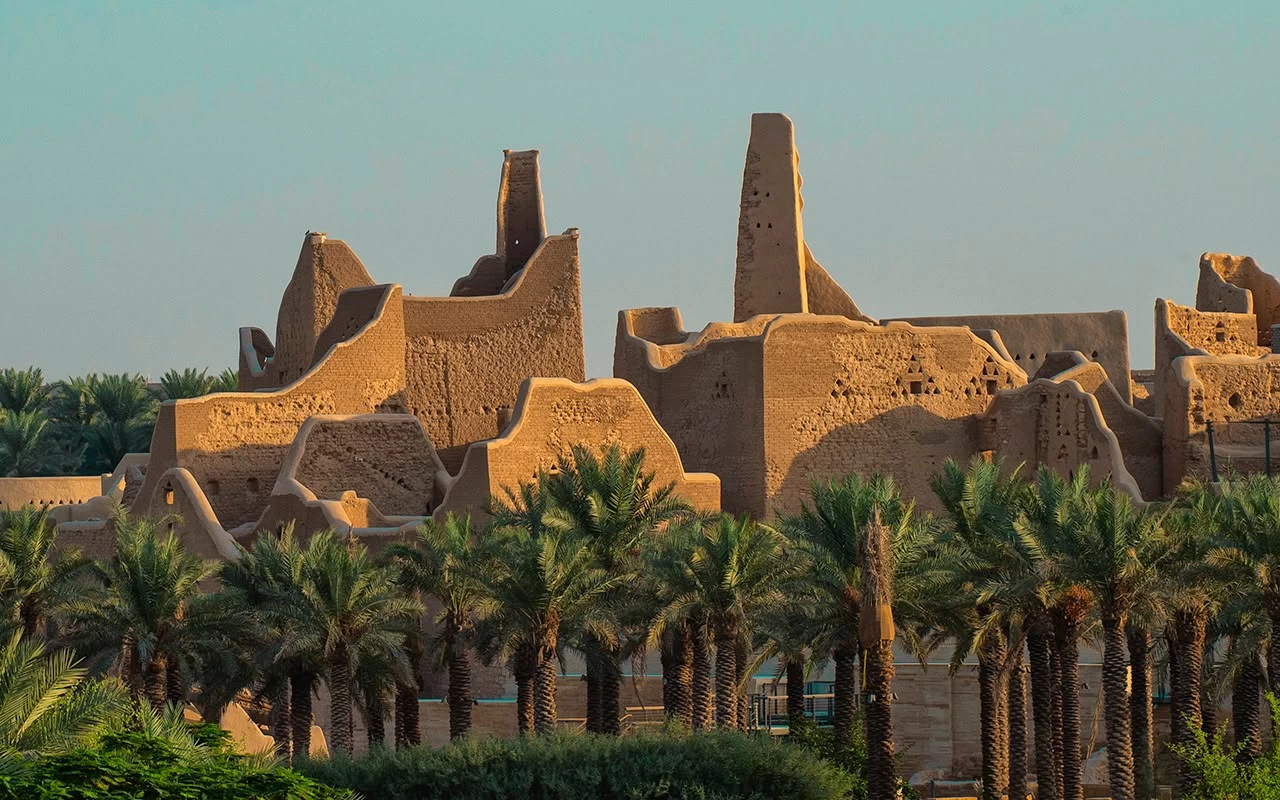
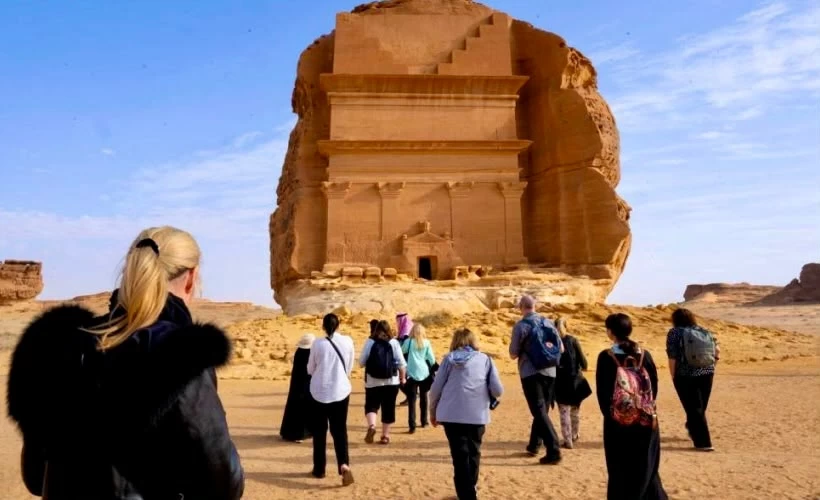
تواصل المملكة ترسيخ موقعها قوةً سياحية صاعدة على خريطة العالم، بعدما تصدرت حركة النمو في قطاع السفر والسياحة بالشرق الأوسط، مدفوعة بالاستثمارات الضخمة في الوجهات والمشاريع السياحية والبنية التحتية، والتوسع في استضافة الفعاليات الدولية، ضمن مستهدفات رؤية السعودية 2030.
وكشف المجلس العالمي للسفر والسياحة (WTTC) في أحدث بياناته لأبحاث الأثر الاقتصادي، أن السعودية أصبحت أكبر اقتصاد للسفر والسياحة في الشرق الأوسط، إذ بلغت مساهمة القطاع في اقتصاد المملكة نحو 178 مليار دولار خلال 2025، بما يعادل 46% من إجمالي اقتصاد السفر والسياحة في المنطقة.
وسجل الناتج المحلي المرتبط بالسفر والسياحة في المملكة نمواً بنسبة 7.4% خلال 2025، وهو معدل يقترب من ضعف النمو العالمي للقطاع البالغ 4.1%، ويتجاوز متوسط النمو في الشرق الأوسط البالغ 5.3%، ما يعكس تسارع التحول الذي يشهده القطاع السياحي السعودي.
الزوار الدوليون وسياحة الأعمال
ووفق بيانات المجلس، ارتفع إنفاق الزوار الدوليين في السعودية بنسبة 8.2% خلال 2025، مقارنة بنمو عالمي بلغ 3.2%، في مؤشر على تنامي جاذبية المملكة للزوار القادمين من الخارج واتساع حضورها بين الوجهات السياحية العالمية.
وكان المجلس قد توقع أن يقترب إنفاق الزوار الدوليين في المملكة من 200 مليار ريال، فيما يصل إنفاق السياحة المحلية إلى مستوى قياسي يبلغ 162.5 مليار ريال، بالتزامن مع استمرار نمو الطلب على الوجهات والتجارب السياحية السعودية.
وسجلت سياحة الأعمال واحداً من أبرز مؤشرات النمو، إذ كشف المجلس أن الإنفاق على هذا القطاع في السعودية ارتفع بأكثر من 55% خلال 2025، مدعوماً بتنامي مكانة المملكة مركزاً دولياً للأعمال والاستثمار واستضافة المؤتمرات والمعارض والفعاليات الكبرى.
ويكتسب هذا الرقم أهمية إضافية مقارنة بأداء المنطقة، إذ ارتفع إنفاق سياحة الأعمال في الشرق الأوسط بنحو 23% خلال العام نفسه، ما يضع المملكة في مقدمة الأسواق الإقليمية في هذا النوع من السياحة.
المملكة تقود مستقبل المنطقة
وجاء الأداء السعودي في وقت سجل قطاع السفر والسياحة في الشرق الأوسط نمواً بنسبة 5.3% خلال 2025، متجاوزاً المتوسط العالمي البالغ 4.1%، فيما بلغت مساهمة القطاع في اقتصاد المنطقة نحو 385.8 مليار دولار، ودعم نحو 7.1 مليون وظيفة.
ويرى المجلس العالمي للسفر والسياحة أن السعودية تمثل المحرك الرئيسي لهذا النمو الإقليمي، مستفيدة من الاستثمارات المستمرة في البنية التحتية والربط الجوي وتطوير الوجهات، إلى جانب التوسع في السياحة ذات القيمة المرتفعة وسياحة الأعمال.
وتعزز المملكة حضورها السياحي عبر محفظة واسعة من الوجهات والمشاريع الكبرى، وتطوير المطارات وشبكات النقل والضيافة والتجارب السياحية، بما يدعم تنويع الاقتصاد ويرفع مساهمة الأنشطة غير النفطية، بالتوازي مع الاستعداد لاستضافة أحداث عالمية كبرى خلال السنوات القادمة.
ويؤكد المجلس أن استمرار الاستثمار في البنية التحتية والربط وتطوير الوجهات، وتعزيز التعاون بين القطاعين العام والخاص، يمثل عنصراً رئيسياً لاستدامة النمو وزيادة إنفاق الزوار وخلق الوظائف خلال السنوات القادمة.
وتشير أحدث أبحاث المجلس الخاصة بالسعودية، إلى أن بياناته تتضمن توقعات تمتد حتى عام 2036، تشمل مساهمة السفر والسياحة في الناتج المحلي والتوظيف وإنفاق الزوار الدوليين والمحليين والاستثمارات، في مؤشر على النظرة طويلة الأجل لمستقبل القطاع.
The Kingdom continues to solidify its position as an emerging tourist power on the world map, having topped the growth movement in the travel and tourism sector in the Middle East, driven by massive investments in destinations, tourism projects, and infrastructure, as well as the expansion in hosting international events, all within the targets of Saudi Vision 2030.
The World Travel and Tourism Council (WTTC) revealed in its latest economic impact research data that Saudi Arabia has become the largest travel and tourism economy in the Middle East, with the sector's contribution to the Kingdom's economy reaching approximately $178 billion by 2025, equivalent to 46% of the total travel and tourism economy in the region.
The GDP associated with travel and tourism in the Kingdom recorded a growth rate of 7.4% in 2025, nearly double the global sector growth rate of 4.1%, and exceeding the average growth in the Middle East of 5.3%, reflecting the accelerating transformation of the Saudi tourism sector.
International Visitors and Business Tourism
According to the council's data, spending by international visitors in Saudi Arabia increased by 8.2% in 2025, compared to a global growth of 3.2%, indicating the growing attractiveness of the Kingdom to incoming visitors and its expanding presence among global tourist destinations.
The council had predicted that spending by international visitors in the Kingdom would approach 200 billion riyals, while domestic tourism spending would reach a record level of 162.5 billion riyals, coinciding with the continued growth in demand for Saudi tourism destinations and experiences.
Business tourism recorded one of the most significant growth indicators, as the council revealed that spending in this sector in Saudi Arabia increased by more than 55% in 2025, supported by the Kingdom's growing status as an international center for business and investment, hosting conferences, exhibitions, and major events.
This figure gains additional importance compared to the region's performance, as spending on business tourism in the Middle East rose by about 23% during the same year, placing the Kingdom at the forefront of regional markets in this type of tourism.
The Kingdom Leads the Region's Future
The Saudi performance came at a time when the travel and tourism sector in the Middle East recorded a growth rate of 5.3% in 2025, surpassing the global average of 4.1%, with the sector's contribution to the region's economy reaching approximately $385.8 billion, supporting around 7.1 million jobs.
The World Travel and Tourism Council believes that Saudi Arabia is the main driver of this regional growth, benefiting from ongoing investments in infrastructure, air connectivity, and destination development, alongside the expansion of high-value tourism and business tourism.
The Kingdom enhances its tourism presence through a wide portfolio of destinations and major projects, developing airports, transport networks, hospitality, and tourism experiences, which supports economic diversification and increases the contribution of non-oil activities, in parallel with preparations to host major global events in the coming years.
The council emphasizes that continued investment in infrastructure, connectivity, and destination development, along with strengthening cooperation between the public and private sectors, is a key element for sustaining growth, increasing visitor spending, and creating jobs in the coming years.
The council's latest research on Saudi Arabia indicates that its data includes projections extending to 2036, covering the contribution of travel and tourism to GDP, employment, spending by international and domestic visitors, and investments, indicating a long-term outlook for the future of the sector.