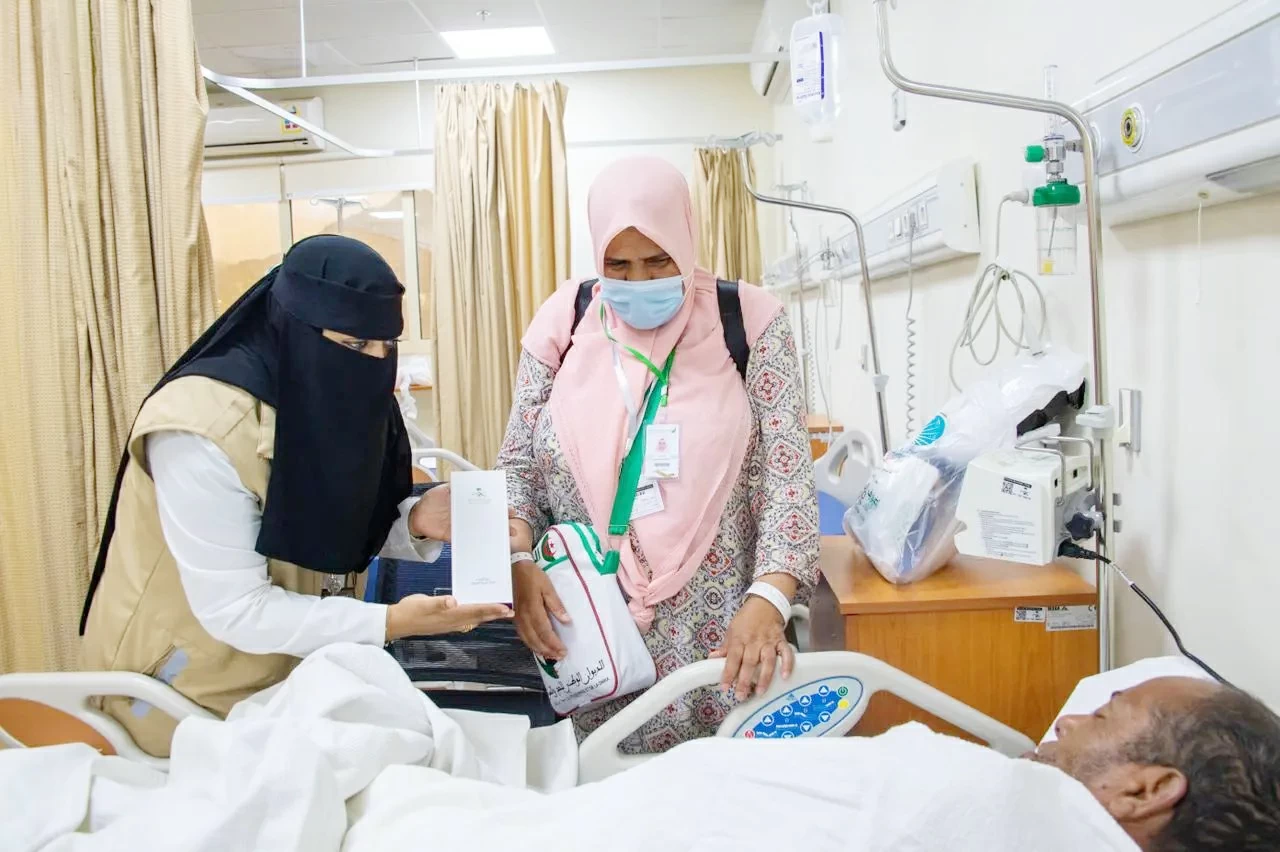
كشفت بيانات القوى العاملة الصحية في المملكة، تجاوز عدد الممارسين المسجلين في مهنتَي التمريض والقبالة 290 ألف ممارس وممارسة حتى 2026، بينهم نحو 110 آلاف سعودي وسعودية؛ ما يعكس اتساع حضور الكفاءات الوطنية في مهنتين أساسيتين ضمن المنظومة الصحية.
وأظهر رصد «عكاظ» لبيانات المركز الوطني لتخطيط القوى العاملة الصحية، التابع للهيئة السعودية للتخصصات الصحية، ارتفاع نسبة السعوديين في مهنتَي التمريض والقبالة من 30% عام 2018 إلى 38% عام 2026، بزيادة بلغت 8 نقاط مئوية.
ويأتي ذلك، ضمن التوسع الذي تشهده القوى العاملة الصحية في المملكة؛ إذ تجاوز إجمالي الممارسين الصحيين المسجلين لدى الهيئة السعودية للتخصصات الصحية 800 ألف ممارس في مختلف التخصصات، بينهم أكثر من 460 ألف ممارس سعودي.
تجاوز مستهدفات 2025
وبالتوازي مع نمو القوى العاملة الصحية، تجاوزت المملكة مستهدفها المتعلق بكثافة الكوادر التمريضية؛ إذ أظهر التقرير السنوي لتحول القطاع الصحي لعام 2025، ارتفاع عدد العاملين المؤهلين في التمريض إلى نحو 863.4 عامل لكل 100 ألف نسمة، متجاوزًا المستهدف المحدد عند 861 عاملًا لكل 100 ألف نسمة.
وبلغ خط الأساس للمؤشر 581.6 عامل تمريض لكل 100 ألف نسمة عام 2019؛ ما يعني ارتفاع المؤشر بنحو 281.8 عامل لكل 100 ألف نسمة بحلول 2025، وبنسبة نمو بلغت نحو 48.4%.
ويشير تجاوز المستهدف إلى التقدم المحقق في رفع كثافة العاملين المؤهلين في التمريض، بالتزامن مع جهود تأهيل الكفاءات وزيادة الإمداد بالقوى العاملة الصحية.
توسع التدريب الصحي
وبالتوازي مع نمو القوى العاملة الصحية، ارتفع عدد مقاعد القبول في برامج البورد السعودي للاختصاصات الصحية إلى 10,916 مقعدًا تدريبيًا 2025، بنمو بلغ 202% مقارنة بعام 2018.
وبلغ عدد المتدربين، وفق أحدث البيانات الرسمية، 25,876 متدربًا ضمن 195 برنامجًا تدريبيًا، فيما دربت الأكاديمية الصحية أكثر من 40 ألف متدرب عبر برامج منتهية بالتوظيف، نُفذت في أكثر من 37 مدينة، وبالشراكة مع أكثر من 350 جهة توظيف.
ويعكس هذا التوسع نمو منظومة التدريب الصحي التخصصي، ورفع جاهزية الكفاءات الوطنية، وربط مخرجات التدريب بحاجات سوق العمل والمنشآت الصحية في مختلف مناطق المملكة.
تزايد أعداد السعوديين والسعوديات
ويشير بلوغ عدد السعوديين المسجلين في مهنتَي التمريض والقبالة نحو 110 آلاف ممارس وممارسة إلى اتساع المشاركة الوطنية في المهنتين، بالتوازي مع نمو أعداد الممارسين وتوسع منظومة التأهيل والتدريب الصحي.
وتعكس مؤشرات عامي 2025 و2026، تقدمًا في تنمية الكوادر الوطنية ودعم استدامة القوى العاملة الصحية، بما ينسجم مع مستهدفات رؤية السعودية 2030 وبرنامج تحول القطاع الصحي.
Data from the health workforce in the Kingdom revealed that the number of registered practitioners in the professions of nursing and midwifery exceeded 290,000 by 2026, including about 110,000 Saudi men and women; reflecting the expanding presence of national competencies in two essential professions within the health system.
A monitoring report by "Okaz" on data from the National Center for Health Workforce Planning, affiliated with the Saudi Commission for Health Specialties, showed an increase in the percentage of Saudis in the professions of nursing and midwifery from 30% in 2018 to 38% in 2026, with an increase of 8 percentage points.
This comes as part of the expansion witnessed in the health workforce in the Kingdom; the total number of health practitioners registered with the Saudi Commission for Health Specialties exceeded 800,000 in various specialties, including more than 460,000 Saudi practitioners.
Exceeding 2025 Targets
In parallel with the growth of the health workforce, the Kingdom exceeded its target related to the density of nursing staff; the annual report on the transformation of the health sector for 2025 showed an increase in the number of qualified nursing workers to about 863.4 workers per 100,000 population, surpassing the target set at 861 workers per 100,000 population.
The baseline for the indicator was 581.6 nursing workers per 100,000 population in 2019; this means the indicator increased by about 281.8 workers per 100,000 population by 2025, with a growth rate of approximately 48.4%.
The exceeding of the target indicates the progress made in increasing the density of qualified nursing workers, alongside efforts to qualify competencies and increase the supply of the health workforce.
Expansion of Health Training
In parallel with the growth of the health workforce, the number of admission seats in the Saudi Board programs for health specialties increased to 10,916 training seats by 2025, with a growth of 202% compared to 2018.
The number of trainees, according to the latest official data, reached 25,876 trainees across 195 training programs, while the Health Academy trained more than 40,000 trainees through employment-ending programs implemented in more than 37 cities, in partnership with over 350 employment agencies.
This expansion reflects the growth of the specialized health training system, enhancing the readiness of national competencies, and linking training outputs to the needs of the labor market and health facilities in various regions of the Kingdom.
Increase in the Number of Saudis
The reaching of about 110,000 registered Saudis in the professions of nursing and midwifery indicates the widening national participation in these professions, alongside the growth in the number of practitioners and the expansion of the health qualification and training system.
Indicators for the years 2025 and 2026 reflect progress in developing national cadres and supporting the sustainability of the health workforce, in line with the targets of Saudi Vision 2030 and the Health Sector Transformation Program.