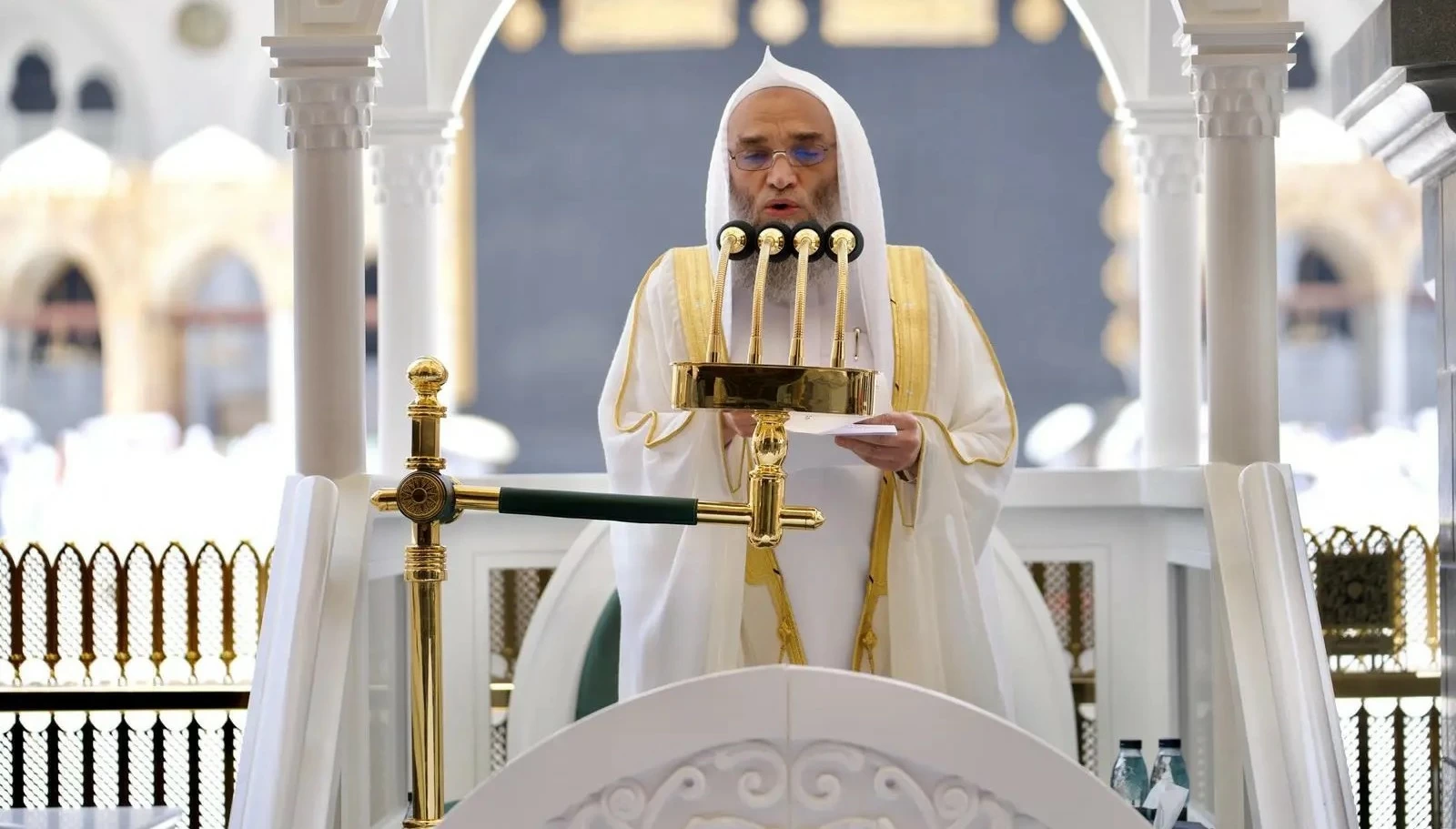
أوصى إمام وخطيب المسجد الحرام الشيخ الدكتور فيصل بن جميل غزاوي، المسلمين بتقوى الله واستشعار أعظم نعمه على المسلمين، ألا وهي نعمة الأخوة في الدين.
وقال في خطبته التي ألقاها اليوم، بالمسجد الحرام: «إن التآخي والتلاحم بين المسلمين فريضتان شرعيتان»، وقد ضرب لنا النبي -صلى الله عليه وسلم- أروع الأمثلة في بيان هذه الرابطة حين قال: «مثل المؤمنين في توادهم وتراحمهم وتعاطفهم مثل الجسد، إذا اشتكى منه عضو تداعى له سائر الجسد بالسهر والحمى».
وأوضح أن التلاحم بين المسلمين ليس أمرًا كماليًا، بل هو أساس من أسس الحياة الإيمانية، وبه تدوم النعم وتدفع النقم.
وشدد على أن يتكافل أفراد الأمة فيما بينهم، ويتعاون بعضهم مع بعض عملًا بقوله تعالى: (وَتَعَاونوا عَلَى البِرِّ والتقْوَى).
وبيّن أن من أفضل وجوه التعاون، هو التعاون على تعليم الخير والدعوة إلى الله، وذلك بالأمر بالمعروف والنهي عن المنكر.
وأضاف: التعاون المشروع في شؤون الدنيا، مجالاته كثيرة، وحاجة التعاون للناس فيه لا تنقطع، مثل: تفريج الكربات وقضاء حاجة المحتاج، ويحتاجها الناس كثيرًا.
واختتم الخطبة قائلًا: «إن الأخوة في الله ليست مجرد دعوى بل هي رابطة إيمانية متينة، تتجاوز الدم، واللغة، واللون، والنسب، والتراب، وأساس يبنى عليه المجتمع المسلم المتماسك، حيث تكمن قوة الأمة في تماسكها، وضعفها من تفرقها».
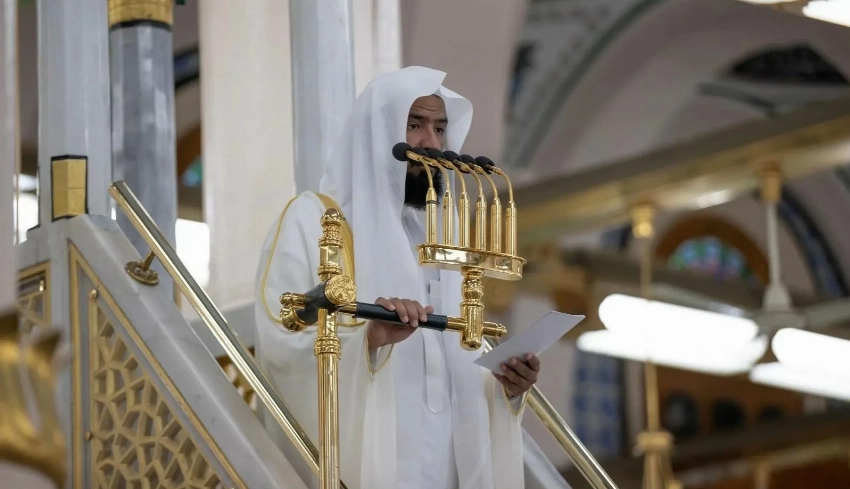
كما أوصى إمام وخطيب المسجد النبوي الشيخ عبدالله بن عبدالرحمن البعيجان، المسلمين بتقوى الله فهي مفتاح كل خير وأساس كل سعادة قال تعالى: (وَمَن يَتَّقِ اللَّهَ يَجْعَل لَّهُ مَخْرَجًا (2) وَيَرْزُقْهُ مِنْ حَيْثُ لَا يَحْتَسِبُ ۚ).
وبين أن السعادة مطلب عظيم وغاية كل إنسان وهي الفطرة التي فطر الله النفس على محبتها والتطلع إليها، مشيرًا إلى أن السعادة الحقة لا تنال بالأماني بل بالأسباب التي توصل إليها وأن الشرع أرشد إلى سبلها ودل على وسائلها وحث على الأخذ بأسبابها.
وتابع أن السعادة هي جزاء لا ينال إلا بالإيمان والطاعة قال تعالى: (وَٱلۡعَصۡرِ (1) إِنَّ ٱلۡإِنسَٰنَ لَفِي خُسۡرٍ (2) إِلَّا الَّذِينَ ءَامَنُواْ وَعَمِلُواْ ٱلصَّٰلِحَٰتِ وَتَوَاصَوۡاْ بِٱلۡحَقِّ وَتَوَاصَوۡاْ بِٱلصَّبۡرِ).
وأوضح أن السعادة هي مقصد مجمع عليه ومطلب متفق عليه يسعى إليه كل إنسان يطلبه في كل زمان ومكان ولكنه قد يخطئ في تصور حقيقتها ومعرفة كنهها وقد يخطئ الإنسان طريقها ويزل عن أسبابها.
وتابع أن الإيمان والعمل الصالح هما السبيل إلى السعادة قال تعالى: (مَنْ عَمِلَ صَالِحًا مِّن ذَكَرٍ أَوْ أُنثَىٰ وَهُوَ مُؤْمِنٌ فَلَنُحْيِيَنَّهُ حَيَاةً طَيِّبَةً ۖ وَلَنَجْزِيَنَّهُمْ أَجْرَهُم بِأَحْسَنِ مَا كَانُوا يَعْمَلُونَ).
وأوضح إمام وخطيب المسجد النبوي الشريف أن من أعرض عن تقوى الله وتنكب طاعة الله تعس بائس وغارق في أوحال الشقاء والهم والغم قال تعالى: (وَمَنْ أَعْرَضَ عَن ذِكْرِي فَإِنَّ لَهُ مَعِيشَةً ضَنكًا وَنَحْشُرُهُ يَوْمَ الْقِيَامَةِ أَعْمَىٰ).
وقال: «إن السعادة إعانة وتوفيق من الله يمن بها على من يشاء من عباده فيشعر صاحبها بانشراح الصدر والشعور بالرضا والطمأنينة وراحة البال والسكينة»، مبينًا أن الإيمان والعمل الصالح من أسباب السعادة، قال تعالى: (مَنْ عَمِلَ صَالِحًا مِّن ذَكَرٍ أَوْ أُنثَىٰ وَهُوَ مُؤْمِنٌ فَلَنُحْيِيَنَّهُ حَيَاةً طَيِّبَةً ۖ وَلَنَجْزِيَنَّهُمْ أَجْرَهُم بِأَحْسَنِ مَا كَانُوا يَعْمَلُونَ).
وأوضح أن من أعظم أسباب السعادة المحافظة على الفرائض والواجبات وعلى رأسها الصلاة التي هي صلة العبد بربه قال الله تعالى: (إِنَّ الَّذِينَ آمَنُوا وَعَمِلُوا الصَّالِحَاتِ وَأَقَامُوا الصَّلَاةَ وَآتَوُا الزَّكَاةَ لَهُمْ أَجْرُهُمْ عِندَ رَبِّهِمْ وَلَا خَوْفٌ عَلَيْهِمْ وَلَا هُمْ يَحْزَنُونَ).
وتابع أن ملازمة ذكر الله وتلاوة القرآن من أسباب السعادة قال سبحانه: (الَّذِينَ آمَنُوا وَتَطْمَئِنُّ قُلُوبُهُم بِذِكْرِ اللَّهِ ۗ أَلَا بِذِكْرِ اللَّهِ تَطْمَئِنُّ الْقُلُوبُ)، وقال تعالى: (فَإِمَّا يَأْتِيَنَّكُم مِّنِّي هُدًى فَمَنِ اتَّبَعَ هُدَايَ فَلَا يَضِلُّ وَلَا يَشْقَىٰ وَمَنْ أَعْرَضَ عَن ذِكْرِي فَإِنَّ لَهُ مَعِيشَةً ضَنكًا وَنَحْشُرُهُ يَوْمَ الْقِيَامَةِ أَعْمَىٰ).
وأشار الشيخ البعيجان إلى أن من أسباب السعادة الإيمان بالقضاء والقدر الذي هو ركن من أركان الإيمان وأصل من أصول العقيدة ومن ثمراته الصبر عند البلاء والرضا بما قسم الله وعدم التسخط والجزع وراحة البال وطمأنينة النفس قال تعالى: (لِّكَيْلَا تَأْسَوْا عَلَىٰ مَا فَاتَكُمْ وَلَا تَفْرَحُوا بِمَا آتَاكُمْ ۗ وَاللَّهُ لَا يُحِبُّ كُلَّ مُخْتَالٍ فَخُورٍ) وفي الحديث عن أبي هريرة، قال: قال رسول الله -صلى الله عليه وسلم- (المؤمن القوي خير وأحب إلى الله من المؤمن الضعيف، وفي كل خير، احرص على ما ينفعك واستعن بالله، ولا تعجز، وإن أصابك شيء فلا تقل: لو أني فعلت كان كذا وكذا، ولكن قل: قدر الله وما شاء فعل، فإن لو تفتح عمل الشيطان).
وبيّن إمام وخطيب المسجد النبوي الشريف أن السعادة لا تكمن في النعيم والتنعم والانغماس في الشهوات والغرق في الملذات إنما في نعيم القلب وطمأنينة النفس وصلاح الباطن تمتد آثارها إلى الدنيا والآخرة.
وأوضح أن أعظم ما يحجب العبد عن السعادة أمراض القلوب من حسد وحقد وبغض وكراهية وكبر ورياء؛ فالقلب هو ملك الجوارح ومحل الإيمان ومصدر السعادة ففي الحديث عن النعمان بن بشير -رضي الله عنه- قال سمعت رسول الله -صلى الله عليه وسلم- يقول (ألا إنَّ حمى الله محارمه، ألا وإنَّ في الجسد مُضغة إذا صلحت صلح الجسدُ كله، وإذا فسدت فسد الجسدُ كله، ألا وهي القلب).
وتابع أن من موانع السعادة إهمال الواجبات والانغماس في المحرمات والركض وراء الشهوات والشبهات؛ مما يسبب غشاوة وقسوة للقلوب وحرمانًا من كل خير قال تعالى: (أَمْ حَسِبَ الَّذِينَ اجْتَرَحُوا السَّيِّئَاتِ أَن نَّجْعَلَهُمْ كَالَّذِينَ آمَنُوا وَعَمِلُوا الصَّالِحَاتِ سَوَاءً مَّحْيَاهُمْ وَمَمَاتُهُمْ ۚ سَاءَ مَا يَحْكُمُونَ).
وبيّن الشيخ البعيجان أن مما يسلب السعادة سوء الظن بالله وما يجره من اليأسٍ من رحمته والقنوط من فضله والاستسلام للوسواس، مشيرًا إلى وجوب إحسان الظن بالله فالمؤمن يعلم أن تدبير الله كله خير ففي الحديث عن صُهَيْبِ بْنِ سِنَانٍ قَالَ: قَالَ رَسُولُ الله ﷺ: (عَجَبًا لأمْرِ الْمُؤْمِنِ إِنَّ أَمْرَهُ كُلَّهُ لَهُ خَيْرٌ، وَلَيْسَ ذَلِكَ لأِحَدٍ إِلاَّ للْمُؤْمِن: إِنْ أَصَابَتْهُ سَرَّاءُ شَكَرَ فَكَانَ خَيْرًا لَهُ، وَإِنْ أَصَابَتْهُ ضَرَّاءُ صَبَرَ فَكَانَ خيْرًا لَهُ).
وأشار إلى أنّ ضياع الوقت والتفريط في الواجبات والغرق في اللهو والملهيات من أهم موانع السعادة.
وختم إمام وخطيب المسجد النبوي الشريف بالقول: «إن التمسك بكتاب الله والاهتداء بهدي رسوله -صلى الله عليه وسلم- هما السبيل إلى السعادة».
The Imam and preacher of the Grand Mosque, Sheikh Dr. Faisal bin Jamil Ghazawi, advised Muslims to fear Allah and to feel the greatest of His blessings upon them, which is the blessing of brotherhood in faith.
In his sermon delivered today at the Grand Mosque, he said: "The bond of brotherhood and solidarity among Muslims is a religious obligation." The Prophet -peace be upon him- provided us with the most wonderful examples of this bond when he said: "The example of the believers in their mutual love, mercy, and compassion is like that of a body; when one part of it complains, the whole body responds with sleeplessness and fever."
He explained that the solidarity among Muslims is not a matter of luxury, but rather a fundamental principle of a life of faith, and through it, blessings endure and calamities are averted.
He emphasized that the individuals of the Ummah should support one another and cooperate, acting upon the words of Allah: (And cooperate in righteousness and piety).
He pointed out that one of the best forms of cooperation is the collaboration in teaching goodness and calling to Allah, which involves enjoining what is good and forbidding what is wrong.
He added: The permissible cooperation in worldly affairs has many avenues, and the need for cooperation among people in this regard is unending, such as relieving distress and fulfilling the needs of the needy, which people often require.
He concluded the sermon by saying: "Brotherhood in Allah is not merely a claim but a strong bond of faith that transcends blood, language, color, lineage, and soil. It is a foundation upon which the cohesive Muslim community is built, where the strength of the Ummah lies in its unity, and its weakness in its division."
Similarly, the Imam and preacher of the Prophet's Mosque, Sheikh Abdullah bin Abdulrahman Al-Buayjan, advised Muslims to fear Allah, for it is the key to all goodness and the foundation of all happiness. Allah says: (And whoever fears Allah, He will make for him a way out (2) and will provide for him from where he does not expect).
He explained that happiness is a great aspiration and the ultimate goal of every human being; it is the innate disposition that Allah has created in the soul to love and seek it. He pointed out that true happiness is not attained through mere wishes but through the means that lead to it, and that the Sharia has guided to its paths, indicated its means, and encouraged taking the necessary steps toward it.
He continued that happiness is a reward that can only be attained through faith and obedience. Allah says: (By time (1) indeed, mankind is in loss (2) except for those who have believed and done righteous deeds and advised one another to truth and advised one another to patience).
He clarified that happiness is a universally agreed-upon goal that every person seeks in every time and place, but one may err in understanding its true nature and essence, and a person may stray from its path and deviate from its causes.
He continued that faith and righteous deeds are the path to happiness. Allah says: (Whoever does a righteous deed, whether male or female, while he is a believer, We will surely give him a good life, and We will surely give them their reward according to the best of what they used to do).
The Imam and preacher of the Prophet's Mosque explained that whoever turns away from fearing Allah and neglects obedience to Him will be miserable, wretched, and sunk in the mire of misery and sorrow. Allah says: (And whoever turns away from My remembrance, indeed, he will have a depressed life, and We will gather him on the Day of Resurrection blind).
He said: "Happiness is a help and success from Allah that He grants to whomever He wills among His servants, making its possessor feel a sense of relief, contentment, peace of mind, and tranquility." He clarified that faith and righteous deeds are among the causes of happiness. Allah says: (Whoever does a righteous deed, whether male or female, while he is a believer, We will surely give him a good life, and We will surely give them their reward according to the best of what they used to do).
He explained that among the greatest causes of happiness is the observance of obligatory duties, foremost among them is prayer, which is the connection between the servant and his Lord. Allah says: (Indeed, those who have believed and done righteous deeds and established prayer and given zakah will have their reward with their Lord, and there will be no fear concerning them, nor will they grieve).
He continued that the constant remembrance of Allah and recitation of the Quran are among the causes of happiness. Allah says: (Those who have believed and whose hearts are assured by the remembrance of Allah. Unquestionably, by the remembrance of Allah hearts are assured). And Allah says: (So if there comes to you guidance from Me, then whoever follows My guidance will neither go astray nor suffer). And whoever turns away from My remembrance, indeed, he will have a depressed life, and We will gather him on the Day of Resurrection blind).
Sheikh Al-Buayjan pointed out that among the causes of happiness is belief in divine decree and destiny, which is a pillar of faith and a fundamental principle of belief. Among its fruits are patience in times of trial, contentment with what Allah has decreed, and avoiding discontent and despair, leading to peace of mind and tranquility of the soul. Allah says: (So that you do not grieve over what has escaped you and do not rejoice in what He has given you. And Allah does not like every self-deluded boaster). In a narration from Abu Huraira, he said: The Messenger of Allah -peace be upon him- said: (The strong believer is better and more beloved to Allah than the weak believer, while there is good in both. Strive for that which will benefit you and seek help from Allah, and do not be incapacitated. If something befalls you, do not say: If I had done this, it would have been such and such. Rather, say: This is the decree of Allah, and what He wills, He does, for the 'if' opens the door to the devil).
The Imam and preacher of the Prophet's Mosque clarified that happiness does not lie in luxury, indulgence in desires, or drowning in pleasures, but rather in the bliss of the heart, tranquility of the soul, and the righteousness of the inner self, the effects of which extend to this world and the Hereafter.
He explained that among the greatest barriers to happiness are the diseases of the heart, such as envy, hatred, animosity, pride, and ostentation. The heart is the king of the limbs, the seat of faith, and the source of happiness. In a narration from Al-Nu'man bin Bashir -may Allah be pleased with him- he said: I heard the Messenger of Allah -peace be upon him- say: (Indeed, in the body, there is a morsel of flesh; if it is sound, the whole body is sound, and if it is corrupt, the whole body is corrupt. That is the heart).
He continued that among the impediments to happiness are neglecting obligations, indulging in prohibitions, and chasing after desires and doubts, which cause blindness and hardness of hearts and deprivation from all good. Allah says: (Or do those who commit evils think We will make them like those who have believed and done righteous deeds, equal in their life and death? Bad is what they judge).
Sheikh Al-Buayjan stated that among the things that rob happiness is having a negative opinion of Allah and what it leads to, such as despair of His mercy, hopelessness of His grace, and surrender to whispers. He emphasized the necessity of having a good opinion of Allah, for the believer knows that Allah's planning is all good. In a narration from Suhayb bin Sinan, he said: The Messenger of Allah -peace be upon him- said: (Amazing is the affair of the believer; all of his affairs are good, and this is not the case for anyone except the believer. If he is afflicted with a blessing, he is grateful, and that is good for him; and if he is afflicted with a trial, he is patient, and that is good for him).
He pointed out that wasting time, neglecting obligations, and drowning in entertainment and distractions are among the most important barriers to happiness.
The Imam and preacher of the Prophet's Mosque concluded by saying: "Clinging to the Book of Allah and following the guidance of His Messenger -peace be upon him- are the paths to happiness."