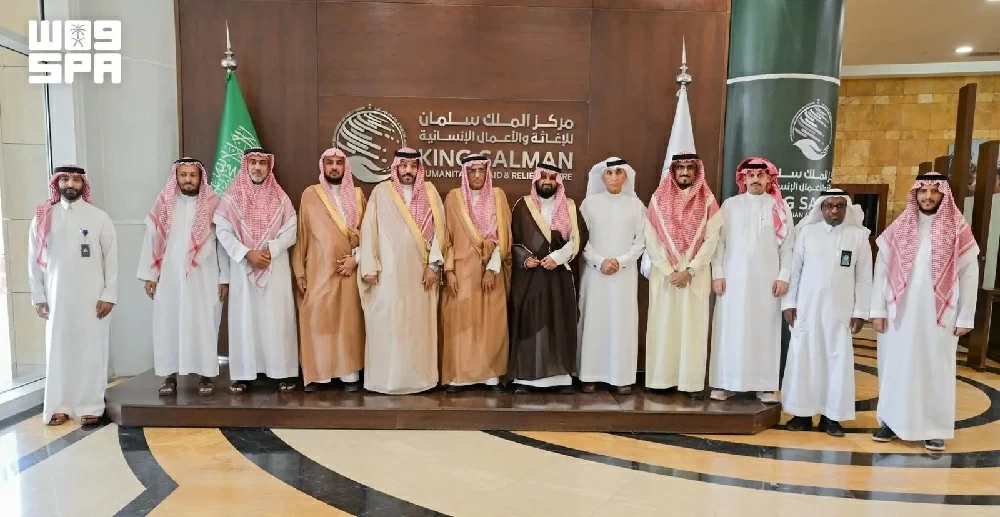
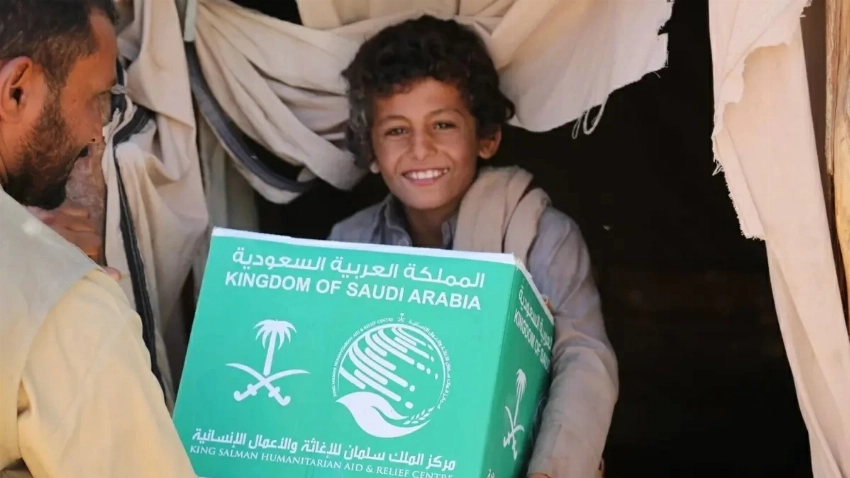
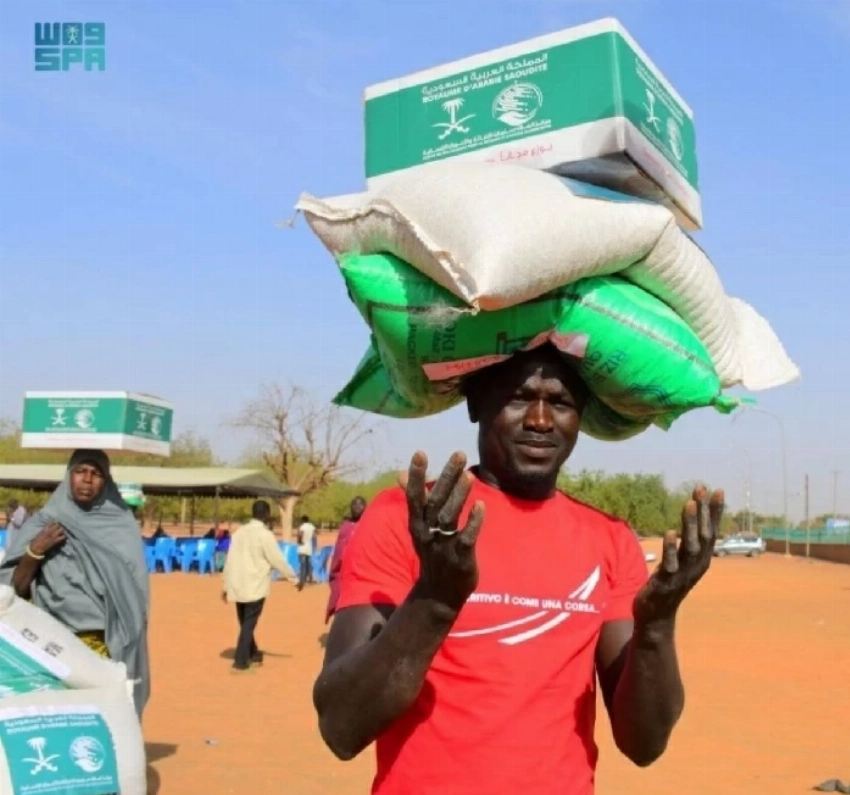
عزّزت المملكة العربية السعودية حضورها الإنساني والإغاثي عالميًا خلال شهر يونيو 2026م، عبر سلسلة من المشروعات النوعية والاتفاقيات الدولية التي نفّذها مركز الملك سلمان للإغاثة والأعمال الإنسانية، مستندةً إلى نهج مؤسسي يوجّه المساعدات إلى الفئات الأكثر احتياجًا دون تمييز، ويعكس التزام المملكة بدورها الإنساني العالمي.
ورصد تقرير المركز أبرز المشروعات التي شملت قطاعات الصحة والأمن الغذائي والمياه والإصحاح البيئي والإيواء والحماية والتمكين الاقتصادي، إلى جانب مؤشرات تراكمية موسّعة حول حجم أعمال المركز منذ تأسيسه وشراكاته الدولية والدول الأكثر استفادة من مساعداته.
وشهد يونيو توقيع وتنفيذ مشروعات امتدت من اليمن وفلسطين إلى السودان وسوريا وجيبوتي، بالتعاون مع منظمات أممية ودولية؛ من بينها منظمة الصحة العالمية وبرنامج الأمم المتحدة الإنمائي، إضافة إلى استمرار التنسيق مع مكتب الأمم المتحدة لتنسيق الشؤون الإنسانية وبرنامج الأغذية العالمي.
وفي اليمن، وقّع المركز اتفاقية لدعم صغار المزارعين وتعزيز إنتاج الغذاء، يستفيد منها 800 شخص بصورة مباشرة و6,500 بصورة غير مباشرة، فيما واصل مشروع (مسام) مهامه الإنسانية بنزع 6,786 لغمًا وذخيرة غير منفجرة خلال أربعة أسابيع، في إطار حماية المدنيين وتأمين المناطق المتضررة. كما شملت تدخلات حضرموت مشروعات في الإيواء والصحة والتعليم والمياه والتمكين؛ من بينها مشروع يضم 114 وحدة سكنية.
وفي فلسطين، وقّع المركز برنامجًا تنفيذيًا مشتركًا مع منظمة الصحة العالمية لدعم خدمات التغذية في قطاع غزة، يستهدف أكثر من 258 ألف مستفيد بصورة مباشرة، وأكثر من 1.17 مليون مستفيد بصورة غير مباشرة، في ظل الاحتياجات الإنسانية المتزايدة.
وامتدت مشروعات المركز إلى السودان عبر مشروع لإعادة تأهيل ستة مستشفيات وإنشاء ثلاث محطات لإنتاج الأكسجين، يستفيد منه نحو ثلاثة ملايين شخص، فيما شملت التدخلات في سورية دعم مجمع الهدى للرعاية الصحية في دمشق، ومشروعًا للتمكين الاقتصادي للنساء الريفيات بالتعاون مع برنامج الأمم المتحدة الإنمائي.
وفي جيبوتي، نفّذ المركز مشروعًا لحفر وتجهيز ثمانية آبار ارتوازية يستفيد منها نحو 93 ألف شخص، بما يعزز الوصول إلى المياه الآمنة ويحسّن الأوضاع الصحية والمعيشية.
وتُظهر البيانات التراكمية تنفيذ المركز 4,425 مشروعًا في 113 دولة بتكلفة تجاوزت 8.549 مليارات دولار، بالتعاون مع 356 شريكًا دوليًا وإقليميًا ومحليًا. وتصدّر القطاع الصحي المشروعات المنفذة، يليه الأمن الغذائي، ثم الإيواء والتعليم والمياه والحماية والتعافي المبكر والتغذية ودعم العمليات الإنسانية.
كما تصدّر اليمن قائمة الدول الأكثر استفادة من مشروعات المركز، تليه سورية وفلسطين والصومال وباكستان والسودان، في انعكاس لامتداد الأثر الإنساني السعودي إلى مناطق واسعة حول العالم.
ويجسِّد تنوع مشروعات المركز خلال يونيو 2026م، وامتدادها الجغرافي والقطاعي، تكامل العمل الإنساني السعودي بين الاستجابة العاجلة ودعم التعافي والتنمية المستدامة، فيما تؤكد المؤشرات التراكمية اتساع أثر المساعدات السعودية وشراكاتها الدولية في خدمة المجتمعات الأكثر احتياجًا عالميًا.
The Kingdom of Saudi Arabia enhanced its humanitarian and relief presence globally during June 2026, through a series of qualitative projects and international agreements implemented by the King Salman Center for Relief and Humanitarian Action, based on an institutional approach that directs aid to the most needy groups without discrimination, reflecting the Kingdom's commitment to its global humanitarian role.
A report from the center highlighted the most prominent projects that included sectors such as health, food security, water, environmental sanitation, shelter, protection, and economic empowerment, along with expanded cumulative indicators regarding the center's activities since its establishment and its international partnerships, as well as the countries that benefited the most from its aid.
June witnessed the signing and implementation of projects extending from Yemen and Palestine to Sudan, Syria, and Djibouti, in collaboration with UN and international organizations, including the World Health Organization and the United Nations Development Programme, in addition to ongoing coordination with the United Nations Office for the Coordination of Humanitarian Affairs and the World Food Programme.
In Yemen, the center signed an agreement to support small farmers and enhance food production, benefiting 800 people directly and 6,500 indirectly. Meanwhile, the (Masam) project continued its humanitarian tasks by clearing 6,786 landmines and unexploded ordnance over four weeks, as part of efforts to protect civilians and secure affected areas. The interventions in Hadhramaut included projects in shelter, health, education, water, and empowerment, including a project comprising 114 housing units.
In Palestine, the center signed a joint executive program with the World Health Organization to support nutrition services in the Gaza Strip, targeting more than 258,000 beneficiaries directly and over 1.17 million beneficiaries indirectly, amid increasing humanitarian needs.
The center's projects extended to Sudan through a project to rehabilitate six hospitals and establish three oxygen production stations, benefiting about three million people, while interventions in Syria included support for the Al-Huda Health Complex in Damascus and an economic empowerment project for rural women in collaboration with the United Nations Development Programme.
In Djibouti, the center implemented a project to drill and equip eight artesian wells benefiting about 93,000 people, enhancing access to safe water and improving health and living conditions.
Cumulative data shows that the center has implemented 4,425 projects in 113 countries at a cost exceeding $8.549 billion, in collaboration with 356 international, regional, and local partners. The health sector topped the implemented projects, followed by food security, then shelter, education, water, protection, early recovery, nutrition, and support for humanitarian operations.
Yemen topped the list of countries benefiting the most from the center's projects, followed by Syria, Palestine, Somalia, Pakistan, and Sudan, reflecting the extensive impact of Saudi humanitarian efforts across wide areas of the world.
The diversity of the center's projects during June 2026, along with their geographical and sectoral extension, embodies the integration of Saudi humanitarian work between urgent response and support for recovery and sustainable development, while cumulative indicators confirm the widening impact of Saudi aid and its international partnerships in serving the most needy communities globally.