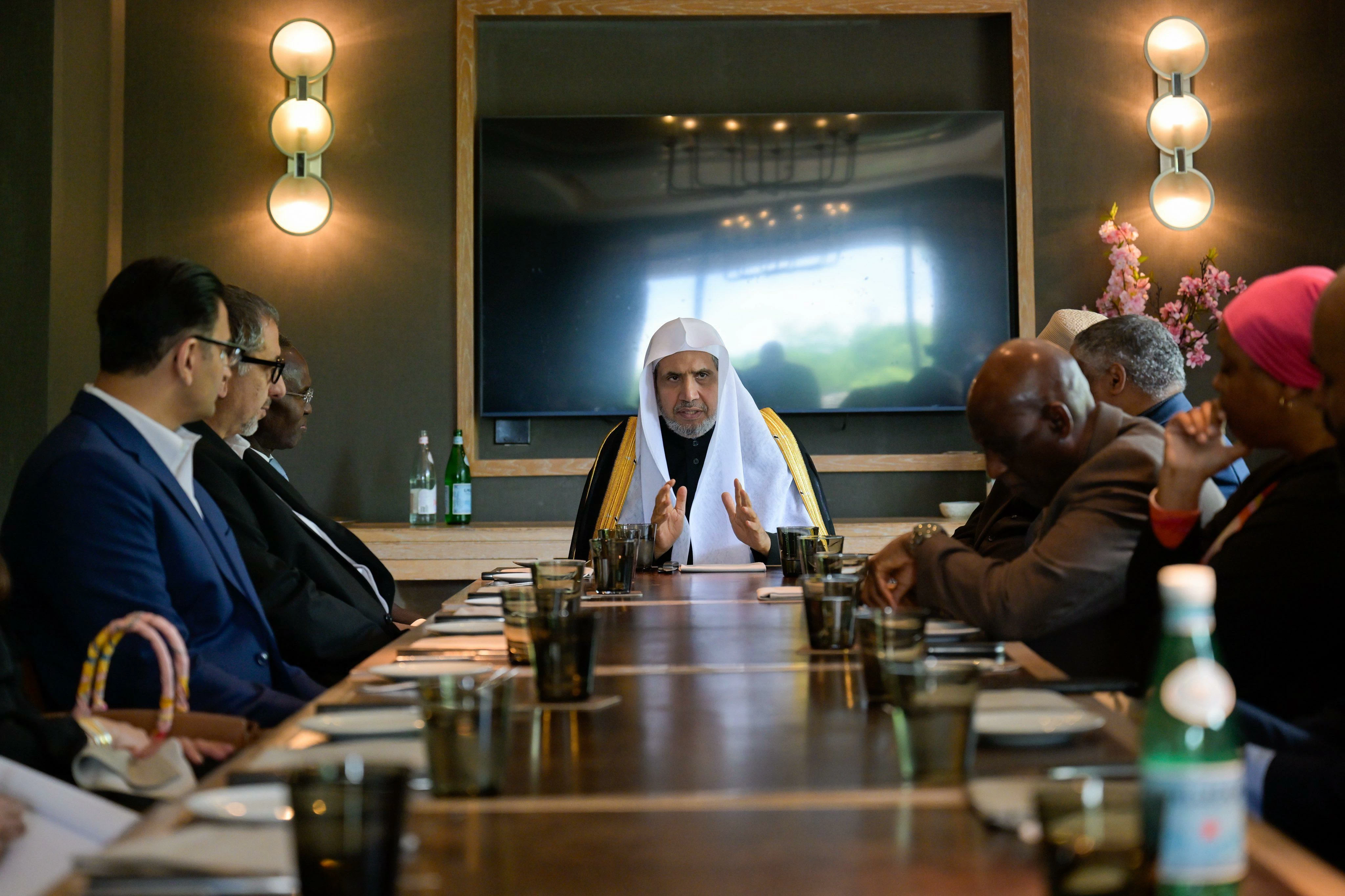
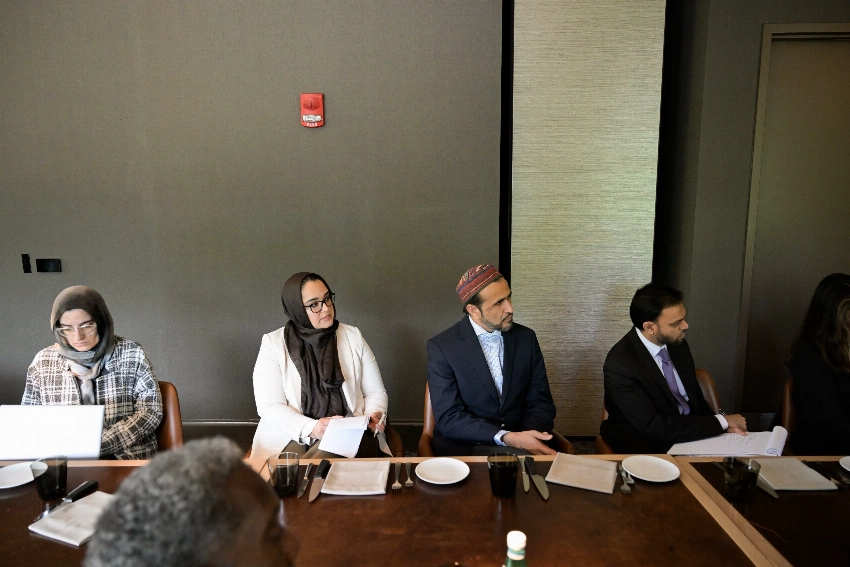
ترأس الأمين العام لرابطة العالم الإسلامي رئيس هيئة علماء المسلمين الشيخ الدكتور محمد بن عبدالكريم العيسى في العاصمة الأمريكية واشنطن الجلسة الثالثة لمجلس القيادات الإسلامية في أمريكا الشمالية والجنوبية، الذي تمّ تأسيسه على ضوء مضامين «وثيقة مكة المكرمة»، في أعقاب مؤتمره التأسيسي العام، المنعقد في واشنطن خلال شهر مارس 2022، بحضور القيادات الإسلامية في الأمريكتَين، إلى جانب الحضور الداعم في جلسته الختامية من الحكوميّين والمشرِّعين الأمريكيين، وقيادات التنوع الديني.
وقد اختارَت قياداتُ المؤتمر التأسيسي آنذاك الدكتور محمد العيسى رئيسًا للمجلس، باعتبار ارتكازه على «وثيقة مكة المكرمة»، وتقديرًا لدعوته إلى إنشائه، ولِمَا يُمثّلُه من جانبٍ توافقيٍّ بين الجميع، مع الأخذ في الاعتبار انضمام شخصياتٍ إسلامية مؤثّرة وداعمة للمجلس من خارج الأمريكتَين، على غرار المراكز والمجالس والهيئات ذات الصفة الشبيهة.
وجرى خلال جلسة المجلس مناقشةُ عددٍ من الموضوعات المطروحة من قبل الرئيس والأعضاء، من بينها موضوع الهوية الدينية والوطنية، حيث أكّد العيسى أنّه لا تعارُض بينهما في الدساتير والقوانين المتحضّرة التي تحترم الخصوصية الدينية، وأنّ أصحاب الأفكار المتطرفة هم الذين يفتعلون هذا التعارُض.
وأشاد العيسى بالمكوّن الإسلامي الأمريكي الذي نأى بنفسه عن أجندات الجماعات المتطرفة، التي اختزلَت –بتطرُّفِها- دينَ الإسلام العظيم في أهداف سياسية ضيّقة، وتصوُّراتٍ مغلوطة، مشيرًا إلى أنّ المكوّن الإسلامي الأمريكي محلّ اعتزازٍ في فضائنا الإسلامي العام، حيث جسّد قِيَم الاعتدال الديني في سماحته وتعايُشِه وسائر قِيَمه المُتمثّلة في حِكمته وحُسن سلوكه، لاسيما احترامه للنظام العام والقوانين، مقدِّراً ما اطّلع عليه من إسهامه الفاعل في دعْم التماسك المجتمعي، الذي تشهَدُ به علاقاته المتميزة مع مختلف مكوّنات التنوع المجتمعي.
كما شهدَت الجلسةُ تناول موضوع الكراهية عمومًا والإسلاموفوبيا خصوصًا، حيث أكّد العيسى أنّ الدساتير والقوانين المتحضّرة لا تسمح بممارسات الكراهية، معربًا عن سعادته بانخراط المكوّن الإسلامي في الإسهام في التصدي لأصوات الكراهية وشعاراتها وممارساتها، أيًّا كان مصدرها، وأيًّا كانت الفئات أو الأديان أو الأعراق المُستهدفة بها.
كما نوقِش عدد من المصطلحات الإسلامية، واستعراض المفاهيم الخاطئة حولها، مع التأكيد على ضرورة تصحيحها، حيث استعرض العيسى -بحسب استطلاعاته الدولية- عددًا من المصطلحات ذات الصلة، مستعرِضًا بالتفصيل نماذج من سوء فهمها، ومبيّنًا -بالشرح العلمي الموثّق بالنصوص والسّرد التاريخي- أفضل السُّبُل للتّصدِّي لها.
The Secretary-General of the Muslim World League, Chairman of the Council of Muslim Scholars, Sheikh Dr. Mohammed bin Abdulkarim Al-Issa, chaired the third session of the Council of Islamic Leaders in North and South America in the U.S. capital, Washington. This council was established in light of the contents of the "Makkah Document" following its founding conference held in Washington in March 2022, with the attendance of Islamic leaders from both Americas, alongside supportive attendees in its concluding session from American government officials, legislators, and leaders of religious diversity.
During that founding conference, the leaders chose Dr. Mohammed Al-Issa as the chairman of the council, based on its foundation on the "Makkah Document," in appreciation of his call for its establishment, and for what it represents in terms of consensus among all. This also considered the joining of influential Islamic figures supporting the council from outside the Americas, similar to centers, councils, and bodies of a similar nature.
During the council session, a number of topics were discussed, raised by the president and members, including the issue of religious and national identity. Al-Issa emphasized that there is no contradiction between them in the constitutions and laws of civilized societies that respect religious privacy, and that it is the extremists who fabricate this contradiction.
Al-Issa praised the American Islamic component that distanced itself from the agendas of extremist groups, which have narrowed – through their extremism – the great religion of Islam to narrow political goals and distorted perceptions. He pointed out that the American Islamic component is a source of pride in our general Islamic space, as it embodies the values of religious moderation in its tolerance, coexistence, and all its values represented in its wisdom and good conduct, especially its respect for public order and laws. He appreciated what he observed of its active contribution to supporting social cohesion, as evidenced by its distinguished relationships with various components of social diversity.
The session also addressed the topic of hatred in general and Islamophobia in particular, where Al-Issa affirmed that civilized constitutions and laws do not permit practices of hatred. He expressed his happiness with the involvement of the Islamic component in contributing to countering voices of hatred, their slogans, and practices, regardless of their source, and regardless of the targeted groups, religions, or races.
A number of Islamic terms were also discussed, along with a review of the misconceptions surrounding them, emphasizing the need to correct these misconceptions. Al-Issa reviewed – according to his international surveys – several related terms, detailing examples of their misinterpretation, and explaining – with scientific documentation supported by texts and historical narratives – the best ways to address them.