ترأس ولي العهد رئيس مجلس الوزراء الأمير محمد بن سلمان، اليوم (الثلاثاء)، القمة الخليجية الاستثنائية لقادة ورؤساء وفود دول مجلس التعاون لدول الخليج العربية، التي عُقدت في جدة، في مشهد يعكس ثقل المملكة القيادي في إدارة ملفات الإقليم، وبحث القادة خلالها جملة من القضايا المرتبطة بالمستجدات الإقليمية والدولية، في ظل تصاعد التوترات وانعكاساتها على الأمن والاستقرار وأمن الطاقة.
في مقدمة المستقبلين
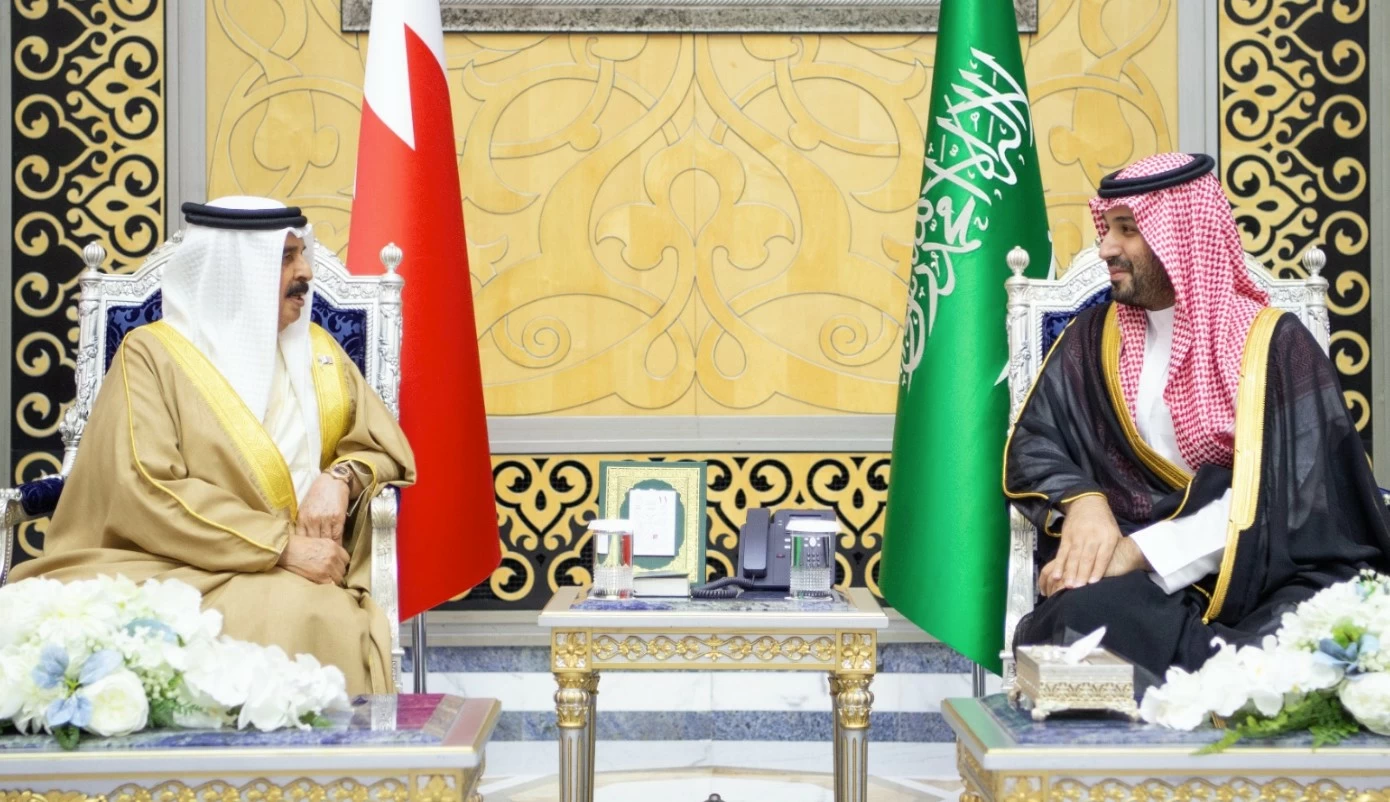
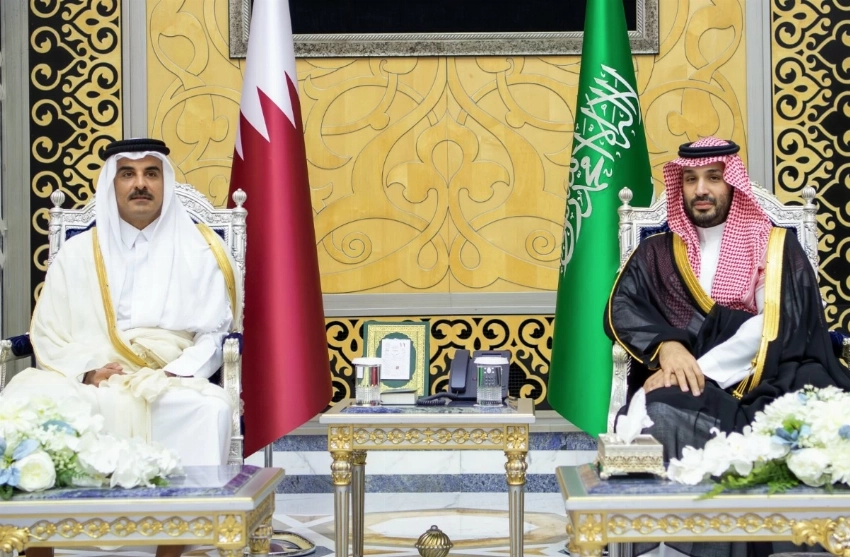
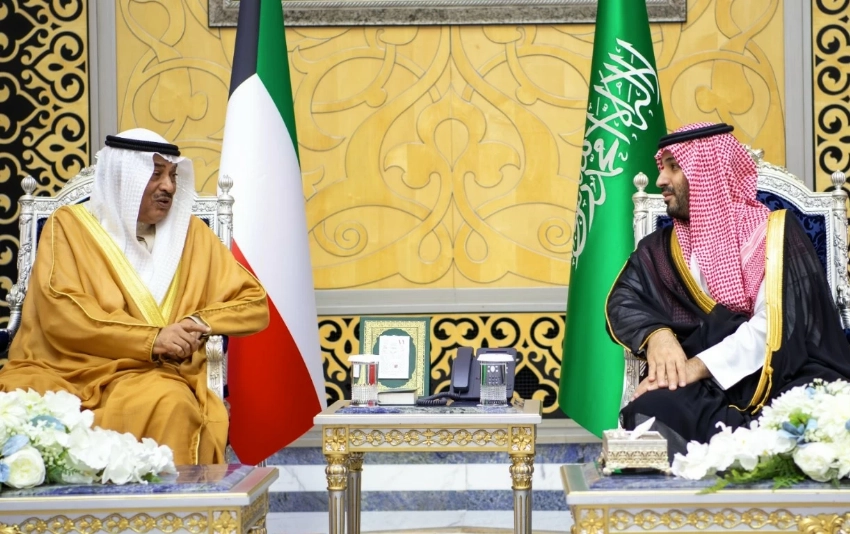
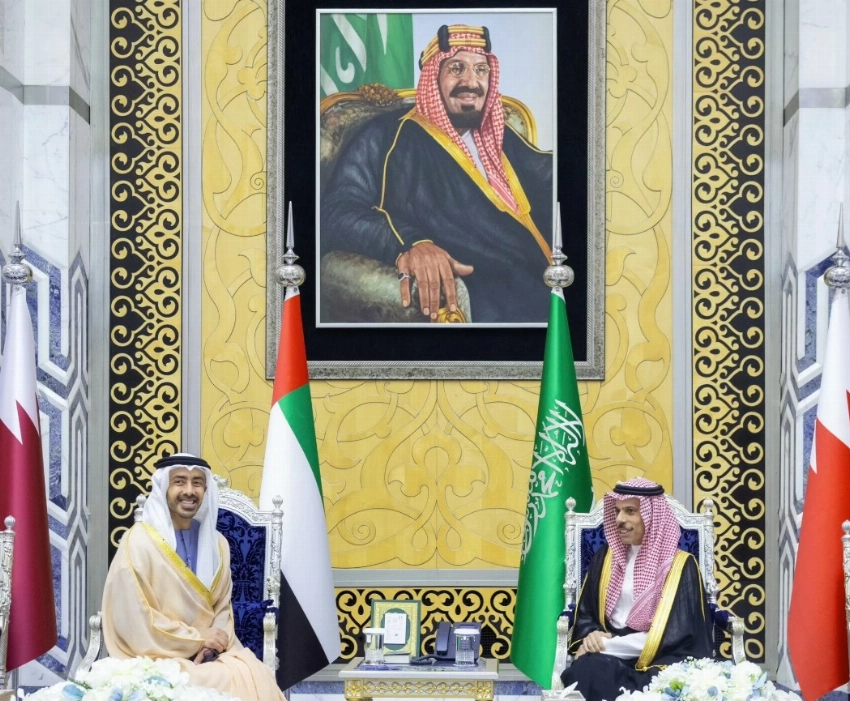
وكان ولي العهد في طليعة مستقبلي قادة دول الخليج، حيث استقبل ملك البحرين الملك حمد بن عيسى آل خليفة، وأمير دولة قطر الشيخ تميم بن حمد آل ثاني، وولي عهد دولة الكويت الشيخ صباح خالد الحمد الصباح. كما وصل نائب رئيس مجلس الوزراء وزير خارجية الإمارات الشيخ عبدالله بن زايد، وكان في استقباله وزير الخارجية الأمير فيصل بن فرحان.
ولي العهد الأمير محمد بن سلمان خلال استقباله أمير دولة قطر تميم بن حمد آل ثاني.
تحرك خليجي بقيادة سعودية
وجاء انعقاد القمة برئاسة الأمير محمد بن سلمان تأكيداً للدور المحوري للمملكة في توحيد الموقف الخليجي وتعزيز التنسيق الجماعي لمواجهة التحديات، خصوصاً في ظل تصاعد الاعتداءات التي استهدفت منشآت مدنية وبنى تحتية، وما تفرضه من ضرورة تحرك مشترك لحماية أمن المنطقة واستقرارها، وضمان استمرارية تدفق الطاقة وسلامة الممرات الحيوية.
ولي العهد الأمير محمد بن سلمان خلال استقباله ولي العهد دولة الكويت الشيخ صباح الخالد الحمد الصباح.
البديوي: دعوة كريمة ولقاء تشاوري
وقال الأمين العام لمجلس التعاون لدول الخليج العربية جاسم محمد البديوي، إنه تلبية لدعوة كريمة من خادم الحرمين الشريفين الملك سلمان بن عبدالعزيز آل سعود -حفظه الله-، عقد قادة دول المجلس لقائهم التشاوري التاسع عشر، برئاسة الأمير محمد بن سلمان، اليوم (الثلاثاء) في مدينة جدة.
إدانة الاعتداءات ومسار دبلوماسي
وأوضح البديوي أن القادة بحثوا الأوضاع الإقليمية الراهنة، خصوصاً ما يتصل بتصاعد التوتر في المنطقة، وما تعرضت له دول المجلس والمملكة الأردنية الهاشمية من اعتداءات إيرانية سافرة، مشيراً إلى أن القمة ناقشت السبل الكفيلة بإيجاد مسار دبلوماسي ينهي الأزمة، ويمهد الطريق للتوصل إلى اتفاقات وتفاهمات تعالج مصادر القلق، وتعزز الأمن والاستقرار على المدى البعيد.
وأكد أن قادة دول المجلس ثمنوا الدعوة الكريمة الصادرة عن قيادة المملكة لعقد هذه القمة، والتي تعكس حرصها على تعزيز التضامن الخليجي، وتنسيق المواقف للتعامل مع التحديات التي تمر بها المنطقة.
وزير الخارجية الأمير فيصل بن فرحان يستقبل نائب رئيس مجلس الوزراء وزير الخارجية والتعاون الدولي بدولة الإمارات الشيخ عبدالله بن زايد آل نهيان
إدانة حازمة وفقدان الثقة
وبيّن الأمين العام أن القادة أعربوا عن إدانتهم واستنكارهم الشديدين للاعتداءات الإيرانية التي طالت دول المجلس والأردن، واستهدفت منشآت مدنية وبنى تحتية، وما نتج عنها من خسائر في الأرواح والممتلكات، معتبرين ذلك انتهاكاً جسيماً لسيادة الدول وميثاق الأمم المتحدة والقانون الدولي وقواعد حسن الجوار. وأشار إلى أن هذه الاعتداءات أدت إلى تراجع الثقة بشكل حاد، ما يستوجب من إيران اتخاذ خطوات جادة لإعادة بنائها.
حق الدفاع وتماسك الصف
ولفت إلى تأكيد القادة حق دول المجلس في الدفاع عن نفسها، فردياً أو جماعياً، وفق المادة (51) من ميثاق الأمم المتحدة، واتخاذ كافة الإجراءات لحماية السيادة والأمن والاستقرار، مشددين على أن أمن دول المجلس كلٌ لا يتجزأ، وأن أي اعتداء على دولة عضو يعد اعتداءً مباشراً على الجميع، وفق اتفاقية الدفاع المشترك.
إشادة بالكفاءة العسكرية
وأشار البديوي إلى إشادة القادة بما أظهرته القوات المسلحة لدول المجلس من شجاعة وجاهزية عالية في التصدي للاعتداءات الصاروخية والطائرات المسيرة، والتعامل معها بكفاءة واحترافية، بما أسهم في حماية أمن الدول الأعضاء ومقدراتها.
تعافٍ سريع لمنشآت الطاقة
كما نوه بما أظهرته دول المجلس من قدرة على تجاوز التحديات، وإعادة تأهيل منشآت الطاقة المتضررة بسرعة وكفاءة، بما حافظ على استقرار الإمدادات، إلى جانب التعامل مع اضطرابات سلاسل الإمداد، وتعزيز التعاون في مجالات النقل والخدمات اللوجستية وقطاع الطيران.
رفض إغلاق هرمز
وأكد الأمين العام أن القادة أعربوا عن رفضهم القاطع للإجراءات الإيرانية غير القانونية لإغلاق مضيق هرمز أو عرقلة الملاحة فيه، أو فرض رسوم على عبور السفن، مشددين على ضرورة استعادة أمن الملاحة وحرية المرور، وعودة الأوضاع إلى ما كانت عليه قبل 28 فبراير 2026.
تسريع المشاريع والتكامل الخليجي
واختتم البديوي تصريحه بالإشارة إلى توجيه القادة للأمانة العامة بسرعة استكمال المشاريع الخليجية المشتركة، وفي مقدمتها مشاريع النقل والخدمات اللوجستية، والإسراع في تنفيذ مشروع سكك الحديد الخليجية، وتعزيز الربط الكهربائي، والمضي في مشاريع أنابيب النفط والغاز، والربط المائي، إلى جانب دراسة إنشاء مخزون استراتيجي خليجي، وتكثيف التكامل العسكري، وتسريع إنجاز منظومة الإنذار المبكر للصواريخ الباليستية، بما يعزز الجاهزية ويحمي أمن المنطقة على المدى البعيد.
Crown Prince and Prime Minister Mohammed bin Salman chaired today (Tuesday) the extraordinary Gulf summit for the leaders and heads of delegations of the Gulf Cooperation Council (GCC) countries, which was held in Jeddah, in a scene that reflects the Kingdom's leadership weight in managing regional issues. During the summit, the leaders discussed a range of issues related to regional and international developments, amid rising tensions and their implications for security, stability, and energy security.
At the Forefront of the Welcoming
The Crown Prince was at the forefront of welcoming the leaders of the Gulf states, receiving King Hamad bin Isa Al Khalifa of Bahrain, Emir Sheikh Tamim bin Hamad Al Thani of Qatar, and Crown Prince Sheikh Sabah Khaled Al Hamad Al Sabah of Kuwait. The Deputy Prime Minister and Minister of Foreign Affairs of the UAE, Sheikh Abdullah bin Zayed, also arrived and was welcomed by Foreign Minister Prince Faisal bin Farhan.
ولي العهد الأمير محمد بن سلمان خلال استقباله أمير دولة قطر تميم بن حمد آل ثاني.
Gulf Movement Led by Saudi Arabia
The summit, chaired by Prince Mohammed bin Salman, reaffirmed the Kingdom's pivotal role in unifying the Gulf stance and enhancing collective coordination to face challenges, especially in light of the escalating attacks targeting civilian facilities and infrastructure, necessitating a joint action to protect the security and stability of the region and ensure the continuity of energy flow and the safety of vital corridors.
ولي العهد الأمير محمد بن سلمان خلال استقباله ولي العهد دولة الكويت الشيخ صباح الخالد الحمد الصباح.
Al-Budaiwi: A Gracious Invitation and Consultative Meeting
The Secretary-General of the Gulf Cooperation Council, Jasem Mohammed Al-Budaiwi, stated that in response to a gracious invitation from the Custodian of the Two Holy Mosques, King Salman bin Abdulaziz Al Saud - may God protect him - the leaders of the Council held their nineteenth consultative meeting, chaired by Prince Mohammed bin Salman, today (Tuesday) in Jeddah.
Condemnation of Attacks and Diplomatic Path
Al-Budaiwi explained that the leaders discussed the current regional situation, particularly concerning the rising tensions in the region and the overt Iranian attacks targeting the GCC countries and the Hashemite Kingdom of Jordan. He pointed out that the summit discussed ways to create a diplomatic path to end the crisis and pave the way for agreements and understandings that address sources of concern and enhance long-term security and stability.
He emphasized that the leaders of the Council appreciated the gracious invitation issued by the Kingdom's leadership to hold this summit, reflecting its commitment to enhancing Gulf solidarity and coordinating positions to address the challenges facing the region.
وزير الخارجية الأمير فيصل بن فرحان يستقبل نائب رئيس مجلس الوزراء وزير الخارجية والتعاون الدولي بدولة الإمارات الشيخ عبدالله بن زايد آل نهيان
Firm Condemnation and Loss of Trust
The Secretary-General indicated that the leaders expressed their strong condemnation and denunciation of the Iranian attacks that targeted the GCC countries and Jordan, which targeted civilian facilities and infrastructure, resulting in loss of life and property. They considered this a grave violation of the sovereignty of states, the United Nations Charter, international law, and the principles of good neighborliness. He noted that these attacks have led to a sharp decline in trust, necessitating Iran to take serious steps to rebuild it.
The Right to Defend and Cohesion
He pointed out that the leaders reaffirmed the right of the GCC countries to defend themselves, individually or collectively, in accordance with Article (51) of the United Nations Charter, and to take all measures to protect sovereignty, security, and stability, stressing that the security of the GCC countries is indivisible, and any attack on a member state is considered a direct attack on all, according to the mutual defense agreement.
Praise for Military Competence
Al-Budaiwi noted the leaders' praise for the courage and high readiness demonstrated by the armed forces of the GCC countries in responding to missile and drone attacks, handling them with efficiency and professionalism, which contributed to protecting the security and resources of the member states.
Rapid Recovery of Energy Facilities
He also highlighted the ability of the GCC countries to overcome challenges and quickly and efficiently rehabilitate damaged energy facilities, which helped maintain supply stability, in addition to addressing supply chain disruptions and enhancing cooperation in transportation, logistics services, and the aviation sector.
Rejection of Closing Hormuz
The Secretary-General confirmed that the leaders expressed their firm rejection of the illegal Iranian measures to close the Strait of Hormuz or obstruct navigation therein, or impose fees on the passage of ships, stressing the necessity of restoring navigation security and freedom of passage, and returning the situation to what it was before February 28, 2026.
Accelerating Projects and Gulf Integration
Al-Budaiwi concluded his statement by pointing out that the leaders directed the General Secretariat to expedite the completion of joint Gulf projects, foremost among them transportation and logistics services projects, hastening the implementation of the Gulf railway project, enhancing electrical connectivity, advancing oil and gas pipeline projects, and water linkage, in addition to studying the establishment of a Gulf strategic stockpile, intensifying military integration, and accelerating the completion of the early warning system for ballistic missiles, which enhances readiness and protects the security of the region in the long term.