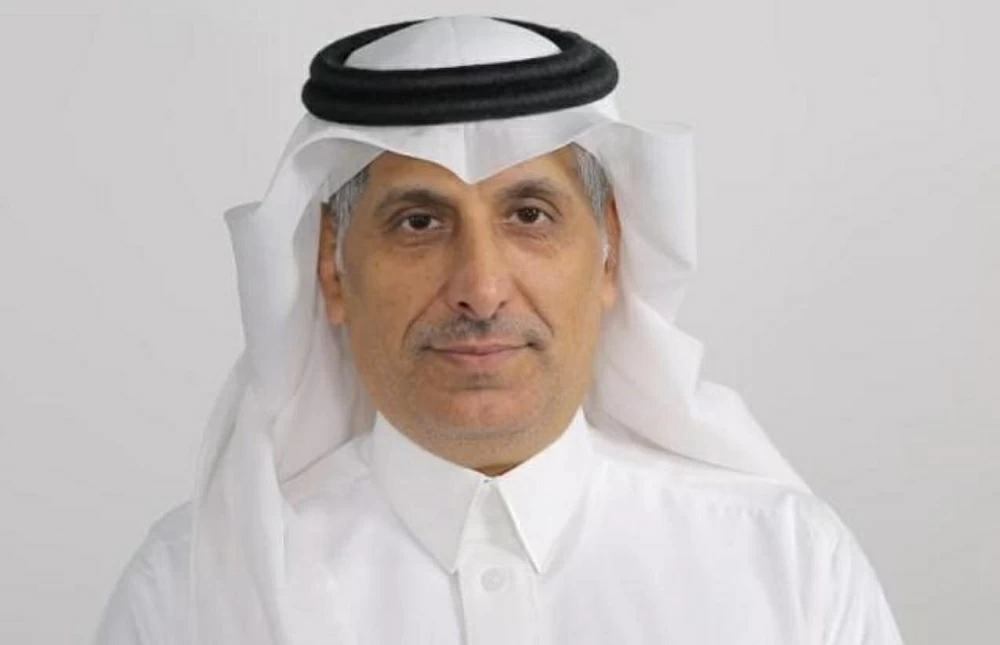
كشفت دراسة سعودية حديثة أن تطبيقات الذكاء الاصطناعي أصبحت جزءاً فعلياً من بيئة التعليم الإعلامي؛ حيث يستخدمها 9 من كل 10 أساتذة إعلام في الجامعات السعودية؛ بحسب ما أوضحه نائب المشرف على كرسي د. إبراهيم المهنا لإعلام الطاقة والإعلام المتخصص الدكتور حبشي الشمري، ضمن دراسة ميدانية شملت عدداً من أبرز الجامعات.
وأظهرت نتائج الدراسة، التي أُجريت على 84 أكاديمياً في جامعات من بينها جامعة الملك عبدالعزيز وجامعة الملك سعود وجامعة الإمام محمد بن سعود الإسلامية، أن الغالبية العظمى من أعضاء هيئة التدريس ينظرون إلى هذه التطبيقات بوصفها أدوات داعمة لتطوير العملية التعليمية، خصوصاً في تسريع إنجاز المهام وتعزيز التعلم خارج قاعات المحاضرات.
وبيّنت الدراسة أن أبرز فوائد استخدام الذكاء الاصطناعي تتمثل في تحسين جودة التدريس، وتمكين الأساتذة من إدارة وقتهم بكفاءة أعلى، إلى جانب الإسهام في تطوير مهارات الطلاب، وهو ما يعكس تحولاً تدريجياً في نماذج التعليم التقليدي نحو بيئات أكثر تفاعلية ومرونة.
في المقابل، كشفت النتائج مخاوف واضحة لدى الأكاديميين، تصدّرتها القضايا الأخلاقية والقانونية، إضافة إلى احتمالات الانتحال العلمي من قبل الطلاب، حيث سجلت هذه المخاوف مستويات مرتفعة في الاستبيان، ما يؤكد أن التعاطي مع التقنية يتم بوعي مهني لا بحماس مطلق.
وعند استشراف المستقبل، أبدى نحو 8 من كل 10 أساتذة قناعة بأن الذكاء الاصطناعي لن يكون بديلاً عن دورهم، مؤكدين أن القيمة البشرية في العملية التعليمية تظل عنصراً حاسماً لا يمكن استبداله.
واختتمت الدراسة بالتأكيد على أهمية تبني الجامعات سياسات واضحة لتنظيم استخدام هذه التطبيقات، وتقديم برامج تدريبية متخصصة، إلى جانب تحديث الأطر الأخلاقية بما يواكب التحولات المتسارعة في هذا المجال.
.
A recent Saudi study revealed that artificial intelligence applications have become an integral part of the media education environment; 9 out of 10 media professors at Saudi universities use them, according to researcher Habshi Al-Shammari, as part of a field study that included several prominent universities.
The results of the study, which was conducted on 84 academics from universities including King Abdulaziz University, King Saud University, and Imam Muhammad bin Saud Islamic University, showed that the vast majority of faculty members view these applications as supportive tools for enhancing the educational process, particularly in speeding up task completion and promoting learning outside of lecture halls.
The study indicated that the main benefits of using artificial intelligence lie in improving teaching quality, enabling professors to manage their time more efficiently, and contributing to the development of students' skills, reflecting a gradual shift in traditional education models towards more interactive and flexible environments.
Conversely, the results revealed clear concerns among academics, primarily regarding ethical and legal issues, in addition to the potential for academic dishonesty by students. These concerns recorded high levels in the survey, confirming that engagement with technology is approached with professional awareness rather than unbridled enthusiasm.
Looking to the future, about 8 out of 10 professors expressed confidence that artificial intelligence will not replace their role, emphasizing that the human element in the educational process remains a crucial component that cannot be substituted.
The study concluded by stressing the importance of universities adopting clear policies to regulate the use of these applications, providing specialized training programs, and updating ethical frameworks to keep pace with the rapid transformations in this field.