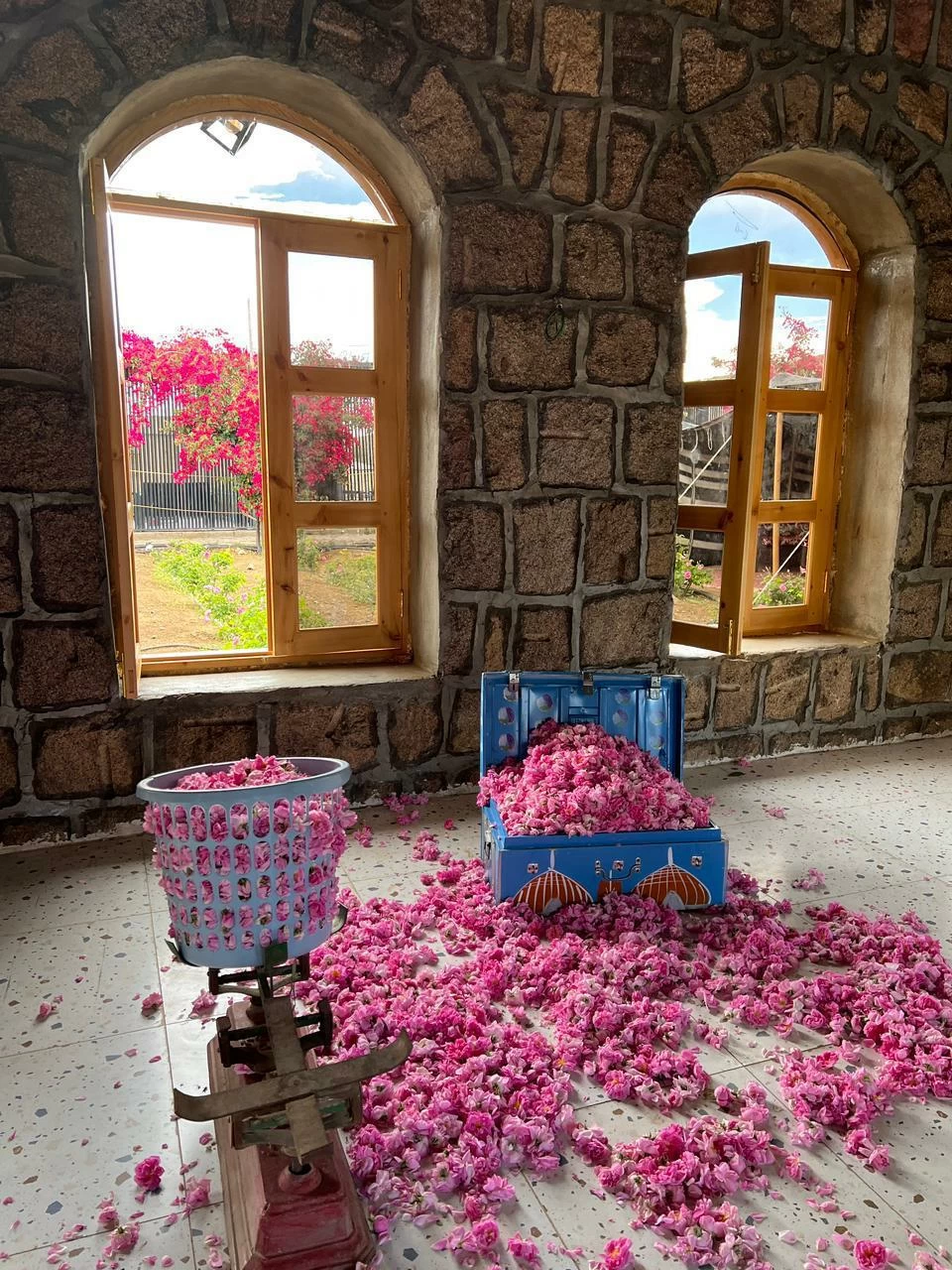
أعلن رئيس جامعة الطائف الدكتور يوسف عسيري، تخصيص مساحة تبلغ 1.6 مليون متر مربع داخل الحرم الجامعي في سيسد لزراعة الورد الطائفي، في خطوة تعكس توجه الجامعة نحو دعم هذا المنتج الوطني وتعزيز استدامته وتطويره علمياً واقتصادياً.
وجاء الإعلان بالتزامن مع مشاركة 15 أكاديمياً من الجامعة في الملتقى العلمي المصاحب لفعاليات الورد الطائفي، حيث قدموا رؤى بحثية متقدمة تجمع بين الابتكار العلمي والحفاظ على الإرث الزراعي، واضعين أسساً جديدة لمستقبل صناعة الورد الطائفي وفق منهجيات تقنية حديثة. استعرض المشاركون حزمة من الحلول العلمية المتقدمة، إذ أكد أستاذ الجينوم والوراثة الجزيئية الدكتور سلمان العوفي، إمكانية تطوير أصناف محسّنة من الورد الطائفي عبر الهندسة الوراثية لرفع الجودة وزيادة القدرة الإنتاجية.
وأشار أستاذ البيئة النباتية الدكتور طارق محمد جلال، إلى أن الذكاء الاصطناعي سيقود تحولاً نوعياً في التنبؤ بالإنتاج وجودة الزيت ومكافحة الآفات، وفي محور التقنيات الحيوية، أوضح أستاذ الهندسة الوراثية النباتية الدكتور محمد القرشي، أن زراعة الأنسجة تمثل خياراً إستراتيجياً لإنتاج شتلات متطابقة وخالية من الأمراض، فيما شددت أستاذة فطريات وأمراض النبات الدكتورة عبير القرشي، على أهمية المكافحة الحيوية كبديل آمن للمبيدات لضمان جودة الورد ونقاء زيوته، كما قدّمت أستاذة فسيولوجيا النبات الدكتورة فاطمة العتيبي، حلولاً تعتمد على الزراعة العمودية والمائية لتعزيز كفاءة الإنتاج وتقليل الفاقد وتحسين جودة الزيوت العطرية.
وفي الجانب الاقتصادي، تناول محلل تطوير مبادرات المناطق بالهيئة العامة للمنشآت علي الرويجحي دور المبادرات الداعمة لرواد الأعمال في قطاع الورد. ودعا أستاذ البيئة النباتية الدكتور علي مجرشي، إلى استثمار المخلفات الزراعية وتحويلها إلى موارد اقتصادية ذات قيمة، بينما شدد أستاذ البيئة النباتية الدكتور حاتم الياسي، على ضرورة تبني إستراتيجيات تكيف مع التغير المناخي لضمان استدامة الإنتاج في السنوات القادمة.
وفي الإطار البحثي المتقدم، استعرضت أستاذة الوراثة وتطبيقات التقنية الحيوية الدكتورة أمل اليماني، دور التقنيات الجزيئية في تطوير أصناف تتحمل الإجهادات البيئية، فيما طرح أستاذ فسيولوجيا النبات الدكتور عصمت أحمد، توظيف تقنية البلوك تشين لتعزيز شفافية سلسلة الإمداد ورفع موثوقية المنتج عالمياً.
كما قدّمت أستاذة الكيمياء العضوية الحيوية والبيئية الدكتورة تغريد السفياني، طرحاً حول الكيمياء النباتية وتطوير مبيدات حيوية صديقة للبيئة، بينما ركزت مديرة عام قطاع الحرف والصناعات اليدوية بهيئة التراث الدكتورة داليا اليحيى، على أهمية حماية الحرفة التقليدية لصناعة ماء ودهن الورد وتعزيز حضورها الثقافي والتسويقي.
The President of Taif University, Dr. Yusuf Al-Asiri, announced the allocation of an area of 1.6 million square meters within the university campus in Sisd for the cultivation of Taif roses, in a move that reflects the university's direction towards supporting this national product and enhancing its sustainability and scientific and economic development.
The announcement coincided with the participation of 15 academics from the university in the scientific forum accompanying the events of the Taif rose, where they presented advanced research insights that combine scientific innovation with the preservation of agricultural heritage, laying new foundations for the future of the Taif rose industry according to modern technological methodologies. The participants showcased a package of advanced scientific solutions, as Professor of Genomics and Molecular Genetics, Dr. Salman Al-Aufi, confirmed the possibility of developing improved varieties of Taif roses through genetic engineering to enhance quality and increase production capacity.
Professor of Plant Ecology, Dr. Tarek Mohammed Jalal, pointed out that artificial intelligence will lead to a qualitative transformation in predicting production and oil quality and pest control. In the field of biotechnology, Professor of Plant Genetic Engineering, Dr. Mohammed Al-Qurashi, explained that tissue culture represents a strategic option for producing disease-free, identical seedlings, while Professor of Fungi and Plant Diseases, Dr. Abeer Al-Qurashi, emphasized the importance of biological control as a safe alternative to pesticides to ensure the quality of roses and the purity of their oils. Additionally, Professor of Plant Physiology, Dr. Fatima Al-Otaibi, presented solutions based on vertical and hydroponic farming to enhance production efficiency, reduce waste, and improve the quality of aromatic oils.
On the economic side, Ali Al-Ruwaijhi, an analyst for regional initiatives at the General Authority for Small Enterprises, discussed the role of initiatives supporting entrepreneurs in the rose sector. Professor of Plant Ecology, Dr. Ali Majrashi, called for investing agricultural waste and transforming it into valuable economic resources, while Professor of Plant Ecology, Dr. Hatim Al-Yasi, stressed the need to adopt strategies that adapt to climate change to ensure production sustainability in the coming years.
In the advanced research framework, Professor of Genetics and Biotechnology Applications, Dr. Amal Al-Yamani, reviewed the role of molecular techniques in developing varieties that withstand environmental stresses, while Professor of Plant Physiology, Dr. Ismat Ahmed, proposed employing blockchain technology to enhance the transparency of the supply chain and increase the global reliability of the product.
Moreover, Professor of Organic and Environmental Chemistry, Dr. Taghreed Al-Sufyani, presented a proposal on phytochemistry and the development of environmentally friendly biopesticides, while Dr. Dalia Al-Yahya, Director General of the Crafts and Handicrafts Sector at the Heritage Authority, focused on the importance of protecting the traditional craft of producing rose water and oil and enhancing its cultural and marketing presence.