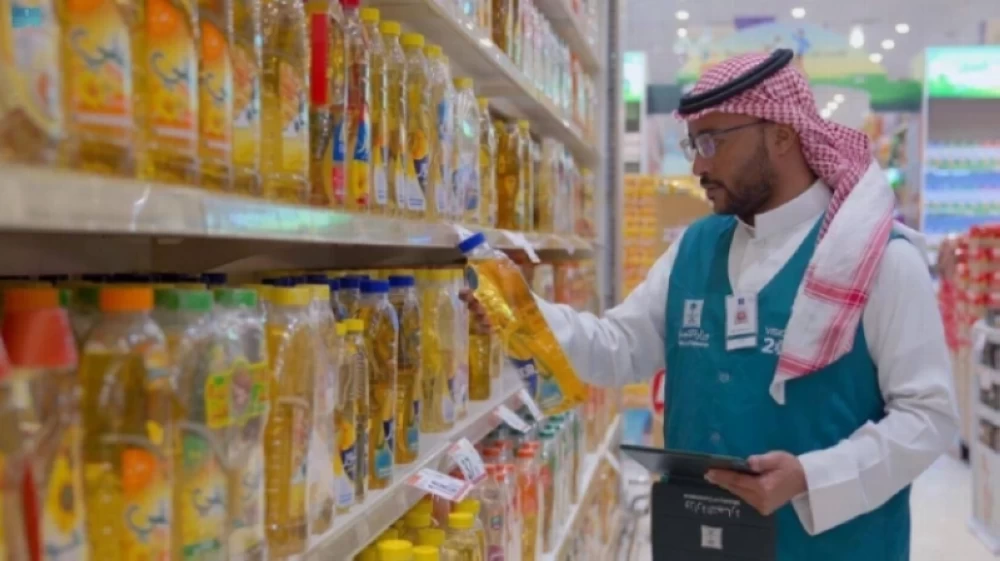
أسفرت حملات قادتها فرق رقابية عن تسجيل 2,896 مخالفة وإنذارًا على أسواق ومسالخ في شهر فبراير. وبدأت الحملات الميدانية للتأكد من جاهزية 17,948 سوق من اسواق النفع العام العام خلال شهر رمضان، وبحسب تقرير لوزارة البيئة والمياه والزراعة شارك في الحملة 494 مأمور ضبط، رصدوا أكثر من 58.5 ألف كجم من الخضار والفاكهة واللحوم والدواجن والأسماك مخالفة للمعايير، وتم إتلافها، كما تم إجراء فحوصات مخبرية لمتبقيات المبيدات على منتجات الزراعية شملت 1482 عينة.
واستهدفت الحملة التأكد من الجاهزية التشغيلية للأسواق والمسالخ لتلبية الطلب المتزايد خلال موسم رمضان بكفاءة عالية، وتكثيف الرقابة الميدانية لضمان الالتزام بأعلى معايير الامتثال، وضمان سلامة الأغذية وجودة المنتجات المتداولة في الأسواق والارتقاء بمستوى الخدمات المقدمة للمستفيدين.
وكانت الجهات المختصة ألزمت الأسواق بالدفع الإلكتروني في البيع والشراء وأن يراعي في إقامة أسواق المواشي أن تكون خارج النطاق العمراني، على أن يتم تحديد أيام وساعات العمل المناسبة لكل سوق في المدن، مع تسجيل المعلومات المتعلقة بالمنتجات وتشمل اسم المزارع أو الشركة أو التاجر ورقم السجل الزراعي أو التجاري وبيانات المنتجات، و تسجيل أسعار المنتجات الزراعية في الأسواق الرئيسية بالسعودية عبر القنوات والمنصات المعتمدة عن طريق مراقب الأسعار المكلَّف من وزارة البيئة والمياه والزراعة وفروعها ومكاتبها، كما يلتزم المستثمر بإدخال بيانات الأسعار والكميات عبر القنوات والمنصات المعتمدة وقيام الشركة المشغلة أو المستثمر للسوق بأعمال النظافة والصيانة والحراسات الأمنية لمرافق السوق، و رفع تقرير دوري عن أعمال النظافة والصيانة، و إلزام جميع المتعاملين بالسوق بوضع النفايات في الأماكن المخصصة لها والتنظيف والتعقيم الدوري لحاويات النفايات والأماكن المعرضة للتلوث، وإذا كان السوق مغلقاً توضع ستائر هوائية عند المداخل مع مكافحة الحشرات والقوارض والحيوانات الضالة بالطرق الميكانيكية على ألا تؤثر على سلامة المنتجات الغذائية.
Inspection campaigns led by monitoring teams resulted in the registration of 2,896 violations and warnings against markets and slaughterhouses in February. Field campaigns began to ensure the readiness of 17,948 public benefit markets during the month of Ramadan. According to a report from the Ministry of Environment, Water, and Agriculture, 494 inspectors participated in the campaign, monitoring over 58.5 thousand kilograms of vegetables, fruits, meat, poultry, and fish that did not meet the standards, which were destroyed. Laboratory tests for pesticide residues on agricultural products included 1,482 samples.
The campaign aimed to ensure the operational readiness of markets and slaughterhouses to efficiently meet the increasing demand during the Ramadan season, intensifying field monitoring to ensure compliance with the highest standards, and ensuring food safety and the quality of products traded in the markets while enhancing the level of services provided to beneficiaries.
Relevant authorities required markets to use electronic payment for buying and selling and stipulated that livestock markets should be located outside urban areas. Suitable working days and hours for each market in cities should be determined, along with recording information related to products, including the name of the farm, company, or trader, the agricultural or commercial registration number, and product data. Agricultural product prices in major markets in Saudi Arabia must be recorded through approved channels and platforms by the price monitor assigned by the Ministry of Environment, Water, and Agriculture and its branches and offices. Investors are also required to input price and quantity data through approved channels and platforms, and the operating company or market investor must carry out cleaning, maintenance, and security services for market facilities, submitting regular reports on cleaning and maintenance activities. All market participants are obligated to dispose of waste in designated areas and to regularly clean and disinfect waste containers and areas prone to contamination. If the market is closed, air curtains should be placed at the entrances, and measures should be taken to combat insects, rodents, and stray animals using mechanical methods that do not affect the safety of food products.