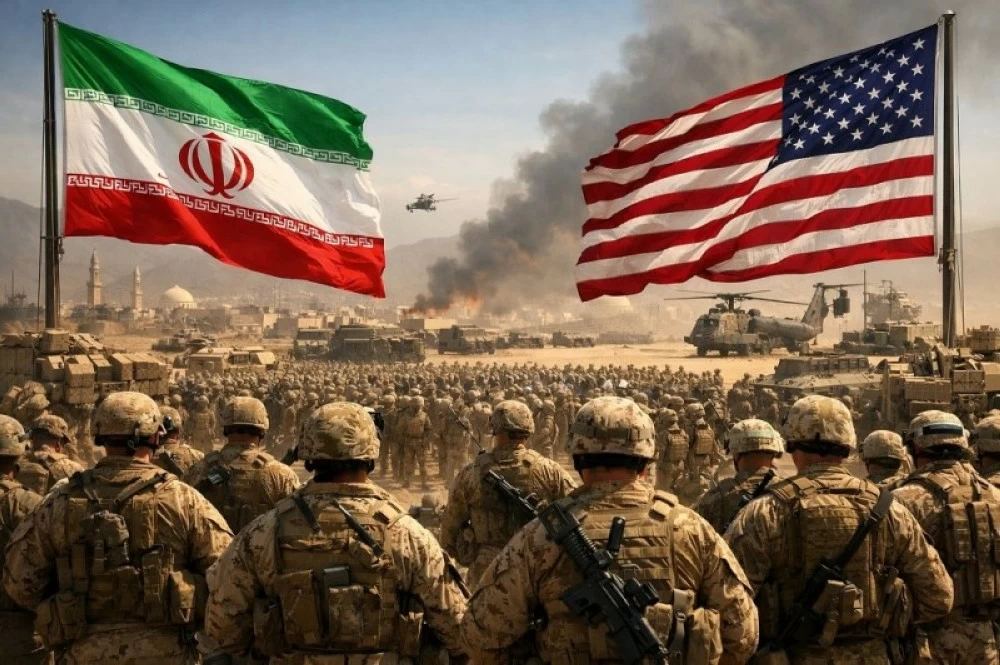
كشفت بيانات تتبّع الطيران ومسؤول أمريكي عن انتقال أكثر من 50 طائرة مقاتلة من طرازات F-35 Lightning II وF-22 Raptor وF-16 Fighting Falcon إلى منطقة الشرق الأوسط خلال الـ24 ساعة الماضية، في تحرك جوي مكثف يعكس تصاعدًا لافتًا في وتيرة الانتشار العسكري الأمريكي.
ووفق المعطيات، نُفذت التعزيزات خلال يوم واحد فقط، عبر وصول أسراب مقاتلة إلى مسارح عمليات مختلفة، دون كشف تفاصيل عن قواعد تمركزها أو طبيعة المهمات الموكلة إليها، فيما يُنتظر صدور بيانات رسمية توضح خلفيات الخطوة وسياقها العملياتي.
حشد عسكري ورسائل ردع
يأتي هذا الانتشار في ظل توتر إقليمي متصاعد، وتحركات عسكرية وجوية متزامنة تشهدها المنطقة. كما يتزامن مع إرسال إدارة الرئيس دونالد ترمب حاملة طائرات ثانية إلى المنطقة، في مؤشر على استعدادات متزايدة تحسبًا لأي تطورات محتملة مع إيران.
وأكد نائب الرئيس الأمريكي جيه دي فانس أن طهران لم تُبدِ استعدادًا للاعتراف ببعض «الخطوط الحمراء» التي وضعها ترمب، وعلى رأسها منع إيران من امتلاك سلاح نووي، محذرًا من أن تحولها إلى دولة نووية سيدفع دولًا أخرى في المنطقة وخارجها إلى السعي لامتلاك السلاح ذاته. وشدد على أن جميع الخيارات ما تزال مطروحة، بما في ذلك الخيار العسكري، بالتوازي مع المسار الدبلوماسي.
جنيف.. تقدم حذر
التصعيد العسكري تزامن مع جولة محادثات غير مباشرة بين واشنطن وطهران في جنيف. وأعلن وزير الخارجية الإيراني عباس عراقجي التوصل إلى «مبادئ توجيهية» لاتفاق نووي محتمل عقب مفاوضات استمرت 3 ساعات مع مبعوثي ترمب، جاريد كوشنر وستيف ويتكوف.
ووصف عراقجي المحادثات بأنها «جدية وبناءة وإيجابية»، مشيرًا إلى تحقيق تقدم مقارنة بالاجتماع السابق، مع الاتفاق على العمل على مسودات مكتوبة تمهيدًا لجولة ثالثة.
من جانبه، أكد وزير الخارجية العُماني بدر البوسعيدي، الذي اضطلع بدور الوسيط، أن الجولة الثانية انتهت «بتقدم جيد نحو تحديد الأهداف المشتركة والقضايا التقنية ذات الصلة»، لافتًا إلى أن الطريق لا يزال يتطلب خطوات واضحة قبل أي اتفاق نهائي.
مشهد معقّد
في وقت تتحدث فيه طهران عن تقدم تفاوضي، تواصل واشنطن حشد قوات إضافية في الشرق الأوسط، ما يعكس إستراتيجية مزدوجة تقوم على الضغط العسكري بالتوازي مع الانخراط الدبلوماسي. وبين التصعيد والانفتاح، يبقى المشهد الإقليمي مفتوحًا على احتمالات متعددة، رهنًا بما ستسفر عنه الجولات القادمة من مفاوضات.
Flight tracking data and an American official revealed the transfer of more than 50 fighter jets, including F-35 Lightning II, F-22 Raptor, and F-16 Fighting Falcon models, to the Middle East over the past 24 hours, in an intensive air movement that reflects a notable increase in the pace of American military deployment.
According to the data, the reinforcements were carried out in just one day, with squadrons of fighters arriving at various operational theaters, without disclosing details about their bases or the nature of the missions assigned to them, while official data is expected to clarify the background and operational context of this step.
Military Buildup and Deterrence Messages
This deployment comes amid escalating regional tensions and simultaneous military and air movements in the area. It coincides with the Trump administration sending a second aircraft carrier to the region, indicating increased preparations in anticipation of any potential developments with Iran.
U.S. Vice President J.D. Vance confirmed that Tehran has not shown a willingness to acknowledge some of the "red lines" set by Trump, primarily preventing Iran from acquiring nuclear weapons, warning that its transformation into a nuclear state would drive other countries in the region and beyond to seek the same weapon. He emphasized that all options remain on the table, including military options, alongside the diplomatic path.
Geneva.. Cautious Progress
The military escalation coincided with an indirect round of talks between Washington and Tehran in Geneva. Iranian Foreign Minister Abbas Araghchi announced the reaching of "guiding principles" for a potential nuclear agreement following three hours of negotiations with Trump's envoys, Jared Kushner and Steve Witkoff.
Araghchi described the talks as "serious, constructive, and positive," noting progress compared to the previous meeting, with an agreement to work on written drafts in preparation for a third round.
For his part, Omani Foreign Minister Badr al-Busaidi, who played the role of mediator, confirmed that the second round ended "with good progress towards defining common goals and relevant technical issues," pointing out that the path still requires clear steps before any final agreement.
Complex Scene
While Tehran speaks of negotiating progress, Washington continues to mobilize additional forces in the Middle East, reflecting a dual strategy based on military pressure alongside diplomatic engagement. Between escalation and openness, the regional scene remains open to multiple possibilities, depending on the outcomes of the upcoming rounds of negotiations.