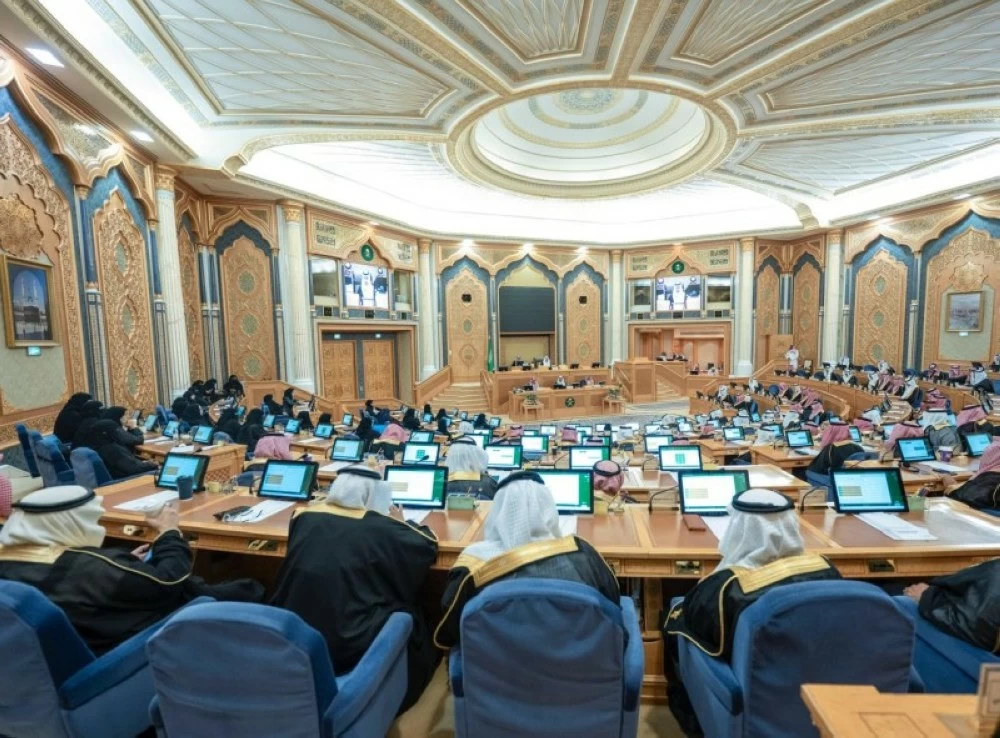
أمطر عدد من أعضاء مجلس الشورى، جامعات سعودية بسيل ملاحظات، وتضمّنت مداخلات الأعضاء تطلعات بتحقيق مستهدفات الرؤية من التعليم العالي، وتكرّرت ملاحظات أعضاء على أغلب الجامعات التي ناقش مجلس الشورى تقاريرها السنوية.
وطالب مجلس الشورى جامعة الملك عبدالعزيز بدراسة شاملة تتضمّن أسباب ارتفاع نسبة مبتعثيها العائدين دون الحصول على المؤهل العلمي، ووضع آليات أكثر فاعلية لمعالجة ذلك، وأصدر المجلس في جلسته العادية الحادية والعشرين من أعمال السنة الثانية للدورة التاسعة المنعقدة برئاسة نائب رئيس المجلس الدكتور مشعل بن فهم السُّلمي. قراراً بشأن ما تضمّنه التقرير السنوي لجامعة المؤسس؛ طالبها فيه بتطوير منظومة الحوكمة والأداء المؤسسي، وتعزيز كفاءة استثمار الموارد؛ لتحقيق الريادة المؤسسية محلياً وعالمياً ومراجعة هيكلة مراكزها البحثية وتطويرها؛ لتكون مراكز حلول وطنية تُعنى بمعالجة التحديات الاقتصادية والمجتمعية، وربط أدائها بمؤشرات قياس قائمة على الأثر والاستدامة. وتعزيز استثمار تجربتها في رياضة الأشخاص ذوي الإعاقة؛ بما يُسهم في نشر التجربة وتنمية مواردها الذاتية.
وأصدر المجلس قراراً خلال الجلسة طالب فيه جامعة أم القرى بتطوير كفاءة منظومة القياس والتقويم؛ لضمان دقة مؤشرات أدائها وواقعيتها؛ بما يسهم في تطوير الأداء، وتحقيق الأهداف الاستراتيجية للجامعة، وإعداد إستراتيجية اتصال مؤسسية رقمية؛ لتعزيز حضورها ومكانتها محلياً ودولياً. والتنسيق مع الجهات ذات العلاقة؛ للعمل على استكمال بنيتها التحتية في الفروع بما يعزز جودة مخرجاتها، ودراسة إنشاء فروع لها خارج المملكة.
ودعا المجلس في قرار جامعة الحدود الشمالية لإعادة هيكلة كليات محافظتي رفحاء وطريف للتوسع في القبول، وطرح برامج بكالوريوس تتوافق مع الميز النسبية لكل محافظة، والتنسيق مع الجهات ذات العلاقة لبناء شراكات إستراتيجية مع قطاعات التعدين؛ بما يسهم في دعم التنمية الاقتصادية والمعرفية بالمنطقة، وزيادة القيمة المضافة للاقتصاد الوطني.
وأصدر المجلس قراراً بشأن ما تضمّنه التقرير السنوي لجامعة القصيم، دعا فيه جامعة القصيم إلى إبراز هويتها المؤسسية ومجال تركيزها البحثي؛ بما يعكس المِيزَ النسبية لمنطقة القصيم. وتطوير منظومة الموارد البشرية؛ بما يعزز جودة أدائها المؤسسي وكفاءتها التشغيلية.
وناقش المجلس التقرير السنوي لجامعة الأميرة نورة بنت عبدالرحمن، وأبدى أعضاء المجلس عدداً من الملحوظات والآراء بشأن ما تضمّنه التقرير، واقترح عضو المجلس الدكتور هشام الفارس أن تبادر جامعة الأميرة نورة بالعمل على إنشاء رابطة عالمية للجامعات والكليات النسائية، لتنسيق وتطوير جهود هذه الجامعات والكليات، بما يعزز مكانة الجامعة إقليمياً ودولياً. وطالبت عضو المجلس الأميرة الدكتورة الجوهرة آل سعود الجامعة بالتنسيق مع الجهات ذات العلاقة لدراسة إعداد تصنيف عالمي للجامعات الممكنة للمرأة في مجال القيادة والإبداع والابتكار، بما يعزّز حضورها ومكانتها عالمياً. وناقش المجلس التقرير السنوي لجامعة الباحة؛ وطالب عضو المجلس غانم الغانم جامعة الباحة بدراسة مبادرات جديدة وتأسيس نماذج استثمارية يمكن أن تسهم في تحقيق أهداف الجامعة في تعزيز الموارد الذاتية والاستدامة المالية. وأكد عضو المجلس الدكتور عبدالله الزهراني أهمية وضع جامعة الباحة خططاً للتحسين المستمر والتنظيم بعيادات كلية طب الأسنان وتجهيزها بما يضمن بيئة تدريب سريري فعّالة، وتأهيل الخريجين لسوق العمل، بما يسهم في رفع جودة الخدمات العلاجية
الهزاني: تصنيف جامعة نورة عالمياً إضافة نوعية
أبدت عضو المجلس الدكتورة أمل الهزاني، تحفّظها على ربط كسب جامعة نورة للتصنيف العالمي لكونها جامعة نسائية، وقالت في مداخلتها على تقرير الجامعة: ليس من الإنصاف وضع جامعة الأميرة نورة ضمن التصنيفات العالمية لكونها نسائية فقط، وعدّت دخولها في تصنيف مع الجامعات النسائية في العالم إضافة نوعية؛ كونه يخلق فرص التنافسية.
النجار لجامعة نورة: مخرجاتكم محليّة والسوق عالمي
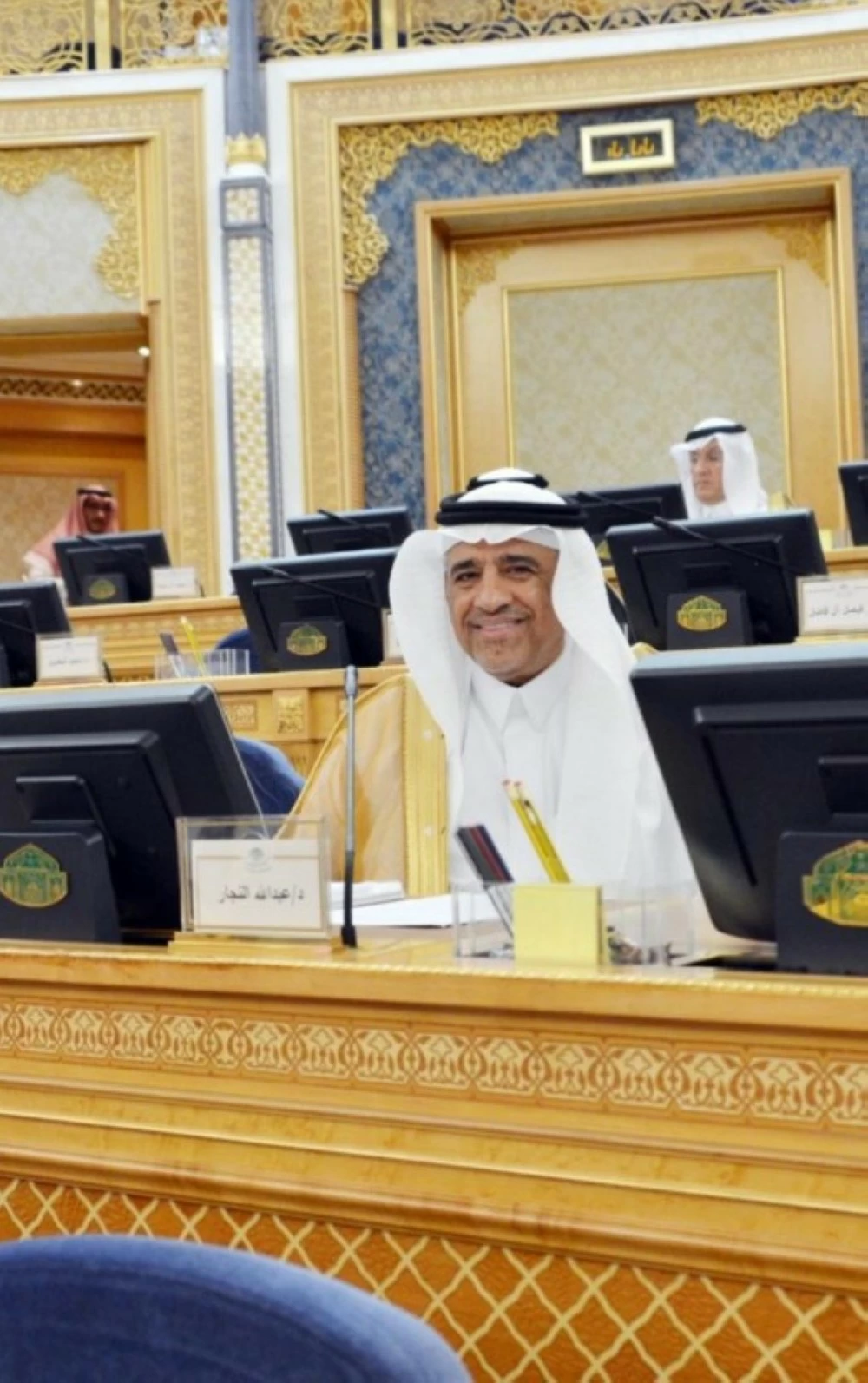
ذهب عضو المجلس الدكتور عبدالله النجار في مداخلته على تقرير جامعة الأميرة نورة بنت عبدالرحمن، إلى أن التحدي الرئيس للجامعة لم يعد متمثلاً في عدد البرامج الأكاديمية أو مستوى جودتها، بل في مدى مواءمتها مع التحول الجذري والسريع الذي تشهده العاصمة الرياض، مؤكداً إتاحة المعطيات فرصاً فريدة لجامعة الأميرة نورة بنت عبدالرحمن لترتقي بمخرجاتها، مشيراً إلى أنها لا تزال إلى حد ما غير مدمجة مؤسسيًا في تصميم البرامج الأكاديمية، ما أحدث فجوة بنيوية تتمثل في أن الخريجات يدخلن سوق عمل عالمي من حيث المعايير والتنافسية، بينما لا تزال كثير من البرامج مصممة وفق منطق مهني محلي أو تخصصي ضيق، وطالب الجامعة بإعادة تصميم برامجها الأكاديمية وفق نموذج «التعليم التكاملي للمهارات المستقبلية الموجّهة بالفرص العالمية» مع إنشاء آليات شراكة عملية مع الشركات الكبرى المتواجدة في مدينة الرياض، والاستفادة من المؤتمرات والفعاليات الكبرى بوصفها منصات محاكاة تعليمية وتدريبية، بحيث يصبح الموقع الجغرافي للجامعة منصة تعليمية وتنموية مباشرة تعزّز جاهزية الخريجات للوظائف المستقبلية، وتدعم تنافسية الاقتصاد الوطني، وتحوّل الجامعة إلى مركز تكامل بين التعليم والتطبيق العملي في بيئة اقتصادية ومعرفية ذات امتداد دولي.
A number of members of the Shura Council showered Saudi universities with a torrent of observations, and the members' interventions included aspirations to achieve the targets of the vision for higher education. Members' remarks were repeated regarding most of the universities whose annual reports were discussed by the Shura Council.
The Shura Council demanded King Abdulaziz University conduct a comprehensive study that includes the reasons for the high percentage of its scholarship students returning without obtaining their academic qualifications, and to establish more effective mechanisms to address this issue. The council issued a decision during its twenty-first regular session of the second year of the ninth term, chaired by the Deputy Chairman of the Council, Dr. Mishaal bin Fahm Al-Sulami. The decision addressed the annual report of the founding university, urging it to develop its governance and institutional performance system, enhance the efficiency of resource investment to achieve institutional leadership locally and globally, and review and develop the structure of its research centers to become national solution centers that address economic and societal challenges, linking its performance to impact and sustainability measurement indicators. It also called for enhancing the investment of its experience in the sports of persons with disabilities to contribute to disseminating the experience and developing its self-resources.
During the session, the council issued a decision demanding Umm Al-Qura University to develop the efficiency of its measurement and evaluation system to ensure the accuracy and realism of its performance indicators, contributing to performance development and achieving the university's strategic goals, and to prepare a digital institutional communication strategy to enhance its presence and status locally and internationally. It also called for coordination with relevant entities to work on completing its infrastructure in the branches to enhance the quality of its outputs and to study the establishment of branches outside the Kingdom.
The council called in its decision for Northern Borders University to restructure the colleges in the governorates of Rafha and Turaif to expand admissions and offer bachelor's programs that align with the relative advantages of each governorate, and to coordinate with relevant entities to build strategic partnerships with the mining sectors to support economic and knowledge development in the region and increase the added value to the national economy.
The council issued a decision regarding the annual report of Qassim University, urging it to highlight its institutional identity and research focus area to reflect the relative advantages of the Qassim region. It also called for developing the human resources system to enhance the quality of its institutional performance and operational efficiency.
The council discussed the annual report of Princess Nourah bint Abdulrahman University, and members expressed several observations and opinions regarding the report. Council member Dr. Hisham Al-Faris suggested that Princess Nourah University take the initiative to establish a global association for women's universities and colleges to coordinate and develop the efforts of these universities and colleges, enhancing the university's status regionally and internationally. Council member Princess Dr. Jawhara Al Saud urged the university to coordinate with relevant entities to study the establishment of a global ranking for universities that empower women in leadership, creativity, and innovation, to enhance its presence and status globally. The council discussed the annual report of Al-Baha University; council member Ghanem Al-Ghanem called on Al-Baha University to study new initiatives and establish investment models that could contribute to achieving the university's goals in enhancing self-resources and financial sustainability. Council member Dr. Abdullah Al-Zahrani emphasized the importance of Al-Baha University developing plans for continuous improvement and organization in the College of Dentistry clinics and equipping them to ensure an effective clinical training environment, preparing graduates for the job market, thereby contributing to raising the quality of therapeutic services.
Al-Hazani: The global ranking of Nourah University is a qualitative addition.
Council member Dr. Amal Al-Hazani expressed her reservations about linking Nourah University's global ranking to its status as a women's university. In her intervention on the university's report, she stated: "It is not fair to place Princess Nourah University within global rankings solely because it is a women's university," considering its entry into a ranking with women's universities worldwide a qualitative addition, as it creates competitive opportunities.
Al-Najjar to Nourah University: Your outputs are local, and the market is global.
Council member Dr. Abdullah Al-Najjar, in his intervention on the report of Princess Nourah bint Abdulrahman University, stated that the main challenge for the university is no longer represented by the number of academic programs or their quality level, but rather by their alignment with the radical and rapid transformation occurring in the capital, Riyadh. He emphasized that the available data provide unique opportunities for Princess Nourah bint Abdulrahman University to elevate its outputs, noting that it is still somewhat not institutionally integrated in the design of academic programs, creating a structural gap where graduates enter a global job market in terms of standards and competitiveness, while many programs are still designed according to a local professional logic or narrow specialization. He called on the university to redesign its academic programs according to the model of "integrated education for future skills directed by global opportunities," with the establishment of practical partnership mechanisms with major companies located in Riyadh, and to benefit from major conferences and events as educational and training simulation platforms, so that the university's geographical location becomes a direct educational and developmental platform that enhances graduates' readiness for future jobs, supports the competitiveness of the national economy, and transforms the university into a center of integration between education and practical application in an economic and knowledge environment with international reach.