قال وزير السياحة أحمد الخطيب إن حكاية تجّار العقيلات في منطقة القصيم تُمثّل قصة تجارةٍ عبرت الحدود، وأسهمت في نقل اسم المنطقة إلى آفاق بعيدة، موضحاً أن هذا الإرث يعكس حضوراً اقتصادياً واجتماعياً امتد أثره عبر مسارات الرحلات التجارية التي انطلقت من قلب الجزيرة العربية إلى أسواق إقليمية واسعة.
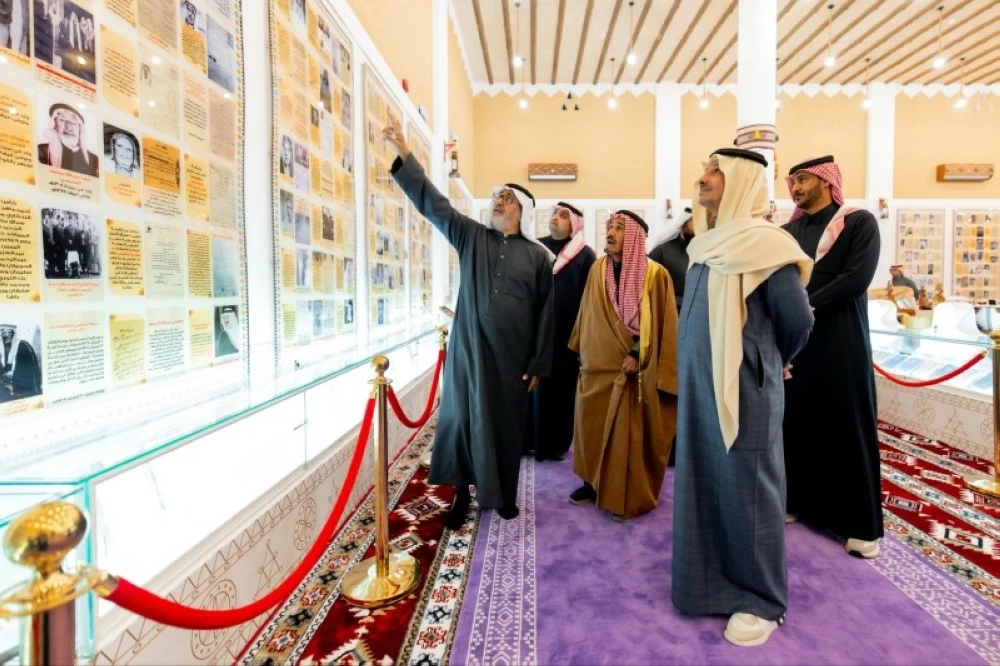
وزير السياحة خلال زيارته متحف العقيلات.
وأوضح الخطيب خلال زيارته لمتحف العقيلات أن ما خلّفته تلك الرحلات يظهر اليوم في أثر اقتصادي واجتماعي واضح، إذ تقدّم التجربة المتحفية هذا الإرث بأسلوب حديث يضع الزائر أمام قراءة متكاملة لتاريخ القصيم التجاري، ويبرز العقيلات جزءاً أصيلاً من تكوين المنطقة الاقتصادي.
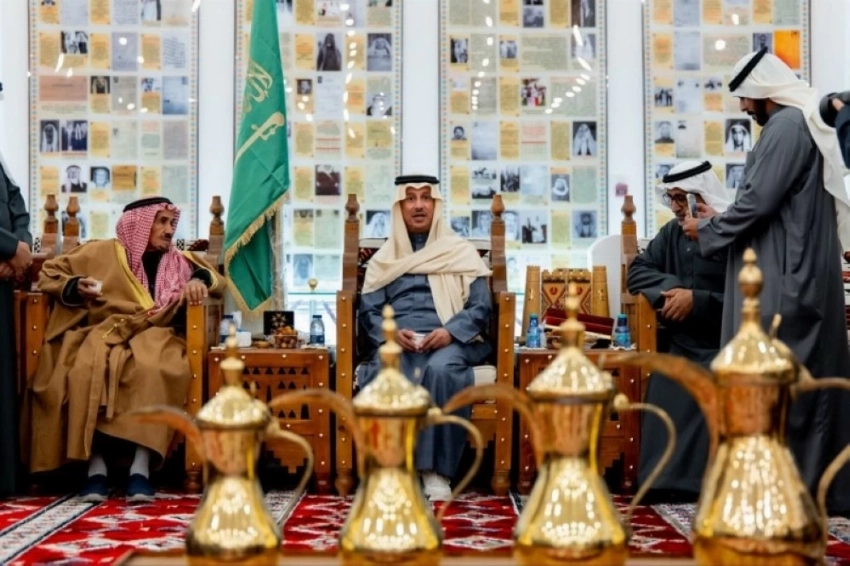
وأشار وزير السياحة إلى أن المتحف يسلّط الضوء على مسارات الرحلات التجارية، وأنماط التبادل، والتفاعل الاقتصادي والاجتماعي المصاحب لها، ضمن إطار يعكس عمق الدور الذي اضطلعت به القصيم في حركة التجارة الإقليمية عبر مراحل تاريخية متعاقبة. وأضاف أن لقاءه بالدكتور بدر الوهيبي خلال الزيارة شكّل محطة مهمة، إذ قدّم شرحاً وافياً لتاريخ العقيلات ومسارات رحلاتهم، وأسهم في تعميق الفهم المرتبط بهذا الإرث وقيمته التاريخية والاقتصادية.
وزير السياحة خلال زيارته متحف العقيلات.
ويُعدّ العقيلات إحدى أبرز الظواهر التجارية في تاريخ وسط الجزيرة العربية، إذ شكّلوا شبكة من التجّار ارتبط اسمهم بالقصيم، وبرز نشاطهم منذ القرن الثامن عشر الميلادي، وبلغ ذروته خلال القرن التاسع عشر وبدايات القرن العشرين. ارتكز نشاطهم على التجارة البرية عبر القوافل، معتمدين على الإبل، وعلى معرفة دقيقة بالطرق والأسواق والعلاقات الاجتماعية.
انطلقت قوافلهم من بريدة وعنيزة نحو العراق، والشام، ومصر، والكويت، ووصلت بعض رحلاتهم إلى الأناضول والهند عبر الموانئ. حملوا التمور، والإبل، والسمن، والخيول، مقابل الأقمشة، والحبوب، والسلع المصنعة. هذا النشاط أسهم في ربط اقتصاد القصيم بشبكة التجارة الإقليمية قبل ظهور وسائل النقل الحديثة.
واعتمد العقيلات على الثقة والسمعة والالتزام، ما منحهم قبولاً واسعاً في الأسواق الخارجية، وأسهموا في نقل المعرفة والعادات، وبناء علاقات اجتماعية وثقافية متعددة. ومع تطور وسائل النقل خلال النصف الأول من القرن العشرين تراجع دور القوافل، غير أن أثر العقيلات بقي حاضراً في الذاكرة الاقتصادية والاجتماعية للقصيم كونه نموذجاً مبكراً للتجارة العابرة للحدود.
Tourism Minister Ahmed Al-Khatib stated that the story of the Al-Aqilat traders in the Al-Qassim region represents a tale of trade that crossed borders and contributed to bringing the name of the region to distant horizons, explaining that this heritage reflects an economic and social presence whose impact extended through the routes of trade journeys that started from the heart of the Arabian Peninsula to wide regional markets.
وزير السياحة خلال زيارته متحف العقيلات.
Al-Khatib clarified during his visit to the Al-Aqilat Museum that the legacy left by those journeys is evident today in a clear economic and social impact, as the museum experience presents this heritage in a modern style that offers visitors a comprehensive reading of Al-Qassim's commercial history, highlighting the Al-Aqilat as an integral part of the region's economic formation.
The Minister of Tourism pointed out that the museum sheds light on the routes of trade journeys, the patterns of exchange, and the accompanying economic and social interactions, within a framework that reflects the depth of the role played by Al-Qassim in the movement of regional trade through successive historical stages. He added that his meeting with Dr. Badr Al-Wuhaibi during the visit was an important milestone, as he provided a thorough explanation of the history of the Al-Aqilat and the routes of their journeys, contributing to a deeper understanding of this heritage and its historical and economic value.
وزير السياحة خلال زيارته متحف العقيلات.
The Al-Aqilat are considered one of the most prominent commercial phenomena in the history of central Arabia, as they formed a network of traders whose name is associated with Al-Qassim, and their activity emerged since the 18th century AD, reaching its peak during the 19th century and the early 20th century. Their activity was based on land trade through caravans, relying on camels and possessing precise knowledge of the routes, markets, and social relationships.
Their caravans set out from Buraidah and Unayzah towards Iraq, the Levant, Egypt, and Kuwait, with some of their journeys reaching Anatolia and India via ports. They carried dates, camels, ghee, and horses in exchange for fabrics, grains, and manufactured goods. This activity contributed to linking the economy of Al-Qassim with the regional trade network before the advent of modern transportation means.
The Al-Aqilat relied on trust, reputation, and commitment, which granted them wide acceptance in foreign markets, and they contributed to the transfer of knowledge and customs, as well as building diverse social and cultural relationships. With the development of transportation means during the first half of the 20th century, the role of caravans diminished, yet the impact of the Al-Aqilat remains present in the economic and social memory of Al-Qassim as an early model of cross-border trade.