نشر فريق مشترك، من الهيئة الملكية لمحافظة العُلا والمركز الوطني الفرنسي للأبحاث العلمية، بحثاً علمياً محكّماً جديداً في إحدى أبرز المجلات الدولية المتخصصة في آثار الجزيرة العربية والشرق الأوسط، يوثّق للمرة الأولى تفاصيل دقيقة لمرحلة زمنية تمتد من القرن الثالث إلى القرن السابع الميلادي في وادي القرى (العُلا حالياً). وتتناول الدراسة فترة شكّلت فجوة معرفية بين نهاية الحقبة النبطية وبدايات العصر الإسلامي في شمال غرب الجزيرة العربية، وهي مرحلة اُفترض تقليدياً أن الاستيطان المستقر قد تراجع خلالها بشكل واسع في مواقع مثل: تيماء وخيبر والحِجر وغيرها.
دليل أثري متكامل
وانطلاقاً من أعمال مشروع دادان الأثري، وهو تعاون بين الهيئة الملكية لمحافظة العُلا والمركز الوطني الفرنسي للبحث العلمي (CNRS) ووكالة تطوير العُلا الفرنسية (AFALULA، وثّقت الدراسة نتائج ثلاثة مواسم تنقيب متتالية (2021 – 2023) في تل أثري يقع داخل حدود موقع دادان الأثري، وعلى بُعد أقل من كيلومتر واحد جنوب دادان.
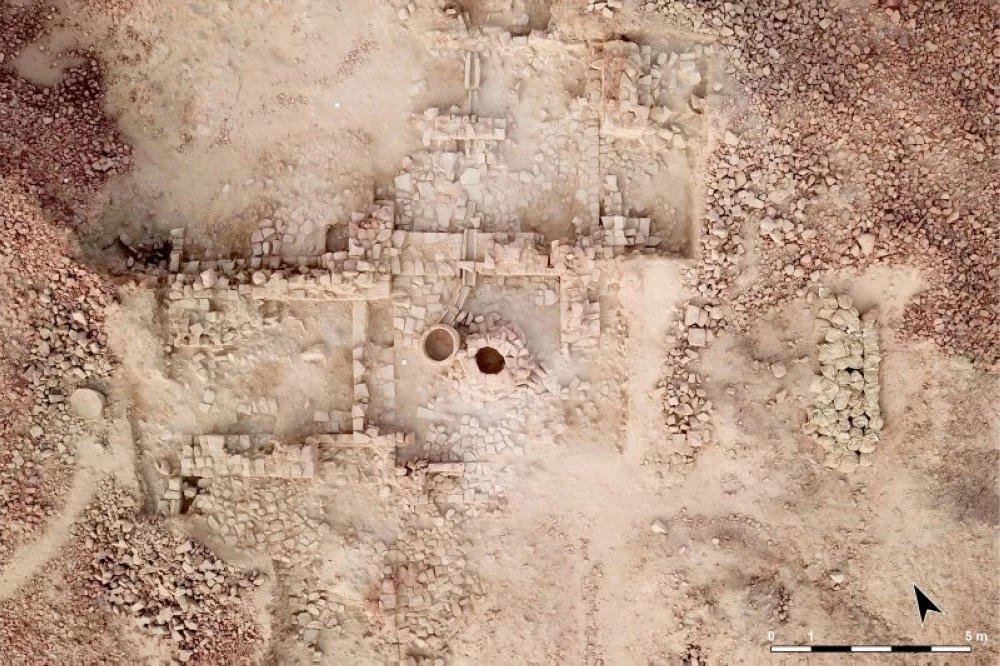
وكشفت أعمال التنقيب مبنى كبيراً بُني في أواخر القرن الثالث أو مطلع القرن الرابع الميلادي، واستمر استخدامه حتى النصف الأول من القرن السابع الميلادي، ما يقدّم أول دليل أثري متكامل على الاستيطان خلال الفترة الممتدة من مطلع القرن الخامس إلى مطلع القرن السابع الميلادي في هذه المنطقة.
تسلسل معماري وثقافي
وتُظهر النتائج تسلسلاً معمارياً وثقافياً واضحاً للموقع، من خلال شبكة من الغرف والساحات المنظمة، وساحة مركزية مزوّدة ببئر وحوض وقنوات مائية، إضافة إلى دلائل على ممارسات زراعية وتخزين المحاصيل وإنتاج الغذاء ونشاط حرفي، تعكس جميعها وجود مجتمع مستقر. واعتمدت الدراسة على نهجٍ متعدد التخصصات شمل تحليل الفخار والأدوات الحجرية وبقايا النباتات والعظام الحيوانية والجيولوجيا الأثرية، ما أتاح الكشف عن تفاصيل جديدة حول النظام الغذائي والزراعة والبيئة الواحية خلال هذه الفترة الزمنية.
بنية معمارية متقدمة
وتُسهم هذه المعطيات في تعديل الصورة التقليدية عن تاريخ وادي القرى، إذ تُبيّن أن المنطقة لم تشهد انقطاعاً كاملاً للاستيطان بين القرنين الرابع والسادس الميلاديين، بل استمر وجود موقع مستقر يمتلك بنية معمارية متقدمة ونظاماً داخلياً لإدارة المياه، ما يعكس استمرارية اقتصادية واجتماعية حتى قبيل ظهور الإسلام. وفي تعليقه على الدراسة، قال نائب رئيس قطاع السياحة للثقافة في الهيئة الملكية لمحافظة العُلا الدكتور عبدالرحمن السحيباني، أحد المشاركين الرئيسيين في إعداد البحث: «تكشف هذه النتائج فصلاً مهماً في تاريخ وادي القرى، وتوضح أن العُلا كانت جزءاً من شبكة استيطانية مزدهرة خلال القرون التي سبقت ظهور الإسلام، ويسهم هذا البحث في إثراء فهمنا للمجتمعات المحلية في شمال غرب الجزيرة العربية، ويعزّز مكانة العُلا بوصفها منطقة ذات امتداد حضاري مستمر عبر الزمن».
A joint team from the Royal Commission for AlUla and the French National Centre for Scientific Research has published a new peer-reviewed scientific paper in one of the leading international journals specializing in the archaeology of the Arabian Peninsula and the Middle East. This paper documents, for the first time, precise details of a time period extending from the 3rd to the 7th century AD in Wadi Al-Qura (currently AlUla). The study addresses a period that has traditionally been viewed as a knowledge gap between the end of the Nabataean era and the beginnings of the Islamic period in northwestern Arabia, a phase during which it was assumed that stable settlement had widely declined in sites such as: Tayma, Khaybar, Al-Hijr, and others.
Comprehensive Archaeological Evidence
Building on the work of the Dadan archaeological project, a collaboration between the Royal Commission for AlUla, the French National Centre for Scientific Research (CNRS), and the French Agency for AlUla Development (AFALULA), the study documented the results of three consecutive excavation seasons (2021 – 2023) at an archaeological mound located within the boundaries of the Dadan archaeological site, less than one kilometer south of Dadan.
The excavations revealed a large building constructed in the late 3rd or early 4th century AD, which continued to be used until the first half of the 7th century AD, providing the first comprehensive archaeological evidence of settlement during the period from the early 5th to the early 7th century AD in this region.
Architectural and Cultural Sequence
The results show a clear architectural and cultural sequence at the site, through a network of organized rooms and courtyards, a central courtyard equipped with a well, a basin, and water channels, in addition to evidence of agricultural practices, crop storage, food production, and artisanal activity, all reflecting the presence of a stable community. The study employed a multidisciplinary approach that included the analysis of pottery, stone tools, plant remains, animal bones, and archaeological geology, allowing for new insights into the diet, agriculture, and oasis environment during this time period.
Advanced Architectural Structure
These findings contribute to revising the traditional view of the history of Wadi Al-Qura, as they indicate that the region did not experience a complete interruption of settlement between the 4th and 6th centuries AD. Instead, a stable site with advanced architectural structures and an internal water management system continued to exist, reflecting economic and social continuity even before the emergence of Islam. Commenting on the study, Dr. Abdulrahman Al-Suhaibani, Deputy Head of the Culture Tourism Sector at the Royal Commission for AlUla and a key contributor to the research, stated: "These results reveal an important chapter in the history of Wadi Al-Qura, showing that AlUla was part of a thriving settlement network during the centuries preceding the emergence of Islam. This research enriches our understanding of local communities in northwestern Arabia and enhances AlUla's status as a region with a continuous civilizational legacy over time."