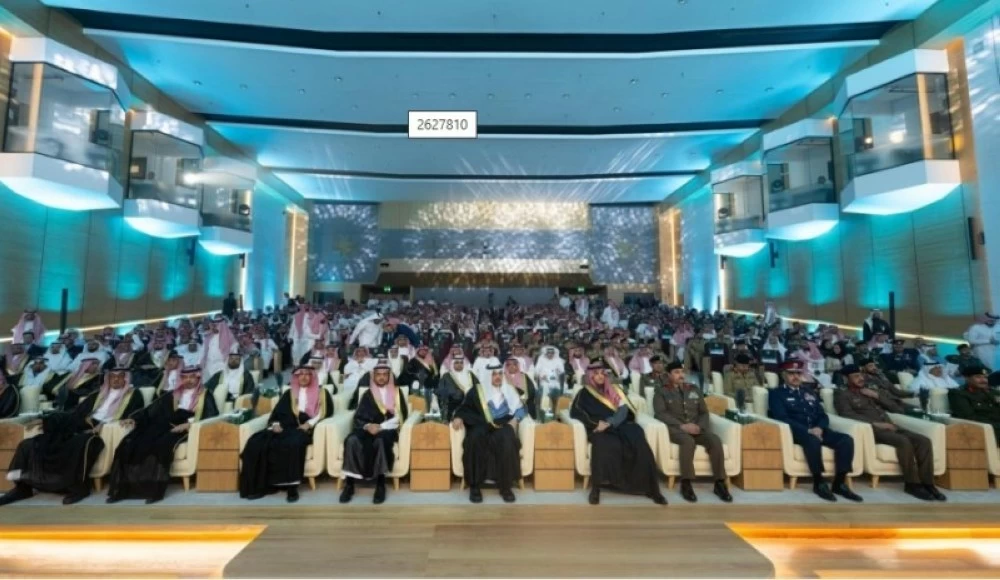
انطلقت أعمال «الملتقى العلمي الدولي الثالث للأمن والسلامة»، أمس، الذي تنظمه جامعة نايف العربية للعلوم الأمنية والهيئة العليا للأمن الصناعي بمقر الجامعة في الرياض على مدى يومين، وذلك تحت رعاية وزير الداخلية الأمير عبدالعزيز بن سعود بن نايف بن عبدالعزيز، بحضور نائب وزير الداخلية المكلف الأمير الدكتور عبدالعزيز بن محمد بن عياف، ورئيس جامعة نايف العربية للعلوم الأمنية الدكتور عبدالمجيد بن عبدالله البنيان، ومحافظ الهيئة العليا للأمن الصناعي المهندس عالي بن محمد الزهراني، بمشاركة أكثر من 500 خبير ومختص من العاملين والمهتمين والممارسين في مجال الأمن والسلامة في المنشآت الحيوية في الدول العربية والمنظمات الدولية.
وفي بداية أعمال الملتقى عقدت جلسة حوارية عالية المستوى ناقشت موضوع «الأمن والسلامة: رؤى إستراتيجية وشراكات لمواجهة التحديات».
أولويات مشتركة
وأكد الدكتور البنيان، خلال كلمته في حفل الافتتاح، أن الملتقى أصبح إحدى أهم الفعاليَّات العلميَّة في مجاله في المنطقة، وتحرص على حضوره والمشاركة في أعماله أهم الجهات ذات العلاقة بالأمن الصناعي، وينظم في سياق الأولويَّات المشتركة لبناء قدرات بشريَّة قادرة على التعامل مع التحديات في مجالات الأمن والسلامة، وضمن جهود الجامعة بوصفها الجهاز العلمي لمجلس وزراء الداخليَّة العرب، لتنفيذ الإستراتيجيَّة العربيَّة للحماية المدنيَّة، كما أنه يأتي استجابة للتطوُّرات والتحديات الأمنيَّة المتسارعة التي يشهدها العالم، ولا سيَّما في ظل التطورات التقنيَّة والرقميَّة المتسارعة، وتزايُد المخاطر المحتمَلة على البنى التحتيَّة الحيويَّة.
دور فاعل
وأوضح أن جامعة نايف تضطلع بدورٍ فاعلٍ في تعزيز مفاهيم الأمن والسلامة؛ إذ أولتها عنايتها واهتمامها، من خلال مراكزها البحثيَّة وبرامجها الأكاديميَّة والتدريبيَّة، وشراكاتها الدولية.
من جهته أوضح محافظ الهيئة العليا للأمن الصناعي المهندس عالي الزهراني أن اعتماد إستراتيجية الهيئة العليا للأمن الصناعي يعد محطة تاريخية في تحقيق التطلعات الوطنية لحماية المرافق الحيوية والحساسة، الواقعة ضمن نطاق إشراف الهيئة.
The third International Scientific Forum for Security and Safety commenced yesterday, organized by the Naif Arab University for Security Sciences and the High Authority for Industrial Security at the university's headquarters in Riyadh over two days, under the patronage of the Minister of Interior, Prince Abdulaziz bin Saud bin Naif bin Abdulaziz, with the attendance of the Acting Deputy Minister of Interior, Prince Dr. Abdulaziz bin Mohammed bin Ayaf, the President of Naif Arab University for Security Sciences, Dr. Abdulmajid bin Abdullah Al-Bunyan, and the Governor of the High Authority for Industrial Security, Engineer Ali bin Mohammed Al-Zahrani, with the participation of more than 500 experts and specialists working and interested in the field of security and safety in vital facilities in Arab countries and international organizations.
At the beginning of the forum, a high-level discussion session was held addressing the topic of "Security and Safety: Strategic Visions and Partnerships to Face Challenges".
Common Priorities
Dr. Al-Bunyan emphasized during his speech at the opening ceremony that the forum has become one of the most important scientific events in its field in the region, and that key stakeholders related to industrial security are keen to attend and participate in its activities. It is organized in the context of common priorities to build human capacities capable of dealing with challenges in the fields of security and safety, and as part of the university's efforts as the scientific body for the Council of Arab Interior Ministers, to implement the Arab strategy for civil protection. It also comes in response to the rapid developments and security challenges facing the world, especially in light of the accelerating technological and digital advancements, and the increasing potential risks to vital infrastructure.
Active Role
He explained that Naif University plays an active role in enhancing the concepts of security and safety, as it has given them attention and care through its research centers, academic and training programs, and international partnerships.
For his part, the Governor of the High Authority for Industrial Security, Engineer Ali Al-Zahrani, clarified that the adoption of the strategy by the High Authority for Industrial Security is a historic milestone in achieving national aspirations to protect vital and sensitive facilities under the authority's supervision.