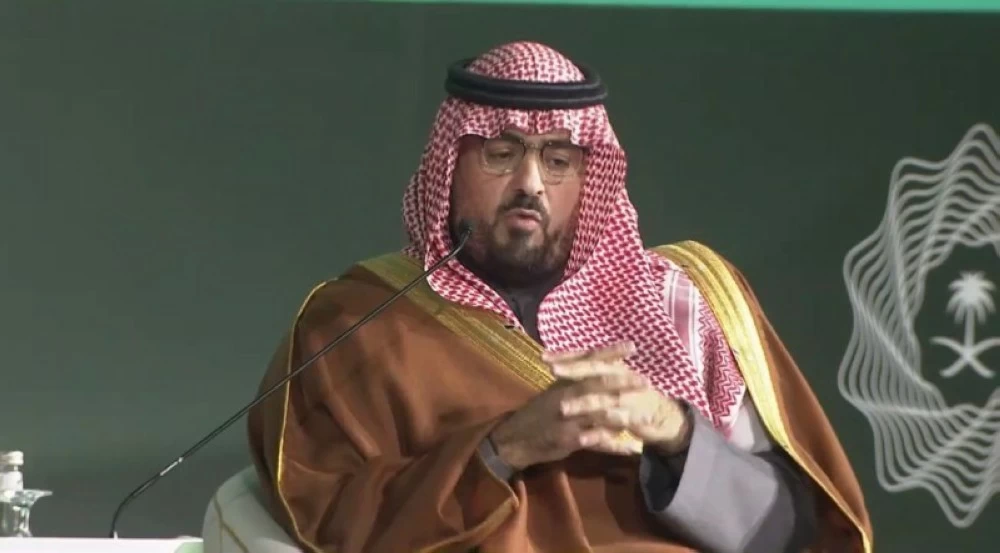
كشف وزير الاقتصاد والتخطيط فيصل الإبراهيم تحقيق الأنشطة غير النفطية نموًا قياسيًا بلغ 56%، ونمو نشاط القطاع الخاص إلى 50% خلال السنوات الأخيرة، مشيرًا إلى أن 74 نشاطًا اقتصاديًا في المملكة سجل نموًا سنويًا يتجاوز 10%، مما يعكس قوة الاقتصاد وتنوعه.
وأكد الإبراهيم أن المملكة -باعتبارها واحدة من أكبر دول العالم مساحة- تمتلك طموحًا عاليًا لتكون مركزًا اقتصاديًا عالميًا يمتد تأثيره إلى قارات متعددة، مستفيدة من موقعها الإستراتيجي ودورها المحوري في سلاسل الإمداد العالمية.
وأوضح أن التحدي يكمن في التنفيذ الصحيح والتمويل المستدام للمشاريع، مشيرًا إلى أن تطوير البنية التحتية التقنية سيحقق الأثر الأكبر عبر رفع كفاءة رأس المال وتسهيل الإدارة التشغيلية وتقليل الضغط على الميزانية، ما يتيح توجيه الإنفاق إلى أولويات أخرى.
وأضاف أن تحسين البنية التحتية يرفع التنافسية، ويخفض التكاليف على القطاع الخاص، ويجذب رؤوس الأموال الأجنبية، ويُسهم في نمو القطاعات الصناعية والخدمية، لافتًا إلى أن تقليل دقيقة واحدة في زمن عبور سلعة عبر سلسلة الإمداد قد ينعكس بشكل فوري على الإنتاجية.
وأشار الإبراهيم إلى أن الاحتياج الاستثماري للسنوات الـ17 القادمة يتراوح بين 3.5 إلى 4 تريليونات ريال، وهي فرصة كبيرة لتعزيز مشاركة القطاع الخاص في الاقتصاد الوطني.
وختم الإبراهيم حديثه قائلًا إن قصة التحول السعودي أصبحت نموذجًا عالميًا يُحتذى به، وأن المملكة اليوم منصة مؤثرة تُناقش فيها القرارات الاقتصادية المحورية على مستوى العالم.
The Minister of Economy and Planning, Faisal Al-Ibrahim, revealed that non-oil activities have achieved a record growth of 56%, and the private sector's activity has grown to 50% in recent years, noting that 74 economic activities in the Kingdom recorded an annual growth exceeding 10%, reflecting the strength and diversity of the economy.
Al-Ibrahim affirmed that the Kingdom - being one of the largest countries in the world by area - has a high ambition to be a global economic hub whose influence extends to multiple continents, benefiting from its strategic location and its pivotal role in global supply chains.
He explained that the challenge lies in the correct implementation and sustainable financing of projects, pointing out that developing technical infrastructure will have the greatest impact by enhancing capital efficiency, facilitating operational management, and reducing pressure on the budget, allowing for the redirection of spending to other priorities.
He added that improving infrastructure boosts competitiveness, reduces costs for the private sector, attracts foreign investments, and contributes to the growth of industrial and service sectors, noting that reducing transit time by just one minute for a product through the supply chain can have an immediate impact on productivity.
Al-Ibrahim indicated that the investment needs for the next 17 years range between 3.5 to 4 trillion riyals, which presents a significant opportunity to enhance the participation of the private sector in the national economy.
He concluded his remarks by stating that the Saudi transformation story has become a global model to be emulated, and that the Kingdom today is an influential platform where pivotal economic decisions are discussed at the global level.