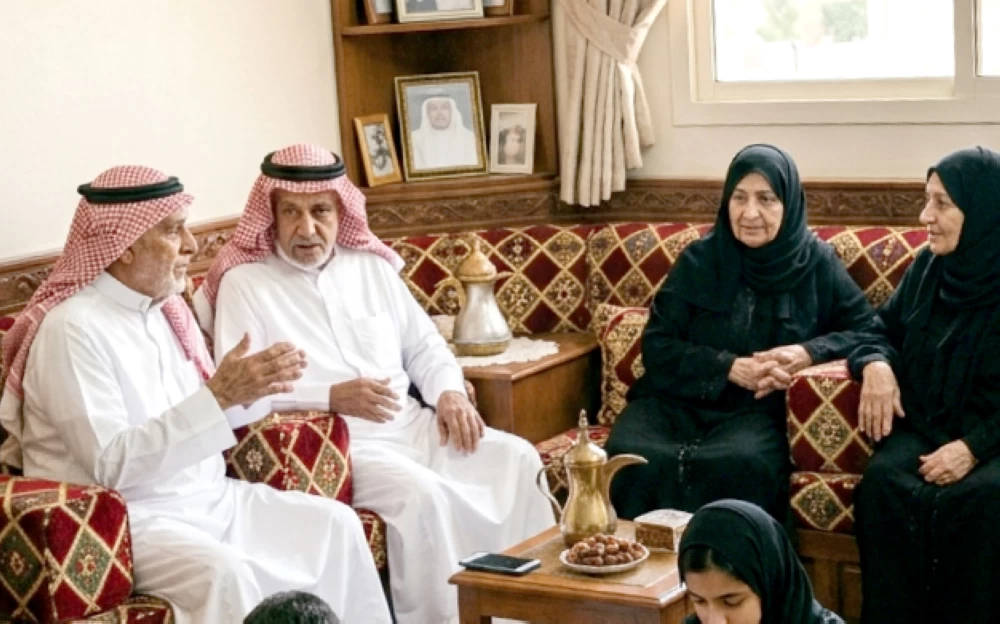
يُعد احترام كبار السن قيمة إنسانية رفيعة تعكس أصالة المجتمع وعمق جذوره الأخلاقية، فقد اعتاد الناس منذ زمن بعيد على إظهار التقدير للكبار من خلال زيارتهم، والجلوس معهم، والاستماع إلى قصصهم وتجاربهم التي تمثل ذاكرة المجتمع وخبرته المتراكمة، ومع التطور السريع للتقنية تغيّر شكل التواصل بين الأجيال، وأصبح الكثيرون يعتمدون على الوسائل الرقمية للتعبير عن الاهتمام، حتى باتت بعض مظاهر الاحترام تُمارس عبر الرسائل أو المكالمات القصيرة بدل اللقاءات المباشرة، ورغم أن التقنية سهّلت طرق التواصل وقرّبت المسافات، إلا أنها في الوقت نفسه خلقت نوعاً من البعد العاطفي، حيث أصبح البعض يكتفي بإرسال رسالة جاهزة في المناسبات دون أن يبذل جهداً في زيارة كبار السن أو مشاركتهم لحظاتهم اليومية، هذا التحول جعل الاحترام يبدو أحياناً شكلياً، يفتقد لدفء العلاقة الحقيقية التي لا يمكن للشاشات أن تعوّضها، فالكبار يحتاجون إلى من يجلس معهم، ينصت إليهم، ويشعرهم بأن لهم مكانة خاصة في قلوب من حولهم، وليس فقط على قوائم الاتصال في الهواتف. ومع ذلك، يمكن للتقنية أن تكون وسيلة إيجابية إذا استُخدمت بشكل متوازن، فهي تساعد على التواصل مع كبار السن البعيدين، وتمنحهم فرصة للتعلُّم والانخراط في العالم الحديث، لكنها لا يجب أن تكون بديلاً عن التواصل الإنساني المباشر. إن الحفاظ على قيمة احترام كبار السن يتطلب منا أن ندمج بين فوائد التقنية وروح العلاقات الحقيقية، وأن ندرك أن الرسالة الرقمية مهما كانت جميلة لا يمكن أن تحل محل زيارة تحمل في طياتها مشاعر صادقة واهتماماً حقيقياً. بهذه الموازنة، نحافظ على قيمنا ونمنح كبار السن ما يستحقونه من تقدير واهتمام.
تعزيز التماسك الأسري
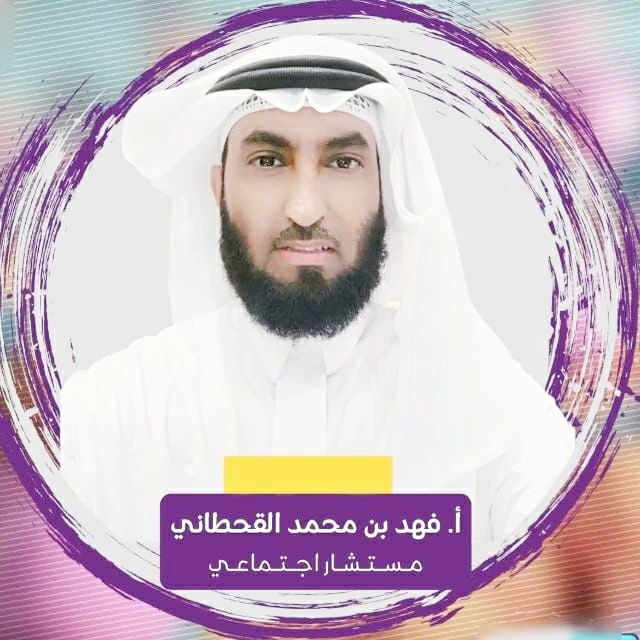
ولأن المستشارين والباحثين والمختصين في العلاقات الأسرية يتفقون على مجموعة من الرؤى المهمة حول مكانة كبار السن واحتياجاتهم ودورهم في المجتمع ويرون أنهم ركيزة أساسية في نقل القيم، وجسر تنتقل عبره القيم والعادات والتقاليد إلى الأجيال الجديدة، ويحملون خبرات طويلة وتجارب حياتية تشكل أساساً لاستمرارية الهوية الاجتماعية في تعزيز التماسك الأسري، أكد المستشار الاجتماعي فهد محمد القحطاني، أن كبار السن يلعبون دوراً محورياً في نقل القيم للأجيال الجديدة، وأن خبراتهم تمثل أساساً لاستمرارية هذه القيم في ظل الانفتاح الرقمي، وشدد على أهمية القرب منهم، وتبسيط الأمور لهم، وتشجيعهم دون التقليل من اختياراتهم، مع توجيه السلوك بأسلوب يحفظ الكرامة ويعزز التواصل بين الأجيال. كما دعا إلى دعم البرامج والجمعيات التي تبرز النماذج الإيجابية من كبار السن وتُظهر أثرهم في المجتمع.
دعم عاطفي
ولأن النفسيين لديهم رؤية واضحة وعميقة حول احتياجات كبار السن وحالتهم النفسية، وغالباً ما تتقاطع آراؤهم في نقاط أساسية تتعلق بالعاطفة، والهوية، والشعور بالقيمة، أكد الأخصائي النفسي سعود الراشد أن كبار السن بحاجة دائمة إلى الشعور بالأمان والانتماء والاحترام والاستقلالية، إضافة إلى الدعم العاطفي الذي يعزز إحساسهم بالقيمة، وحذّر من أن العزلة والإهمال العاطفي يسهمان في تفاقم القلق والاكتئاب وتراجع القدرات المعرفية، مؤكداً أن الترفيه والزيارات العائلية ضرورة نفسية تقلل الوحدة وتقوي الروابط الاجتماعية وترفع جودة حياة كبار السن.
مهارات التواصل
وبما أن التربويين يرون أن كبار السن يمثلون «مدرسة حياة» مليئة بالقيم والخبرات، وأن وجودهم في حياة الأبناء والأحفاد يثري التربية ويعزز السلوكيات الإيجابية، ويقدمون دروساً عملية لا تُكتسب من الكتب، أوضحت المستشارة التربوية مها زامل الشهيل، أن للمدرسة دوراً أساسياً في تقليص الفجوة الرقمية بين الأجيال عبر تدريب الطلاب على المسؤولية الاجتماعية واحترام كبار السن ومهارات التواصل. وأكدت أهمية غرس ثقافة احترام الأكبر سناً في المناهج والأنشطة، وتمكين كبار السن رقمياً من خلال برامج توعوية وساعات تطوعية، مشددة على أن كبار السن هم قواعد المجتمع وحكمته وخبرته، وهم ركيزة أساسية لبناء المستقبل.
البحث عن الماضي
ولأن كبار السن هم المحور الرئيس في هذا الموضوع، كان لزاماً علينا أن نقترب منهم أكثر، وأن نغوص في أعماقهم لنفهم ما تخبئه قلوبهم من مشاعر، وما تحمله ذاكرتهم من حكايات، يعزو المهندس علي باعارمة، تراجع مكانة كبار السن في المجتمع مقارنة بالماضي، إلى أن تقديرهم وهيبتهم باتا محدودين في ظل انشغالات الحياة، مستدركاً أنهما لا يزالان حاضرين في بعض العائلات فقط، ويستذكر موقفاً يُظهر الفجوة بين خبرة الكبار ووعي الشباب، حين تجاهل أحد الشباب نصيحته بشأن شراء سيارة مستعملة، لتتأكد -لاحقاً- صحة رأيه بعد تعطل السيارة بسبب عدم توفر قطع الغيار. ورغم ذلك، يختتم باعارمة حديثه بتفاؤل، مؤكداً قدرته على التأثير الإيجابي في محيطه، لا سيما في أحفاده.
ويتحدث محمد القوقاني (معلم متقاعد) عن أن بعض الأقارب يفضلون اهتمامهم بأبنائهم على كبار السن، سواءً في الرعاية اليومية أو الاستماع إلى آرائهم أو المشاركة في الأنشطة، ما يزيد شعوره بالتهميش أحياناً ورغم ذلك، يظل ملتزماً بالعطاء والتأثير الإيجابي في حياته وعلاقاته، محافظاً على دوره الاجتماعي والتربوي.
فجوة الأجيال
وتعبر نور عبدالله سالم، بصوت هادئ يمزج الحنين بالحكمة، عن شعور كبار السن بالتهميش الرقمي، قائلة: «في الماضي، كنا نحب الجلوس مع جداتنا والاستماع إليهم. أما الآن، فيشعرون أننا ثقل عليهم، ولا يريدون منا المشاركة حتى في المكان». وتوضح أن هيمنة الشاشات والتقنيات الحديثة جعلت كبار السن خارج دائرة المشاركة الاجتماعية، مؤكدة أن الفجوة الرقمية بين الأجيال تعمّق شعورهم بالعزلة وتقلل من قدرتهم على نقل الخبرة والقيم.
وجود الأبناء
والأحفاد مصدر فرح
وتجد مرزوقة محمد فرحتها الحقيقية في وجود أبنائها وأحفادها إلى جانبها، حيث تشعر بسعادة عميقة لقدرتها على التأثير في أحفادها الذين يستمعون لها باهتمام ومحبة. ورغم شعورها أحياناً بالوحدة، فإن حضور أبنائها واجتماعهم معها يعزز إحساسها بالدعم والدفء الأسري.
صدمة فقدان الأحبة
وفي سياق مشابه، تخبرنا فاطمة الحربي عن والدتها، التي أصبحت رغم سلامتها الجسدية تتظاهر بعدم السمع لتتفادى التفاعل بعد فقدان التواصل مع أبنائها وأحفادها. ويروي سالم عبدالله أن والده خاض مرحلة اكتئاب حاد بعد شعوره بالغربة وسط جيل لا يشبهه. وتضيف راضية أحمد: «لقد كان صعباً إقناع والدي أنه لا يزال له مكان، لكنه تأثر بشدة حين تجاهله أحد من ربّاهم في مناسبة قريبة، وكأن وجوده لم يعد مهماً».
رؤية الشباب بين التقدير والتحديات الاجتماعية
لكن ماهو رأي الشباب في عتب كبار السن لهم بانشغالهم بالتقنية وارتباطهم المستمر بالهواتف الذكية ووسائل التواصل الاجتماعي، وأنها خلقت مسافة غير مقصودة بينهم، في البداية، تؤكد مروة علي أن علاقتها بكبار السن تقوم على الاحترام والتقدير، وتستمع لنصائحهم وتجاربهم لما لها من قيمة وخبرة حقيقية. وتشير إلى أن الفعاليات الاجتماعية الحالية لا تلبي احتياجات كبار السن، وأن الفجوة الرقمية تعيق التواصل بين الأجيال، موصية بتفعيل دورهم في المدارس والجامعات وسوق العمل عبر مبادرات شاملة.
ويعبّر سيف الزهراني عن احترامه العميق لكبار السن، مشيداً بخبراتهم ونصائحهم، ومؤكداً أهمية المبادرات الخيرية وإعطاء كبار السن أولوية في تقديم الخدمات لضمان راحتهم وصحتهم.
ويشير عبدالله عبدالعزيز إلى انه يحترم كبار السن ويستفيد من نصائحهم، قائلاً: «أحياناً أشعر أن التكنولوجيا والطرق الحديثة تجعلنا بعيدين عنهم. لذلك أحرص على تخصيص وقت للجلوس معهم والاستماع لخبراتهم».
الإعلام وإبراز الحقائق
ولأن البعض في كثير من مواقع التواصل الاجتماعي، وحتى في بعض المجالس وبعض الأفلام الهابطة، يصوّرون كبار السن بصورة نمطية تركز على الضعف والعجز، متجاهلين قدراتهم وخبراتهم ودورهم الفاعل في المجتمع، يؤكد المختصون الإعلاميون ضرورة تقديم صورة أكثر واقعية تُبرز استقلاليتهم ومساهماتهم، وتحميهم من التمييز العمري، يشير الدكتور مصعب الحربي إلى أن بعض مواقع التواصل الاجتماعي والأفلام الهابطة التي ليست لها مضمون هادف وحتى بعض وسائل الإعلام سواءً مرئية أو مقروءة أو مسموعة التي ليس لها هدف سوى لفت الانتباه إليها غالباً، فتصوّر كبار السن بشكل نمطي كعاجزين، متجاهلين نشاطهم في التطوع والعمل ومواكبة التكنولوجيا. لذلك على وسائل الإعلام بمختلفها وبالذات الإعلام الرصين الحر أن يعكس واقع هذه الفئة الغالية علينا التي تربينا على أيديها وتعلمنا منها أبواب حياتنا أن نبرّهم بالعطاء وبالقول والفعل.
ويرى الدكتور عادل المكينزي أن القوالب النمطية لبعض كبار السن تحجب أدوراهم وتقلل من تقدير مساهماتهم، ويشدد على ضرورة إعادة تأطيرهم كفاعلين اجتماعيين نشطين، مع التركيز على استقلاليتهم ومساهمتهم المجتمعية، ودور الإعلام في حماية كرامتهم.
تعزيز حقوق كبار السن
ولأهمية كبار السن ودورهم في المجتمع فقد حرصت الدولة على تقديرهم والإشادة بما بذوله في شبابهم ووضعت أنظمة واضحة لحمايتهم أبرزها نظام حقوق كبير السن ورعايته، الذي يضمن لهم العيش الكريم والرعاية، ويمنع الإساءة إليهم، مع توفير قنوات للتبليغ وعقوبات رادعة لحفظ حقوقهم وكرامتهم.
وأوضح المستشار القانوني والقاضي الأسبق الدكتور متعب عطية المالكي، أن المملكة وفرت إطاراً تشريعياً واضحاً لحماية كبار السن؛ أبرزها نظام حقوق كبير السن ورعايته، الذي يكفل لهم العيش الكريم والرعاية الصحية والاجتماعية والدعم النفسي، مع منع إحالتهم لدور الرعاية إلا بموافقتهم أو بحكم قضائي. كما يمكن التبليغ عن أي إساءة عبر قنوات رسمية تضمن السرية والحماية.
ويشير المستشار القانوني عمر العتيبي إلى أن نظام حقوق كبير السن يعزز الحماية القانونية عبر حفظ حقوقهم في الرعاية والأموال، ويحمّل الجهات والأفراد المسؤولية، مع فرض عقوبات رادعة تصل للسجن أو غرامة تصل إلى 500 ألف ريال، مع إمكانية تطبيق بدائل تحقق مصلحة كبار السن.
توقير واحترام
ولأن الإسلام شدد وأكد على توقير كبار السن واحترامهم، وأعد ذلك واجباً شرعياً يعكس قيمة الخبرة والعطاء، ويحث على معاملتهم بلطف وصون كرامتهم، باعتبارهم جذور الأسرة وركناً أساسياً في المجتمع، يؤكد الدكتور سلطان السيف أن الإسلام يعظّم كبار السن ويعاملهم بالاحترام، معتبراً الكبر فرصة لتقدير الخبرة والعطاء، لا مرحلة ضعف، ويشير إلى أن الانشغال المشروع يختلف عن الإهمال، مؤكداً أن الصمت أحياناً أشد إيذاءً من الكلام الجارح، ويخاطب الشباب والأسر بأن كبار السن هم جذور الأسرة بالحكمة والخبرة، وكل اهتمام يقدمونه لهم اليوم هو إرث أخلاقي وديني للأجيال القادمة، مشدداً على دور الخطباء والدعاة في ترسيخ الوعي بحقوقهم وحماية كرامتهم.
خاتمة
رغم تسارع وتيرة الحياة وتغيّر أنماطها، يظل كبار السن جذور المجتمع وذاكرته الحيّة، والشهود الأصدق على التحولات الكبرى التي شهدتها المملكة. فتمكينهم، واحترام تجاربهم، وصون حقوقهم، ليست خيارات قابلة للتأجيل، بل واجب وطني وأخلاقي يتقاطع مع مستهدفات رؤية المملكة 2030 في تعزيز التماسك المجتمعي والعدالة الاجتماعية. إن الإنصات لكبار السن، وإشراكهم في الحياة الأسرية والمجتمعية، وفتح مساحات حقيقية لمشاركتهم، هي استثمار في القيم قبل أن يكون استجابة لحاجة. فهم لا يحتاجون إلى شفقة عابرة، بل إلى تقدير فعلي، وحضور صادق، وصوت مسموع. وفي حضرة الكبار، نتعلم كيف تُبنى القيم، وكيف يُصان المجتمع.
Respecting the elderly is a high human value that reflects the authenticity of society and the depth of its moral roots. People have long been accustomed to showing appreciation for the elderly by visiting them, sitting with them, and listening to their stories and experiences, which represent the community's memory and accumulated knowledge. With the rapid advancement of technology, the way communication between generations has changed, and many now rely on digital means to express their interest, leading to some forms of respect being practiced through messages or short calls instead of direct meetings. Although technology has facilitated communication and bridged distances, it has simultaneously created a kind of emotional distance, as some have come to rely on sending pre-written messages on occasions without making the effort to visit the elderly or share in their daily moments. This shift has made respect sometimes appear superficial, lacking the warmth of genuine relationships that screens cannot replace. The elderly need someone to sit with them, listen to them, and make them feel that they hold a special place in the hearts of those around them, not just on contact lists in phones. Nevertheless, technology can be a positive tool if used in a balanced way; it helps connect with distant elderly individuals and provides them with opportunities to learn and engage in the modern world, but it should not replace direct human communication. Maintaining the value of respecting the elderly requires us to integrate the benefits of technology with the spirit of genuine relationships, and to recognize that a digital message, no matter how beautiful, cannot replace a visit that carries sincere feelings and genuine interest. With this balance, we preserve our values and give the elderly the appreciation and attention they deserve.
Enhancing Family Cohesion
Since consultants, researchers, and specialists in family relations agree on a set of important insights regarding the status of the elderly, their needs, and their role in society, viewing them as a fundamental pillar in transmitting values and a bridge through which values, customs, and traditions pass to new generations, carrying long experiences and life lessons that form the foundation for the continuity of social identity in enhancing family cohesion, social consultant Fahd Mohammed Al-Qahtani emphasized that the elderly play a pivotal role in passing on values to new generations, and their experiences represent a foundation for the continuity of these values in light of digital openness. He stressed the importance of being close to them, simplifying matters for them, and encouraging them without undermining their choices, while guiding behavior in a way that preserves dignity and enhances communication between generations. He also called for supporting programs and associations that highlight positive role models among the elderly and demonstrate their impact on society.
Emotional Support
Since psychologists have a clear and deep understanding of the needs of the elderly and their psychological state, their views often intersect on key points related to emotion, identity, and the sense of value. Psychologist Saud Al-Rashed confirmed that the elderly constantly need to feel safe, belonging, respected, and independent, in addition to emotional support that enhances their sense of worth. He warned that isolation and emotional neglect contribute to the exacerbation of anxiety and depression and a decline in cognitive abilities, emphasizing that entertainment and family visits are psychological necessities that reduce loneliness, strengthen social bonds, and improve the quality of life for the elderly.
Communication Skills
Educators see the elderly as a "school of life" filled with values and experiences, and their presence in the lives of children and grandchildren enriches education and promotes positive behaviors, providing practical lessons that cannot be learned from books. Educational consultant Maha Zamel Al-Shuhail clarified that schools play a fundamental role in narrowing the digital gap between generations by training students on social responsibility, respecting the elderly, and communication skills. She emphasized the importance of instilling a culture of respecting the elderly in curricula and activities, and empowering the elderly digitally through awareness programs and volunteer hours, stressing that the elderly are the foundations of society, its wisdom, and its experience, and they are a fundamental pillar for building the future.
Searching for the Past
Since the elderly are the main focus of this topic, it is essential for us to get closer to them and delve into their depths to understand what their hearts conceal in terms of feelings and what their memories hold in terms of stories. Engineer Ali Ba'arma attributes the decline in the status of the elderly in society compared to the past to the limited appreciation and respect they receive amid the busyness of life, noting that they are still present in some families only. He recalls an incident that illustrates the gap between the experience of the elderly and the awareness of the youth when one young man ignored his advice regarding buying a used car, only to later confirm the validity of his opinion after the car broke down due to the unavailability of spare parts. Nevertheless, Ba'arma concludes his remarks with optimism, affirming his ability to have a positive influence in his surroundings, especially on his grandchildren.
Mohammed Al-Quqani (a retired teacher) talks about how some relatives prefer to focus on their children rather than the elderly, whether in daily care, listening to their opinions, or participating in activities, which sometimes increases his feeling of marginalization. Despite this, he remains committed to giving and having a positive impact in his life and relationships, maintaining his social and educational role.
The Generational Gap
Nor Abdullah Salem expresses, in a calm voice that blends nostalgia with wisdom, the feeling of the elderly regarding digital marginalization, saying: "In the past, we loved sitting with our grandmothers and listening to them. Now, they feel that we are a burden to them, and they do not want us to participate even in the same space." She explains that the dominance of screens and modern technologies has made the elderly outside the circle of social participation, asserting that the digital gap between generations deepens their sense of isolation and reduces their ability to transmit experience and values.
The Presence of Children
And Grandchildren as a Source of Joy
Marzouqa Mohammed finds her true happiness in the presence of her children and grandchildren beside her, feeling a deep joy in her ability to influence her grandchildren, who listen to her with interest and love. Although she sometimes feels lonely, the presence of her children and their gathering with her enhances her sense of support and family warmth.
The Shock of Losing Loved Ones
In a similar context, Fatima Al-Harbi tells us about her mother, who, despite her physical health, pretends not to hear to avoid interaction after losing contact with her children and grandchildren. Salem Abdullah recounts that his father went through a phase of severe depression after feeling alienated among a generation that does not resemble him. Radhia Ahmed adds: "It was difficult to convince my father that he still has a place, but he was deeply affected when someone he raised ignored him at a recent event, as if his presence no longer mattered."
The Youth's Perspective on Appreciation and Social Challenges
But what is the youth's opinion on the elderly's reproach regarding their preoccupation with technology and their continuous connection to smartphones and social media, which has created an unintended distance between them? Initially, Marwa Ali confirms that her relationship with the elderly is based on respect and appreciation, and she listens to their advice and experiences for their true value and expertise. She points out that current social events do not meet the needs of the elderly, and that the digital gap hinders communication between generations, recommending activating their role in schools, universities, and the labor market through comprehensive initiatives.
Saif Al-Zahrani expresses his deep respect for the elderly, praising their experiences and advice, and emphasizing the importance of charitable initiatives and giving priority to the elderly in providing services to ensure their comfort and health.
Abdullah Abdulaziz indicates that he respects the elderly and benefits from their advice, saying: "Sometimes I feel that technology and modern methods make us distant from them. Therefore, I make sure to set aside time to sit with them and listen to their experiences."
The Media and Highlighting the Facts
Since some on many social media platforms, and even in some gatherings and low-quality films, portray the elderly in a stereotypical manner that focuses on weakness and incapacity, ignoring their capabilities, experiences, and active roles in society, media specialists emphasize the necessity of presenting a more realistic image that highlights their independence and contributions, protecting them from age discrimination. Dr. Musab Al-Harbi points out that some social media platforms and low-quality films that lack meaningful content, as well as some media outlets, whether visual, written, or audio, often aim only to attract attention, portraying the elderly in a stereotypical manner as incapacitated, ignoring their activity in volunteering, working, and keeping up with technology. Therefore, various media outlets, especially serious and free media, must reflect the reality of this precious segment of society that we were raised by and learned from in the doors of our lives, and we must honor them through giving, words, and actions.
Dr. Adel Al-Makenzie believes that the stereotypes of some elderly people obscure their roles and diminish the appreciation of their contributions, stressing the need to reframe them as active social agents, focusing on their independence and community contributions, and the role of the media in protecting their dignity.
Enhancing the Rights of the Elderly
Due to the importance of the elderly and their role in society, the state has been keen to appreciate them and commend their contributions in their youth, establishing clear systems to protect them, the most prominent of which is the Elderly Rights and Care System, which ensures them a dignified life and care, and prevents abuse against them, while providing channels for reporting and imposing deterrent penalties to safeguard their rights and dignity.
Legal consultant and former judge Dr. Muteb Atiyah Al-Maliki explained that the Kingdom has provided a clear legislative framework for protecting the elderly; the most prominent of which is the Elderly Rights and Care System, which guarantees them a dignified life, health and social care, and psychological support, while preventing their referral to care homes except with their consent or by court order. Reports of any abuse can be made through official channels that ensure confidentiality and protection.
Legal consultant Omar Al-Otaibi points out that the Elderly Rights System enhances legal protection by safeguarding their rights in care and finances, holding entities and individuals accountable, with penalties that can reach imprisonment or fines of up to 500,000 Riyals, with the possibility of applying alternatives that serve the interests of the elderly.
Respect and Honor
Since Islam emphasizes and insists on honoring and respecting the elderly, considering it a religious duty that reflects the value of experience and giving, and encourages treating them kindly and preserving their dignity, as they are the roots of the family and a fundamental pillar in society, Dr. Sultan Al-Saif confirms that Islam venerates the elderly and treats them with respect, viewing old age as an opportunity to appreciate experience and giving, not a stage of weakness. He indicates that legitimate preoccupation differs from neglect, emphasizing that silence can sometimes be more hurtful than harsh words. He addresses the youth and families, stating that the elderly are the roots of the family with wisdom and experience, and every attention given to them today is an ethical and religious legacy for future generations, stressing the role of preachers and advocates in instilling awareness of their rights and protecting their dignity.
Conclusion
Despite the accelerating pace of life and changing patterns, the elderly remain the roots of society and its living memory, the most authentic witnesses to the major transformations that the Kingdom has witnessed. Empowering them, respecting their experiences, and safeguarding their rights are not options that can be postponed, but rather a national and moral duty that intersects with the objectives of Saudi Vision 2030 in enhancing social cohesion and social justice. Listening to the elderly, involving them in family and community life, and opening real spaces for their participation is an investment in values before it is a response to a need. They do not need transient pity, but rather actual appreciation, sincere presence, and a heard voice. In the presence of the elderly, we learn how values are built and how society is preserved.