عندما اكتُشف النفط في القرن الماضي منح القدرة على التأثير في أسعار الطاقة العالمية، ومع الانتقال إلى عصر تكنولوجيا الخوارزميات باتت القدرة على التأثير في البنية الرقمية هي التي ستحدد شكل الاقتصاد العالمي في القرن القادم.
وكما كان النفط يتحرك ويحرك معه العالم، فإن الخوارزميات أصبحت مورداً لا غنى عنه، فحينما يتقاطع الاقتصاد مع التكنولوجيا، والبيانات مع الحوسبيات، فإن المستقبل سيكون ملكاً لمن بيده مفاتيح الثورة الرقمية.
الخليج العربي بدوله السّت (السعودية، الإمارات، الكويت، قطر البحرين، عمان) يعيش اليوم ثورة هائلة تتقاطع فيها كل العناصر السابقة؛ لذا يمكن القول إن الخوارزميات، وفي المقدمة منها الذكاء الاصطناعي ليست مجرد فرصة اقتصادية، بل مشروع إستراتيجي يعيد تشكيل الاقتصاد العالمي، حيث ينطلق الخليج بقوة وثبات لتأمين موقعه وسط هذا العالم.
محاور إستراتيحية وطفرة غير مسبوقة
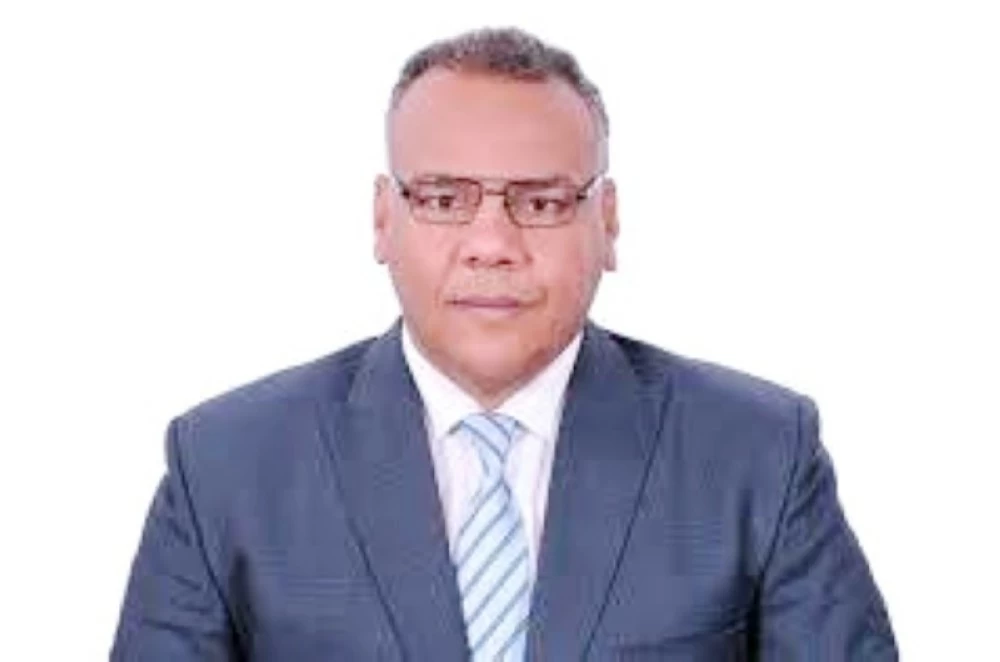
قال خبير العلاقات الدولية والاقتصاد السياسي أبوبكر الديب: «تحوّلت السعودية والإمارات وقطر والبحرين والكويت وعُمان إلى محاور إستراتيجية في خريطة الخوارزميات العالمية، وباتت تتنافس الشركات الكبرى على إنشاء سُحب وطنية، ومراكز بيانات، ومعامل ذكاء اصطناعي تخدمها وتُعيد تعريف مفاهيم السيادة الرقمية والتنمية البشرية، إذ تشهد دول الخليج طفرة في إنشاء مراكز البيانات، فالسعودية أعلنت توسيع قدرتها الرقمية إلى 3.3 غيغاواط بحلول 2030م، والإمارات استثمرت 1.5 مليار دولار، وخصّصت 5.3 مليار دولار لإطلاق منطقة سحابية بحلول 2026م، وأنشأت مركز تميز للذكاء التوليدي، كما تسعى الحكومات الخليجية لتحقيق الاستقلال الرقمي عبر استضافة البيانات محلياً وإدارة البنى التحتية من داخل المنطقة، والشركات، التي تضمن الإقامة المحلية والامتثال التشريعي، هي الأكثر جذباً للعقود الحكومية الإستراتيجية».
النفط الجديد والعصر الرقمي
وأضاف الديب: «من يملك القدرة الحسابية يملك المستقبل؛ لذا فإن المعالجات الحوسبية تعتبر هي النفط الجديد للعصر الرقمي، فمن يسيطر على إنتاجها أو توريدها يمتلك القوة الاقتصادية في القرن القادم؛ لذلك تستثمر دول الخليج في مشاريع حوسبة عملاقة تعتمد على الطاقة النظيفة لتغذية اقتصاد الذكاء الاصطناعي».
وأشار إلى أنه بحسب تقرير (بي. دبليو. سي)، يعتبر نقص الكفاءات عائقاً أمام تبنّي الذكاء الاصطناعي ليس في دول الخليج فقط بل في العالم أجمع، ولذلك أطلقت شركات عالمية صندوق مطورين بقيمة مليار دولار لدعم المواهب، وتدير شركات كبرى برامج تدريب جامعية في السعودية والإمارات، كما تُقدّم دورات في حوكمة الذكاء الاصطناعي، نيوم تمثل اقتصاداً خوارزمياً ذاتي الإدارة في السعودية، ودبي أطلقت نظام توأم رقمياً يدير المدينة لحظياً، إضافة إلى وجود الشركات العالمية بإمكاناتها الجبارة في كل من الدوحة وأبوظبي توفر الشبكات الذكية والأمن السيبراني.
تكنولوجيا المعلومات والمشاريع الإلكترونية
وأفاد الديب بأن «قيمة سوق تكنولوجيا المعلومات والاتصالات في الكويت قُدِّرت بـ22.48 مليار دولار في 2023م، ومن المتوقع أن تصل إلى 39.83 مليار دولار في السنوات الخمس القادمة، كما يتمتع قطاع الاتصالات في الكويت بتطور كبير بفضل خدمات الجيلين الخامس والسادس، وكابلات الألياف الضوئية، والاتصال عبر الأقمار الصناعية، ويخضع قطاع تكنولوجيا المعلومات والاتصالات لهيئة تنظيم الاتصالات وتقنية المعلومات، التي تتعاون لإطلاق مشاريع الحكومة الإلكترونية وتكنولوجيا الحكومة، مع استهداف بناء مركز بيانات وطني ورقمنة أكثر من 90% من الخدمات الحكومية خلال السنوات الخمس القادمة».
محاور تمويل ومستكشفات الاقتصاد
وذكر الديب أن سلطنة عُمان «حققت تقدّماً ملحوظاً أيضاً في مؤشّرات مستكشف الاقتصاد الرقمي حسب نتائج النسخة الثانية من التّقرير الصادر عن منظمة التّعاون الرقمي، وأظهرت نتائج التقرير تقدّم سلطنة عُمان تحسّناً ملحوظاً في أداء سلطنة عُمان في معظم محاور مؤشر مستكشف الاقتصاد الرقمي لعام 2025م، مقارنة بـ2024م، إذ سجلت زيادة بنسبة 44.5% في محور الابتكار الرقمي، ونموّاً بنسبة 36.2% في محور الشمول الرقمي، وزيادة في محور الأنشطة الأساسية لتقنية المعلومات والاتصالات بنسبة 33.5%، ونموّاً في محور التمويل الرقمي بنسبة 29.3%، كما بلغ إسهام أنشطة الاقتصاد الرقمي 2.83% من الناتج المحلي الإجمالي للأنشطة غير النفطية، وسجل الاقتصاد الرقمي نموّاً إجماليّاً بنسبة 15%».
دور محوري للصناديق السيادية الخليجية
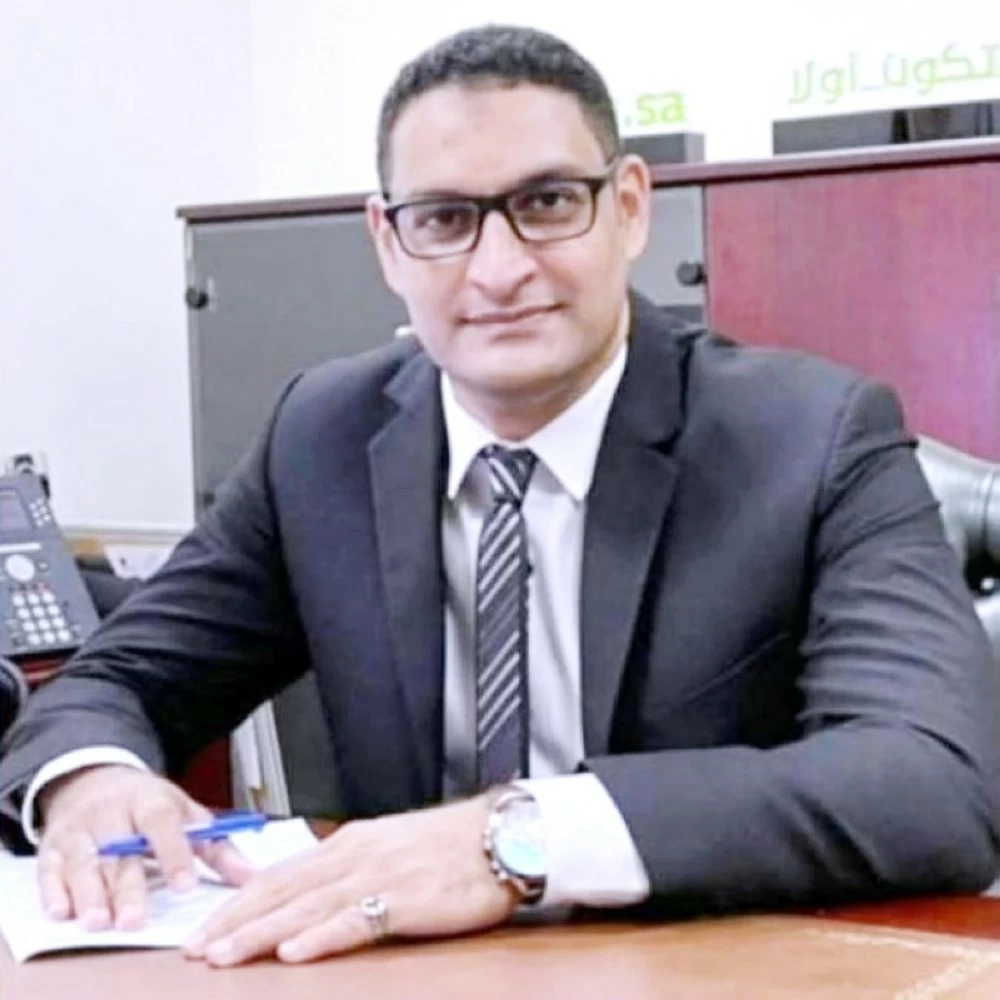
وبيّن الخبير الاقتصادي البروفيسور جاسم عجاقة، أن الصناديق السيادية الخليجية تلعب أدواراً مهمة في الاقتصاد الرقمي؛ على رأسها صندوق الاستثمارات العامة السعودي، وأجهزة أبوظبي وقطر والكويت وعمان للاستثمار، من خلال تأسيس شركات متخصصة في الخوارزميات والذكاء الاصطناعي، ووفقاً لتقرير (فاينناس ياهوو 2005)، من المتوقع أن يبلغ حجم سوق الحوسبة السحابية في السعودية 38 مليار دولار بحلول 2033م، بمعدل نمو 11.3%.
ويشير التقرير إلى أن إجمالي الإنفاق الخليجي على الذكاء الاصطناعي قد يتجاوز 23 مليار دولار سنوياً بحلول 2030م.
النمو الاقتصادي عبر الذكاء الاصطناعي
وأضاف عجاقة: «الخليج استطاع قطف فرصة الخوارزميات، قبل غيره من دول العالم، خصوصاً في مجال الذكاء الاصطناعي، وتوجد قناعة تامة عند العديد من المدارس الاقتصادية بأن النمو الاقتصادي لن يأتي إلا من خلال التكنولوجيا خصوصاً الذكاء الاصطناعي، لذا توجد تقارير عدة تفيد بأن السعودية والإمارات وقطر، يتوقع لها أن تكون مساهمة الذكاء الاصطناعي ما بين 13-14% في النمو الاقتصادي لها؛ نظراً للدور الأساسي للصناديق السيادية بتلك الدول الثلاث وبقية دول الخليج في توفير تمويلات للعديد من الشركات العالمية خصوصاً الأمريكية وغيرها، في إنشاء بنية تحتية خليجية للخوارزميات والذكاء الاصطناعي لتضاهي أكبر الاقتصادات بالعالم، فالاستثمارات بالبنية التحتية الخليجية تزيد رصيد الدول الخليجية وفرصها في الانطلاق؛ كون الذكاء الاصطناعي يخترق كل شيء في مناحي الحياة؛ الأمر الذي يعطي نوعاً من الإبداع، ونفوذاً هائلاً يسرّع نمو الاقتصاد غير النفطي».
منصة وبصمة ومبالغ ضخمة
ونوّه عجاقة، بمبادرة (هيومين)، التي تسعى إلى أن تكون منصة وطنية للذكاء الاصطناعي، بما يعكس إصرار السعودية على جعل الذكاء الاصطناعي ركيزة أساسية في مشروع التحول الاقتصادي.
وأفاد بأن «قطر بدورها اختارت أن تضع بصمتها عبر جهاز قطر للاستثمار، الذي ساهم بمبالغ ضخمة في ذلك المجال، أما الإمارات فتدرك بأن السيطرة على سلاسل توريد أشباه الموصلات، هي مفتاح النفوذ في الاقتصاد الرقمي».
مكانة ريادية إقليمية ودولية
وذكر عجاقة أن مملكة البحرين تحتل مكانة ريادية على المستوى الإقليمي والدولي في مختلف المؤشرات، فقد تمت الإشادة بالبحرين باعتبارها في الترتيب الرابع في تقرير الاقتصاد الرقمي العربي، ومن بين ثلاث دول عربية في مؤشر الحرية الاقتصادية تحتل الترتيب 40 عالمياً، كما تتصدر مجال التكنولوجيا المالية في المنطقة وتحتل المرتبة 25 عالمياً في تصنيف التنافسية العالمية.
وتطمح البحرين إلى الريادة في الاقتصاد الرقمي من خلال إطلاق العديد من المبادرات والمشاريع التي تدعم نمو القطاع الرقمي بما يتماشى مع رؤية البحرين الاقتصادية، وتعزز مكانتها في تطوير البنية التحتية الرقمية كمركز إقليمي للابتكار الرقمي والذكاء الاصطناعي، فضلاً عن تطوير مهارات ومعايير الأمن السيبراني، واحتلت المرتبة السابعة عالمياً والثالثة إقليمياً في مؤشر تنمية تقنية المعلومات والاتصالات لتصبح واحدة من أفضل 10 دول عالمياً في المؤشر الصادر عن الاتحاد الدولي للاتصالات.
When oil was discovered in the last century, it granted the ability to influence global energy prices. With the transition to the era of algorithm technology, the ability to influence the digital infrastructure will determine the shape of the global economy in the coming century.
Just as oil moved and moved the world with it, algorithms have become an indispensable resource. When the economy intersects with technology, and data with computing, the future will belong to those who hold the keys to the digital revolution.
The Gulf Arab countries (Saudi Arabia, the UAE, Kuwait, Qatar, Bahrain, Oman) are today experiencing a massive revolution where all the previous elements intersect; thus, it can be said that algorithms, led by artificial intelligence, are not merely an economic opportunity but a strategic project that reshapes the global economy, as the Gulf moves forward with strength and stability to secure its position in this world.
Strategic Axes and Unprecedented Boom
International relations and political economy expert Abubakr Al-Dib stated: “Saudi Arabia, the UAE, Qatar, Bahrain, Kuwait, and Oman have transformed into strategic hubs on the global algorithms map, and major companies are competing to establish national clouds, data centers, and artificial intelligence labs that serve them and redefine the concepts of digital sovereignty and human development. Gulf countries are witnessing a boom in establishing data centers, with Saudi Arabia announcing an expansion of its digital capacity to 3.3 gigawatts by 2030, the UAE investing $1.5 billion and allocating $5.3 billion to launch a cloud region by 2026, and establishing a center of excellence for generative intelligence. Gulf governments are also striving for digital independence by hosting data locally and managing infrastructure from within the region, with companies that ensure local residency and legislative compliance being the most attractive for strategic government contracts.”
The New Oil and the Digital Age
Al-Dib added: “Whoever possesses computational power owns the future; thus, computing processors are considered the new oil of the digital age. Those who control their production or supply hold economic power in the coming century; therefore, Gulf countries are investing in massive computing projects that rely on clean energy to fuel the artificial intelligence economy.”
He pointed out that according to a report by PwC, the lack of skilled talent is a barrier to adopting artificial intelligence not only in Gulf countries but globally. As a result, global companies have launched a developer fund worth $1 billion to support talent, and major companies are running university training programs in Saudi Arabia and the UAE, as well as offering courses in artificial intelligence governance. NEOM represents a self-managed algorithmic economy in Saudi Arabia, and Dubai has launched a digital twin system that manages the city in real-time, in addition to the presence of global companies with their immense capabilities in both Doha and Abu Dhabi, providing smart networks and cybersecurity.
Information Technology and E-Projects
Al-Dib reported that “the value of the information and communications technology market in Kuwait was estimated at $22.48 billion in 2023, and it is expected to reach $39.83 billion in the next five years. The telecommunications sector in Kuwait enjoys significant development thanks to 5G and 6G services, fiber optic cables, and satellite communication. The information and communications technology sector is regulated by the Communications and Information Technology Regulatory Authority, which collaborates to launch e-government and government technology projects, targeting the establishment of a national data center and digitizing more than 90% of government services within the next five years.”
Funding Axes and Economic Explorations
Al-Dib mentioned that the Sultanate of Oman “has also made remarkable progress in the indicators of the Digital Economy Explorer according to the results of the second report issued by the Digital Cooperation Organization. The report showed a significant improvement in Oman’s performance across most axes of the Digital Economy Explorer index for 2025 compared to 2024, with a recorded increase of 44.5% in the digital innovation axis, a growth of 36.2% in the digital inclusion axis, an increase of 33.5% in the core activities of information and communications technology axis, and a growth of 29.3% in the digital financing axis. The contribution of digital economy activities reached 2.83% of the GDP of non-oil activities, and the digital economy recorded an overall growth of 15%.”
The Pivotal Role of Gulf Sovereign Funds
Economic expert Professor Jassim Ajaka indicated that Gulf sovereign funds play important roles in the digital economy, led by the Saudi Public Investment Fund and the investment authorities of Abu Dhabi, Qatar, Kuwait, and Oman, through the establishment of companies specializing in algorithms and artificial intelligence. According to a report by Finance Yahoo 2005, the cloud computing market in Saudi Arabia is expected to reach $38 billion by 2033, with a growth rate of 11.3%.
The report indicates that total Gulf spending on artificial intelligence could exceed $23 billion annually by 2030.
Economic Growth Through Artificial Intelligence
Ajaka added: “The Gulf has managed to seize the opportunity of algorithms before other countries in the world, especially in the field of artificial intelligence. There is a complete conviction among many economic schools that economic growth will only come through technology, especially artificial intelligence. Thus, several reports indicate that Saudi Arabia, the UAE, and Qatar are expected to see artificial intelligence contribute between 13-14% to their economic growth, due to the essential role of sovereign funds in those three countries and the rest of the Gulf in providing financing for many global companies, especially American ones, to establish a Gulf infrastructure for algorithms and artificial intelligence that rivals the largest economies in the world. Investments in Gulf infrastructure increase the reserves and opportunities of Gulf countries to launch, as artificial intelligence penetrates every aspect of life, providing a kind of creativity and enormous influence that accelerates the growth of the non-oil economy.”
A Platform, a Stamp, and Huge Amounts
Ajaka noted the (Humain) initiative, which seeks to be a national platform for artificial intelligence, reflecting Saudi Arabia's determination to make artificial intelligence a fundamental pillar in the economic transformation project.
He stated that “Qatar, for its part, has chosen to leave its mark through the Qatar Investment Authority, which has contributed huge amounts in that field, while the UAE recognizes that controlling semiconductor supply chains is the key to influence in the digital economy.”
Regional and International Leadership Position
Ajaka mentioned that the Kingdom of Bahrain occupies a leading position at the regional and international levels in various indicators, as Bahrain has been praised for ranking fourth in the Arab Digital Economy Report, and among three Arab countries in the Economic Freedom Index, ranking 40th globally. It also leads in the field of financial technology in the region and ranks 25th globally in the Global Competitiveness Index.
Bahrain aspires to lead in the digital economy by launching numerous initiatives and projects that support the growth of the digital sector in line with Bahrain's economic vision, enhancing its position in developing digital infrastructure as a regional center for digital innovation and artificial intelligence, as well as developing cybersecurity skills and standards. It ranked seventh globally and third regionally in the Information and Communications Technology Development Index, becoming one of the top 10 countries globally in the index issued by the International Telecommunication Union.