
في الوقت الذي يشهد فيه القطاع الصحي في السعودية تحولاً نوعياً ضمن مستهدفات رؤية 2030، تبرز أهمية رفع الوعي بحقوق المرضى كأحد الأعمدة الأساسية لتجويد الخدمات وضمان سلامة الرعاية الصحية، الأمر الذي يتطلب من المريض الفهم العميق لما له وما عليه داخل المنشآت الصحية، وذلك للضرورة الصحية والأخلاقية التي تضمن له الأمان والعدالة خلال رحلة العلاج، ويكمن التحدي الأكبر في أن نسبة كبيرة من المرضى ما زالت تجهل هذه الحقوق، أو تتردد في المطالبة بها، إما بسبب ضعف التوعية، أو خشية تعطل مسار العلاج، ما دفع وزارة الصحة إلى إطلاق العديد من المبادرات؛ أبرزها مركز تجربة المريض، وخط البلاغات 937، لتعزيز ثقافة الحقوق، وتحقيق التفاعل السريع مع الشكاوى.
وفقاً لوثيقة حقوق المرضى المعتمدة من وزارة الصحة، يحق للمريض معرفة اسم الطبيب القائم على علاجه وتخصصه، والحصول على شرح وافٍ عن حالته الصحية بلغة واضحة، بما في ذلك الإجراءات المقترحة والمضاعفات المحتملة وخيارات العلاج المتاحة، كما يحق له رفض أو قبول أي تدخل طبي، طالما تم توضيح نتائجه القانونية والصحية، ولا تقف الحقوق عند الإطار العلاجي فحسب، بل تمتد لتشمل الجوانب الإدارية والخدمية، مثل فتح ملف طبي مجاناً في المنشآت الخاصة، معرفة تكاليف العلاج قبل البدء به. ويشمل ذلك الحق في التبليغ عن أي مخالفة داخل المنشأة، كالضوضاء أو التدخين، دون أن يؤثر ذلك على جودة الخدمة المقدمة له.
سرعة التجاوب مع الشكاوى
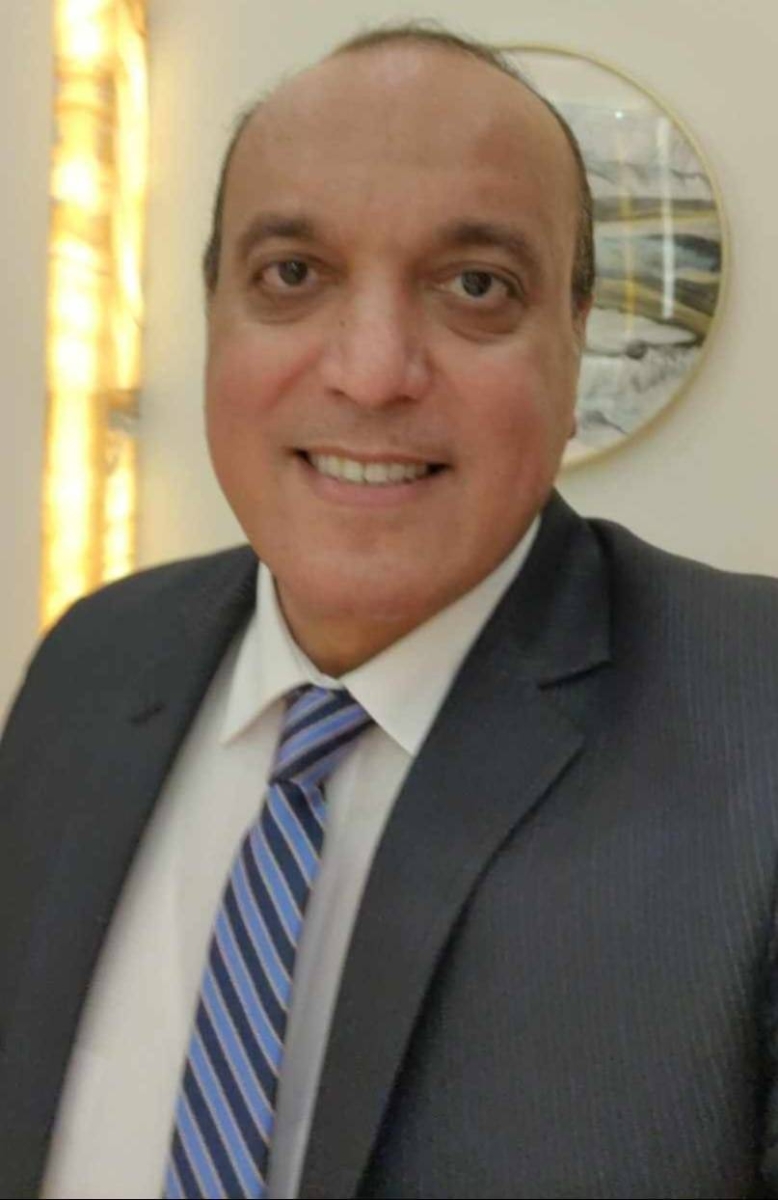
استشاري الجودة وسلامة المرضى الدكتور أحمد رمضان يؤكد لـ«عكاظ»: أن وزارة الصحة أولت حقوق المرضى أهمية قصوى، ودمجتها ضمن سياسات التحول الصحي الوطني، عبر إطلاق برامج نوعية كإدارة تجربة المريض وتوفير قنوات تواصل متعددة مثل الرقم الموحد 937؛ لضمان سرعة الاستجابة والتفاعل مع شكاوى المرضى وملاحظاتهم. ويضيف: إن الوزارة وضعت وثيقة شاملة لحقوق المرضى، تشمل الحق في معرفة هوية الفريق الطبي، وطلب الترجمة عند الحاجة، والحصول على شرح واضح للإجراءات العلاجية، إضافة إلى الحق في رفض العلاج ضمن الإطار القانوني، ويمتد نطاق الحقوق ليشمل حتى المرضى في المنشآت الصحية الخاصة، حيث يحق لهم فتح ملف طبي دون مقابل، ومعرفة تكلفة العلاج مسبقاً، والحصول على تقارير طبية مجانية، بالإضافة إلى احترام خصوصيتهم وعدم إجبارهم على التعامل مع صيدلية أو مختبر محدد.
شفافية دون نزاعات
يؤكد عدد من المختصين لـ«عكاظ» على أهمية معرفة المريض لحقوقه لتسهم في خفض معدلات الأخطاء الطبية، وتعزز جودة القرار الطبي، خصوصًا عندما يكون المريض على اطلاع كافٍ بخطته العلاجية ومآلاتها، وتشير تجارب بعض الدول المتقدمة إلى أن إشراك المريض في اتخاذ القرار الصحي يؤدي إلى نتائج علاجية أفضل، ويقلل من النزاعات القانونية، ويمنح الطاقم الطبي فرصة للعمل في بيئة تتسم بالثقة والشفافية. فيما كشف عدد من المرضى أهمية استيفاء حقوقهم كاملة وابرازها بشكل مفصّل في غرف التنويم ومداخل المستشفيات لتظهر للجميع.
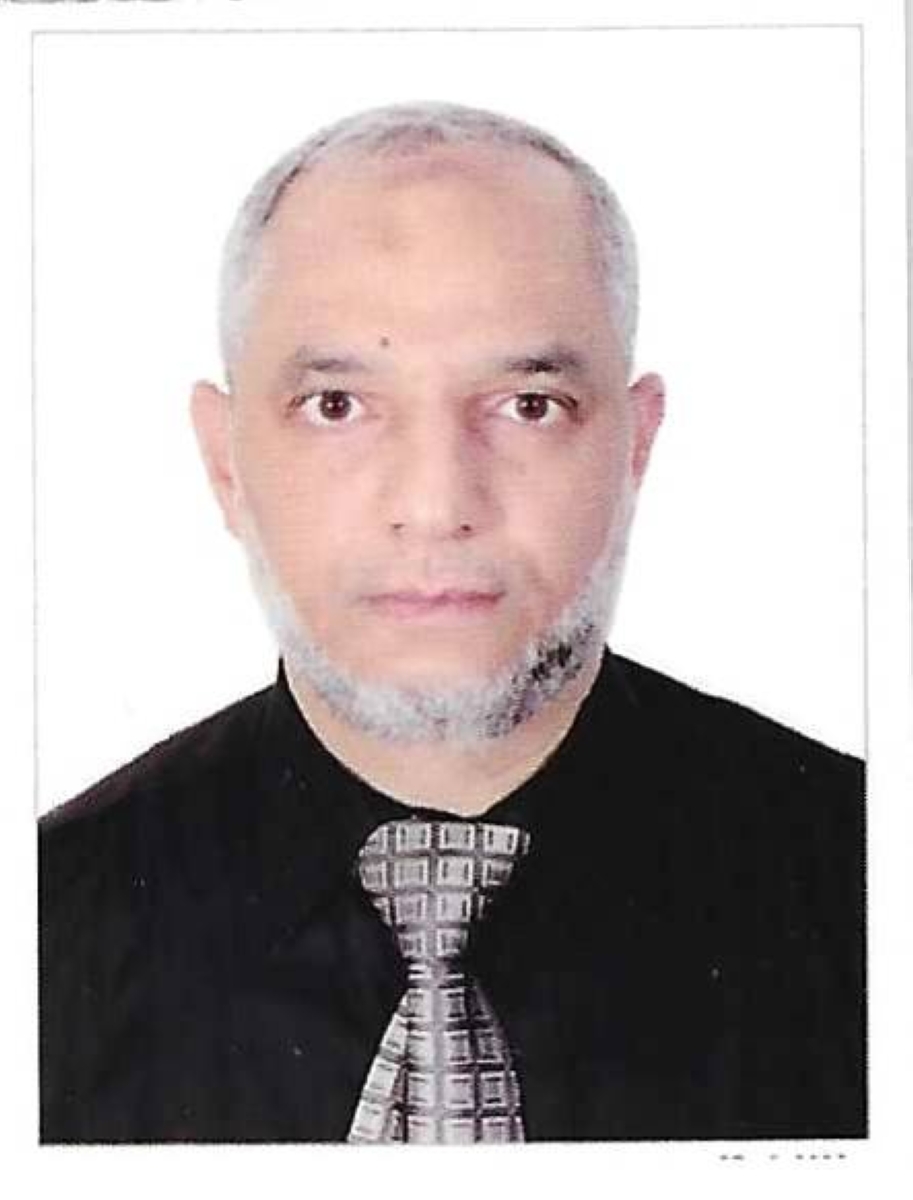
ويرى استشاري الجودة وسلامة المرضى الدكتور أشرف محمد زغلول، أن دخول المستشفى ليس مجرد لحظة علاجية، بل محطة شراكة بين المريض والفريق الطبي، تتطلب التزامات متبادلة. ويؤكد أن من أبرز مسؤوليات المريض التواصل الصريح مع الطاقم المعالج، وتقديم معلومات دقيقة حول تاريخه الصحي، وحالته، وأي أعراض يشعر بها. كما يشدد على أن الالتزام بالتعليمات الطبية، بما فيها تناول الأدوية والأنظمة الغذائية، اذ يُعد ذلك أحد أعمدة التعافي، ويمنح الفريق الطبي فرصة تقديم الرعاية المناسبة بدقة وأمان. ويضيف زغلول، أن احترام المريض لبيئة المستشفى، ولمقدمي الخدمة الصحية، يعزز من جودة الأداء ويُسهم في خلق مناخ مهني ومطمئن، بينما تعد المشاركة الفاعلة في خطة الرعاية، من خلال الموافقة المستنيرة، وإبلاغ الفريق بأي تطورات في الحالة الصحية، خطوة ضرورية للوصول إلى نتائج علاجية مثلى.
صيانة كرامة المريض
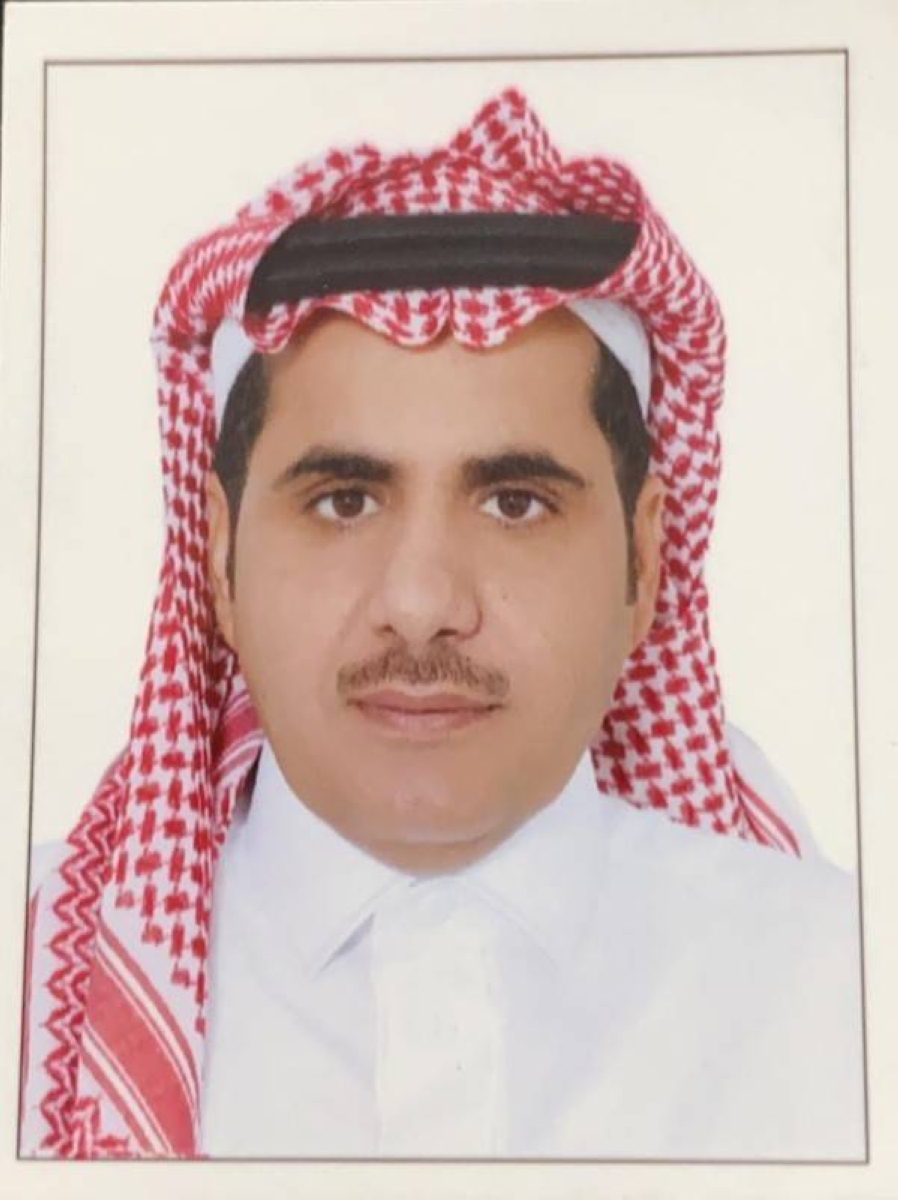
أخصائي المختبرات الدكتور ياسر بابكر، قال إن الثقافة الطبية من الركائز الأساسية لتعزيز جودة الرعاية الصحية والتفاعل الإيجابي بين المريض ومقدمي الرعاية الصحية الأساسية في الحقل الصحي، وهي تعني إلمام المريض بحقوقه وواجباته داخل المنظومة، ومن هذه الحقوق الحق في الحصول على الرعاية الملائمة والمتكاملة دون تميز، وبالخصوصية والسرية، ومعرفة حالته المرضية والموافقة علي أي إجراء طبي قبل تنفيذه، وله الحق في الاحترام والمحافظة علي كرامته وتقديم الشكاوى والملاحظات. ويحق للمريض اصطحاب مرافق أثناء مرحلة العلاج وفق سياسات وضوابط المنشأة الصحية. وأضاف بابكر: إن من الواجبات على المريض، الصدق في المعلومات، واتباع المعلومات الطبية، إضافة لاحترام الطاقم الطبي، والمحافظة علي المرافق الصحية، وتنفيذ والتزام بالمواعيد. واختتم قوله بأهمية نشر الوعي بالثقافة الطبية وواجبات وحقوق المريض لما يؤدي إلى بناء بيئة علاجيه متوازنة تسهم في بناء الثقة وتبادل الاحترام وتعزز جودة الخدمات الصحية
خطوات بسيطة ومؤثرة
الباحثة في الشؤون الإعلامية لمى العتيبي قالت، إنه في ضوء إعلان وزارة الصحة المتكرر عن (وثيقة حقوق المرضى)، يتضح حرص الوزارة على تعزيز وعي المرضى بحقوقهم أثناء رحلة العلاج، ويسهم في حصولهم على رعاية صحية مكتملة ويعزز جودة الخدمات ويحد من الأخطاء الطبية. وهنا يتجلى الدور الحيوي للإعلام في دعم هذا التوجه، إذ يُعد شريكاً أساسياً في نشر الوعي، من خلال تبسيط هذه الحقوق للمواطنين والمقيمين، وتوضيح خطوات بسيطة لكنها مؤثرة، مثل حق فتح الملف الطبي، أو طلب مترجم لضمان فهم الإجراءات والعلاج بشكل دقيق. وأضافت العتيبي، أن الرسائل الاتصالية التي تبثها حسابات الوزارة عبر المنصات الرقمية، أصبحت أكثر وضوحاً وتفاعلاً، خصوصاً مع تخصيص رقم للبلاغات ورصد تجارب المرضى وتحويلها إلى فرص تحسين، ولفتت الباحثة في الشؤون الإعلامية إلى أن الإعلام مطالب بمواكبة هذه المبادرات بنهج تفاعلي، يتجاوز النقل إلى التحليل والشرح، عبر برامج وحملات تثقيفية، وقصص إنسانية، وتغطيات ميدانية، تخلق صلة مباشرة بين المريض والنظام الصحي. واختتمت العتيبي بأن المأمول هو استمرار الإعلام كشريك تنويري، ليعزز ثقة المريض، ويحفزه على ممارسة حقه بوعي ومسؤولية.
18000 قضية خطأ طبي
كشفت إحصائية رسمية لوزارة الصحة عن تسجيل أكثر من 18 ألف قضية أخطاء طبية لدى الهيئات الصحية الشرعية خلال 2023م، أُصدر بشأنها ما يزيد على ثلاثة آلاف قرار. وتصدرت الرياض المناطق من حيث عدد القضايا والقرارات، تليها الشرقية، ثم جدة. فيما تم ترحيل اكثر من 15 ألف قضية لمتابعتها خلال عام 2024م.
تأتي هذه الأرقام لتؤكد أهمية وعي المرضى بحقوقهم ومسؤولياتهم، وتعزيز الشراكة الفاعلة مع مقدمي الرعاية الصحية لضمان سلامة المرضى وجودة الخدمة الطبية.
لا تدفع للطبيب
مساعد المدير العام للتخطيط والتدريب بصحة جازان سابقاً الدكتور عبدالغني الشيخ، يؤكد أنه يحق للمستفيد الحصول على الخدمة العلاجية عن طريق مقدمها المعتمد بشبكته بدون دفع أي مبالغ نقدية أو رسوم إضافية لمقدم الخدمة أو تحويل مبلغ مالي للحساب الشخصي للطبيب المعالج؛ نظير تقديم الخدمات الطبية في العيادات الخارجية أو التنويم تحت أي بند، باستثناء دفع مبلغ نسبة التحمل إن وجد أو عند استنفاد حد المنفعة، كما يحق للمستفيد طلب صورة من وصفته وصرفها من أي صيدلية غير تابعة لمقدم الخدمة ولكن ضمن شبكته الطبية، كما يحق للمستفيد الحصول على الخدمة العلاجية عن طريق مقدم الخدمة المعتمد بشبكته لدى جميع الأطباء العاملين في المنشأة الصحية، سواء كانوا بدوام جزئي أو كلي في حدود المنافع المغطاة ضمن وثيقة الضمان الصحي الإلزامية وبدون أي تمييز بين الأطباء، ويشير أيضاً إلى انه يحق للمستفيد عدم التوقيع على تعهد بسداد قيمة المطالبة في حال عدم قبولها من الجهة المعنية طالما أنها ضمن حدود المنافع المغطاة في وثيقة الضمان الصحي الإلزامية.
ويضيف الدكتور الشيخ، انه يحق للمستفيد مراجعة الطبيب مرة واحدة بدون رسوم إضافية خلال 14 يوماً بعد الزيارة الأولية للطبيب لنفس المشكلة الصحية التي تم تشخيصها في الكشف الأولي.
لا تسكت على المهمل
لفت مساعد المدير العام للتخطيط والتدريب بصحة جازان سابقا الدكتور عبدالغني الشيخ، إلى أن رضى المستفيد غاية أكدتها الدولة بالإنفاق على التحول المؤسسي ويعكسه حجم تطوير الدعم المجاني الذي تقدمه الدولة لمواطنيها خارج مناطقهم من تذاكر للمريض ومرافقيه، وصرف نفقات نثرية، ومبادرات رقمية غيرت وجه القطاعات بصورة عامة، والرعاية الصحية بصفة خاصة. وأكد أن التجمعات الصحية توجه نداءات لجميع الممارسين بالتواجد في عياداتهم في الوقت المحدد، لأداء واجباتهم الوظيفية بكل نزاهة واحترافية، والتزام الموظفين بتطبيق النظام بحيادية في سبيل القضاء على قوائم الانتظار بالعيادات وتوفر الأسرة، مؤكداً على أهمية أن لا يسكت المريض على طبيب أو ممارس أهمل واجبه، لأن السكوت هنا قد يكون خطراً على المريض وعلى أسرته، مختتماً حديثه بأهمية أن يتعاون الجميع للوصول إلى الهدف الذي تنشده الدولة ممثلة في وزارة الصحة بأن تتطور السياسات المتعلقة بالمقومات الأساسية للصحة العامة ونمط الحياة الصحية والوقائية وتعزيز التثقيف الصحي من أجل حياة صحية رفيعة ومجتمع راق.
نقص المتابعة.. خطأ طبي!
المحامي والمستشار القانوني عبيد بن أحمد العيافي، يوضح أن الأخطاء الطبية تعد من القضايا الحساسة التي تشغل الرأي العام والمجتمع الطبي على حد سواء، نظراً لتأثيرها المباشر على صحة الأفراد وحياتهم، ومن أجل تعزيز المسؤولية الطبية وحماية حقوق المرضى، فإثبات الخطأ الطبي يُعتبر مرحلة معقدة للمريض المتضرر، حيث يُعتمد بشكل أساسي على التقارير الطبية الصادرة عن الجهات المختصة لتوضيح مدى صحة ادعاءات المريض، وأضاف أن هذه التقارير الوثيقة الرئيسية تعد في تقييم وجود الخطأ وتحديد الضرر الناجم عنه.
وأوضح لـ«عكاظ»: أن المادة السابعة والعشرين نصت على أن كل خطأ مهني صحي صدر من الممارس الصحي وترتب عليه ضرر للمريض يلتزم من ارتكبه بالتعويض. ويعد من قبيل الخطأ المهني الصحي الخطأ في العلاج، أو نقص المتابعة، والجهل بأمور فنية يفترض فيمن كان في مثل تخصصه الإلمام بها، وإجراء العمليات الجراحية التجريبية وغير المسبوقة على الإنسان بالمخالفة للقواعد المنظمة لذلك، إجراء التجارب أو البحوث العلمية غير المعتمدة على المريض، إعطاء دواء للمريض على سبيل الاختبار.
مختصون ينبهون.. مرضى يطالبون
اعرف حقوقك
25 يوليو 2025 - 06:44
|
آخر تحديث 25 يوليو 2025 - 06:44


تابع قناة عكاظ على الواتساب
عبدالكريم الذيابي (الطائف) r777aa@
At a time when the healthcare sector in Saudi Arabia is witnessing a qualitative transformation within the targets of Vision 2030, the importance of raising awareness of patient rights emerges as one of the fundamental pillars for improving services and ensuring the safety of healthcare. This requires patients to have a deep understanding of their rights and responsibilities within healthcare facilities, which is essential for their health and ethical safety during the treatment journey. The biggest challenge lies in the fact that a significant percentage of patients are still unaware of these rights or hesitate to claim them, either due to a lack of awareness or fear of disrupting the treatment process. This has prompted the Ministry of Health to launch several initiatives, the most prominent of which are the Patient Experience Center and the 937 reporting hotline, to promote a culture of rights and ensure quick interaction with complaints.
According to the patient rights document approved by the Ministry of Health, patients have the right to know the name of the doctor responsible for their treatment and their specialty, and to receive a comprehensive explanation of their health condition in clear language, including proposed procedures, potential complications, and available treatment options. They also have the right to refuse or accept any medical intervention, as long as the legal and health consequences are clarified. Rights do not stop at the treatment framework alone but extend to administrative and service aspects, such as opening a medical file for free in private facilities and knowing the costs of treatment before starting it. This includes the right to report any violations within the facility, such as noise or smoking, without it affecting the quality of service provided to them.
Rapid Response to Complaints
Dr. Ahmed Ramadan, a quality and patient safety consultant, confirms to "Okaz" that the Ministry of Health has given utmost importance to patient rights and integrated them into national health transformation policies by launching qualitative programs such as patient experience management and providing multiple communication channels like the unified number 937 to ensure quick response and interaction with patient complaints and observations. He adds that the ministry has established a comprehensive document for patient rights, which includes the right to know the identity of the medical team, request translation when needed, and receive a clear explanation of treatment procedures, in addition to the right to refuse treatment within the legal framework. The scope of rights even extends to patients in private healthcare facilities, where they have the right to open a medical file free of charge, know the cost of treatment in advance, and receive free medical reports, in addition to respecting their privacy and not forcing them to deal with a specific pharmacy or laboratory.
Transparency Without Disputes
A number of specialists confirm to "Okaz" the importance of patients knowing their rights to help reduce medical error rates and enhance the quality of medical decisions, especially when patients are adequately informed about their treatment plans and outcomes. Experiences from some advanced countries indicate that involving patients in health decision-making leads to better treatment outcomes, reduces legal disputes, and gives the medical team the opportunity to work in an environment characterized by trust and transparency. Several patients have revealed the importance of fully meeting their rights and displaying them in detail in hospital rooms and entrances to hospitals for everyone to see.
Dr. Ashraf Mohamed Zaghloul, a quality and patient safety consultant, believes that entering the hospital is not just a moment of treatment but a partnership between the patient and the medical team that requires mutual commitments. He emphasizes that one of the main responsibilities of the patient is to communicate openly with the treating team and provide accurate information about their health history, condition, and any symptoms they feel. He also stresses that adhering to medical instructions, including taking medications and following dietary guidelines, is one of the pillars of recovery and gives the medical team the opportunity to provide appropriate care accurately and safely. Zaghloul adds that respecting the hospital environment and healthcare providers enhances performance quality and contributes to creating a professional and reassuring atmosphere, while active participation in the care plan, through informed consent and notifying the team of any developments in health status, is a necessary step to achieve optimal treatment outcomes.
Upholding Patient Dignity
Laboratory specialist Dr. Yasser Babker stated that medical culture is one of the essential pillars for enhancing the quality of healthcare and positive interaction between the patient and primary healthcare providers in the health field. It means that patients are aware of their rights and responsibilities within the system, and among these rights is the right to receive appropriate and comprehensive care without discrimination, with privacy and confidentiality, to know their medical condition, and to consent to any medical procedure before it is performed. They have the right to respect and to maintain their dignity and to submit complaints and observations. Patients have the right to bring a companion during the treatment phase according to the policies and regulations of the healthcare facility. Babker added that patients have the duty to provide truthful information, follow medical advice, respect the medical staff, maintain healthcare facilities, and adhere to appointments. He concluded by emphasizing the importance of raising awareness about medical culture and the duties and rights of patients, as this leads to building a balanced therapeutic environment that fosters trust, mutual respect, and enhances the quality of healthcare services.
Simple and Impactful Steps
Media researcher Lama Al-Otaibi stated that in light of the Ministry of Health's repeated announcement of the "Patient Rights Document," it is clear that the ministry is keen to enhance patients' awareness of their rights during the treatment journey, which contributes to them receiving complete healthcare, enhances service quality, and limits medical errors. Here, the vital role of the media in supporting this direction is evident, as it is considered a key partner in raising awareness by simplifying these rights for citizens and residents and clarifying simple yet impactful steps, such as the right to open a medical file or request a translator to ensure accurate understanding of procedures and treatment. Al-Otaibi added that the communication messages broadcast by the ministry's accounts through digital platforms have become clearer and more interactive, especially with the allocation of a reporting number and monitoring patient experiences and turning them into opportunities for improvement. The media researcher pointed out that the media is required to keep pace with these initiatives with an interactive approach that goes beyond mere reporting to analysis and explanation through educational programs, campaigns, human stories, and field coverage that create a direct connection between the patient and the healthcare system. Al-Otaibi concluded that the hope is for the media to continue as an enlightening partner to enhance patient trust and encourage them to exercise their rights with awareness and responsibility.
18,000 Medical Error Cases
An official statistic from the Ministry of Health revealed that more than 18,000 medical error cases were recorded with the health regulatory bodies during 2023, resulting in over three thousand decisions. Riyadh topped the regions in terms of the number of cases and decisions, followed by the Eastern Province and then Jeddah. More than 15,000 cases were deferred for follow-up in 2024.
These figures underscore the importance of patients being aware of their rights and responsibilities and enhancing effective partnerships with healthcare providers to ensure patient safety and quality of medical service.
Do Not Pay the Doctor
Dr. Abdulghani Al-Sheikh, former assistant director general for planning and training at Jazan Health, confirms that beneficiaries have the right to receive treatment services through their accredited provider within the network without paying any cash amounts or additional fees to the service provider or transferring any amount to the personal account of the treating physician for providing medical services in outpatient clinics or hospitalization under any condition, except for paying a deductible amount if applicable or when the benefit limit is exhausted. Beneficiaries also have the right to request a copy of their prescription and have it filled at any pharmacy not affiliated with the service provider but within their medical network. They have the right to receive treatment services through the accredited provider within the network from all doctors working in the healthcare facility, whether part-time or full-time, within the covered benefits under the mandatory health insurance document and without any discrimination among doctors. He also points out that beneficiaries have the right not to sign a commitment to pay the claim amount if it is not accepted by the relevant authority as long as it is within the covered benefits in the mandatory health insurance document.
Dr. Al-Sheikh adds that beneficiaries have the right to consult a doctor once without additional fees within 14 days after the initial visit for the same health issue that was diagnosed in the initial examination.
Do Not Remain Silent About Negligence
Dr. Abdulghani Al-Sheikh, former assistant director general for planning and training at Jazan Health, pointed out that beneficiary satisfaction is a goal confirmed by the state through spending on institutional transformation, reflected in the extent of the free support provided by the state to its citizens outside their regions, such as tickets for the patient and their companions, disbursement of petty cash expenses, and digital initiatives that have transformed the face of sectors in general, and healthcare in particular. He emphasized that health clusters call on all practitioners to be present in their clinics at the scheduled times to perform their job duties with integrity and professionalism, and for employees to apply the system impartially to eliminate waiting lists in clinics and ensure bed availability. He stressed the importance of patients not remaining silent about a doctor or practitioner who neglects their duty, as silence here could pose a danger to the patient and their family, concluding his remarks by emphasizing the importance of everyone cooperating to achieve the goal that the state, represented by the Ministry of Health, seeks: to develop policies related to the essential components of public health, healthy and preventive lifestyles, and to enhance health education for a high-quality life and an advanced society.
Lack of Follow-Up... Medical Error!
Lawyer and legal advisor Ubaid bin Ahmed Al-Ayafi explains that medical errors are among the sensitive issues that occupy public opinion and the medical community alike, due to their direct impact on individuals' health and lives. To enhance medical responsibility and protect patients' rights, proving medical error is considered a complex stage for the affected patient, as it primarily relies on medical reports issued by the relevant authorities to clarify the validity of the patient's claims. He added that these reports are the main documents in evaluating the existence of the error and determining the resulting harm.
He explained to "Okaz" that Article 27 states that any professional health error committed by a healthcare practitioner that results in harm to the patient obliges the perpetrator to compensate. Examples of professional health errors include errors in treatment, lack of follow-up, ignorance of technical matters that someone in their specialty should be familiar with, conducting experimental and unprecedented surgical operations on humans in violation of the regulations governing that, conducting unapproved experiments or scientific research on the patient, and administering medication to the patient on an experimental basis.
According to the patient rights document approved by the Ministry of Health, patients have the right to know the name of the doctor responsible for their treatment and their specialty, and to receive a comprehensive explanation of their health condition in clear language, including proposed procedures, potential complications, and available treatment options. They also have the right to refuse or accept any medical intervention, as long as the legal and health consequences are clarified. Rights do not stop at the treatment framework alone but extend to administrative and service aspects, such as opening a medical file for free in private facilities and knowing the costs of treatment before starting it. This includes the right to report any violations within the facility, such as noise or smoking, without it affecting the quality of service provided to them.
Rapid Response to Complaints
Dr. Ahmed Ramadan, a quality and patient safety consultant, confirms to "Okaz" that the Ministry of Health has given utmost importance to patient rights and integrated them into national health transformation policies by launching qualitative programs such as patient experience management and providing multiple communication channels like the unified number 937 to ensure quick response and interaction with patient complaints and observations. He adds that the ministry has established a comprehensive document for patient rights, which includes the right to know the identity of the medical team, request translation when needed, and receive a clear explanation of treatment procedures, in addition to the right to refuse treatment within the legal framework. The scope of rights even extends to patients in private healthcare facilities, where they have the right to open a medical file free of charge, know the cost of treatment in advance, and receive free medical reports, in addition to respecting their privacy and not forcing them to deal with a specific pharmacy or laboratory.
Transparency Without Disputes
A number of specialists confirm to "Okaz" the importance of patients knowing their rights to help reduce medical error rates and enhance the quality of medical decisions, especially when patients are adequately informed about their treatment plans and outcomes. Experiences from some advanced countries indicate that involving patients in health decision-making leads to better treatment outcomes, reduces legal disputes, and gives the medical team the opportunity to work in an environment characterized by trust and transparency. Several patients have revealed the importance of fully meeting their rights and displaying them in detail in hospital rooms and entrances to hospitals for everyone to see.
Dr. Ashraf Mohamed Zaghloul, a quality and patient safety consultant, believes that entering the hospital is not just a moment of treatment but a partnership between the patient and the medical team that requires mutual commitments. He emphasizes that one of the main responsibilities of the patient is to communicate openly with the treating team and provide accurate information about their health history, condition, and any symptoms they feel. He also stresses that adhering to medical instructions, including taking medications and following dietary guidelines, is one of the pillars of recovery and gives the medical team the opportunity to provide appropriate care accurately and safely. Zaghloul adds that respecting the hospital environment and healthcare providers enhances performance quality and contributes to creating a professional and reassuring atmosphere, while active participation in the care plan, through informed consent and notifying the team of any developments in health status, is a necessary step to achieve optimal treatment outcomes.
Upholding Patient Dignity
Laboratory specialist Dr. Yasser Babker stated that medical culture is one of the essential pillars for enhancing the quality of healthcare and positive interaction between the patient and primary healthcare providers in the health field. It means that patients are aware of their rights and responsibilities within the system, and among these rights is the right to receive appropriate and comprehensive care without discrimination, with privacy and confidentiality, to know their medical condition, and to consent to any medical procedure before it is performed. They have the right to respect and to maintain their dignity and to submit complaints and observations. Patients have the right to bring a companion during the treatment phase according to the policies and regulations of the healthcare facility. Babker added that patients have the duty to provide truthful information, follow medical advice, respect the medical staff, maintain healthcare facilities, and adhere to appointments. He concluded by emphasizing the importance of raising awareness about medical culture and the duties and rights of patients, as this leads to building a balanced therapeutic environment that fosters trust, mutual respect, and enhances the quality of healthcare services.
Simple and Impactful Steps
Media researcher Lama Al-Otaibi stated that in light of the Ministry of Health's repeated announcement of the "Patient Rights Document," it is clear that the ministry is keen to enhance patients' awareness of their rights during the treatment journey, which contributes to them receiving complete healthcare, enhances service quality, and limits medical errors. Here, the vital role of the media in supporting this direction is evident, as it is considered a key partner in raising awareness by simplifying these rights for citizens and residents and clarifying simple yet impactful steps, such as the right to open a medical file or request a translator to ensure accurate understanding of procedures and treatment. Al-Otaibi added that the communication messages broadcast by the ministry's accounts through digital platforms have become clearer and more interactive, especially with the allocation of a reporting number and monitoring patient experiences and turning them into opportunities for improvement. The media researcher pointed out that the media is required to keep pace with these initiatives with an interactive approach that goes beyond mere reporting to analysis and explanation through educational programs, campaigns, human stories, and field coverage that create a direct connection between the patient and the healthcare system. Al-Otaibi concluded that the hope is for the media to continue as an enlightening partner to enhance patient trust and encourage them to exercise their rights with awareness and responsibility.
18,000 Medical Error Cases
An official statistic from the Ministry of Health revealed that more than 18,000 medical error cases were recorded with the health regulatory bodies during 2023, resulting in over three thousand decisions. Riyadh topped the regions in terms of the number of cases and decisions, followed by the Eastern Province and then Jeddah. More than 15,000 cases were deferred for follow-up in 2024.
These figures underscore the importance of patients being aware of their rights and responsibilities and enhancing effective partnerships with healthcare providers to ensure patient safety and quality of medical service.
Do Not Pay the Doctor
Dr. Abdulghani Al-Sheikh, former assistant director general for planning and training at Jazan Health, confirms that beneficiaries have the right to receive treatment services through their accredited provider within the network without paying any cash amounts or additional fees to the service provider or transferring any amount to the personal account of the treating physician for providing medical services in outpatient clinics or hospitalization under any condition, except for paying a deductible amount if applicable or when the benefit limit is exhausted. Beneficiaries also have the right to request a copy of their prescription and have it filled at any pharmacy not affiliated with the service provider but within their medical network. They have the right to receive treatment services through the accredited provider within the network from all doctors working in the healthcare facility, whether part-time or full-time, within the covered benefits under the mandatory health insurance document and without any discrimination among doctors. He also points out that beneficiaries have the right not to sign a commitment to pay the claim amount if it is not accepted by the relevant authority as long as it is within the covered benefits in the mandatory health insurance document.
Dr. Al-Sheikh adds that beneficiaries have the right to consult a doctor once without additional fees within 14 days after the initial visit for the same health issue that was diagnosed in the initial examination.
Do Not Remain Silent About Negligence
Dr. Abdulghani Al-Sheikh, former assistant director general for planning and training at Jazan Health, pointed out that beneficiary satisfaction is a goal confirmed by the state through spending on institutional transformation, reflected in the extent of the free support provided by the state to its citizens outside their regions, such as tickets for the patient and their companions, disbursement of petty cash expenses, and digital initiatives that have transformed the face of sectors in general, and healthcare in particular. He emphasized that health clusters call on all practitioners to be present in their clinics at the scheduled times to perform their job duties with integrity and professionalism, and for employees to apply the system impartially to eliminate waiting lists in clinics and ensure bed availability. He stressed the importance of patients not remaining silent about a doctor or practitioner who neglects their duty, as silence here could pose a danger to the patient and their family, concluding his remarks by emphasizing the importance of everyone cooperating to achieve the goal that the state, represented by the Ministry of Health, seeks: to develop policies related to the essential components of public health, healthy and preventive lifestyles, and to enhance health education for a high-quality life and an advanced society.
Lack of Follow-Up... Medical Error!
Lawyer and legal advisor Ubaid bin Ahmed Al-Ayafi explains that medical errors are among the sensitive issues that occupy public opinion and the medical community alike, due to their direct impact on individuals' health and lives. To enhance medical responsibility and protect patients' rights, proving medical error is considered a complex stage for the affected patient, as it primarily relies on medical reports issued by the relevant authorities to clarify the validity of the patient's claims. He added that these reports are the main documents in evaluating the existence of the error and determining the resulting harm.
He explained to "Okaz" that Article 27 states that any professional health error committed by a healthcare practitioner that results in harm to the patient obliges the perpetrator to compensate. Examples of professional health errors include errors in treatment, lack of follow-up, ignorance of technical matters that someone in their specialty should be familiar with, conducting experimental and unprecedented surgical operations on humans in violation of the regulations governing that, conducting unapproved experiments or scientific research on the patient, and administering medication to the patient on an experimental basis.