




الحديث عن طلبات الأمهات لنفقة أبنائهن وبناتهن بعد فسخ النكاح ذو شجون، سواء في تقدير قيمة النفقة أو في تهرب بعض الآباء من النفقة وعدم الإفصاح عن ممتلكاته، ويتقاذف الآباء والأمهات بعد الطلاق التهم، ويتبارون أمام المحاكم، ويبدأ كل طرف التنكيل بالآخر نكاية وانتقاماً، ويكون الأبناء ضحية النزاعات والصراعات.عاشت «أم خالد»، حالة من رغد العيش مع زوج مليونير ورزقت منه بطفلتين، لكن الأمور سارت بما لا تشتهي السفن، وانقلبت حياتها رأساً على عقب وتحولت إلى مأساة بعد أن فسخت نكاحها، لتبدأ رحلة المعاناة لتحصل على حقوق ابنتيها من مسكن ونفقة وزيارة وخلافه.تجسد «أم خالد» حالة موثقة لرحلة معاناتها لتحصل على حقوق ابنتيها من الأب المليونير الذي تركهما في مصير مجهول لتحصلا على حكم بالنفقة بواقع 500 ريال شهرياً، بحسب الوثائق والمستندات التي اطلعت عليها «عكاظ».وتقول «أم خالد» لـ«عكاظ»: إنها كأم، ليست طرفاً معنياً في القضية، بل إن طفلتين وجدتا نفسيهما بلا عائل، فكانت مجبرة أن تمثلهما قانونياً وتراعي مصالحهما وحقوقهما في ظل تخلي والدهما وعائلته عنهما.وذكرت أنها حرصت على أن يكون طلاقها من والد ابنتيها ودياً، بغرض مراعاة مصالحهما، والتي من المفترض أن تكون غاية مشتركة لأي والدين بعد الانفصال، إذ تنازلت -وفق حديثها لـ«عكاظ»- وقت طلاقها عن مجوهرات مقدرة بثلاثة ملايين ريال ولم تطالب بها، ورفضت عرض طليقها بتسجيل عقارات بنحو 250 مليون ريال بعد الانفصال، وقالت: «لم أكن طامعة في أي أموال من طليقي، ولكن في ذات الوقت لا أسمح أن يتحول شعور الرفض إلى مسوغ لاستخدام الطفلتين كأداة وحيدة للانتقام».دوافع انتقاميةأضافت «أم خالد»: الصورة النمطية في قضايا الطفل والنفقة هي الحصول على حكم بمبلغ للنفقة، لكن هناك تفاصيل دقيقة يغفل عنها المجتمع وبعض الجهات، إذ يجب أن ينظر للأم كوكيل شرعي لا أكثر، ولا يجب أن تكون هي الطرف المتقاضي، خصوصاً إذا كانت قد أُجبرت على الحضانة ولم تخترها، يضاف لذلك أن الأم غير مسؤولة عن الأطفال مادياً وتنتهي مسؤوليتها شرعاً تجاه الطفل عند بلوغ السنتين، بحسب حديثها، واستشهدت بقوله تعالى «وحمله وفصاله ثلاثون شهراً».. مسؤولية الأم تجاه أطفالها المحضونين 0% أثناء الزواج أو بعد الطلاق، وهذا يجب أن يكون واضحاً للآباء. ففي الإسلام نفقة الطفل على من ينسب إليه، يشكل ذلك السكن والتعليم، وليس المطلوب فقط حكم بالنفقة، المطلوب هو حقوق الطفل المعنوية قبل المادية. وألمحت في معرض حديثها إلى أن دوافع بعض الآباء عقب الطلاق تكون انتقامية بالدرجة الأولى، ورأت أن ارتباط الأم برجل آخر بعد الطلاق ليس مسوغاً للانتقام من الأطفال.واقترحت «أم خالد»، أن تكون لدى محاكم الأحوال الشخصية جوانب للتقييم النفسي للأسرة والطفل، كونها قضايا ذات أبعاد مجتمعية، ولكون ذلك دوراً مفصلياً ومعتداً به في كثير من الأنظمة العدلية العالمية. وتساءلت في حديثها: لماذا لا تكون محكمة الأسرة حضورية في بعض الحالات ليمكن سؤال الطفل وتقييم وضعه شعورياً وعاطفياً، إذا علمنا أن 70% من التواصل غير لفظي. وأضافت: من الأهمية صياغة قوانين لوقف عقوق الأبناء على غرار قوانين عقوق الآباء، نحتاج قوانين لحفظ حقوق الأبناء المعنوية مثل حقهم في الزيارة ورؤية والدهم، ويكون هناك تدخل في حال رفض الأب رؤية أطفاله على غرار التدخل في حالات الجرائم أو التعنيف الجسدي تجاه الطفل.استثناء أحكامنفقة الطفلتضيف «أم خالد»: يجب استثناء أحكام نفقة الطفل واعتبارها ديوناً موجبة للسجن، لما يحصل فيها من تلاعب ومماطلة في بعض الحالات، فهي ليست من التعاملات التجارية وليست ديوناً بين بالغين.. وطرحت سؤالاً استنكارياً: هل يجب على الطفل أن تتوقف حياته ويتوقف نموه، إلى حين أن يتدارك والده «إعساره» المزعوم؟ وهو من جلبه لهذه الحياة وحمّله اسمه واسم أبيه.وعرجت إلى الدور الذي تقوم به لجنة الخبراء التي تتولى تقدير النفقة في كثير من الحالات والتي تكتفي بمخاطبة البنك المركزي، مطالبة الاستعانة بالذكاء الاصطناعي للوصول إلى تقرير عن حال الأب الممتنع عن النفقة، فضلاً عن الحاجة الفعلية إلى زيارات ميدانية للأب المنفق -كما هو الحال في برامج الضمان الاجتماعي- للاطلاع فعلياً على المستوى المعيشي، والتقصي الجاد ومتابعة الأموال، خصوصاً إذا وجدت مستندات وعقود تثبت تهريب الأب مئات الملايين، لحسابات من أفراد عائلته -بحسب حديثها-.«عكاظ» ترصد.. تفاوت في النفقة«عكاظ» رصدت عدداً من الأحكام الصادرة في سنوات سابقة عن محاكم الأحوال الشخصية تلزم آباء بالنفقة على أبنائهم وبناتهم وزوجاتهم؛ من بينها حكم بالنفقة لأم وأربعة أطفال بواقع 500 ريال لكل ابن، وحكم آخر يقضي بنفقة على أب طبيب قدرها 1500 ريال بواقع 750 ريالاً لكل ابن، في حين تضمن حكم آخر بإلزام أب بمبلغ 700 ريال شهرياً نفقة محضون، وصدر حكم لمواطنة بالنفقة بمبلغ 800 ريال شهرياً وإسقاط نفقة سابقة منذ 16 عاماً.وحصلت «أم عادل» على حكم قضائي بفسخ نكاحها، ثم حصلت على نفقة 600 ريال لا تلبي حاجتها، بحسب وصفها، كحال بعض الأمهات اللائي يطالبن بمراعاة ظروف الحياة عند تقرير النفقة على الآباء، لاسيما أن بعض الآباء يحاول التحايل من خلال ادعاء البطالة أو إنكار الممتلكات، ما يجعل العديد من المطلقات يحصلن على نفقة لا تتناسب وأوضاعهن وأطفالهن.وفي قضية مماثلة، تضمن نص الحكم «حكمت الدائرة بإلزام المدعى عليه أن يسلم المدعية أجرة السكن للابنتين والمقدرة في كل شهر بمبلغ 500 ريال لكل ابنة على أن يبدأ من تاريخ قيد هذه الدعوى رمضان 1446هـ، وبذلك حكمت حكماً مشمولاً بالنفاذ المعجل بناء على فقرة من المادة 169 من نظام الأحوال الشخصية». وورد في حكم آخر ما نصه «وللزوم نفقة الأب على ابنه ولقرار قسم الخبراء المرصود أعلاه بخصوص نفقة الابن، لذا قررت إلزام الأب المدعى عليه بدفع نفقة ابنه المستقبلية وقدرها 600 ريال شهرياً اعتباراً من تاريخ.. وبما تقدم حكمت».«العدل» توضح:الصندوق يصرفمصدر في وزارة العدل أوضح لـ«عكاظ»، آلية تعامل صندوق النفقة مع الحالات التي تحصل على أحكام، ويكون الأب ممتنعاً أو مماطلاً عن التنفيذ، فقال إنه بموجب المادة 4 من تنظيم صندوق النفقة، يقوم الصندوق بصرف النفقة المحكوم بها للمستفيد في حال امتناع المنفذ ضده عن التنفيذ أو تعذر تحصيل النفقة منه، ثم يتولى مطالبة من تجب عليه النفقة بمقدار ما قام بصرفه من نفقة للمستحق وفق الإجراءات النظامية.وفي ما يتعلق بتوسيع مفهوم النفقة لتشمل رفاهية الطفل وحاجاته غير المعيشية، قال المصدر إن الصندوق غير مختص نظاماً بتحديد ما يجب أن تشتمل عليه النفقة، وإنما يلتزم بتنفيذ ما يرد في صك الحكم الصادر من المحكمة المختصة.وأكد صندوق النفقة أن أحد أهدافه الأساسية هو ضمان صرف النفقة المحكوم بها دون تأخير في حال تأخر أو تعذر التنفيذ من قبل المنفذ ضده، بما يسهم في استقرار الأسرة وصون كرامتها. كما يحرص الصندوق على تسهيل إجراءات الاستفادة من خدماته عبر المنصة الإلكترونية، ويعمل بشكل تكاملي مع وزارة العدل والجهات ذات العلاقة لتعزيز العدالة الأسرية والحماية الاجتماعية.النفقة الغائبة.. هدم الأمانالمحامي خالد السريحي قال لـ«عكاظ»: تُعد نفقة الأولاد من أبرز الالتزامات الشرعية والنظامية التي تقع على عاتق الأب، وهي التزام لا يسقط عنه إلا بثبوت وجود مال مستقل للولد أو بلوغه وقدرته على الكسب، وقد أرسى نظام الأحوال الشخصية السعودي أحكاماً واضحة في هذا الشأن، تؤكد مركزية مسؤولية الأب في توفير مستلزمات المعيشة الضرورية للأبناء، بما يراعي كرامتهم الإنسانية ويكفل لهم الحياة اللائقة.إذ نصت المادة 58 من نظام الأحوال الشخصية «تجب على الأب منفرداً نفقة الولد الذي لا مال له»، وبيّنت أن النفقة تشمل الغذاء والكساء والمسكن والتعليم والعلاج، وسائر ما يحتاج إليه الطفل بحسب العرف السائد. ويشمل الالتزام الذكور والإناث على حد سواء، على أن تستمر النفقة للبنت حتى تتزوج، وللولد حتى يبلغ ويقدر على الكسب، ما لم يكن عاجزاً لعاهة أو ظرف يمنعه من العمل. وتُقدّر النفقة وفق حالة الأب المالية وحاجات الطفل الفعلية، بما يراعي الظروف الاقتصادية والاجتماعية، وأقر النظام مبدأ المرونة في التقدير، على أن يراعى في تقدير النفقة حال المنفق والمنفق عليه، وحال الزمان والمكان، وهو ما يمنح المحكمة سلطة تقديرية واسعة تأخذ بعين الاعتبار متغيرات الأسعار، وتكاليف المعيشة، وعدد الأبناء، وأعمارهم، وحاجاتهم الخاصة مثل التعليم والعلاج.فجوة ملموسة في كفاية المبلغالمحامي السريحي يضيف: رغم وضوح النصوص النظامية، إلا أن الواقع العملي يُظهر فجوة ملموسة في كفاية مبالغ النفقة المحكوم بها لتغطية حاجات الأطفال. فكثير من الأحكام تصدر بمبالغ محدودة، قد لا تراعي بدقة التضخم في الأسعار أو ارتفاع تكاليف التعليم والرعاية الصحية والسكن. ويعود ذلك إلى عدة أسباب، منها: اعتماد المحكمة على الحد الأدنى من الاحتياج دون فحص شامل لتفاصيل الحياة اليومية للطفل، تقديم الآباء بيانات مالية غير دقيقة تخفي قدرتهم الفعلية على الإنفاق، وقد أظهرت بعض الحالات أن النفقة المحكوم بها للأطفال لا تكفي لتغطية الحاجات الأساسية، خصوصاً إذا كان الأبناء في سن الدراسة، أو يعانون من أمراض مزمنة، أو في حال ارتفاع الإيجارات وتكاليف المعيشة في المدن الكبرى، وهذا الخلل يُفضي في أحيان كثيرة إلى تقويض مستوى الرعاية، ويُحمّل الأم الحاضنة أعباء مالية فوق طاقتها، مما يُخل بمبدأ العدالة ويؤثر على مصلحة المحضونين.توصيات لتطوير الطلبات أضاف المحامي السريحي: من أجل ضمان تحقيق الغاية من فرض النفقة، وهي حماية الطفل وضمان معيشته الكريمة، يمكن التوصية بعدد من الإجراءات؛ أولها: وضع جداول تقديرية ملزمة أو استرشادية لمبالغ النفقة بحسب المنطقة الجغرافية وعدد الأبناء ومستوى المعيشة. ثانيها: تشديد العقوبات على من يقدّم بيانات مالية مضللة عن دخله الحقيقي، سواء في القطاع الحكومي أو الخاص. ثالثاً: إتاحة وسائل إلكترونية لربط المحاكم بالجهات المالية (مثل التأمينات الاجتماعية، والزكاة، والبنوك) لتحديد الملاءة المالية الفعلية للأب، رابعاً تمكين الأم الحاضنة من تقديم تقرير مفصل عن المصاريف الشهرية، على أن تُناقش في ضوء الواقع لا وفق التقدير المجرد.وختم بالقول السريحي بالقول: تُعد نفقة الأطفال من الحقوق الأساسية التي لا يجوز التساهل فيها أو الانتقاص منها، ويُعد الوفاء بها واجباً شرعياً ونظامياً يعكس مدى التزام الأب بمسؤوليته التربوية والمالية تجاه أبنائه. إلا أن التطبيق الواقعي يكشف عن تحديات في تقدير هذه النفقة بما يتناسب مع مستلزمات الحياة المعاصرة، مما يستدعي تطوير آليات التقدير والرقابة والإنفاذ، بما يحقق مصلحة الطفل ويحفظ كرامة الأسرة، فما دام القانون قد قرر النفقة على الأب، فعلى القضاء أن يضمن أن تكون هذه النفقة واقعية وكافية، وأن تُفعّل أدوات التحقق من القدرة المالية، ويُنظر إلى النفقة لا كعبء على الأب، بل أداة لحماية حياة طفل، وضمان مستقبل إنسان.حُماة للطفولةقبل الفصل في الخصوماتالأخصائية النفسية والتربوية سارة حسن جبران الحكمي الفيفي قالت لـ«عكاظ»: قد لا يُدرك الكثيرون أن تأخر النفقة أو انقطاعها عن الطفل لا يعني فقط «حرماناً مادياً»، بل هو في حقيقته اعتداء طويل الأمد على البناء النفسي والاجتماعي للطفل. فحين يُحرم الطفل من حقه الطبيعي في الدعم والرعاية والكرامة المادية، فإنه يُزرع فيه أول بذور الكُره، والانكسار، والشك، والشعور بالدونية، وفي ظلال حالات كثيرة؛ يتضح أن غياب الأب أو تنصله من الإنفاق ليس مجرد سلوك فردي، بل بداية سلسلة انهيارات داخل الطفل، انهيار في الثقة، في الحب، في الأمان، وفي الإحساس بالانتماء.وحين يكبر هذا الطفل، سيكبر مشوّهاً، هشاً، متألماً، وسيكون المجتمع حينها -لا قدّر الله- أمام جيل متهالك، مهترئ، مريض نفسياً واجتماعياً، غير مؤهل لحمل الأمانة، ولا لمواجهة تحديات العصر.، ليس هذا تنبؤاً سوداوياً، بل تحليل قائم على مؤشرات حقيقية، وفي المقابل ما أجمل الحياة وأكملها حين تراعى العدالة التربوية. وأضافت: من الواجب أن نكون حماة للطفولة قبل الفصل بين خصومات البالغين، فالحقوق ليست مطالب ترفيهية، بل هي شروط وجود والطفل اليوم لا يريد ألعاباً، بل يريد طعاماً وتعليماً وشعوراً أنه ليس منسياً ولا متسولاً. وأخيرا.. النفقة ليست مالاً فقط، بل حياة كاملة لطفل، ومجتمع.النفقة وبدل الترفيهالمستشار القضائي أستاذ القانون الخاص المتعاون بجامعة الملك عبدالعزيز الدكتور يوسف غرم الله الغامدي، أوضح لـ«عكاظ» قائلاً: أنه حينما يُطرح الحديث عن النفقة يتبادر إلى الأذهان أنها تقتصر على «الطعام والشراب والكسوة والسكن»، وهي بلا شك أركانٌ أصلية لا خلاف فيها، غير أن الإشكال لا يكمن في تعريف النفقة، بل في عدم مواكبتها لزيادة التكاليف وقصور ما يُلحق بها من ضرورات، استُحدثت بحكم التطور الوطني والمجتمعي.، فمن غير المعقول أن نتحدث عن النفقة، مغْفِلين كلياً بدل المواصلات، والهاتف الجوال، وخدمة الإنترنت، وبدل الترفيه التي أصبحت اليوم في صميم حاجات الطفل، بل شرط للتعلم، والتواصل، والاستقرار النفسي.وأضاف: النفقة تحتاج إلى ما يتماشى مع التطور والنمو الاقتصادي الهائل، ومع التحولات الاجتماعية والثقافية والرقمية التي نعيشها في ظل رؤية 2030، كيف يُعقل أن تطلب من أم إعالة أطفالها، والقيام بتوصيلهم، وتعليمهم، وتوفير وسائل اتصالهم، والترفيه ثم لا تضمن هذه التكاليف بوصفها جزءاً من النفقة؟ بل الأدهى أنه لا يزال يظن أن الهاتف المحمول من «الترف»! متناسين أن الطفل اليوم يتعلم ويشارك ويؤدي واجباته عبر هذه الوسيلة، فهل نحرمه منها وندّعي أننا نوفر له نفقة «كافية»؟ أقولها بوضوح: يجب توسيع مفهوم النفقة ليلحق بها ما استُحدث من نفقات ملزمة في الواقع كالاتصالات، المواصلات، الخدمات التعليمية، التقنية، العلاج النفسي وغيرها كالترفيه والاحتفالات.وختم بالقول: المطلوب اليوم أن نعيد تعريف النفقة بشكل عصري، يُلزم الأب بما يُنفق فعلياً على أطفاله في واقعهم وبما يحتاجونه فعلياً.ورسالتي حتى نواكب التقدم والرؤية الوطنية المجيدة؛ لا بد أن نعيد النظر في تعريف «النفقة»، فنحن نؤسس لجيل الرؤية، جيل يقود العالم. النفقة..حماية راسخة للأسرةشددت المحامية شروق المالكي في حديثها لـ«عكاظ»: على أن نظام الأحوال الشخصية السعودي أولى أهمية كبرى لموضوع النفقة، فجعلها أول آثار عقد الزواج، وحقاً ثابتاً لكل من الزوجة، والأبناء، والوالدين غير الموسرين. وتشمل النفقة كل ما يلزم للمعيشة من طعام وشراب وكسوة وسكن، إضافة إلى الحاجات الأساسية حسب المستقر عليه في عرف المجتمع. ويعتقد البعض أن لا بد للنفقة أن تكون نقدية، والحقيقة أن من الممكن أن تكون عينية أيضا، كأن يوفّر المنفق حاجات من يعولهم بشكل مباشر دون أن يسلمهم مبالغ نقدية، وبذلك يكون قد أدى النفقة الواجبة عليه على الوجه المطلوب.أما ما يتعلق بنفقة الزوجة، فتظل واجبة على زوجها ولو كانت موظفة، طالما أن العلاقة الزوجية قائمة بموجب عقد صحيح، ولا تسقط إلا في حالات محدودة كامتناعها عن الانتقال إلى بيت الزوجية دون عذر مشروع، أو رفضها المبيت أو السفر مع زوجها. أما الأبناء فقد فرّق النظام بين نفقة الذكور والإناث: فجعل نفقة البنت واجبة على أبيها حتى تتزوج، أما الابن فتستمر نفقته إلى أن يبلغ سن القدرة على الكسب. وقد حددت اللائحة هذا السن بـ18 عاماً، بشرط ألا يؤثر عمله على تحصيله العلمي ومستواه الدراسي الذي اعتاده.وتضيف شروق المالكي: إنه إذا امتنع الزوج أو الأب عن أداء النفقة الواجبة عليه، فإن السبيل النظامي لاقتضائها يكون بالتقدم بدعوى قضائية إلى محكمة الأحوال الشخصية عبر بوابة «ناجز». إذ يحق المطالبة بنفقة ماضية لا تتجاوز سنتين للزوجة، وسنة واحدة للأبناء، إضافة إلى المطالبة بنفقة مستمرة، وكذلك نفقة مؤقتة إلى أن يتم الفصل في النفقة المستمرة. وكثيرا ما يسأل عن المعيار الذي تعتمده المحكمة عند تقديرها للنفقة، وجواب ذلك أن المحكمة تستند إلى رأي أهل الخبرة الذين يراعون طبيعة المعيشة، وتكاليف الحياة، ومستوى الطبقة الاجتماعية. ومرد ذلك كله إلى سعة المنفق تطبيقاً لقول الله تعالى: «لينفق ذو سعة من سعته». ولهذا تختلف أحكام النفقة من حالة لأخرى؛ فبعض المحاكم ألزمت آباءً بنفقة شهرية مقدارها 1500 ريال، وأخرى 2000 و1000 ريال، فيما راوحت بعض الأحكام بين 300 و800 ريال، وكلها تقديرات تراعي بشكل رئيسي سعة المنفق وحال المنفق عليه.البينة على الأم المطلقةقالت المحامية منال الحارثي لـ«عكاظ»: تلزم محاكم الأحوال الشخصية الآباء عادة بمبالغ شهرية تقدرها لجنة الخبراء بالمحكمة تتوافق مع دخله، ويكون على الزوجة المطلقة أن تقدم للمحكمة ما لديها من بينة حول دخل الزوج إذا لم يكن موظفاً حكومياً، وفي كل الأحوال يعود المبلغ المحكوم به إلى تقدير المحكمة ولكل قضية ظروف وأحوال خاصة، وتؤخذ بعين الاعتبار متطلبات الأبناء من أكل وشرب وإيجار وفواتير اتصالات ومدارس وعلاج، فضلاً عن أمور التسوق وخلافه.من جانبها، قالت المحامية نسرين الغامدي لـ«عكاظ»: إنه وفق نظام الأحوال الشخصية فإن النفقة حق من حقوق المنفق عليه، وتشمل الطعام، والكسوة، والسكن، والحاجات الأساسية بحسب العرف وما تقرره الأحكام النظامية ذات الصلة، ويراعى في تقدير النفقة حال المنفَق عليه وسعةُ المنفِق.وتجوز زيادة النفقة أو إنقاصها تبعاً لتغير الأحوال، ولا تُسمع دعوى زيادة النفقة أو إنقاصها قبل مضي سنة من تاريخ صدور الحكم بالنفقة إلا في الظروف الاستثنائية التي تقدرها المحكمة.
«عكاظ» ترصد الصراعات الأسرية.. محامون يكشفون آلية الاحتساب.. و«العدل» توضح
جدل حول نفقة أبناء المطلقات.. أمهات: آباء مقصرون.. لا تكفي المحضون
18 يوليو 2025 - 01:22
|
آخر تحديث 24 نوفمبر 2025 - 14:23


تابع قناة عكاظ على الواتساب
The discussion about mothers' requests for child support after divorce is quite complex, whether in estimating the amount of support or in some fathers evading their responsibilities and not disclosing their assets. After divorce, accusations are exchanged between fathers and mothers, and both parties compete in court, with each side seeking to retaliate against the other, leaving the children as victims of disputes and conflicts.
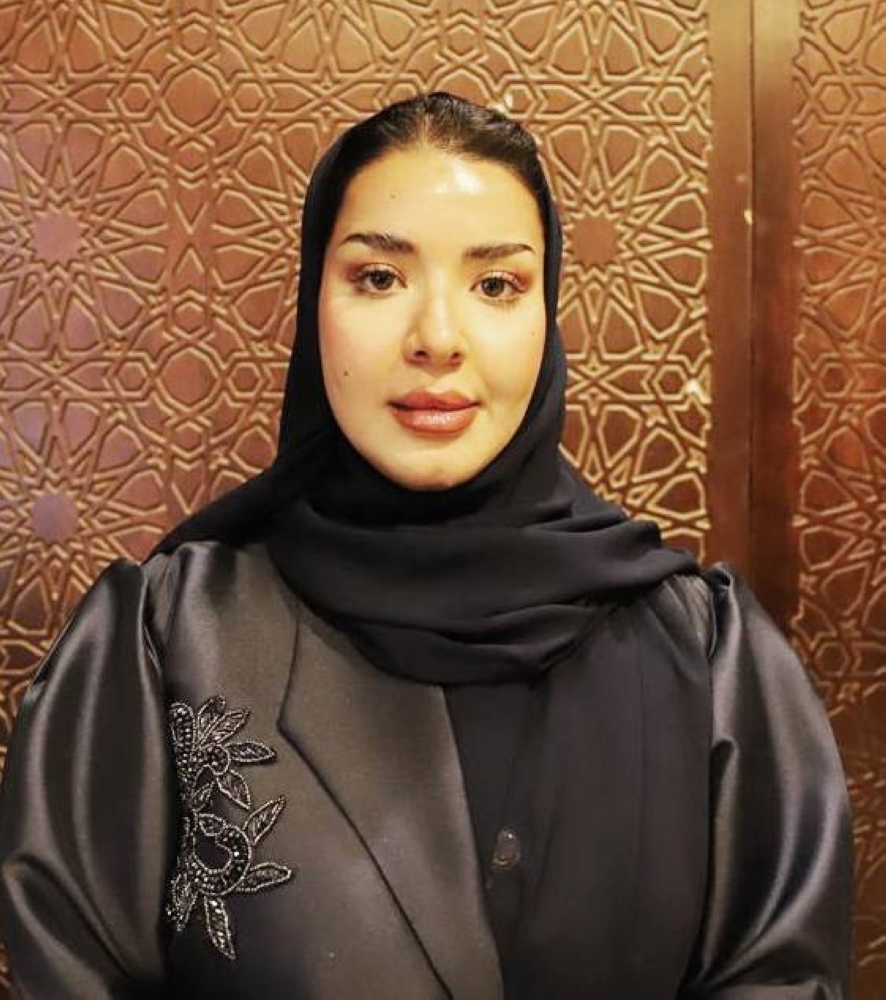
“Um Khalid” lived a life of luxury with a millionaire husband and was blessed with two daughters, but things did not go as she wished, and her life turned upside down into a tragedy after her marriage was dissolved. She began a journey of suffering to obtain her daughters' rights regarding housing, support, visitation, and more.
“Um Khalid” embodies a documented case of her struggle to secure her daughters' rights from their millionaire father, who left them in an uncertain fate, resulting in a court ruling for support of 500 riyals per month, according to the documents and evidence reviewed by “Okaz.”
She tells “Okaz” that as a mother, she is not a party concerned in the case; rather, her two daughters found themselves without a guardian, so she was compelled to represent them legally and safeguard their interests and rights in light of their father's and his family's abandonment of them.
She mentioned that she was keen to ensure her divorce from her daughters' father was amicable, aiming to consider their interests, which should be a common goal for any parents after separation. According to her statements to “Okaz,” she waived jewelry valued at three million riyals at the time of her divorce and did not demand it back. She also rejected her ex-husband's offer to register properties worth about 250 million riyals after the separation, stating: “I was not greedy for any money from my ex-husband, but at the same time, I do not allow the feeling of rejection to become a justification for using the two girls as a sole tool for revenge.”
Retaliatory Motives
“Um Khalid” added: The stereotype in child and support cases is to obtain a ruling for a support amount, but there are intricate details that society and some entities overlook. The mother should be viewed as a legal representative, nothing more, and she should not be the litigating party, especially if she was forced into custody and did not choose it. Additionally, the mother is not financially responsible for the children, and her legal responsibility towards the child ends when they reach two years of age, according to her. She cited the verse: “And his gestation and weaning [period] is thirty months.” The mother's responsibility towards her custodial children is 0% during marriage or after divorce, and this should be clear to fathers. In Islam, child support is the responsibility of the one to whom the child is attributed, which includes housing and education. It is not only required to obtain a ruling for support; what is needed are the child's moral rights before the material ones. She hinted that some fathers' motives after divorce are primarily retaliatory and that a mother's association with another man after divorce is not a justification for revenge against the children.
“Um Khalid” suggested that family courts should have aspects for psychological evaluation of the family and child, as these are issues with societal dimensions, and this is a crucial role in many global judicial systems. She questioned: Why shouldn’t family courts be present in some cases to allow for questioning the child and assessing their emotional and psychological state, knowing that 70% of communication is non-verbal? She added: It is important to formulate laws to prevent children's disobedience similar to laws against parental disobedience. We need laws to protect children's moral rights, such as their right to visitation and seeing their father, and there should be intervention if the father refuses to see his children, similar to intervention in cases of crimes or physical abuse against the child.
Exempting Child Support Rulings
“Um Khalid” added: Child support rulings should be exempted and considered debts that warrant imprisonment due to the manipulation and procrastination that occurs in some cases. They are not commercial transactions and not debts between adults. She posed a rhetorical question: Should a child's life and growth be halted until their father addresses his alleged “bankruptcy”? He is the one who brought them into this life and gave them his name and that of his father.
She also touched on the role of the committee of experts that estimates support in many cases, which only communicates with the central bank, calling for the use of artificial intelligence to produce a report on the situation of the father who refuses to pay support. Additionally, there is a real need for field visits to the supporting father—similar to social security programs—to actually assess the living standards and conduct serious investigations and follow the money, especially if there are documents and contracts proving that the father is hiding hundreds of millions in accounts belonging to family members, according to her.
“Okaz” observes... Disparities in Support
“Okaz” has recorded several rulings issued in previous years by personal status courts obligating fathers to support their children and wives; among them is a ruling for support for a mother and four children of 500 riyals for each child, another ruling for a doctor father of 1500 riyals, amounting to 750 riyals for each child, while another ruling obligated a father to pay 700 riyals monthly for a custodial child, and a ruling for a citizen for 800 riyals monthly, with the cancellation of a previous support from 16 years ago.
“Um Adel” obtained a court ruling to dissolve her marriage, then received a support amount of 600 riyals, which does not meet her needs, as she described, like many mothers who demand consideration of life circumstances when determining support for fathers, especially since some fathers try to evade by claiming unemployment or denying assets, which leads many divorced women to receive support that does not correspond to their and their children's situations.
In a similar case, the ruling text stated: “The court ruled obligating the defendant to pay the plaintiff the housing rent for the two daughters, estimated at 500 riyals for each daughter per month, starting from the date of filing this lawsuit, Ramadan 1446 AH, and thus the ruling was issued with immediate execution based on a paragraph from Article 169 of the Personal Status Law.” Another ruling stated: “Due to the necessity of the father's support for his son and the expert committee's decision regarding the son's support, I decided to obligate the defendant father to pay future support for his son amounting to 600 riyals monthly, starting from the date... and thus I ruled.”
“Justice” clarifies:
The fund disburses
A source in the Ministry of Justice clarified to “Okaz” the mechanism by which the support fund deals with cases that receive rulings while the father is refusing or procrastinating in execution. He stated that according to Article 4 of the Support Fund Regulation, the fund disburses the support ordered to the beneficiary if the obligated party refuses to execute or if it is impossible to collect the support from him, then it will demand from the person obligated to pay support the amount it has disbursed to the entitled person according to the legal procedures.
Regarding expanding the concept of support to include the child's welfare and non-living needs, the source stated that the fund is not legally authorized to determine what should be included in the support but is obligated to implement what is stated in the ruling issued by the competent court.
The support fund confirmed that one of its primary objectives is to ensure the timely disbursement of the ordered support in case of delay or inability to execute by the obligated party, contributing to family stability and preserving its dignity. The fund also strives to facilitate procedures for benefiting from its services through the electronic platform and works in a complementary manner with the Ministry of Justice and relevant entities to enhance family justice and social protection.
Absent Support... Destroying Security
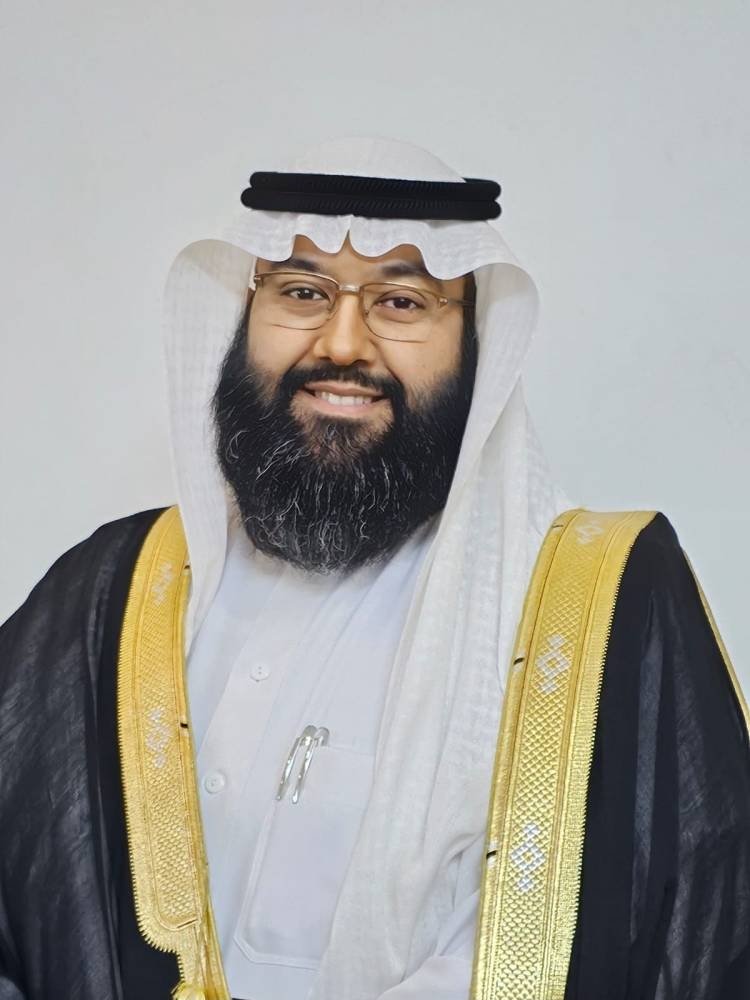
Lawyer Khalid Al-Surayhi told “Okaz”: Child support is one of the most prominent legal and regulatory obligations that fall on the father, and it is an obligation that is only lifted if it is proven that the child has independent wealth or has reached an age where they can earn. The Saudi Personal Status Law has established clear provisions in this regard, affirming the father's central responsibility to provide the essential living necessities for the children, in a manner that respects their human dignity and guarantees them a decent life.
Article 58 of the Personal Status Law states: “The father is solely obligated to support the child who has no wealth.” It specifies that support includes food, clothing, housing, education, medical care, and everything else the child needs according to prevailing customs. The obligation applies equally to both males and females, with support for daughters continuing until they marry, and for sons until they reach the age of earning capacity, unless they are incapacitated due to a disability or circumstance preventing them from working. Support is estimated according to the father's financial situation and the child's actual needs, taking into account economic and social conditions. The system recognizes the principle of flexibility in estimation, considering the circumstances of both the provider and the recipient, as well as the time and place, which grants the court broad discretionary authority to take into account price fluctuations, living costs, the number of children, their ages, and their special needs such as education and medical care.
A Tangible Gap in the Sufficiency of the Amount
Lawyer Al-Surayhi adds: Despite the clarity of the legal texts, practical reality shows a tangible gap in the sufficiency of the amounts of support ordered to cover children's needs. Many rulings are issued for limited amounts that may not accurately account for inflation in prices or rising costs of education, healthcare, and housing. This is due to several reasons, including: the court relying on the minimum level of need without a comprehensive examination of the child's daily life details, presenting inaccurate financial data by fathers that conceal their actual ability to spend, and some cases have shown that the support ordered for children is insufficient to cover basic needs, especially if the children are of school age, or suffer from chronic illnesses, or in cases of rising rents and living costs in major cities. This imbalance often undermines the level of care and imposes financial burdens on the custodial mother beyond her capacity, which disrupts the principle of justice and affects the interests of the custodial children.
Recommendations for Developing Requests
Lawyer Al-Surayhi added: To ensure achieving the goal of imposing support, which is to protect the child and guarantee their dignified living, several measures can be recommended; first: establishing binding or indicative estimated tables for support amounts based on geographical area, number of children, and living standards. Second: tightening penalties on those who provide misleading financial data about their actual income, whether in the public or private sector. Third: providing electronic means to link courts with financial entities (such as social insurance, zakat, and banks) to determine the actual financial capacity of the father. Fourth: enabling the custodial mother to submit a detailed report on monthly expenses, to be discussed in light of reality rather than abstract estimation.
He concluded by saying: Child support is one of the fundamental rights that should not be taken lightly or diminished, and fulfilling it is a religious and legal duty that reflects the father's commitment to his educational and financial responsibilities towards his children. However, the practical application reveals challenges in estimating this support in line with the requirements of contemporary life, necessitating the development of estimation, oversight, and enforcement mechanisms that serve the child's interest and preserve the family's dignity. As long as the law has mandated support from the father, the judiciary must ensure that this support is realistic and sufficient, and that verification tools for financial capacity are activated, viewing support not as a burden on the father, but as a tool to protect a child's life and ensure a human future.
Guardians of Childhood
Before resolving disputes, psychological and educational specialist Sarah Hassan Jabr Al-Hakami said to “Okaz”: Many may not realize that the delay or cessation of support for a child does not only mean “material deprivation,” but is, in fact, a long-term assault on the child's psychological and social structure. When a child is deprived of their natural right to support, care, and material dignity, the first seeds of hatred, defeat, doubt, and feelings of inferiority are sown within them. In many cases, it becomes clear that the absence of the father or his evasion of support is not merely an individual behavior but the beginning of a series of collapses within the child: a collapse in trust, love, security, and a sense of belonging.
When this child grows up, they will grow up distorted, fragile, and in pain, and society will then face—God forbid—a generation that is crumbling, decayed, mentally and socially ill, unqualified to carry the trust or face the challenges of the era. This is not a bleak prediction but an analysis based on real indicators, and conversely, how beautiful and complete life is when educational justice is considered. She added: We must be guardians of childhood before separating the disputes of adults; rights are not recreational demands but conditions for existence. Today, the child does not want toys; they want food, education, and a feeling that they are not forgotten or begging. Finally, support is not just money; it is a complete life for a child and a community.
Support and Entertainment Allowance
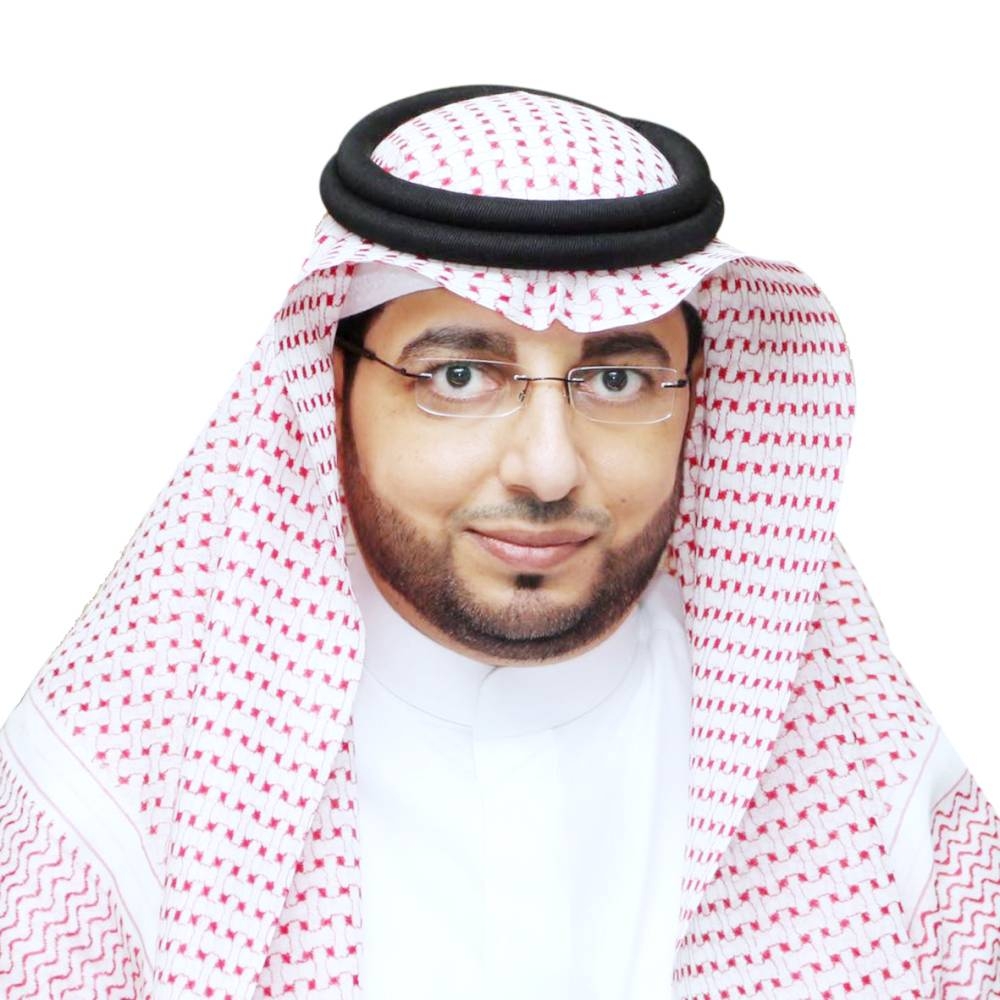
Legal advisor and associate professor of private law at King Abdulaziz University, Dr. Yusuf Gharam Allah Al-Ghamdi, clarified to “Okaz” that when discussing support, it is often thought to be limited to “food, drink, clothing, and housing,” which are undoubtedly essential components without dispute. However, the issue does not lie in defining support but in its failure to keep pace with rising costs and the inadequacy of what is included as necessities, which have been introduced due to national and societal development. It is unreasonable to discuss support while completely overlooking transportation costs, mobile phones, internet services, and entertainment allowances, which have become central to a child's needs and are even prerequisites for learning, communication, and psychological stability.
He added: Support needs to align with the enormous economic growth and the social, cultural, and digital transformations we are experiencing under Vision 2030. How can we expect a mother to support her children, transport them, educate them, provide them with communication means, and entertain them, while these costs are not guaranteed as part of the support? What is worse is that some still believe that a mobile phone is a “luxury,” forgetting that today’s child learns, participates, and completes their assignments through this means. Should we deprive them of it and claim we are providing them with “sufficient” support? I say clearly: The concept of support must be expanded to include newly introduced mandatory expenses in reality, such as communications, transportation, educational services, technology, psychological treatment, and others like entertainment and celebrations.
He concluded by stating: What is needed today is to redefine support in a modern way that obligates the father to spend what is actually needed for his children in their reality.
My message is that to keep pace with progress and the glorious national vision, we must reconsider the definition of “support,” as we are laying the foundation for a generation of vision, a generation that leads the world.
Support..
A Firm Protection for the Family
Lawyer Shurooq Al-Maliki emphasized in her conversation with “Okaz” that the Saudi Personal Status Law gives great importance to the issue of support, making it one of the first effects of the marriage contract and a fixed right for both the wife, children, and financially needy parents. Support includes everything necessary for living, such as food, drink, clothing, housing, in addition to basic needs according to what is established in societal customs. Some believe that support must be monetary, but in fact, it can also be in-kind, such as providing the necessities directly without handing over cash amounts, thus fulfilling the required support as needed.
As for the wife's support, it remains obligatory on her husband even if she is employed, as long as the marital relationship is valid under a proper contract, and it only ceases in limited cases, such as her refusal to move to the marital home without a legitimate excuse, or her refusal to stay overnight or travel with her husband. As for the children, the system differentiates between the support of males and females: it makes the daughter's support obligatory on her father until she marries, while the son's support continues until he reaches the age of earning capacity. The regulation sets this age at 18 years, provided that his work does not affect his academic achievement and the educational level he is accustomed to.
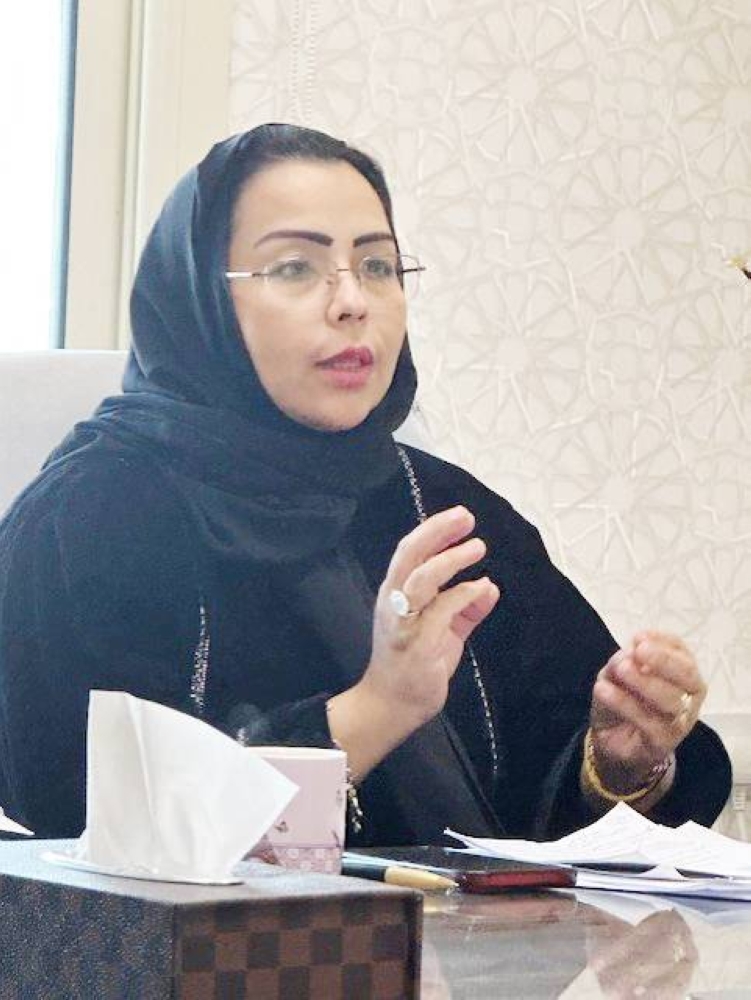
Shurooq Al-Maliki adds: If the husband or father refuses to fulfill the obligatory support, the legal means to claim it is by filing a lawsuit in the Personal Status Court through the “Najiz” portal. It is permissible to claim past support not exceeding two years for the wife and one year for the children, in addition to claiming ongoing support, as well as temporary support until the ongoing support is resolved. Many often ask about the criteria the court uses when estimating support, and the answer is that the court relies on the opinion of experts who consider the nature of living, the costs of life, and the social class level. All of this depends on the financial capacity of the provider, in accordance with the saying of Allah: “Let him who has abundance spend according to his abundance.” Therefore, support rulings vary from case to case; some courts have obligated fathers to monthly support amounts of 1500 riyals, others 2000 and 1000 riyals, while some rulings ranged between 300 and 800 riyals, all of which are estimates that primarily consider the provider's capacity and the recipient's situation.
The Burden of Proof on the Divorced Mother
Lawyer Manal Al-Harithi told “Okaz”: Personal status courts usually obligate fathers to monthly amounts estimated by the court's expert committee in accordance with their income, and the divorced wife must provide the court with any evidence she has regarding the husband's income if he is not a government employee. In all cases, the amount ruled by the court returns to its estimation, and each case has its specific circumstances and conditions, taking into account the children's needs for food, drink, rent, communication bills, schools, and medical care, in addition to shopping matters and others.
For her part, lawyer Nasreen Al-Ghamdi told “Okaz”: According to the Personal Status Law, support is a right of the recipient, including food, clothing, housing, and basic needs according to societal customs and what is determined by relevant legal rulings, and the situation of the recipient and the capacity of the provider are considered in estimating support.
Support may be increased or decreased according to changing circumstances, and a claim for increasing or decreasing support is not heard until a year has passed from the date of the support ruling, except in exceptional circumstances that the court deems appropriate.
“Um Khalid” lived a life of luxury with a millionaire husband and was blessed with two daughters, but things did not go as she wished, and her life turned upside down into a tragedy after her marriage was dissolved. She began a journey of suffering to obtain her daughters' rights regarding housing, support, visitation, and more.
“Um Khalid” embodies a documented case of her struggle to secure her daughters' rights from their millionaire father, who left them in an uncertain fate, resulting in a court ruling for support of 500 riyals per month, according to the documents and evidence reviewed by “Okaz.”
She tells “Okaz” that as a mother, she is not a party concerned in the case; rather, her two daughters found themselves without a guardian, so she was compelled to represent them legally and safeguard their interests and rights in light of their father's and his family's abandonment of them.
She mentioned that she was keen to ensure her divorce from her daughters' father was amicable, aiming to consider their interests, which should be a common goal for any parents after separation. According to her statements to “Okaz,” she waived jewelry valued at three million riyals at the time of her divorce and did not demand it back. She also rejected her ex-husband's offer to register properties worth about 250 million riyals after the separation, stating: “I was not greedy for any money from my ex-husband, but at the same time, I do not allow the feeling of rejection to become a justification for using the two girls as a sole tool for revenge.”
Retaliatory Motives
“Um Khalid” added: The stereotype in child and support cases is to obtain a ruling for a support amount, but there are intricate details that society and some entities overlook. The mother should be viewed as a legal representative, nothing more, and she should not be the litigating party, especially if she was forced into custody and did not choose it. Additionally, the mother is not financially responsible for the children, and her legal responsibility towards the child ends when they reach two years of age, according to her. She cited the verse: “And his gestation and weaning [period] is thirty months.” The mother's responsibility towards her custodial children is 0% during marriage or after divorce, and this should be clear to fathers. In Islam, child support is the responsibility of the one to whom the child is attributed, which includes housing and education. It is not only required to obtain a ruling for support; what is needed are the child's moral rights before the material ones. She hinted that some fathers' motives after divorce are primarily retaliatory and that a mother's association with another man after divorce is not a justification for revenge against the children.
“Um Khalid” suggested that family courts should have aspects for psychological evaluation of the family and child, as these are issues with societal dimensions, and this is a crucial role in many global judicial systems. She questioned: Why shouldn’t family courts be present in some cases to allow for questioning the child and assessing their emotional and psychological state, knowing that 70% of communication is non-verbal? She added: It is important to formulate laws to prevent children's disobedience similar to laws against parental disobedience. We need laws to protect children's moral rights, such as their right to visitation and seeing their father, and there should be intervention if the father refuses to see his children, similar to intervention in cases of crimes or physical abuse against the child.
Exempting Child Support Rulings
“Um Khalid” added: Child support rulings should be exempted and considered debts that warrant imprisonment due to the manipulation and procrastination that occurs in some cases. They are not commercial transactions and not debts between adults. She posed a rhetorical question: Should a child's life and growth be halted until their father addresses his alleged “bankruptcy”? He is the one who brought them into this life and gave them his name and that of his father.
She also touched on the role of the committee of experts that estimates support in many cases, which only communicates with the central bank, calling for the use of artificial intelligence to produce a report on the situation of the father who refuses to pay support. Additionally, there is a real need for field visits to the supporting father—similar to social security programs—to actually assess the living standards and conduct serious investigations and follow the money, especially if there are documents and contracts proving that the father is hiding hundreds of millions in accounts belonging to family members, according to her.
“Okaz” observes... Disparities in Support
“Okaz” has recorded several rulings issued in previous years by personal status courts obligating fathers to support their children and wives; among them is a ruling for support for a mother and four children of 500 riyals for each child, another ruling for a doctor father of 1500 riyals, amounting to 750 riyals for each child, while another ruling obligated a father to pay 700 riyals monthly for a custodial child, and a ruling for a citizen for 800 riyals monthly, with the cancellation of a previous support from 16 years ago.
“Um Adel” obtained a court ruling to dissolve her marriage, then received a support amount of 600 riyals, which does not meet her needs, as she described, like many mothers who demand consideration of life circumstances when determining support for fathers, especially since some fathers try to evade by claiming unemployment or denying assets, which leads many divorced women to receive support that does not correspond to their and their children's situations.
In a similar case, the ruling text stated: “The court ruled obligating the defendant to pay the plaintiff the housing rent for the two daughters, estimated at 500 riyals for each daughter per month, starting from the date of filing this lawsuit, Ramadan 1446 AH, and thus the ruling was issued with immediate execution based on a paragraph from Article 169 of the Personal Status Law.” Another ruling stated: “Due to the necessity of the father's support for his son and the expert committee's decision regarding the son's support, I decided to obligate the defendant father to pay future support for his son amounting to 600 riyals monthly, starting from the date... and thus I ruled.”
“Justice” clarifies:
The fund disburses
A source in the Ministry of Justice clarified to “Okaz” the mechanism by which the support fund deals with cases that receive rulings while the father is refusing or procrastinating in execution. He stated that according to Article 4 of the Support Fund Regulation, the fund disburses the support ordered to the beneficiary if the obligated party refuses to execute or if it is impossible to collect the support from him, then it will demand from the person obligated to pay support the amount it has disbursed to the entitled person according to the legal procedures.
Regarding expanding the concept of support to include the child's welfare and non-living needs, the source stated that the fund is not legally authorized to determine what should be included in the support but is obligated to implement what is stated in the ruling issued by the competent court.
The support fund confirmed that one of its primary objectives is to ensure the timely disbursement of the ordered support in case of delay or inability to execute by the obligated party, contributing to family stability and preserving its dignity. The fund also strives to facilitate procedures for benefiting from its services through the electronic platform and works in a complementary manner with the Ministry of Justice and relevant entities to enhance family justice and social protection.
Absent Support... Destroying Security
Lawyer Khalid Al-Surayhi told “Okaz”: Child support is one of the most prominent legal and regulatory obligations that fall on the father, and it is an obligation that is only lifted if it is proven that the child has independent wealth or has reached an age where they can earn. The Saudi Personal Status Law has established clear provisions in this regard, affirming the father's central responsibility to provide the essential living necessities for the children, in a manner that respects their human dignity and guarantees them a decent life.
Article 58 of the Personal Status Law states: “The father is solely obligated to support the child who has no wealth.” It specifies that support includes food, clothing, housing, education, medical care, and everything else the child needs according to prevailing customs. The obligation applies equally to both males and females, with support for daughters continuing until they marry, and for sons until they reach the age of earning capacity, unless they are incapacitated due to a disability or circumstance preventing them from working. Support is estimated according to the father's financial situation and the child's actual needs, taking into account economic and social conditions. The system recognizes the principle of flexibility in estimation, considering the circumstances of both the provider and the recipient, as well as the time and place, which grants the court broad discretionary authority to take into account price fluctuations, living costs, the number of children, their ages, and their special needs such as education and medical care.
A Tangible Gap in the Sufficiency of the Amount
Lawyer Al-Surayhi adds: Despite the clarity of the legal texts, practical reality shows a tangible gap in the sufficiency of the amounts of support ordered to cover children's needs. Many rulings are issued for limited amounts that may not accurately account for inflation in prices or rising costs of education, healthcare, and housing. This is due to several reasons, including: the court relying on the minimum level of need without a comprehensive examination of the child's daily life details, presenting inaccurate financial data by fathers that conceal their actual ability to spend, and some cases have shown that the support ordered for children is insufficient to cover basic needs, especially if the children are of school age, or suffer from chronic illnesses, or in cases of rising rents and living costs in major cities. This imbalance often undermines the level of care and imposes financial burdens on the custodial mother beyond her capacity, which disrupts the principle of justice and affects the interests of the custodial children.
Recommendations for Developing Requests
Lawyer Al-Surayhi added: To ensure achieving the goal of imposing support, which is to protect the child and guarantee their dignified living, several measures can be recommended; first: establishing binding or indicative estimated tables for support amounts based on geographical area, number of children, and living standards. Second: tightening penalties on those who provide misleading financial data about their actual income, whether in the public or private sector. Third: providing electronic means to link courts with financial entities (such as social insurance, zakat, and banks) to determine the actual financial capacity of the father. Fourth: enabling the custodial mother to submit a detailed report on monthly expenses, to be discussed in light of reality rather than abstract estimation.
He concluded by saying: Child support is one of the fundamental rights that should not be taken lightly or diminished, and fulfilling it is a religious and legal duty that reflects the father's commitment to his educational and financial responsibilities towards his children. However, the practical application reveals challenges in estimating this support in line with the requirements of contemporary life, necessitating the development of estimation, oversight, and enforcement mechanisms that serve the child's interest and preserve the family's dignity. As long as the law has mandated support from the father, the judiciary must ensure that this support is realistic and sufficient, and that verification tools for financial capacity are activated, viewing support not as a burden on the father, but as a tool to protect a child's life and ensure a human future.
Guardians of Childhood
Before resolving disputes, psychological and educational specialist Sarah Hassan Jabr Al-Hakami said to “Okaz”: Many may not realize that the delay or cessation of support for a child does not only mean “material deprivation,” but is, in fact, a long-term assault on the child's psychological and social structure. When a child is deprived of their natural right to support, care, and material dignity, the first seeds of hatred, defeat, doubt, and feelings of inferiority are sown within them. In many cases, it becomes clear that the absence of the father or his evasion of support is not merely an individual behavior but the beginning of a series of collapses within the child: a collapse in trust, love, security, and a sense of belonging.
When this child grows up, they will grow up distorted, fragile, and in pain, and society will then face—God forbid—a generation that is crumbling, decayed, mentally and socially ill, unqualified to carry the trust or face the challenges of the era. This is not a bleak prediction but an analysis based on real indicators, and conversely, how beautiful and complete life is when educational justice is considered. She added: We must be guardians of childhood before separating the disputes of adults; rights are not recreational demands but conditions for existence. Today, the child does not want toys; they want food, education, and a feeling that they are not forgotten or begging. Finally, support is not just money; it is a complete life for a child and a community.
Support and Entertainment Allowance
Legal advisor and associate professor of private law at King Abdulaziz University, Dr. Yusuf Gharam Allah Al-Ghamdi, clarified to “Okaz” that when discussing support, it is often thought to be limited to “food, drink, clothing, and housing,” which are undoubtedly essential components without dispute. However, the issue does not lie in defining support but in its failure to keep pace with rising costs and the inadequacy of what is included as necessities, which have been introduced due to national and societal development. It is unreasonable to discuss support while completely overlooking transportation costs, mobile phones, internet services, and entertainment allowances, which have become central to a child's needs and are even prerequisites for learning, communication, and psychological stability.
He added: Support needs to align with the enormous economic growth and the social, cultural, and digital transformations we are experiencing under Vision 2030. How can we expect a mother to support her children, transport them, educate them, provide them with communication means, and entertain them, while these costs are not guaranteed as part of the support? What is worse is that some still believe that a mobile phone is a “luxury,” forgetting that today’s child learns, participates, and completes their assignments through this means. Should we deprive them of it and claim we are providing them with “sufficient” support? I say clearly: The concept of support must be expanded to include newly introduced mandatory expenses in reality, such as communications, transportation, educational services, technology, psychological treatment, and others like entertainment and celebrations.
He concluded by stating: What is needed today is to redefine support in a modern way that obligates the father to spend what is actually needed for his children in their reality.
My message is that to keep pace with progress and the glorious national vision, we must reconsider the definition of “support,” as we are laying the foundation for a generation of vision, a generation that leads the world.
Support..
A Firm Protection for the Family
Lawyer Shurooq Al-Maliki emphasized in her conversation with “Okaz” that the Saudi Personal Status Law gives great importance to the issue of support, making it one of the first effects of the marriage contract and a fixed right for both the wife, children, and financially needy parents. Support includes everything necessary for living, such as food, drink, clothing, housing, in addition to basic needs according to what is established in societal customs. Some believe that support must be monetary, but in fact, it can also be in-kind, such as providing the necessities directly without handing over cash amounts, thus fulfilling the required support as needed.
As for the wife's support, it remains obligatory on her husband even if she is employed, as long as the marital relationship is valid under a proper contract, and it only ceases in limited cases, such as her refusal to move to the marital home without a legitimate excuse, or her refusal to stay overnight or travel with her husband. As for the children, the system differentiates between the support of males and females: it makes the daughter's support obligatory on her father until she marries, while the son's support continues until he reaches the age of earning capacity. The regulation sets this age at 18 years, provided that his work does not affect his academic achievement and the educational level he is accustomed to.
Shurooq Al-Maliki adds: If the husband or father refuses to fulfill the obligatory support, the legal means to claim it is by filing a lawsuit in the Personal Status Court through the “Najiz” portal. It is permissible to claim past support not exceeding two years for the wife and one year for the children, in addition to claiming ongoing support, as well as temporary support until the ongoing support is resolved. Many often ask about the criteria the court uses when estimating support, and the answer is that the court relies on the opinion of experts who consider the nature of living, the costs of life, and the social class level. All of this depends on the financial capacity of the provider, in accordance with the saying of Allah: “Let him who has abundance spend according to his abundance.” Therefore, support rulings vary from case to case; some courts have obligated fathers to monthly support amounts of 1500 riyals, others 2000 and 1000 riyals, while some rulings ranged between 300 and 800 riyals, all of which are estimates that primarily consider the provider's capacity and the recipient's situation.
The Burden of Proof on the Divorced Mother
Lawyer Manal Al-Harithi told “Okaz”: Personal status courts usually obligate fathers to monthly amounts estimated by the court's expert committee in accordance with their income, and the divorced wife must provide the court with any evidence she has regarding the husband's income if he is not a government employee. In all cases, the amount ruled by the court returns to its estimation, and each case has its specific circumstances and conditions, taking into account the children's needs for food, drink, rent, communication bills, schools, and medical care, in addition to shopping matters and others.
For her part, lawyer Nasreen Al-Ghamdi told “Okaz”: According to the Personal Status Law, support is a right of the recipient, including food, clothing, housing, and basic needs according to societal customs and what is determined by relevant legal rulings, and the situation of the recipient and the capacity of the provider are considered in estimating support.
Support may be increased or decreased according to changing circumstances, and a claim for increasing or decreasing support is not heard until a year has passed from the date of the support ruling, except in exceptional circumstances that the court deems appropriate.


