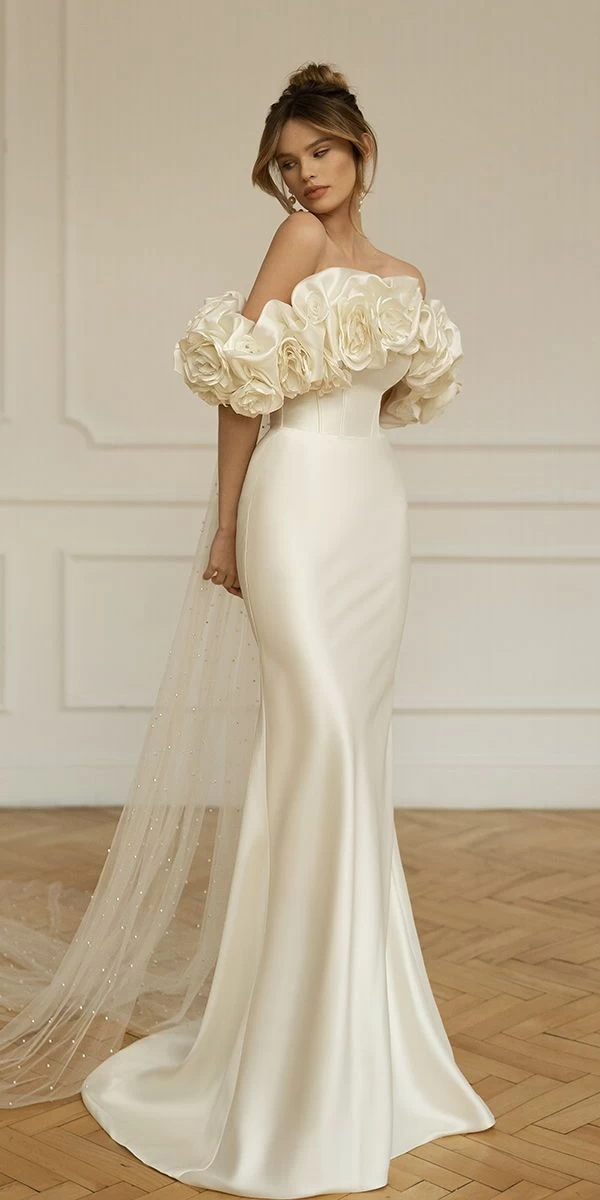
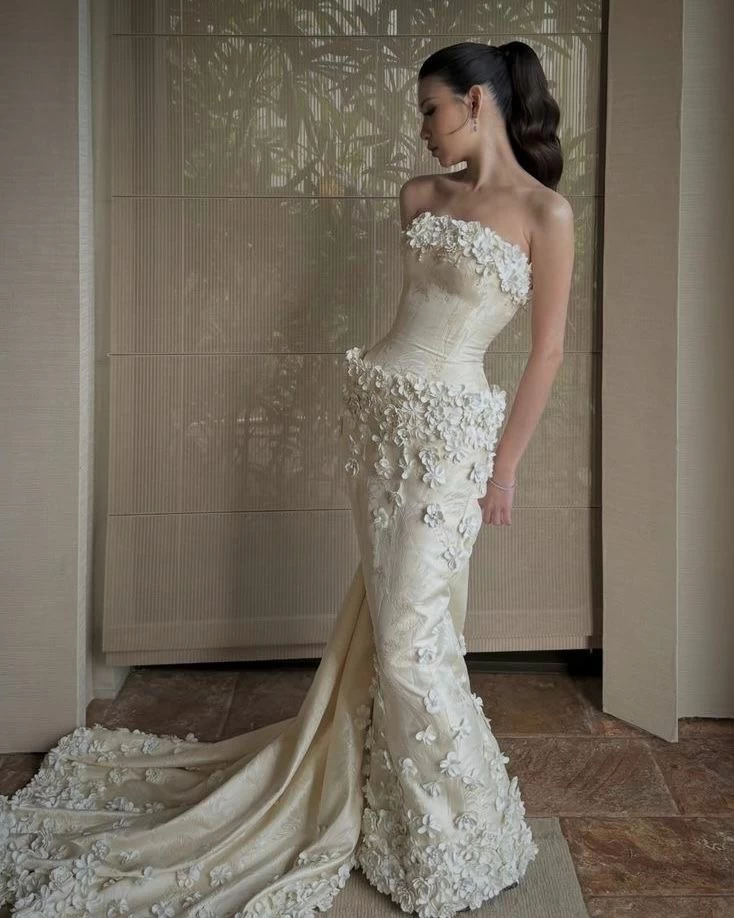
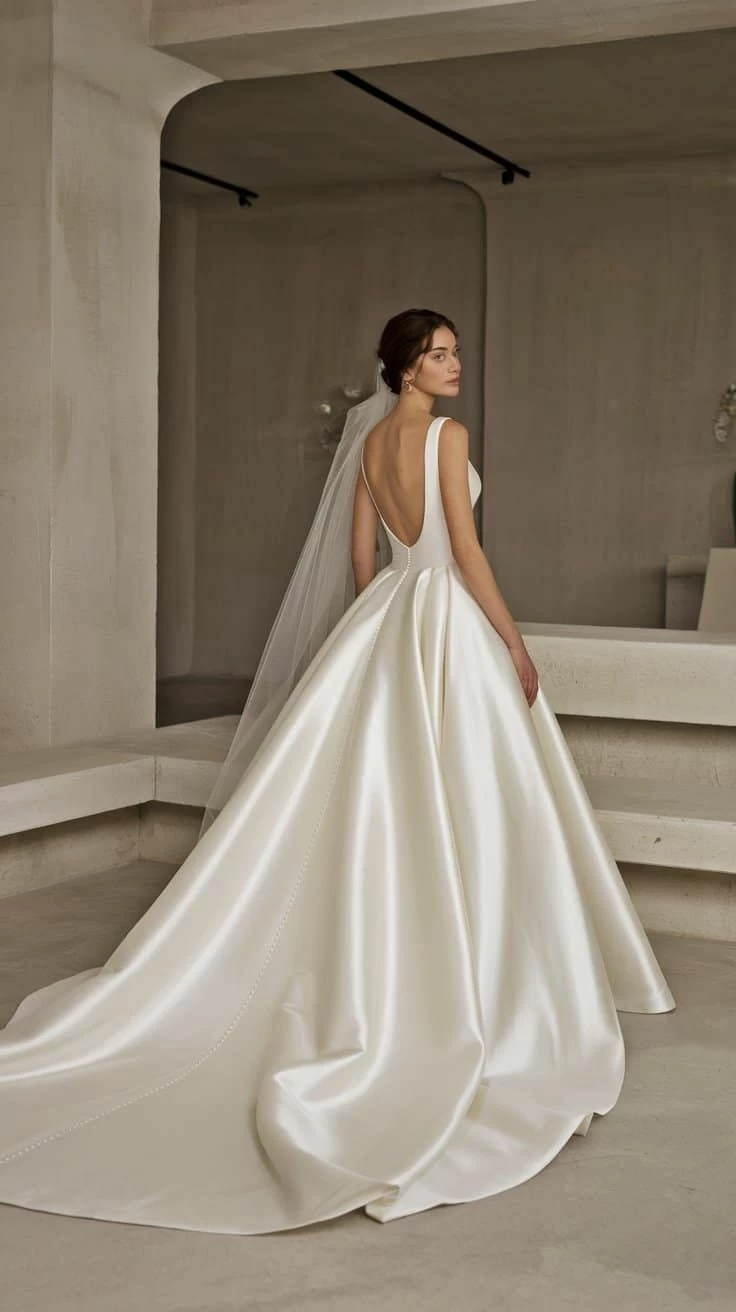
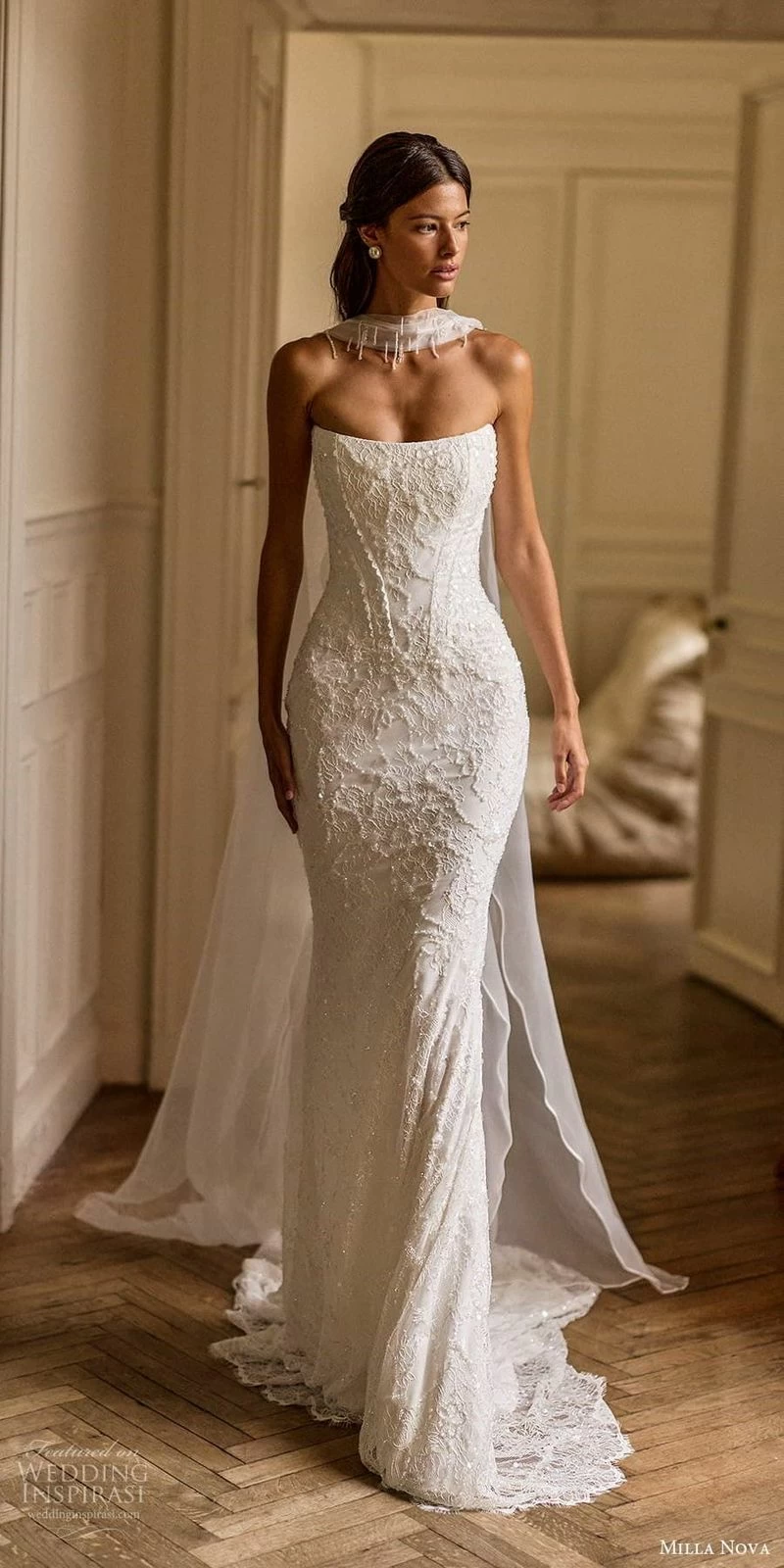
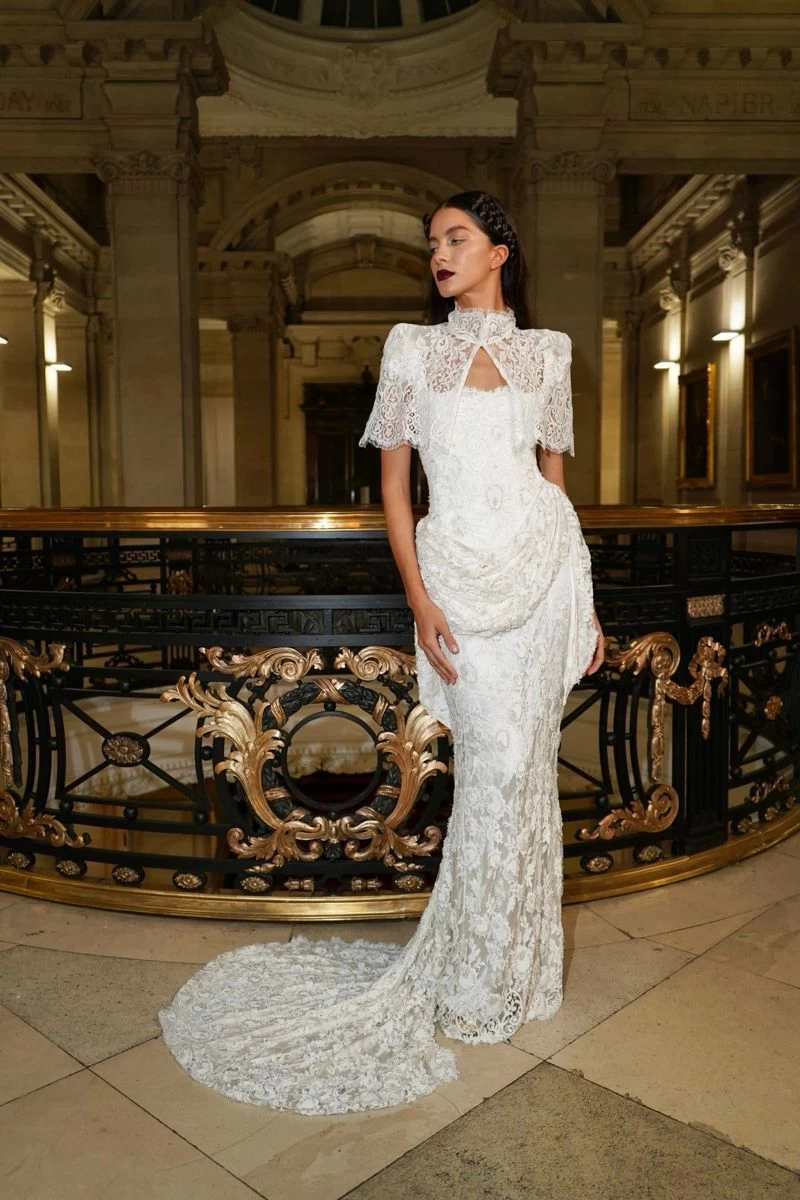
يشهد قطاع الأزياء bridal في السنوات الأخيرة تحوّلاً لافتاً في نظرة العرائس إلى فستان الزفاف، إذ لم يعد يُنظر إليه قطعةً تُرتدى لمرة واحدة فقط، بل كاستثمار يمكن إعادة توظيفه في مناسبات لاحقة. ويأتي هذا التوجه ضمن سياق أوسع يعكس تغيّر أولويات المستهلكات نحو الاستدامة والعملية، إلى جانب الرغبة في كسر القوالب التقليدية.
من جهة القبول، يرى مؤيدو هذا الاتجاه أن اختيار فستان قابل لإعادة اللبس يعكس وعياً متزايداً بقضايا الاستدامة وتقليل الهدر في صناعة الأزياء، خصوصاً مع الارتفاع الكبير في تكلفة فساتين الزفاف. كما يمنح هذا التوجه قيمة إضافية للفستان، إذ يمكن تعديله أو صبغه أو إعادة تنسيقه ليُرتدى في مناسبات مختلفة، ما يطيل عمره ويحوّله من ذكرى محفوظة إلى قطعة حية ضمن خزانة المرأة.
إلى جانب ذلك، يدعم هذا الاتجاه مفهوم "الموضة الشخصية"، إذ تميل العرائس إلى اختيار تصاميم أقرب لأسلوبهن اليومي، مثل الفساتين البسيطة أو الملوّنة أو متعددة القطع، بما يسمح باستخدامها لاحقاً دون ارتباطها الحصري بيوم الزفاف.
في المقابل، يواجه هذا التوجه قدراً من الرفض، خصوصاً من قبل المدافعين عن الطابع الرمزي والتقليدي لفستان الزفاف. فبالنسبة لهم، تكمُن قيمة الفستان في كونه قطعة استثنائية مرتبطة بيوم فريد، وهو ما يمنحه بعداً عاطفياً لا يمكن تكراره. كما يرى البعض أن التركيز على قابلية إعادة الاستخدام قد يقلل من فخامة التصميم أو يفرض قيوداً على الإبداع، إذ تميل التصاميم القابلة لإعادة اللبس إلى البساطة مقارنة بالفساتين الكلاسيكية الضخمة والمطرّزة.
كما تُطرح تساؤلات حول مدى واقعية هذا التوجه، إذ قد لا تجد بعض العرائس مناسبات فعلية لإعادة ارتداء الفستان، ما يجعله في النهاية يعود إلى دوره التقليدي قطعةً تُحفظ للذكرى، رغم النية المسبقة لاستخدامه مجدداً.
The bridal fashion sector has witnessed a remarkable transformation in recent years regarding brides' perceptions of wedding dresses. They are no longer seen as a piece worn only once but as an investment that can be repurposed for future occasions. This trend comes within a broader context that reflects changing consumer priorities towards sustainability and practicality, alongside a desire to break traditional molds.
On the acceptance side, supporters of this trend argue that choosing a reusable dress reflects an increasing awareness of sustainability issues and waste reduction in the fashion industry, especially with the significant rise in the cost of wedding dresses. This approach also adds value to the dress, as it can be altered, dyed, or re-styled to be worn on different occasions, extending its lifespan and transforming it from a preserved memory into a living piece within a woman's wardrobe.
Additionally, this trend supports the concept of "personal fashion," as brides tend to choose designs closer to their daily style, such as simple, colorful, or multi-piece dresses, allowing for their use later without being exclusively tied to the wedding day.
Conversely, this trend faces some rejection, particularly from advocates of the symbolic and traditional nature of the wedding dress. For them, the value of the dress lies in its being an exceptional piece associated with a unique day, which gives it an emotional dimension that cannot be replicated. Some also believe that focusing on reusability may diminish the luxury of the design or impose restrictions on creativity, as reusable designs tend to be simpler compared to classic, elaborate, and embroidered dresses.
Questions are also raised about the practicality of this trend, as some brides may not find actual occasions to re-wear the dress, ultimately leading it to return to its traditional role as a piece kept for memories, despite the initial intention to use it again.