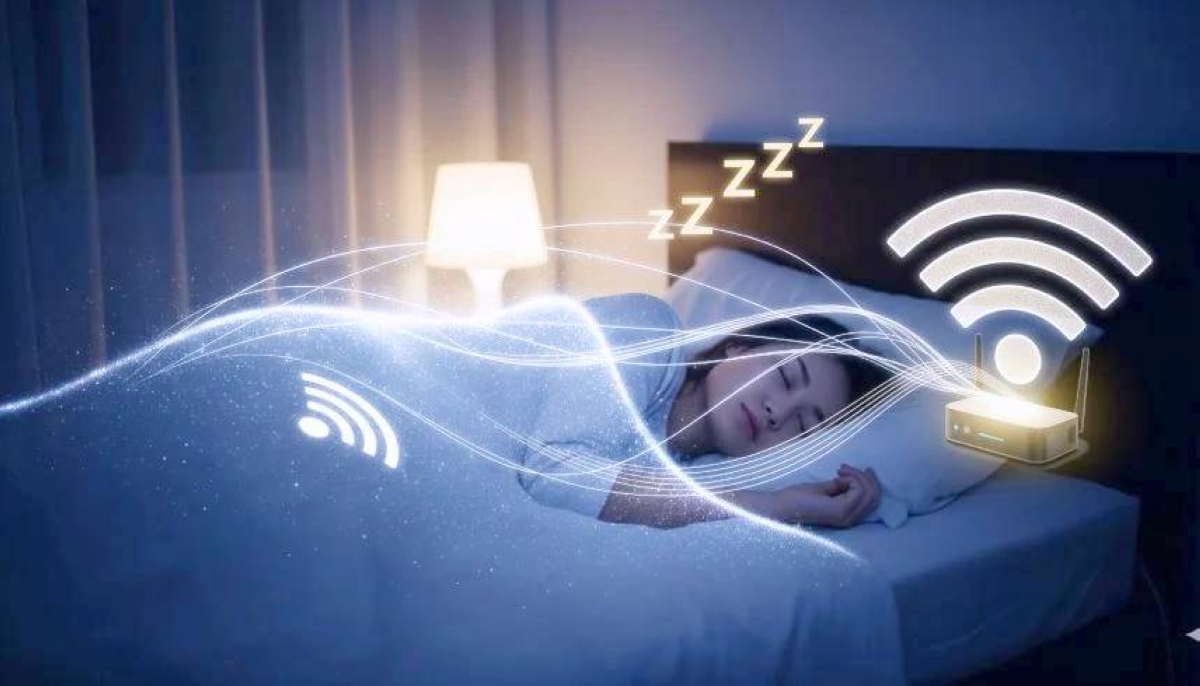
كشف رئيس معهد مارينغو آسيا الدولي للأعصاب والعمود الفقري في الهند الدكتور برافين غوبتا، أن معظم الدراسات التي حذرت من تأثيرات الواي فاي السلبية أُجريت على الحيوانات، وليست على البشر، مما يجعل نتائجها غير قابلة للتعميم.
إشارات إلى تأثير محتمل على الخصوبة
وأوضح أن بعض التجارب على الفئران أشارت إلى تأثير محتمل على الخصوبة، لكن الدراسات البشرية لم تؤكد ذلك.
وأشار الخبراء إلى أن إشارات الواي فاي تعتمد على موجات غير مؤينة، وهي أضعف بكثير من الأشعة السينية أو المقطعية، ولا تمتلك القدرة على إتلاف خلايا الدماغ أو تغيير الحمض النووي. وبحسب الدراسات العلمية، لم تُثبت أي علاقة مباشرة بين التعرض للواي فاي وحدوث أورام دماغية أو فقدان الذاكرة أو الأمراض التنكسية العصبية.
تأثيرات طفيفة على موجات الدماغ
ورغم أن بعض الأبحاث سجلت تأثيرات طفيفة على موجات الدماغ أثناء النوم العميق، إلا أن هذه التغيرات تُعتبر محدودة وغير ذات معنى سريري.
ويرى الباحثون أن التدهور في جودة النوم يرتبط غالبًا بعوامل مثل التوتر واستخدام الأجهزة قبل النوم، لا بالإشارات اللاسلكية نفسها. وأكد الخبراء أن الأجهزة الطبية الحديثة مثل منظمات ضربات القلب ومعينات السمع مصممة للعمل بأمان في بيئة مليئة بالإشارات اللاسلكية، وأن ترك الواي فاي متصلًا ليلاً لا يضر الدماغ علميًا، لكنه قد يساعد بشكل غير مباشر على تحسين النوم من خلال تقليل التصفح المتأخر.
• الواي فاي إشعاع غير مؤين
• لا علاقة مثبتة بالأورام
• جودة النوم مرتبطة بالتوتر
Dr. Praveen Gupta, the head of the Marengo Asia Institute of Neurology and Spine in India, revealed that most studies warning of the negative effects of Wi-Fi were conducted on animals, not humans, making their results non-generalizable.
Indications of a Potential Impact on Fertility
He explained that some experiments on mice indicated a potential impact on fertility, but human studies have not confirmed this.
Experts pointed out that Wi-Fi signals rely on non-ionizing waves, which are much weaker than X-rays or CT scans, and do not have the ability to damage brain cells or alter DNA. According to scientific studies, no direct relationship has been proven between Wi-Fi exposure and the occurrence of brain tumors, memory loss, or neurodegenerative diseases.
Minor Effects on Brain Waves
Although some research has recorded minor effects on brain waves during deep sleep, these changes are considered limited and clinically insignificant.
Researchers believe that the deterioration in sleep quality is often linked to factors such as stress and device usage before sleep, rather than the wireless signals themselves. Experts confirmed that modern medical devices such as pacemakers and hearing aids are designed to operate safely in an environment filled with wireless signals, and leaving Wi-Fi connected at night does not scientifically harm the brain, but may indirectly help improve sleep by reducing late-night browsing.
• Wi-Fi is non-ionizing radiation
• No proven link to tumors
• Sleep quality is related to stress