


يشهد سوق الألبان في المملكة نموا متسارعا مع توقعات بوصول حجمه إلى نحو 22.65 مليار ريال بحلول 2030، مدفوعا بارتفاع الطلب على المنتجات عالية الجودة وتزايد الحاجة إلى نماذج إنتاج أكثر كفاءة واستدامة، وفق ما أورده تقرير الاستدامة في قطاع الاتصالات والفضاء والتقنية 2025.
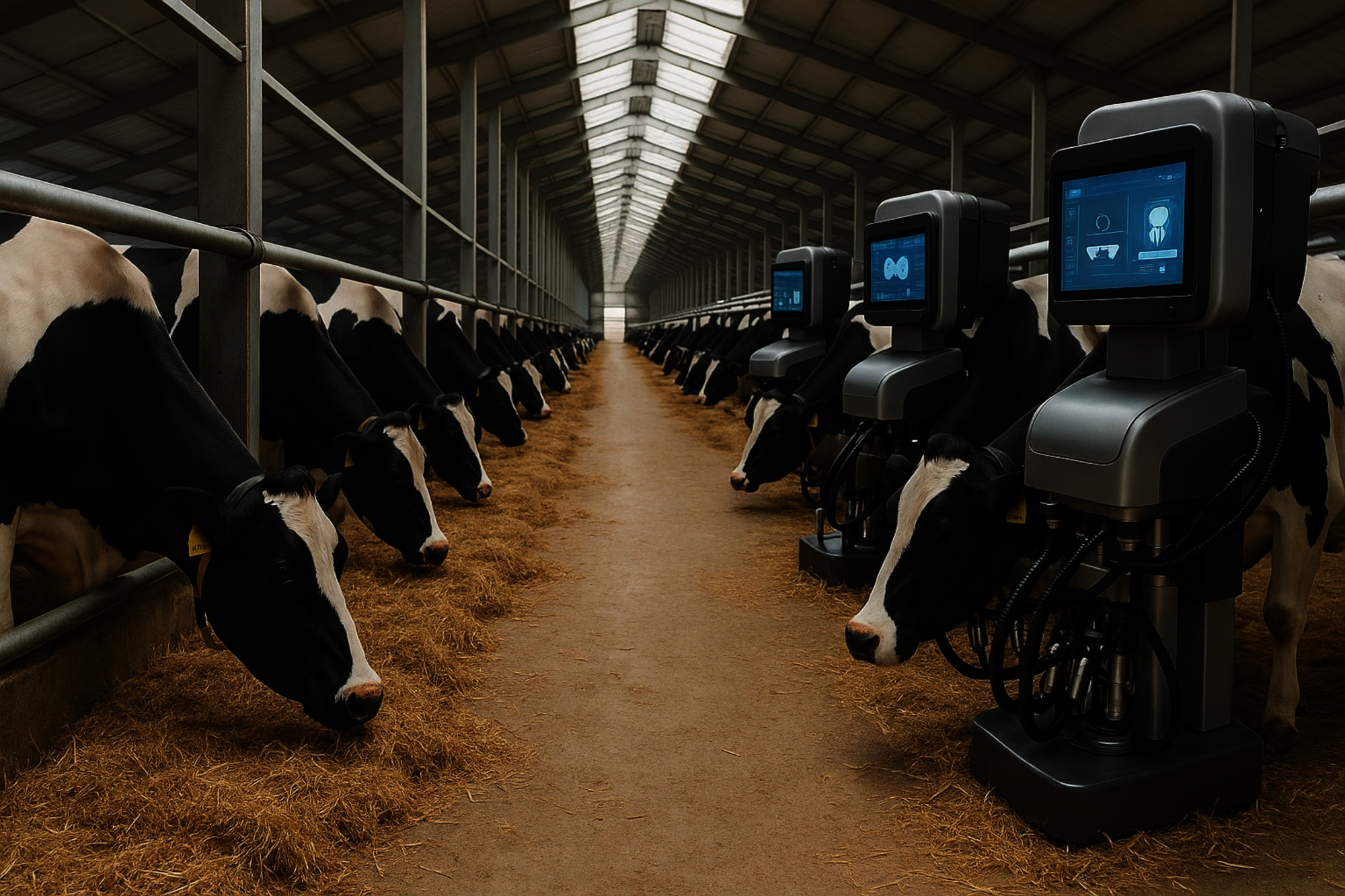
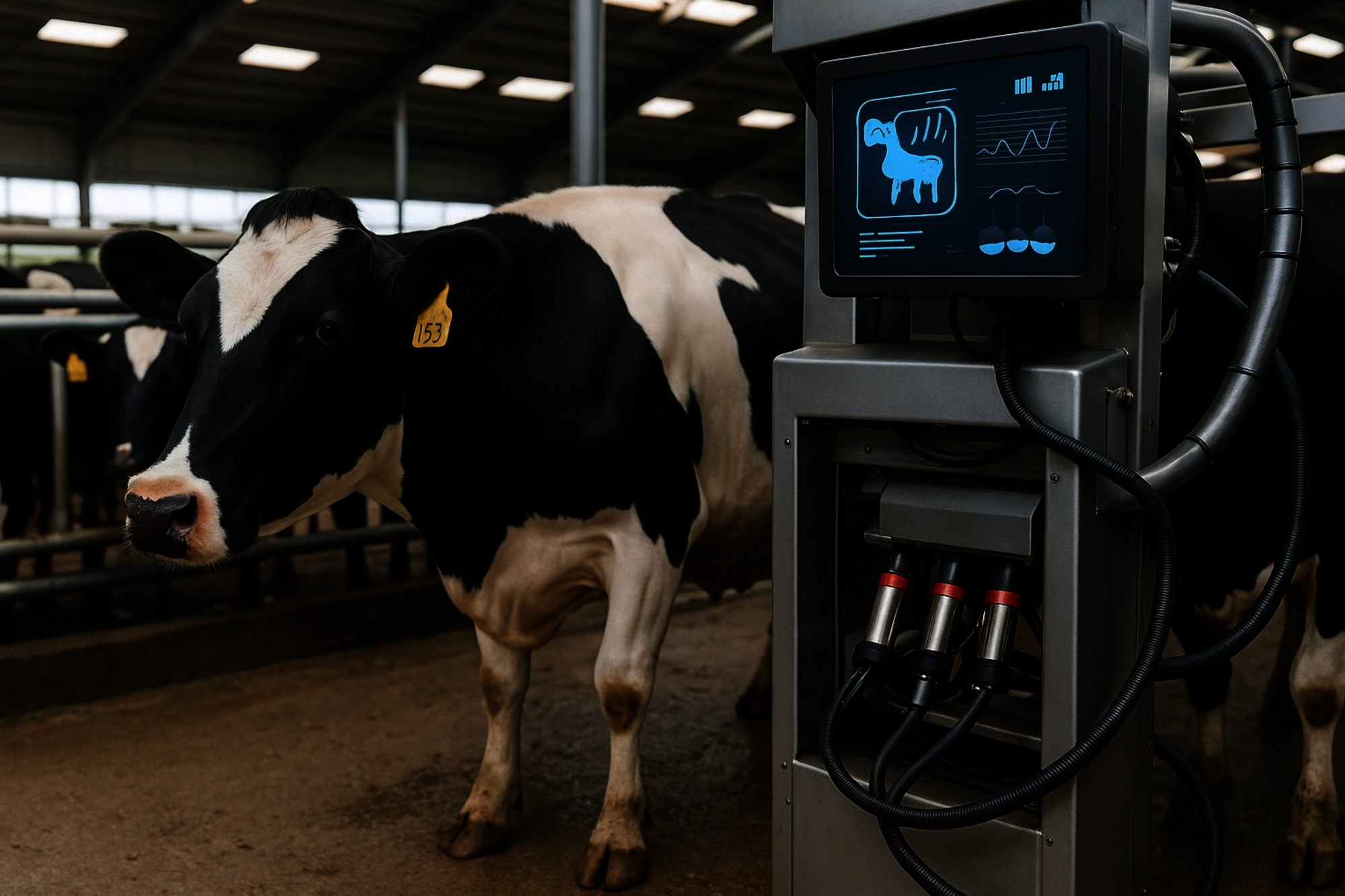
ويركز التقريرعلى أن الحلول التقنية تمثل المدخل الرئيسي التحديات التي يواجهها القطاع، إذ تم توظيف الذكاء الاصطناعي لمراقبة صحة الأبقار وإنتاج الحليب، إلى جانب أنظمة رقمية للرقابة اللحظية، وأنظمة تغذية آلية تحقق كفاءة عالية في استهلاك الموارد، كما أبرز التقرير دور إعادة تدوير المياه في تقليل الهدر وتوظيفها في عمليات الري الزراعي.
وبين التقرير أن اعتماد هذه التقنيات المتقدمة يعزز من كفاءة التشغيل ويرفع معدلات الإنتاجية؛ الأمر الذي ينعكس اقتصاديا على زيادة المعروض المحلي وخفض حجم الاستيراد، كما يفتح هذا التحول المجال أمام فرص استثمارية تدعم الاقتصاد الوطني، وتتماشى مع مستهدفات رؤية المملكة 2030 في تحقيق الأمن الغذائي وتعزيز سلاسل الإمداد المحلية، بحسب ما أكده التقرير.
22.6 مليار ريال حجم سوق الألبان السعودي بحلول 2030
17 أغسطس 2025 - 22:19
|
آخر تحديث 17 أغسطس 2025 - 22:19


تابع قناة عكاظ على الواتساب
متعب العواد (حائل) Motabalawwd@
The dairy market in the Kingdom is witnessing rapid growth, with expectations that its size will reach approximately 22.65 billion riyals by 2030, driven by an increase in demand for high-quality products and a growing need for more efficient and sustainable production models, according to the Sustainability Report in the Communications, Space, and Technology Sector 2025.
The report emphasizes that technological solutions represent the main entry point to the challenges faced by the sector, as artificial intelligence has been employed to monitor the health of cows and milk production, alongside real-time monitoring digital systems and automated feeding systems that achieve high resource efficiency. The report also highlighted the role of water recycling in reducing waste and utilizing it in agricultural irrigation processes.
The report indicated that the adoption of these advanced technologies enhances operational efficiency and increases productivity rates; this has economic implications by increasing local supply and reducing the volume of imports. Additionally, this transformation opens up investment opportunities that support the national economy and align with the goals of the Kingdom's Vision 2030 in achieving food security and enhancing local supply chains, as confirmed by the report.
The report emphasizes that technological solutions represent the main entry point to the challenges faced by the sector, as artificial intelligence has been employed to monitor the health of cows and milk production, alongside real-time monitoring digital systems and automated feeding systems that achieve high resource efficiency. The report also highlighted the role of water recycling in reducing waste and utilizing it in agricultural irrigation processes.
The report indicated that the adoption of these advanced technologies enhances operational efficiency and increases productivity rates; this has economic implications by increasing local supply and reducing the volume of imports. Additionally, this transformation opens up investment opportunities that support the national economy and align with the goals of the Kingdom's Vision 2030 in achieving food security and enhancing local supply chains, as confirmed by the report.


