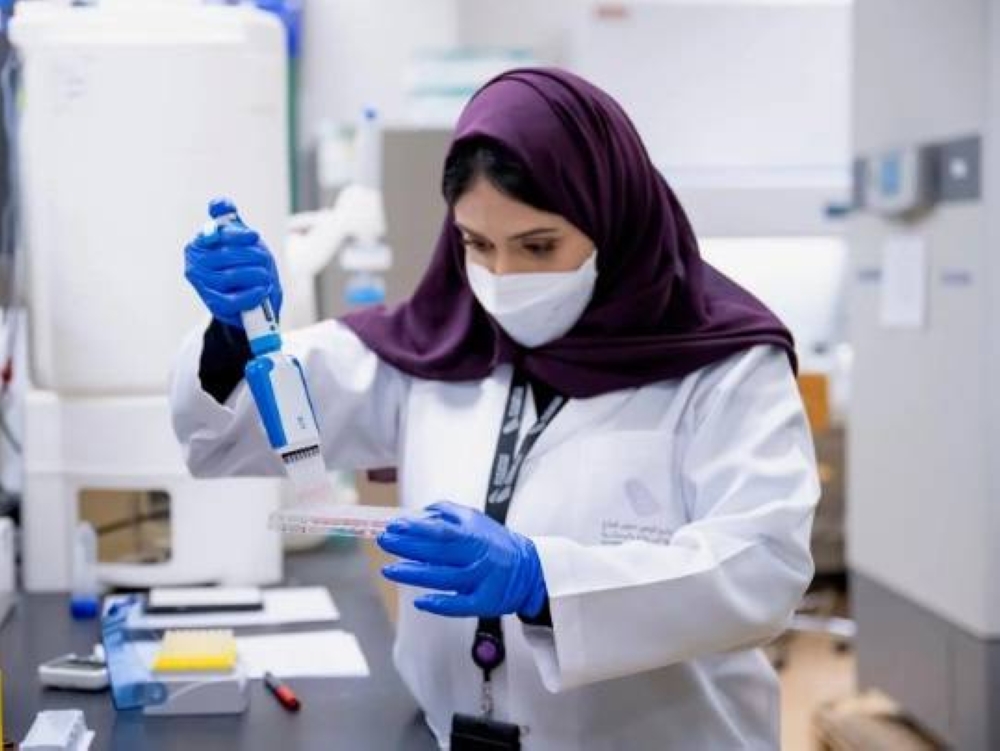
أعلن البرنامج الوطني لتطوير الثروة الحيوانية والسمكية خططاً جادة لزيادة إنتاج الحليب من الأبقار باستخدام أساليب التحسين الوراثي والمعلومات الحيوية على مدى 5 سنوات قادمة، عن طريق تقنية التنميط الجيني التي تعتمد على اختيار أفضل الأبقار المحسنة وراثياً، بهدف تحقيق نتائج ملموسة تسهم في دعم السوق بمزيد من الإنتاجية العالية.
وأكد البرنامج أن تقنية التنميط الجيني يمكن أن تُحسن إنتاجية القطيع بنحو 25% إلى 90% من القطيع الحالي، من خلال الانتخاب الوراثي للأبقار الحاملة للجينات المميزة بإنتاجية وصحة عالية.
ويُتوقع البرنامج أن تُسهم اختبارات التحسين الوراثي في خفض معدلات الإصابة بالأمراض الوراثية والمشاكل المرتبطة بالإنتاج بنسبة تصل إلى 60%، عبر استبعاد الحيوانات الحاملة للجينات المرتبطة بالأمراض المزمنة مثل التهاب الضرع والعرج ومشاكل الخصوبة.
وتهدف مبادرة توطين اختبارات التحسين الوراثي إلى الكشف المبكر عن الأمراض التي تصيب الأبقار لنحو 40% إلى 70% من التهديدات الصحية المرتبطة بالعوامل الوراثية، خصوصاً في ما يتعلق بضعف المناعة، وأمراض الضرع، ومشكلات النمو والخصوبة.
وبحسب تقديرات البرنامج، فإن الأبقار الأقل إنتاجاً والتي تعطي ما بين 20-25 لتراً من الحليب تُعد ذات كفاءة منخفضة وغير مجدية اقتصادياً، حيث يسعى البرنامج حسب خططه المستقبلية إلى إحلالها تدريجياً على مدار 5 سنوات ضمن خطط تجديد وتحسين القطيع.
وتشير بيانات البرنامج الوطني لتطوير الثروة الحيوانية والسمكية إلى أن إنتاجية الأبقار من الحليب في المملكة تختلف بين شركات الألبان اعتماداً على إدارة القطيع، والتغذية، والعوامل الأخرى المتعلقة بالتحسين الوراثي، ويقدر عدد الأبقار الحلوب في المملكة بنحو 250 ألف بقرة، ويبلغ متوسط إنتاج الحليب لكل بقرة سنوياً أكثر من 11 ألف طن سنوياً، أي ما يعادل نحو 30 إلى 35 كجم يومياً.
«الثروة الحيوانية»: خطط لرفع إنتاج الحليب إلى 90 %
9 يوليو 2025 - 17:31
|
آخر تحديث 9 يوليو 2025 - 17:31


تابع قناة عكاظ على الواتساب
«عكاظ» (الرياض)
The National Program for the Development of Livestock and Fisheries has announced serious plans to increase milk production from cows using genetic improvement methods and bioinformatics over the next 5 years, through genetic profiling technology that relies on selecting the best genetically improved cows, with the aim of achieving tangible results that contribute to supporting the market with higher productivity.
The program confirmed that genetic profiling technology can improve herd productivity by about 25% to 90% of the current herd, through the genetic selection of cows carrying genes associated with high productivity and health.
The program expects that genetic improvement tests will help reduce the rates of hereditary diseases and production-related issues by up to 60%, by excluding animals carrying genes associated with chronic diseases such as mastitis, lameness, and fertility problems.
The initiative to localize genetic improvement tests aims to enable early detection of diseases affecting cows for about 40% to 70% of health threats related to genetic factors, especially concerning immune deficiency, udder diseases, and growth and fertility issues.
According to the program's estimates, less productive cows that yield between 20-25 liters of milk are considered inefficient and economically unviable, as the program aims, according to its future plans, to gradually replace them over 5 years as part of herd renewal and improvement plans.
Data from the National Program for the Development of Livestock and Fisheries indicates that milk productivity from cows in the Kingdom varies among dairy companies depending on herd management, nutrition, and other factors related to genetic improvement. The number of dairy cows in the Kingdom is estimated at about 250,000 cows, with an average annual milk production of more than 11,000 tons per cow, which is equivalent to about 30 to 35 kg daily.
The program confirmed that genetic profiling technology can improve herd productivity by about 25% to 90% of the current herd, through the genetic selection of cows carrying genes associated with high productivity and health.
The program expects that genetic improvement tests will help reduce the rates of hereditary diseases and production-related issues by up to 60%, by excluding animals carrying genes associated with chronic diseases such as mastitis, lameness, and fertility problems.
The initiative to localize genetic improvement tests aims to enable early detection of diseases affecting cows for about 40% to 70% of health threats related to genetic factors, especially concerning immune deficiency, udder diseases, and growth and fertility issues.
According to the program's estimates, less productive cows that yield between 20-25 liters of milk are considered inefficient and economically unviable, as the program aims, according to its future plans, to gradually replace them over 5 years as part of herd renewal and improvement plans.
Data from the National Program for the Development of Livestock and Fisheries indicates that milk productivity from cows in the Kingdom varies among dairy companies depending on herd management, nutrition, and other factors related to genetic improvement. The number of dairy cows in the Kingdom is estimated at about 250,000 cows, with an average annual milk production of more than 11,000 tons per cow, which is equivalent to about 30 to 35 kg daily.