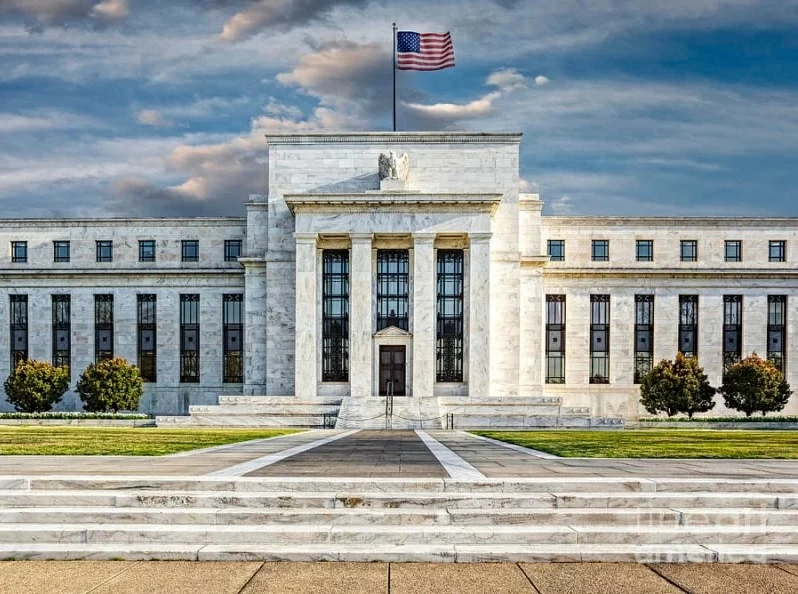
ارتفع الدولار الأمريكي أمام العملات الرئيسية خلال تعاملات اليوم (الثلاثاء)، مسجلاً أعلى مستوى له منذ 15 أكتوبر الجاري، بالتزامن مع ترقب المستثمرين اجتماع مجلس الاحتياطي الفيدرالي الذي يبدأ اليوم، وسط توقعات بالإبقاء على أسعار الفائدة دون تغيير عند إعلان القرار غداً (الأربعاء).
وصعد مؤشر الدولار، الذي يقيس أداء العملة الأمريكية مقابل سلة من 6 عملات رئيسية، بنسبة 0.3%، ليصل إلى 102.25 نقطة، وهو أعلى مستوى يسجله خلال 12 يوماً.
ومن المقرر أن يعلن البنك المركزي الأوروبي قراره بشأن السياسة النقدية يوم (الخميس) القادم، يليه بنك اليابان يوم (الجمعة)، وسط توقعات بتثبيت أسعار الفائدة، مع ترقب الأسواق تصريحات مسؤولي البنكين بشأن توجهات السياسة النقدية خلال الفترة القادمة.
وكان الين الياباني قد ارتفع بنسبة 0.75% أمام الدولار خلال الأسبوع الماضي، مسجلاً أكبر مكاسب أسبوعية منذ مطلع شهر سبتمبر، فيما يتجه اليورو لتسجيل أسوأ أداء بين عملات الأسواق المتقدمة خلال شهر أكتوبر الجاري، بانخفاض نسبته 1.5% أمام الدولار، متأثراً بارتفاع تكاليف الطاقة وتقلبات سوق السندات الفرنسية.
The US dollar rose against major currencies during today's trading (Tuesday), reaching its highest level since October 15, coinciding with investors' anticipation of the Federal Reserve meeting that begins today, amid expectations to keep interest rates unchanged when the decision is announced tomorrow (Wednesday).
The dollar index, which measures the performance of the US currency against a basket of 6 major currencies, increased by 0.3%, reaching 102.25 points, the highest level recorded in 12 days.
The European Central Bank is set to announce its decision on monetary policy next (Thursday), followed by the Bank of Japan on (Friday), amid expectations to maintain interest rates, with markets awaiting statements from officials of both banks regarding monetary policy directions in the upcoming period.
The Japanese yen rose by 0.75% against the dollar last week, marking the largest weekly gains since early September, while the euro is heading for the worst performance among advanced market currencies during October, with a decline of 1.5% against the dollar, affected by rising energy costs and fluctuations in the French bond market.