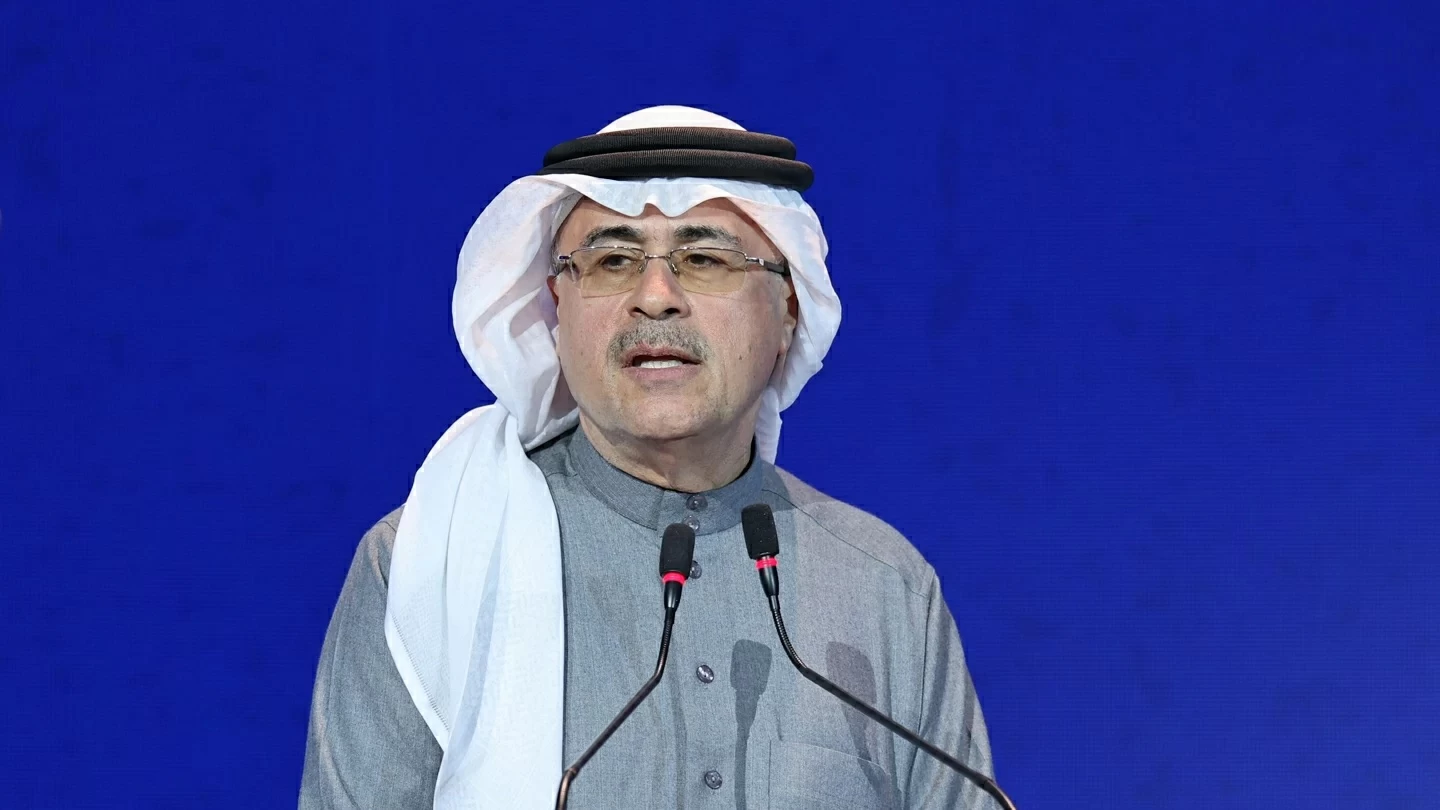
حذر الرئيس التنفيذي لشركة أرامكو السعودية أمين الناصر، من أن مخزونات النفط العالمية أصبحت عند مستويات «شحيحة بشكل مقلق». وأشار إلى أن إعادة بناء الاحتياطيات التي استُنزفت خلال الصراع في الشرق الأوسط قد تستغرق ما يصل إلى عامين.
فقدان 3 مليارات برميل
وقال الناصر خلال مشاركته في مؤتمر «منتدى ذكاء الطاقة» في لندن: «إن الحرب التي استمرت سبعة أشهر بين الولايات المتحدة وإسرائيل وإيران أدت إلى فقدان نحو 3 مليارات برميل من إمدادات النفط في المنطقة، وهو ما يعادل قرابة نصف كميات النفط الخام والمنتجات المكررة التي كان من المفترض أن تعبر مضيق هرمز خلال تلك الفترة». وأضاف: «أكثر من مليار برميل جرى سحبها من الاحتياطيات النفطية للحد من آثار نقص المعروض، فيما أفرجت الحكومات عن أكثر من 300 مليون برميل من المخزونات الإستراتيجية، مع الاتفاق على ضخ كميات إضافية، والجزء الأكبر من الإمدادات التعويضية جاء من مخزونات الشركات، التي وصفها بأنها»آخر أداة رئيسية متاحة«لدعم السوق.
المخزونات العالمية تقل عن 6 مليارات برميل
وبين الناصر خلال مشاركته في المؤتمر، أن المخزونات التجارية العالمية المتبقية تقل حالياً عن 6 مليارات برميل، موضحاً أن معظم هذه الكميات غير متاح عملياً للاستخدام الفوري. وأشار إلى أن النظام العالمي للطاقة يرزح بالفعل تحت الضغط». وحذر من أن هامش الأمان المتاح لضمان استمرارية الإمدادات أصبح محدوداً للغاية في ظل الخيارات القليلة المتبقية أمام الأسواق. وذكر أن التقنيات الحديثة، بما في ذلك صور الأقمار الصناعية وقواعد البيانات المفتوحة الخاصة بحركة السفن، باتت تُستخدم بشكل متزايد لاستهداف البنية التحتية للطاقة وناقلات النفط. ولفت إلى أن الأسابيع الأخيرة شهدت تعرض سفن تعبر مضيق هرمز لهجمات، إلى جانب استهداف خطوط أنابيب ومصافٍ وموانئ تابعة لـ«أرامكو»، مؤكداً أن «أدوات الشفافية لا ينبغي أن تتحول إلى أدوات للعدوان».
السوق تعاني شح المعروض وارتفاع تكاليف النقل
وشدد الناصر على أن السوق لا تزال تعاني من شح المعروض وارتفاع تكاليف النقل، في وقت صعدت فيه أسعار الشحنات الفورية لخام بحر الشمال إلى أعلى مستوياتها منذ أبريل. وأفاد أن إعادة ملء المخزونات بالتزامن مع تلبية الطلب العالمي قد تستغرق ما يصل إلى عامين حتى بعد انتهاء الصراع، داعياً الحكومات إلى إعطاء أولوية أكبر لأمن الطاقة وتعزيز مرونة سلاسل الإمداد. وذكر أن «أرامكو» تدرس مسارات إضافية لتصدير الخام السعودي، إلى جانب التوسع في مرافق التخزين خارج المملكة، بهدف تعزيز موثوقية الإمدادات وحماية العملاء من أي اضطرابات مستقبلية في أسواق الطاقة العالمية.
The CEO of Saudi Aramco, Amin Nasser, warned that global oil inventories have reached "worryingly low levels." He indicated that rebuilding the reserves depleted during the conflict in the Middle East could take up to two years.
Loss of 3 Billion Barrels
Nasser stated during his participation in the "Energy Intelligence Forum" in London: "The seven-month war between the United States, Israel, and Iran has led to a loss of about 3 billion barrels of oil supplies in the region, which is equivalent to nearly half of the crude oil and refined products that were supposed to transit through the Strait of Hormuz during that period." He added: "More than a billion barrels have been drawn from oil reserves to mitigate the effects of the supply shortage, while governments released more than 300 million barrels from strategic stocks, agreeing to pump additional quantities, with the bulk of the compensatory supplies coming from corporate inventories, which he described as the 'last major tool available' to support the market.
Global Inventories Below 6 Billion Barrels
Nasser indicated during the conference that remaining global commercial inventories are currently below 6 billion barrels, explaining that most of these quantities are practically unavailable for immediate use. He noted that the global energy system is already under pressure. He warned that the safety margin available to ensure the continuity of supplies has become extremely limited given the few remaining options for the markets. He mentioned that modern technologies, including satellite imagery and open databases related to shipping movements, are increasingly being used to target energy infrastructure and oil tankers. He pointed out that recent weeks have seen ships crossing the Strait of Hormuz subjected to attacks, alongside the targeting of pipelines, refineries, and ports belonging to "Aramco," emphasizing that "transparency tools should not become tools of aggression."
The Market Suffers from Supply Shortages and Rising Transportation Costs
Nasser stressed that the market continues to suffer from supply shortages and rising transportation costs, as spot prices for North Sea crude have risen to their highest levels since April. He reported that refilling inventories while meeting global demand could take up to two years even after the conflict ends, urging governments to prioritize energy security and enhance the resilience of supply chains. He mentioned that "Aramco" is exploring additional routes for exporting Saudi crude, alongside expanding storage facilities outside the Kingdom, with the aim of enhancing supply reliability and protecting customers from any future disruptions in global energy markets.