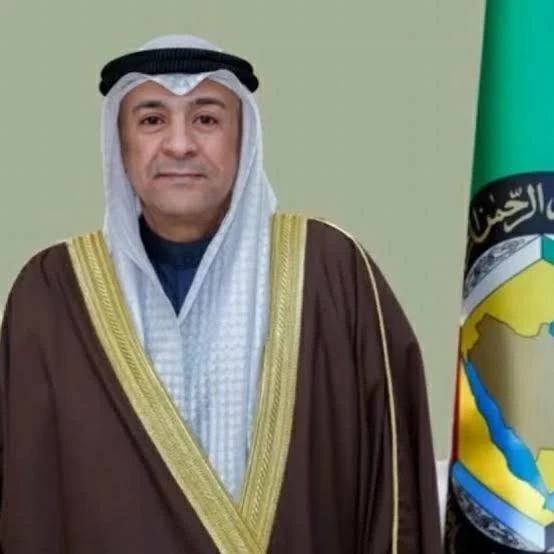
أكد الأمين العام لمجلس التعاون لدول الخليج العربية جاسم البديوي، أن دول مجلس التعاون واصلت العمل على تعزيز الاستدامة والكفاءة المالية، وتطوير أدوات إدارة المخاطر المالية، ورفع كفاءة الإنفاق العام، وتنويع مصادر الإيرادات؛ مما عزز من قدرتها على المحافظة على مكتسباتها الاقتصادية، وتوفير المرونة اللازمة للتعامل مع المتغيرات المستقبلية.
تقدم متواصل في مسارات التنويع الاقتصادي
وأشار البديوي خلال كلمته في الاجتماع الـ 126 للجنة التعاون المالي والاقتصادي بدول مجلس التعاون، اليوم، في العاصمة البحرينية المنامة، برئاسة وزير المالية والاقتصاد الوطني بمملكة البحرين، -رئيس الدورة الحالية- الشيخ سلمان بن خليفة آل خليفة، وبحضور الوزراء المعنيين بالشؤون المالية والاقتصادية بدول المجلس، إلى عدد من المؤشرات التي تعكس متانة اقتصادات دول المجلس، حيث بلغ الناتج المحلي الإجمالي لدول المجلس نحو 2.4 تريليون دولار، بما يضعها مجتمعة ضمن أكبر عشرة اقتصادات في العالم، كما بلغت مساهمة الأنشطة غير النفطية نحو 79% من الناتج المحلي الإجمالي، بما يعكس التقدم المتواصل في مسارات التنويع الاقتصادي، وبلغ صافي الأصول الأجنبية لدى البنوك المركزية الخليجية نحو 829 مليار دولار بنهاية يونيو 2026م، بما يغطي نحو 11 شهرًا من واردات دول المجلس، كما حافظت دول المجلس على استقرار مستويات التضخم، حيث بلغ المعدل الخليجي نحو 2.1% في مايو 2026م، رغم التحديات الاقتصادية الراهنة، وهو أدنى من متوسطات التجمعات الاقتصادية الكبرى. وأشار إلى أن هذه المؤشرات تعكس متانة اقتصادات دول المجلس وفاعلية سياساتها الاقتصادية والمالية، والتقدم المتواصل في مسارات التنويع والتكامل الاقتصادي الخليجي.
القدرة على التعامل مع مختلف التحديات
ورفع الأمين العام، الشكر لملك مملكة البحرين رئيس الدورة الحالية للمجلس الأعلى الملك حمد بن عيسى آل خليفة، لاستضافة مملكة البحرين لاجتماعكم المبارك، ولما قدمته وتقدمه مملكة البحرين من تسهيلات ومساندة لإنجاح أعمال مجلس التعاون، ولما يلقاه العمل الخليجي المشترك من دعم واهتمام من ملك البحرين، وقادة دول المجلس في الميادين كافة. وقال الأمين العام خلال كلمته: «إن الاجتماع الـ 126 للجنة التعاون المالي والاقتصادي بدول المجلس اليوم ينعقد في مرحلة دقيقة، في ظل ما تشهده المنطقة من تطورات جيوسياسية متسارعة، وما يصاحبها من تقلبات في الأسواق، وتحديات في حركة التجارة والاستثمار وسلاسل الإمداد، وتزايد حالة عدم اليقين بشأن آفاق الاقتصاد العالمي، ونظرًا للارتباط الوثيق بين اقتصادات دول المجلس والاقتصاد العالمي، فإن هذه المتغيرات تؤكد أهمية مواصلة تعزيز الجاهزية والقدرة على التعامل مع مختلف التحديات، والحد من انعكاساتها على اقتصادات دول المجلس، بما يحافظ على الاستقرار المالي والاقتصادي واستدامة النمو».
سياسات اقتصادية ومالية فاعلة
وذكر البديوي أن دول المجلس قد أثبتت بحكمة قادة دول المجلس ورؤيتها الإستراتيجية، قدرتها على التعامل مع مختلف الأزمات والظروف الاستثنائية بكفاءة واقتدار، والمحافظة على متانة اقتصاداتها، مستندةً إلى سياسات مالية واقتصادية فاعلة، ومراكز مالية قوية، وبرامج طموحة للتنويع الاقتصادي، إلى جانب أطر متقدمة للتنسيق والتعاون المشترك، حيث أكدت التطورات الأخيرة أهمية البناء على هذه المكتسبات، وتعزيز التنسيق بين السياسات المالية والاقتصادية لدول المجلس، بما يرفع قدرتها على الاستجابة للمتغيرات والصدمات الخارجية، ويوفر مساحة أكبر للتحرك المشترك عند الحاجة، ويحافظ في الوقت ذاته على استدامة المالية العامة ومواصلة دعم النمو والتنمية، وإن ما حققته دول المجلس من تقدم اقتصادي ومالي خلال الفترة الماضية يوفر قاعدة قوية لمواصلة مسيرة التكامل الاقتصادي الخليجي، إلا أن طبيعة المرحلة الراهنة تتطلب منا تسريع العمل في عدد من المسارات ذات الأولوية، وفي مقدمتها استكمال متطلبات الاتحاد الجمركي والسوق الخليجية المشتركة، وتعزيز انسيابية التجارة والاستثمار بين دول المجلس، وتعزيز البيئة المالية والاستثمارية.
The Secretary-General of the Gulf Cooperation Council, Jassim Al-Budaiwi, confirmed that the GCC countries have continued to work on enhancing sustainability and financial efficiency, developing tools for financial risk management, improving public spending efficiency, and diversifying revenue sources; which has strengthened their ability to maintain their economic gains and provide the necessary flexibility to deal with future changes.
Continuous progress in economic diversification paths
Al-Budaiwi pointed out during his speech at the 126th meeting of the Financial and Economic Cooperation Committee of the GCC today in the Bahraini capital, Manama, chaired by the Minister of Finance and National Economy of the Kingdom of Bahrain, the current session's president, Sheikh Salman bin Khalifa Al Khalifa, and attended by the ministers concerned with financial and economic affairs of the member states, to several indicators that reflect the robustness of the economies of the GCC countries. The GDP of the GCC countries reached approximately $2.4 trillion, placing them collectively among the top ten economies in the world. The contribution of non-oil activities accounted for about 79% of the GDP, reflecting the continuous progress in economic diversification paths. The net foreign assets of the Gulf central banks reached approximately $829 billion by the end of June 2026, covering about 11 months of the GCC countries' imports. The GCC countries also maintained stable inflation levels, with the Gulf rate reaching about 2.1% in May 2026, despite current economic challenges, which is lower than the averages of major economic blocs. He noted that these indicators reflect the robustness of the economies of the GCC countries and the effectiveness of their economic and financial policies, as well as the continuous progress in the paths of Gulf economic diversification and integration.
The ability to deal with various challenges
The Secretary-General expressed his gratitude to the King of the Kingdom of Bahrain, the current president of the Supreme Council, King Hamad bin Isa Al Khalifa, for hosting the blessed meeting and for the facilities and support provided by the Kingdom of Bahrain to ensure the success of the GCC's work, as well as the support and attention given to joint Gulf work by the King of Bahrain and the leaders of the member states in all fields. The Secretary-General stated during his speech: "The 126th meeting of the Financial and Economic Cooperation Committee of the GCC is taking place at a critical stage, amid the rapid geopolitical developments in the region, accompanied by fluctuations in markets, challenges in trade and investment flows, supply chains, and increasing uncertainty regarding the global economic outlook. Given the close interconnection between the economies of the GCC countries and the global economy, these changes underscore the importance of continuing to enhance readiness and the ability to deal with various challenges, and to mitigate their repercussions on the economies of the GCC countries, while maintaining financial and economic stability and sustainable growth."
Effective economic and financial policies
Al-Budaiwi mentioned that the GCC countries have proven, through the wisdom of their leaders and their strategic vision, their ability to handle various crises and exceptional circumstances with efficiency and competence, while maintaining the robustness of their economies, relying on effective financial and economic policies, strong financial positions, ambitious economic diversification programs, along with advanced frameworks for coordination and joint cooperation. Recent developments have emphasized the importance of building on these gains and enhancing coordination between the financial and economic policies of the GCC countries, which increases their ability to respond to external changes and shocks, provides greater room for joint action when needed, and simultaneously maintains the sustainability of public finances and continues to support growth and development. The progress achieved by the GCC countries in the economic and financial fields during the past period provides a strong foundation for continuing the path of Gulf economic integration. However, the nature of the current phase requires us to accelerate work in several priority areas, foremost among them completing the requirements of the customs union and the Gulf common market, enhancing the flow of trade and investment among the GCC countries, and improving the financial and investment environment.