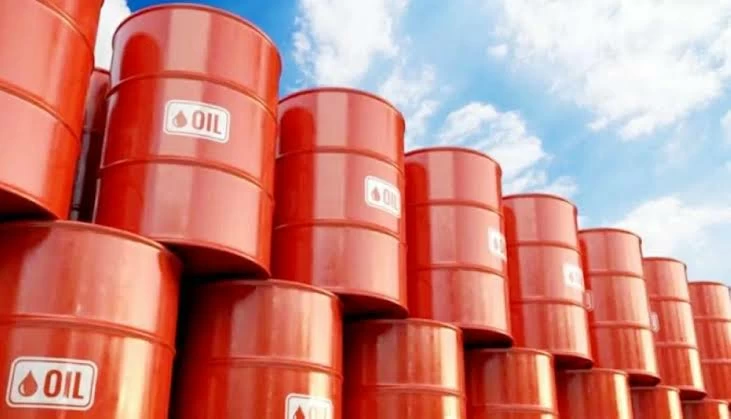
صعدت أسعار خام برنت بأكثر من 3% اليوم، بعد أن رفض الرئيس الأمريكي دونالد ترمب مقترحاً من إيران لحل النزاع بينهما وإعادة فتح مضيق هرمز، مما يعني استمرار التوترات في الشرق الأوسط.
وارتفعت العقود الآجلة لخام برنت 3.43 دولار أو 3.29% إلى 107.75 دولار للبرميل بينما بلغ سعر خام غرب تكساس الوسيط الأمريكي 94.55 دولار للبرميل، مرتفعاً 2.14 دولار أو 2.32%.
مستوى المقاومة
وقالت مؤسسة إحدى شركات لأبحاث سوجاندا ساشديفا: «بالنسبة لعقود برنت الآجلة، يظل مستوى 120 دولاراً للبرميل هو مستوى المقاومة الحاسم، وما دامت الأسعار لا تستقر فوقه، يظل التراجع محتملاً، لا سيما إذا تحسن وضع الشحن أو أحرزت المحادثات تقدماً».
نقطة ضغط
وذكر محللو بنك إيه.إن.زد بقولهم: «لا تزال منتجات النفط المكررة تشكل نقطة ضغط، حيث تؤدي الأسعار القياسية للديزل في الولايات المتحدة إلى تفاقم مخاطر التضخم وإثارة جدل متجدد حول احتمال فرض قيود على الصادرات».
وأشاروا إلى أن أي قيود على صادرات الديزل الأمريكية ستؤدي إلى تقلص المعروض خارج الولايات المتحدة، حيث ستتأثر الأسعار الأوروبية باحتمال انخفاض المعروض الأمريكي.
وكان سعر خام برنت قد ارتفع 0.4% الأسبوع الماضي، لكن خام غرب تكساس الوسيط انخفض 7.9%؛ بسبب مخاوف من أن تحظر الولايات المتحدة تصدير الديزل لتخفيف الأسعار القياسية؛ ما قد يحد من إنتاج المصافي الأمريكية.
Brent crude prices rose by more than 3% today, after U.S. President Donald Trump rejected a proposal from Iran to resolve the dispute between them and reopen the Strait of Hormuz, indicating that tensions in the Middle East will continue.
Brent crude futures increased by $3.43 or 3.29% to $107.75 per barrel, while the price of West Texas Intermediate crude rose by $2.14 or 2.32% to $94.55 per barrel.
Resistance Level
According to a research firm, one of the companies, Soganda Sachdeva stated: "For Brent futures, the $120 per barrel level remains the critical resistance level, and as long as prices do not stabilize above it, a pullback remains possible, especially if shipping conditions improve or talks make progress."
Pressure Point
Analysts at ANZ Bank mentioned: "Refined oil products continue to be a pressure point, as record diesel prices in the United States exacerbate inflation risks and spark renewed debate over the possibility of imposing export restrictions."
They pointed out that any restrictions on U.S. diesel exports would lead to a tightening of supply outside the United States, as European prices would be affected by the potential decrease in American supply.
Brent crude prices had risen by 0.4% last week, but West Texas Intermediate crude fell by 7.9%; due to concerns that the United States might ban diesel exports to alleviate record prices, which could limit production at U.S. refineries.