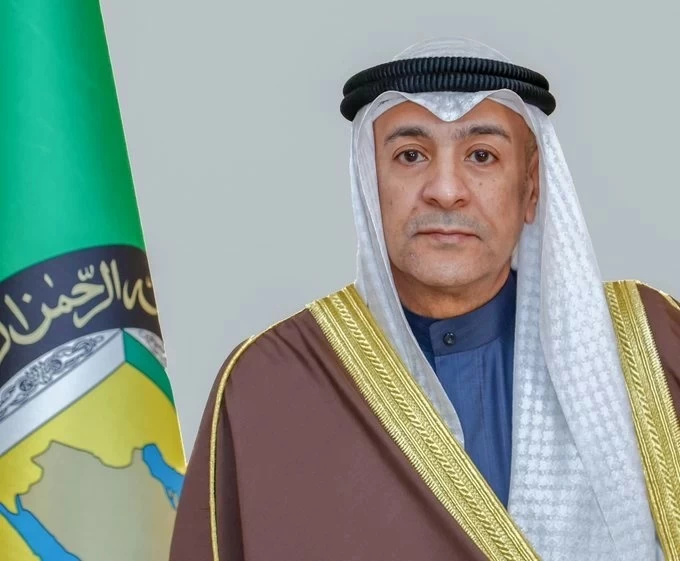
أكدالأمين العام لمجلس التعاون لدول الخليج العربية جاسم محمد البديوي أن تعزيز التقارب والربط الإقليمي في مجالات الطاقة والتجارة والنقل والاقتصاد الرقمي يمثل مسارًا مهمًا لدعم النمو وتعزيز المرونة الاقتصادية وفتح آفاق جديدة للاستثمار، بما يسهم في تحقيق الازدهار المشترك لشعوب المنطقة والأجيال القادمة.
جاء ذلك خلال مشاركته اليوم في ندوة التقارب الإقليمي من أجل الطاقة والتجارة والربط، التي نظمتها الأمانة العامة لمجلس التعاون بالتعاون مع برنامج الأمم المتحدة الإنمائي (UNDP)، وذلك على هامش اجتماعات الدورة الحادية والثمانين للجمعية العامة للأمم المتحدة في الولايات المتحدة الأمريكية بنيويورك.
وأوضح أن التحولات المتسارعة في طرق التجارة وأنظمة الطاقة والتكنولوجيا تعيد تشكيل طبيعة الترابط بين الاقتصادات، في الوقت الذي تتجه فيه الاستثمارات بصورة متزايدة نحو المناطق القادرة على توفير الفرص والمرونة والاستقرار، مبينًا أن هذه التحولات تطرح أمام دول مجلس التعاون تحديات وفرصًا في آن واحد.
وأشار إلى أن منطقة الخليج تقع في ملتقى رئيسي لتدفقات التجارة والطاقة والاستثمار العالمية، إلا أن الموقع الجغرافي وحده لا يكفي لتحقيق الازدهار، مؤكدًا أن ربط الأسواق والبنى التحتية والقدرات، وتعزيز التعاون الإقليمي، من شأنهما تحويل المزايا الإستراتيجية إلى فرص عملية وملموسة تعود بالنفع على الشعوب.
ونوّه معالي الأمين العام بأن تجربة مجلس التعاون تقدم نماذج عملية ناجحة في هذا المجال، وفي مقدمتها مشروع الربط الكهربائي الخليجي، الذي أثبت قدرة التعاون الإقليمي على تعزيز المرونة وتحقيق فوائد اقتصادية وإستراتيجية ملموسة، مؤكدًا ضرورة أن تستند المبادرات الإقليمية إلى الأولويات الوطنية ومصالح الدول المشاركة.
وبيّن أن المرحلة المقبلة تتطلب التركيز على ثلاثة مسارات عملية، تتمثل في بلورة عملية منظمة بعد اجتماعات الجمعية العامة للأمم المتحدة لتطوير خارطة طريق واضحة تستند إلى الأولويات الوطنية، وتحديد عدد من المجالات والممرات والفرص الاستثمارية في الطاقة والتجارة والنقل والربط الرقمي، إلى جانب توسيع شبكة الشركاء من الحكومات والمؤسسات المالية والمستثمرين السياديين والقطاع الخاص، والاستفادة من دور برنامج الأمم المتحدة الإنمائي في تيسير هذه الشراكات ودعم العمل الفني.
وشدد على أهمية أن تقوم هذه الجهود على الملكية الوطنية والمشاركة الطوعية والمنفعة المتبادلة، وأن تستفيد من المبادرات القائمة وتتجنب الازدواجية، مع التركيز على المجالات القادرة على تحقيق نتائج ملموسة وقابلة للقياس.
واختتم معالي الأمين العام كلمته بالتأكيد على أن القيمة الحقيقية لهذه المبادرة تقاس بما تحققه من ترابط أقوى بين اقتصادات المنطقة، وفرص استثمارية جديدة، ومشروعات تدعم النمو والمرونة، مشيرًا إلى أن ما تمتلكه المنطقة من موارد وموقع إستراتيجي ومؤسسات وطموح يؤهلها لدفع هذا المسار قدمًا، بما يسهم في تعزيز البنية التحتية والتجارة وتحقيق النمو المستدام والمرونة والازدهار المشترك للأجيال القادمة.
The Secretary-General of the Gulf Cooperation Council, Jassim Mohammed Al-Budaiwi, affirmed that enhancing regional connectivity in the fields of energy, trade, transport, and the digital economy represents an important pathway to support growth, enhance economic resilience, and open new horizons for investment, contributing to the shared prosperity of the peoples of the region and future generations.
This came during his participation today in the Regional Connectivity for Energy, Trade, and Linkage seminar, organized by the General Secretariat of the Gulf Cooperation Council in collaboration with the United Nations Development Programme (UNDP), on the sidelines of the 81st session of the United Nations General Assembly in the United States in New York.
He explained that the rapid transformations in trade routes, energy systems, and technology are reshaping the nature of interconnection between economies, while investments are increasingly directed towards areas capable of providing opportunities, flexibility, and stability, indicating that these transformations present both challenges and opportunities for the Gulf Cooperation Council countries.
He pointed out that the Gulf region is located at a major crossroads for global trade, energy, and investment flows, but that geographic location alone is not sufficient to achieve prosperity, emphasizing that linking markets, infrastructure, and capabilities, and enhancing regional cooperation, can transform strategic advantages into practical and tangible opportunities that benefit the peoples.
The Secretary-General noted that the Gulf Cooperation Council experience provides successful practical models in this area, foremost among them the Gulf Electricity Interconnection Project, which has proven the ability of regional cooperation to enhance resilience and achieve tangible economic and strategic benefits, stressing the necessity for regional initiatives to be based on national priorities and the interests of the participating countries.
He indicated that the upcoming phase requires focusing on three practical pathways, represented in crystallizing an organized process after the United Nations General Assembly meetings to develop a clear roadmap based on national priorities, identifying several areas, corridors, and investment opportunities in energy, trade, transport, and digital connectivity, in addition to expanding the network of partners from governments, financial institutions, sovereign investors, and the private sector, and benefiting from the role of the United Nations Development Programme in facilitating these partnerships and supporting technical work.
He emphasized the importance of these efforts being based on national ownership, voluntary participation, and mutual benefit, and that they should leverage existing initiatives and avoid duplication, with a focus on areas capable of achieving tangible and measurable results.
The Secretary-General concluded his speech by affirming that the true value of this initiative is measured by what it achieves in terms of stronger connectivity between the region's economies, new investment opportunities, and projects that support growth and resilience, pointing out that the region's resources, strategic location, institutions, and ambition qualify it to push this pathway forward, contributing to enhancing infrastructure, trade, and achieving sustainable growth, resilience, and shared prosperity for future generations.