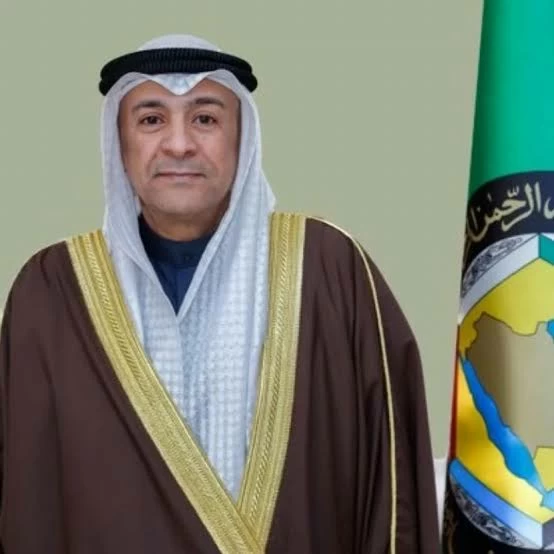
أوضح الأمين العام لمجلس التعاون لدول الخليج العربية جاسم محمد البديوي، أن القطاع المصرفي في دول المجلس حافظ على متانته واستقراره رغم الظروف الراهنة، مدعومًا بأطر رقابية وتنظيمية متطورة، ومستويات جيدة من السيولة وكفاية رأس المال، وهو ما عزز قدرته على مواكبة كل المتغيرات الاقتصادية من جانب، ومواصلة دوره في دعم النشاط الاقتصادي وتمويل التنمية في دول المجلس من جانب آخر.
جاء ذلك خلال الاجتماع الـ 87 للجنة محافظي البنوك المركزية بدول مجلس التعاون، اليوم، في مملكة البحرين بالعاصمة المنامة، برئاسة محافظ مصرف البحرين المركزي رئيس الدورة الحالية للجنة محافظي البنوك المركزية بدول المجلس خالد إبراهيم حميدان، وبحضور محافظي البنوك المركزية بدول المجلس.
مؤشرات تعكس الاستقرار النقدي
وتطرق البديوي إلى عدد من المؤشرات التي تعكس متانة القطاع المصرفي والاستقرار النقدي في دول المجلس وهي، أولًا: ارتفاع إجمالي الودائع لدى البنوك التجارية العاملة في مجلس التعاون بنهاية يونيو 2026م بنسبة 6% مقارنة مع حجمها بنهاية العام 2025م ليصل لنحو 2.45 تريليون دولار، ثانيًا: بلغ إجمالي أصول البنوك التجارية العاملة في مجلس التعاون بنهاية يونيو 2026م أكثر من 4 تريليونات دولار بارتفاع نسبته 3.9% مقارنة مع نهاية العام 2025م، ثالثًا: بلغ حجم صافي الأصول الأجنبية لدى البنوك المركزية الخليجية بنهاية يونيو 2026م نحو 829 مليار دولار، وهي ما يغطي 11 شهرًا من واردات مجلس التعاون، ورابعًا: حافظت دول المجلس على استقرار مستويات التضخم رغم التحديات الاقتصادية الراهنة، حيث بلغ معدل التضخم الخليجي نحو 2.1% في مايو 2026م، وهو أدنى من متوسطات التجمعات الاقتصادية الكبرى، وتؤكد هذه المؤشرات متانة اقتصادات دول المجلس ونجاح مسيرة التكامل الاقتصادي الخليجي، بما يعزز مكانتها التنافسية على المستويين الإقليمي والدولي.
تطورات جيوسياسية واقتصادية متلاحقة
ورفع الأمين العام لمجلس التعاون الشكر، لملك مملكة البحرين، رئيس الدورة الحالية للمجلس الأعلى الملك حمد بن عيسى آل خليفة؛ لاستضافة مملكة البحرين للاجتماع الـ87 للجنة محافظي البنوك المركزية بدول المجلس، ولما قدمته وتُقدمه مملكة البحرين من تسهيلات ومساندة لإنجاح أعمال مجلس التعاون، ولما يلقاه العمل الخليجي المشترك من دعم واهتمام من لدُن قادة دول المجلس في كافة الميادين.
وأوضح الأمين العام لمجلس التعاون بأن الساحة الاقتصادية العالمية تشهد تحولات متسارعة، في ظل تطورات جيوسياسية واقتصادية متلاحقة، وما يصاحبها من تقلبات في الأسواق وتحديات في حركة التجارة والاستثمار وسلاسل الإمداد.
مواجهة مختلف الأزمات والظروف
وأشار البديوي إلى أنه نظراً للارتباط الوثيق بين اقتصادات دول المجلس والاقتصاد العالمي، فإن هذه المتغيرات تفرض أهمية مواصلة تعزيز الجاهزية والقدرة على التعامل مع مختلف التحديات، بما يحافظ على الاستقرار الاقتصادي والمالي والنقدي، وقد أثبتت دول المجلس قدرتها على مواجهة مختلف الأزمات والظروف الاستثنائية بكفاءة واقتدار، والمحافظة على متانة اقتصاداتها، مستندةً إلى سياسات اقتصادية ومالية ونقدية فاعلة، ومؤسسات قوية، وأطر متقدمة للتنسيق والتعاون المشترك.
وذكر أن التنسيق الخليجي قد أسهم في تعزيز قدرة دول المجلس على التعامل مع المتغيرات والتحديات، وهو ما يؤكد أهمية مواصلة العمل الخليجي المشترك وتعميقه، لا سيما في المجالات النقدية والمصرفية؛ بما يعزز الاستقرار المالي، ويدعم كفاءة القطاع المصرفي، ويرسخ قدرة اقتصادات دول المجلس على مواجهة المتغيرات والصدمات الخارجية.
The Secretary-General of the Gulf Cooperation Council, Jassim Mohammed Al-Budaiwi, clarified that the banking sector in the member states has maintained its robustness and stability despite current conditions, supported by advanced regulatory and supervisory frameworks, good levels of liquidity, and capital adequacy. This has enhanced its ability to keep pace with all economic changes on one hand, and to continue its role in supporting economic activity and financing development in the member states on the other hand.
This was stated during the 87th meeting of the Committee of Governors of Central Banks of the Gulf Cooperation Council, today, in the Kingdom of Bahrain's capital, Manama, chaired by the Governor of the Central Bank of Bahrain and current chair of the Committee of Governors of Central Banks, Khalid Ibrahim Hamidan, and attended by the governors of the central banks of the member states.
Indicators Reflecting Monetary Stability
Al-Budaiwi touched on several indicators that reflect the robustness of the banking sector and monetary stability in the member states. Firstly: the total deposits in commercial banks operating in the GCC increased by 6% by the end of June 2026 compared to their size at the end of 2025, reaching approximately $2.45 trillion. Secondly: the total assets of commercial banks operating in the GCC exceeded $4 trillion by the end of June 2026, an increase of 3.9% compared to the end of 2025. Thirdly: the net foreign assets of the Gulf central banks reached about $829 billion by the end of June 2026, covering 11 months of the GCC's imports. Fourthly: the member states maintained stable inflation levels despite current economic challenges, with the Gulf inflation rate at about 2.1% in May 2026, which is lower than the averages of major economic blocs. These indicators confirm the robustness of the economies of the member states and the success of the Gulf economic integration process, enhancing their competitive position at both regional and international levels.
Rapid Geopolitical and Economic Developments
The Secretary-General of the Gulf Cooperation Council expressed gratitude to the King of the Kingdom of Bahrain, the current chair of the Supreme Council, King Hamad bin Isa Al Khalifa, for hosting the 87th meeting of the Committee of Governors of Central Banks of the member states, and for the facilities and support provided by the Kingdom of Bahrain to ensure the success of the Gulf Cooperation Council's work, as well as the support and attention that joint Gulf work receives from the leaders of the member states in all fields.
The Secretary-General of the Gulf Cooperation Council explained that the global economic landscape is witnessing rapid transformations amid ongoing geopolitical and economic developments, accompanied by fluctuations in markets and challenges in trade, investment, and supply chains.
Confronting Various Crises and Conditions
Al-Budaiwi pointed out that due to the close interconnection between the economies of the member states and the global economy, these changes impose the importance of continuing to enhance readiness and the ability to deal with various challenges, in order to maintain economic, financial, and monetary stability. The member states have proven their ability to confront various crises and exceptional circumstances with efficiency and competence, maintaining the robustness of their economies, relying on effective economic, financial, and monetary policies, strong institutions, and advanced frameworks for coordination and joint cooperation.
He mentioned that Gulf coordination has contributed to enhancing the member states' ability to deal with changes and challenges, which underscores the importance of continuing and deepening joint Gulf work, especially in monetary and banking fields; thereby enhancing financial stability, supporting the efficiency of the banking sector, and reinforcing the ability of the economies of the member states to face changes and external shocks.