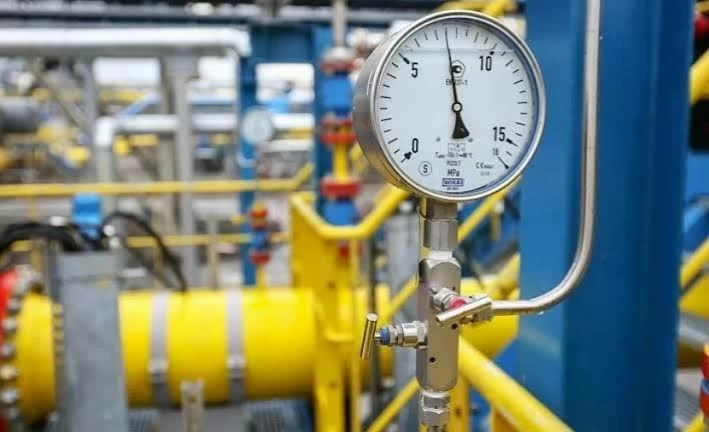
صعد سعر الغاز الأوروبي إلى أعلى مستوى له منذ بداية عام 2023، مدفوعاً باستئناف إيران والولايات المتحدة الضربات هذا الأسبوع، ما يعقّد عملية ملء المخزونات قبل فصل الشتاء.
احتياطيات منخفضة
وكانت العقود الآجلة للغاز وفق مؤشر «تي تي إف» الهولندي، المرجعي في أوروبا، تسجّل 73.85 يورو للميغاواط/ساعة، بعدما بلغت 75.33 يورو، وهو أعلى مستوى منذ يناير 2023. وتُعتبر احتياطيات الغاز الأوروبية منخفضة بالنسبة لهذه الفترة من العام، ما يعني أن الحاجة كبيرة للتزوّد بهذه المادة قبل الشتاء. وتنافس أوروبا آسيا على بعض شحنات الغاز الطبيعي المسال، وهي تستعد لحظر استيراده من روسيا بالكامل اعتباراً من كانون 2027.
زيادة الطلب
وأوضح المحلل لدى إحدى الشركات المتخصصة في القطاع جوناثان شروير: «الصيف الحار بشكل استثنائي في أوروبا وفي الدول الآسيوية الرئيسية المستوردة للغاز، أدى إلى زيادة الطلب على الغاز الطبيعي المسال لتغذية أنظمة التكييف».
بدوره، رأى المحلل لوهمان راسموسن، أن التصعيد العسكري في الشرق الأوسط يجعل من الصعب أكثر فأكثر الركون إلى فرضية عودة تدفقات الغاز الطبيعي المسال إلى طبيعتها سريعاً، وهو ما يدفع الأسعار إلى الارتفاع الحاد.
وأفاد أن إمدادات النفط أفضل قليلاً، إذ تمكّنت السعودية والإمارات من التصدير عبر خطوط أنابيب بديلة تربط تباعاً بخليج عُمان والبحر الأحمر.
The price of European gas has risen to its highest level since the beginning of 2023, driven by the resumption of strikes by Iran and the United States this week, complicating the process of filling storage before winter.
Low Reserves
Futures contracts for gas according to the Dutch "TTF" index, the benchmark in Europe, were recording €73.85 per megawatt-hour, after reaching €75.33, the highest level since January 2023. European gas reserves are considered low for this time of year, indicating a significant need to stock up on this material before winter. Europe is competing with Asia for some shipments of liquefied natural gas, as it prepares to completely ban imports from Russia starting in January 2027.
Increased Demand
Analyst Jonathan Schruier from a specialized company explained: "The exceptionally hot summer in Europe and in major Asian gas-importing countries has led to an increase in demand for liquefied natural gas to power air conditioning systems."
For his part, analyst Lohman Rasmussen noted that the military escalation in the Middle East makes it increasingly difficult to rely on the assumption that liquefied natural gas flows will return to normal quickly, which drives prices sharply higher.
He reported that oil supplies are slightly better, as Saudi Arabia and the UAE have managed to export via alternative pipelines connecting successively to the Gulf of Oman and the Red Sea.