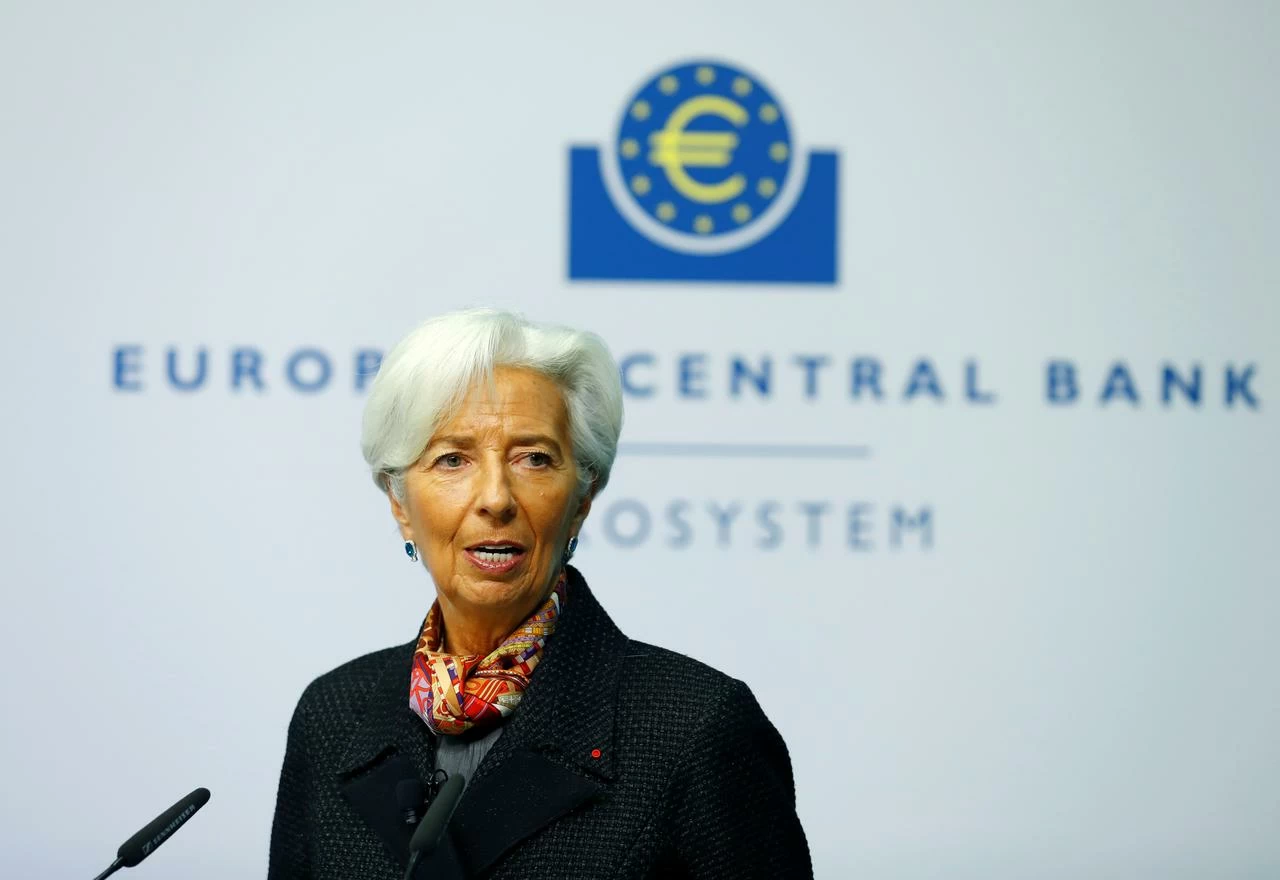
حذرت رئيسة البنك المركزي الأوروبي كريستين لاجارد من تخلف منطقة اليورو عن ركب التحول الاقتصادي العالمي القائم على الذكاء الاصطناعي.
الثورة الرقمية
وأكدت لاجارد في كلمة ألقتها بمدينة جنيف أن القارة الأوروبية لا يمكنها تحمل تكرار سيناريو الثورة الرقمية الأولى التي اقتصرت عوائدها التجارية على أسواق أخرى. وأوضحت أن بيانات المسح تشير إلى توجه الشركات في منطقة اليورو لتخصيص نحو 9% من إجمالي استثماراتها لتكنولوجيا الذكاء الاصطناعي خلال العام الحالي، مشيرة إلى أن هذا الإقبال يعكس رغبة مؤسسية جادة في اللحاق بسباق التطور التقني وتعزيز الإنتاجية.
نمو الشركات
وشددت لاجارد على أن تجزئة الأسواق داخل الاتحاد الأوروبي تعيق نمو الشركات وتصعب حصولها على التمويل مقارنة بنظيراتها العالمية. وأضافت أن الموديل الاقتصادي الأوروبي يواجه تحديات هيكلية تتطلب زيادة حجم الاستثمارات وتسهيل انتشار التكنولوجيات الحديثة. ودعت إلى ضرورة توحيد السوق وصنع بيئة مواتية تتيح للشركات التوسع على نطاق واسع لرفع قدرتها التنافسية أمام الأسواق الكبرى. وأكدت أن استغلال مقومات السوق الموحدة يمثل ركيزة أساسية لتحقيق النمو الاقتصادي المستدام على المدى الطويل.
European Central Bank President Christine Lagarde warned that the Eurozone risks falling behind in the global economic transformation driven by artificial intelligence.
The Digital Revolution
Lagarde emphasized in a speech delivered in Geneva that Europe cannot afford to repeat the scenario of the first digital revolution, which limited its commercial returns to other markets. She explained that survey data indicates that companies in the Eurozone are planning to allocate about 9% of their total investments to artificial intelligence technology this year, noting that this interest reflects a serious institutional desire to catch up in the race for technological advancement and enhance productivity.
Company Growth
Lagarde stressed that market fragmentation within the European Union hinders company growth and makes it more difficult for them to access financing compared to their global counterparts. She added that the European economic model faces structural challenges that require increasing the volume of investments and facilitating the spread of modern technologies. She called for the need to unify the market and create a conducive environment that allows companies to expand on a large scale to enhance their competitiveness against major markets. She affirmed that leveraging the advantages of the single market is a fundamental pillar for achieving sustainable economic growth in the long term.