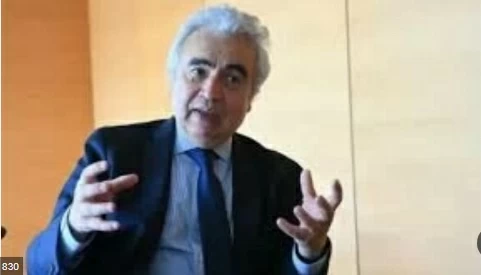
حذر المدير التنفيذي لوكالة الطاقة الدولية فاتح بيرول أن أوروبا واجهت أزمتين كبيرتين في قطاع الطاقة خلال أقل من خمس سنوات، ما يستدعي تسريع الاعتماد على الكهرباء في قطاعات التدفئة والنقل والصناعة.
وأكّد بيرول في مقابلة مع صحيفة «فاينانشال تايمز» أن معدل الكهربة في الاتحاد الأوروبي، أي حصة الكهرباء من إجمالي استهلاك الطاقة، لا يتجاوز نحو 23٪، وهو مستوى قريب من دول منتجة للنفط مثل الولايات المتحدة رغم اعتماد أوروبا الكبير على واردات النفط والغاز، وفقاً لما اطلعت عليه «العربية Business».
صدمة إمدادات
وقال: «القارة كانت مطالبة بالتحرك بوتيرة أسرع بعد صدمة إمدادات الغاز الروسية». وأشار إلى أن دولاً مثل الصين واليابان وكوريا الجنوبية تجاوزت بالفعل معدل كهربة يفوق 30٪ من استهلاكها للطاقة.
وأشار المفوض الأوروبي إلى أن الاتحاد نجح خلال أزمة 2022 في توسيع استخدام الطاقة المتجددة وتحسين كفاءة الطاقة وخفض استهلاك الغاز بنحو 20٪ بعد تقليص روسيا إمداداتها عبر الأنابيب، إلا أن قطاعات رئيسية لا تزال تعتمد بدرجة كبيرة على الوقود الأحفوري.
عقبة إضافية
ولفت بيرول إلى أن القدرة المحدودة لشبكات الكهرباء تمثل عقبة إضافية أمام التوسع في الاعتماد على الطاقة النظيفة، موضحاً أن أوروبا أضافت مستوى قياسياً بلغ 85 غيغاواط من مشاريع الطاقة المتجددة خلال العام الماضي، إلا أن نحو 600 غيغاواط من المشاريع المنجزة لا تزال تنتظر الربط بالشبكات الكهربائية.
ويستهدف الاتحاد الأوروبي رفع معدل الكهربة إلى 32٪ بحلول 2030، فيما يستعد يورغنسن لطرح أهداف طويلة الأجل جديدة تمتد حتى عام 2040.
The Executive Director of the International Energy Agency, Fatih Birol, warned that Europe has faced two major crises in the energy sector in less than five years, necessitating a faster transition to electricity in the heating, transport, and industrial sectors.
Birol confirmed in an interview with the Financial Times that the electrification rate in the European Union, which is the share of electricity in total energy consumption, does not exceed about 23%, a level close to oil-producing countries like the United States, despite Europe's heavy reliance on oil and gas imports, according to what Al Arabiya Business has reviewed.
Supply Shock
He stated, "The continent was required to move at a faster pace after the shock of Russian gas supplies." He pointed out that countries like China, Japan, and South Korea have already surpassed an electrification rate of over 30% of their energy consumption.
The European Commissioner noted that the EU succeeded during the 2022 crisis in expanding the use of renewable energy, improving energy efficiency, and reducing gas consumption by about 20% after Russia cut its pipeline supplies, yet key sectors still heavily rely on fossil fuels.
Additional Barrier
Birol highlighted that the limited capacity of electricity networks represents an additional barrier to expanding reliance on clean energy, explaining that Europe added a record level of 85 gigawatts of renewable energy projects last year, yet about 600 gigawatts of completed projects are still awaiting connection to the electricity grids.
The European Union aims to raise the electrification rate to 32% by 2030, while Jørgensen is preparing to propose new long-term targets extending to 2040.